What is the Difference between MDF And Engineered Wood: A Guide
MDF is actually a type of engineered wood, not a separate category — when people ask “MDF vs. engineered wood,” they usually mean MDF vs. plywood, the other common engineered wood product.
Engineered wood is the umbrella term for plywood, MDF, particleboard, and OSB — materials made by bonding wood fibers, chips, or veneers together with resin. Picking the wrong one costs real money: MDF swells if it gets wet, while plywood costs more but handles moisture and structural loads MDF can’t. This guide clarifies the actual category, compares MDF to plywood on cost, durability, and formaldehyde emissions, and covers which one fits your specific project.
MDF Basics
Best Edge Finishing Pick
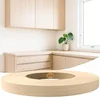
Edge Supply Birch Iron-On Veneer Edge Banding
Covers the raw, layered edge of a cut MDF or plywood panel with a real wood veneer finish.
- Best for: finishing cut edges on cabinets, shelves, or furniture panels
- Why we picked it: pre-glued, iron-on application — no clamps or extra adhesive needed
- Main drawback: needs a household iron and a sharp trimming tool to finish cleanly
Compare more panel-finishing options
 Option 1 Edge Supply Maple Veneer Tape
|
 Option 2 Gorilla All Purpose Wood Filler
|
 Option 3 Elmer’s Carpenter’s Wood Filler, 3.25 oz
|
As an Amazon Associate we earn from qualifying purchases.
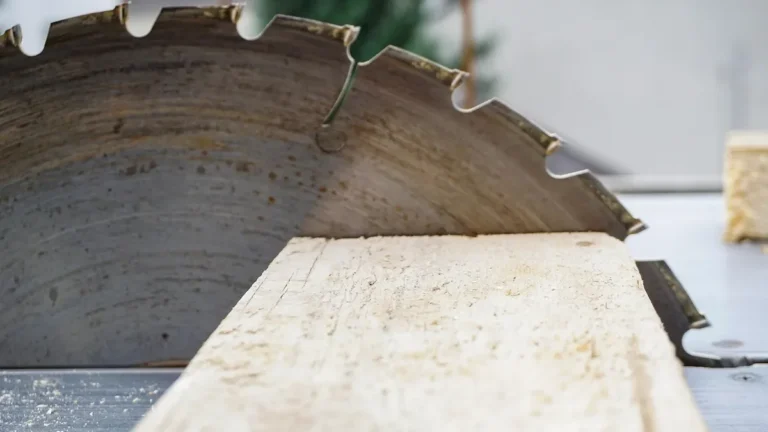
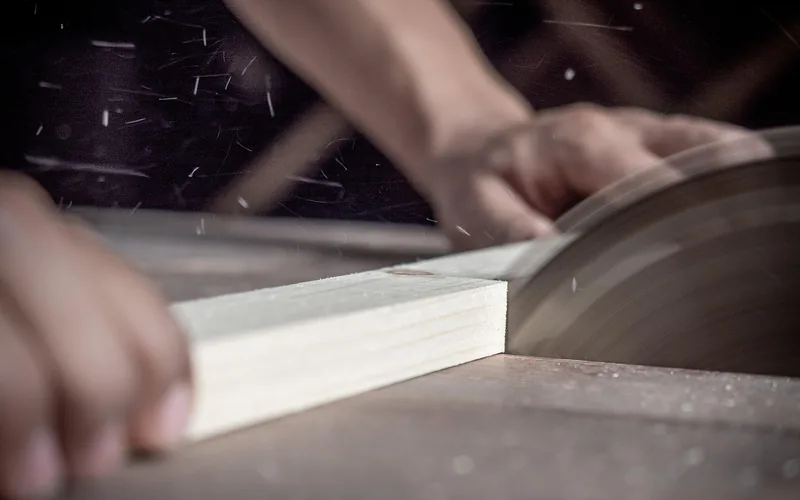
MDF stands for Medium Density Fiberboard, a type of engineered wood made from wood fibers mixed with resin. The fibers are pressed into sheets using heat. MDF has a smooth surface with no knots. It is denser than plywood and chipboard. The manufacturing process makes it strong and durable. It is easy to cut and shape. MDF is often used for furniture and cabinets.
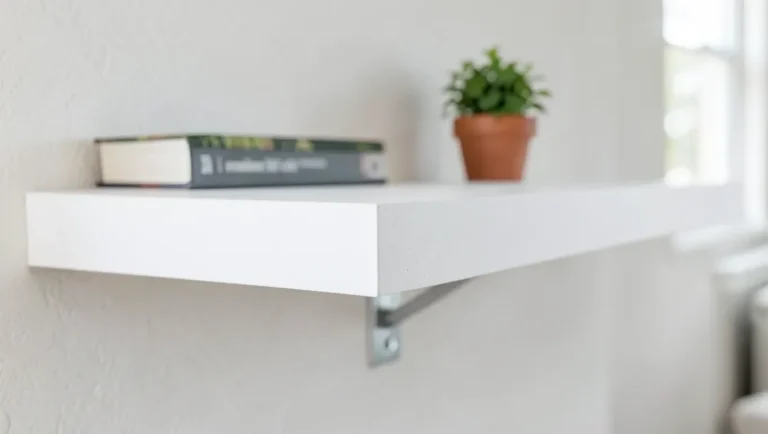
MDF is used in many places. It is popular for indoor furniture. People use it for making shelves and cupboards. It is great for painted surfaces. MDF does not warp with moisture. It is easy to decorate and design. Builders use it for wall panels and doors.
Engineered Wood Essentials
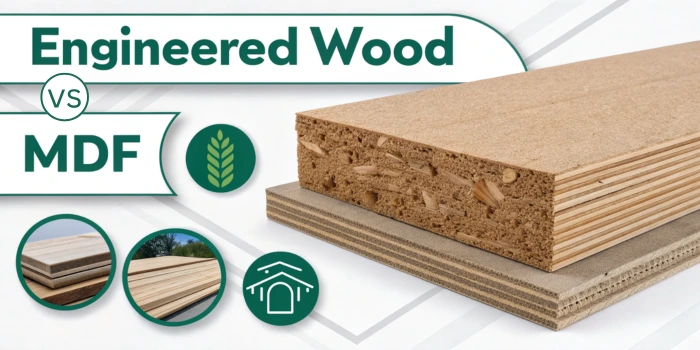
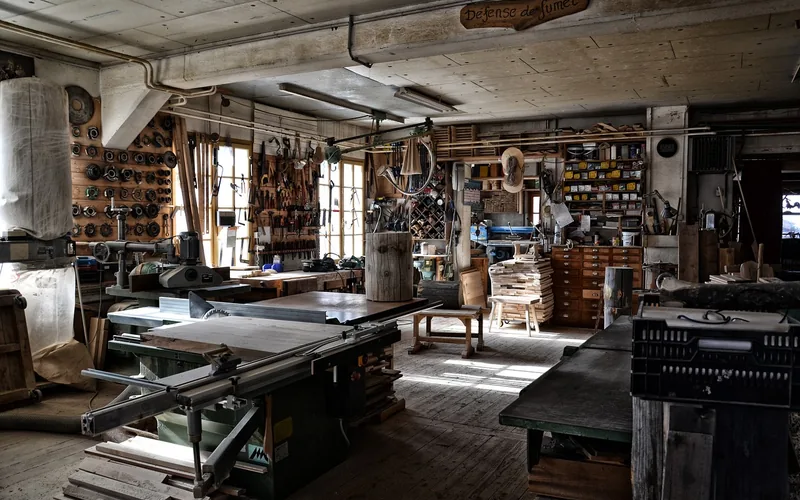
Engineered wood is the umbrella category, and it includes several distinct products. Plywood is the most common — thin layers of real wood veneer glued together with alternating grain direction for strength. MDF is also engineered wood, made from fine wood fibers and resin pressed into a dense, uniform sheet. Particleboard uses larger wood chips and less resin, making it the least dense and least expensive of the three. OSB (oriented strand board) uses larger wood strands for structural sheathing. Each fits different jobs based on strength, cost, and moisture tolerance.
Engineered wood is used in homes and buildings. Flooring often uses engineered wood. It looks nice and lasts long. Walls can also use it. It’s strong and can hold weight. Furniture is another common use. Tables and chairs are made from it. Easy to cut and shape. Engineered wood is also used in roofs. It helps keep homes safe and dry.
MDF vs. Plywood: The Real Comparison
MDF and plywood are both strong, but they’re built differently and used differently. MDF is a fiberboard pressed from fine wood fibers and resin — dense, smooth, and uniform, but it can chip or break at the edges if not handled carefully. Plywood is layers of real wood veneer glued with alternating grain direction, which makes it more resistant to warping and better at holding screws under load.
Both are made from wood byproducts rather than solid lumber, which reduces demand on old-growth trees. MDF uses recycled wood fibers, but the resin binding those fibers together contains formaldehyde. Plywood also uses formaldehyde-based adhesives in most cases, though typically less resin per unit volume than MDF because it’s bonded in fewer, thicker layers rather than dense fiber.
📊 Since 2018, the EPA’s TSCA Title VI rule requires hardwood plywood, MDF, and particleboard sold in the U.S. to be certified by a third-party certifier to formaldehyde emission limits matching California’s CARB Air Toxics Control Measure. — Source: U.S. Environmental Protection Agency, TSCA Title VI
Look for a “TSCA Title VI compliant” or “CARB2 compliant” stamp on the sheet’s edge label before buying — this confirms the specific panel meets the current formaldehyde emission limit, regardless of which material you choose.

Cost Considerations
MDF is usually cheaper than engineered wood. It is made from sawdust and resin. This makes it less expensive to produce. Engineered wood often costs more. It uses layers of real wood. This gives it a more natural look.
For people on a budget, MDF is a good choice. Engineered wood can be a bit pricey. But it offers better quality. It also has a more lasting appeal. Choosing between the two depends on what you need.
MDF may save money now. But it may not last as long. Engineered wood offers better durability. It can handle more wear and tear. This means it can be a better investment over time.
Families with kids might prefer engineered wood. It won’t scratch or dent easily. MDF might need more care. It is less resistant to damage. So, think about how long you plan to keep it.
Aesthetic Qualities
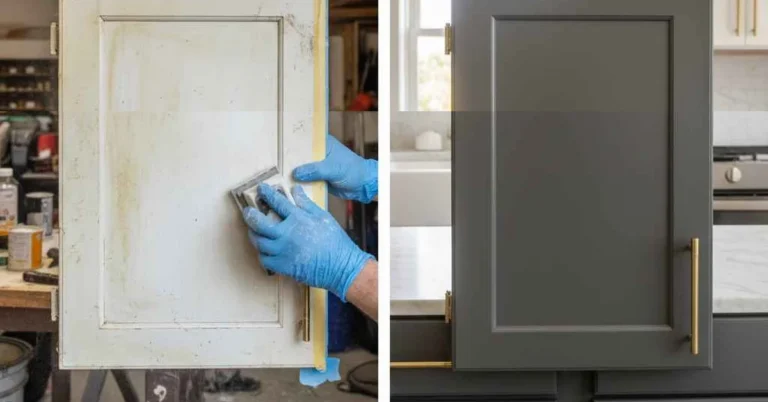
MDF has a smooth, even surface. It’s often used for painted finishes. You can create a sleek look with it. It holds paint well, making colors pop. Engineered wood can mimic real wood. It has grains and textures. This gives it a natural feel. It can look like oak or cherry.
Both materials offer design flexibility. MDF can be cut into shapes. It’s great for intricate designs. You can create patterns easily. Engineered wood allows for various finishes. You can choose different stains. This gives a unique look. Both materials adapt well to styles.
Choosing The Right Material
MDF and engineered wood are popular choices for projects. MDF is dense and smooth. It is great for painting. Engineered wood is strong and durable. It looks like real wood. Each has unique features. Consider your project needs carefully. MDF suits indoor projects well. Engineered wood is best for floors and outdoor use. Both have pros and cons. Choose based on your project’s demands.
Project-specific Recommendations
MDF is ideal for cabinets. It cuts easily. Use it for furniture and crafts. Engineered wood works for flooring. It resists moisture. Perfect for bathrooms and kitchens. Each serves different purposes. Think about where you will use them. MDF is not water-resistant. Engineered wood handles wet areas better. Your project type will guide your choice.
Pros And Cons Summary
| Material | Pros | Cons |
|---|---|---|
| MDF | Smooth surface, Easy to paint | Not water-resistant, Can swell |
| Engineered Wood | Durable, Looks like real wood | More expensive, Complex installation |
Frequently Asked Questions
What Are The Disadvantages For MDF?
MDF is prone to moisture damage and can swell easily. It lacks the natural wood grain appearance. It may not hold screws as well as solid wood. MDF can emit formaldehyde, a harmful chemical. It is heavier than plywood, making it harder to handle during installation.
Should I Avoid MDF Furniture?
MDF furniture is affordable and versatile, but it may not be as durable as solid wood. It can be susceptible to water damage and may emit formaldehyde. Consider your needs and budget when choosing MDF furniture. Ensure proper care and maintenance to prolong its lifespan.
What Are The Disadvantages Of Engineered Wood?
Engineered wood can be less durable than solid wood. It may warp or swell with moisture exposure. Limited refinishing options exist. Some products contain formaldehyde, posing health risks. It might not add as much property value as solid wood.
What Is Better Than Engineered Wood?
Solid hardwood is often considered better than engineered wood. It offers greater durability and can be refinished multiple times. Solid wood adds value and a timeless aesthetic to homes. It also provides natural insulation and soundproofing. However, solid wood can be more expensive and less resistant to moisture compared to engineered options.
Conclusion
MDF is engineered wood, not a competing category — the real choice is usually between MDF and plywood. MDF is cheaper and takes paint well, making it a good fit for indoor furniture and cabinets that won’t get wet. Plywood costs more but holds up to moisture and structural loads, making it the better choice for flooring, cabinets in kitchens or bathrooms, and anything load-bearing. Check for a TSCA Title VI or CARB2 compliance label on either material before buying.
Sponsored / affiliate links. As an Amazon Associate I earn from qualifying purchases. I may earn additional commission from eligible campaigns.