Does Burning Wood Preserve Wood? Examining the Science
A common question that pops up, especially for people starting out with woodworking, is: Does Burning Wood Preserve Wood? It might sound a bit confusing at first. After all, fire and preservation don’t always seem to go hand in hand. But, this topic has a surprising amount of science behind it! We’ll look at the different methods and explain why burning wood can, in certain ways, act as a preservative. Get ready to explore the fascinating world of wood treatment, step by step, and find out what to expect. What comes next will offer some amazing insights.
How Fire Affects Wood’s Durability
The relationship between fire and wood isn’t always straightforward. Most people think of fire as destructive, and that’s often true. However, controlled burning, or charring, can change the wood’s properties in ways that make it last longer. The heat alters the wood’s structure, affecting its resistance to decay. This technique has been used for hundreds of years. This process is not a replacement for traditional methods, but an additional tool to use.
Charring Techniques and Outcomes
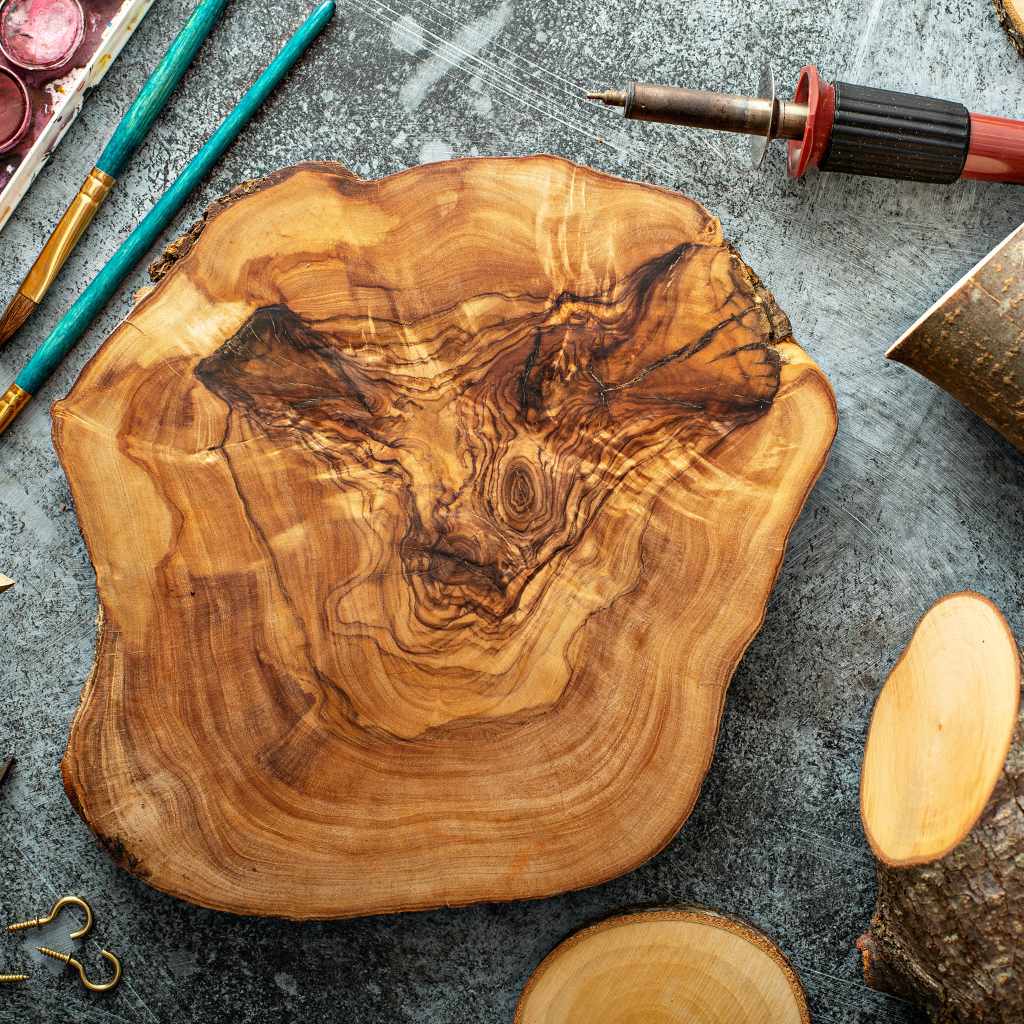
Charring is the controlled burning of wood’s surface. This process creates a layer of carbon. This layer is resistant to water, insects, and fungi. The method used influences the level of protection. Different charring techniques are suitable for various applications. For example, a light char might be enough for a small garden project, whereas a deeper char is required for more rugged applications. The goal is always to create a layer that provides protection without completely destroying the wood. Some techniques even employ specific wood species to produce varying levels of protection.
- Surface Charring: Involves burning the surface of the wood. The resulting layer offers basic protection against the elements and wood-boring insects. This method is often preferred for applications where the natural appearance of the wood is desired.
- Deep Charring: Involves a more intense burning process, affecting a deeper layer of the wood. This method offers enhanced protection and is often used for exterior applications that face severe weather.
- Torching: Uses a handheld torch to rapidly char the wood. This technique provides a quick way to achieve a charred effect, and is also sometimes called “yakisugi”.
The results of charring can vary depending on the wood species and the charring method used. For example, softwood species like pine and cedar tend to char more quickly than hardwoods like oak or maple. The depth of the char is also important. A deeper char provides greater protection. However, it also reduces the wood’s strength. There is often a trade-off. This is why it is essential to tailor your charring method to the specific project.
The Science Behind Wood Preservation
The science behind why burning wood preserves it involves understanding the chemical and physical changes. The main goal is to create a carbon-rich layer. This layer acts as a barrier, preventing moisture and insects from penetrating the wood. The heat also breaks down some of the wood’s organic compounds. This makes it less appealing to pests. Additionally, charring creates a physical barrier that slows down the decay process. The process is not about making the wood impervious to damage. Instead, the wood is changed into something more resistant to natural wear and tear.
- Cellulose Alteration: Heat breaks down cellulose and hemicellulose, the main components of wood cell walls. This transformation makes the wood more stable and less prone to water absorption.
- Lignin Modification: The lignin, another major component, is changed. This change makes it more resistant to fungal decay.
- Formation of Pyrolytic Carbon: The char itself is primarily pyrolytic carbon, a material resistant to biological attack and degradation.
These changes collectively create a protective layer. This layer reduces the wood’s vulnerability to decay and insect infestation. The charring process doesn’t make the wood indestructible, but it does significantly extend its lifespan. The level of protection also depends on the charring method, the wood species, and the environmental conditions.
Different Methods for Wood Preservation
There are multiple approaches to wood preservation, each with its own advantages and disadvantages. These methods range from traditional practices like charring to modern techniques that use chemical treatments. Choosing the right method depends on factors like the type of wood, its intended use, and the desired level of protection. Some methods are more suitable for outdoor use. Others are perfect for indoor projects. Every method has trade-offs in terms of cost, effectiveness, and environmental impact.
Comparing Charring to Other Methods
Charring is often compared to other methods of wood preservation, like using chemical treatments. Chemical treatments involve applying preservatives that are absorbed into the wood. This helps to protect it from decay and insect infestation. The advantage of chemical treatments is the consistent level of protection. However, there are also drawbacks, such as the use of potentially harmful chemicals. Charring, on the other hand, is a more natural method. It doesn’t use chemicals and is generally considered to be safer for the environment. However, the level of protection can vary. The char is also susceptible to wear. There are pros and cons to each approach.
| Method | Pros | Cons |
|---|---|---|
| Charring | Natural, chemical-free, insect-resistant | Protection can vary, surface wear, less effective on some wood types |
| Chemical Treatments | Consistent protection, highly effective | Uses chemicals, environmental impact, can be costly |
The choice between charring and chemical treatments is a trade-off between natural methods and consistent protection. Charring is a great choice when using chemicals isn’t ideal. Chemical treatments are a must when you need the utmost protection. It is a decision that often depends on the project’s specifics.
Natural Alternatives and Their Effectiveness
Beyond charring, there are several other natural methods for preserving wood. These methods avoid the use of harsh chemicals. One popular technique involves using natural oils, such as linseed oil or tung oil. These oils penetrate the wood and provide a degree of protection against moisture. They also help to enhance the wood’s natural grain. Another alternative is using wood species that are naturally resistant to decay, like cedar or redwood. These woods contain natural oils and resins. These work as preservatives.
- Wood Oils: Linseed oil and tung oil penetrate the wood, preventing moisture and enhancing the appearance.
- Natural Wood Species: Using cedar or redwood, which are naturally resistant to rot and insects.
- Heat Treatment: Subjecting wood to high temperatures, making it more stable and resistant to decay.
The effectiveness of natural alternatives can vary depending on the wood type and the environmental conditions. Natural methods are generally less potent than chemical treatments. However, they are a better choice in terms of environmental impact. It’s always important to select a method that suits the specific needs of your project.
Practical Applications and Real-World Examples
Understanding the practical applications of burning wood can bring these concepts to life. Charring has long been a part of many cultures. Many societies have used charring techniques. It is still used today in both modern and historical contexts. This section will explore real-world examples and the results achieved through charring. Seeing how others have applied the process offers a great perspective on its capabilities.
Case Studies: Charred Wood in Practice
One good example of charring’s use is in traditional Japanese architecture. The “yakisugi” technique, which involves charring cedar, is a perfect example of this. The charred wood is resistant to weather and insects, making it perfect for exterior cladding. This technique gives buildings a unique look. It is also an effective way to preserve wood.
- Yakisugi in Japanese Architecture: A famous technique for preserving cedar, enhancing its beauty and resilience to the elements.
- Charred Fencing: Provides durability, weather resistance, and a unique aesthetic, often used in outdoor settings.
- Outdoor Furniture: The charred wood gives furniture a distinctive appearance and protection against outdoor conditions.
Charring wood isn’t just a historic method. It’s a modern building technique. Charred wood is used in many ways, from building facades to outdoor furniture. The process gives the wood a distinctive look and excellent protection. In each case, charring extends the lifespan of the wood.
Scenario Planning and Best Practices
Consider the use of charred wood. The following scenarios offer useful information on different situations and the effectiveness of charring. Think of them as real-world scenarios that will offer some excellent tips and advice for you to use. It’s important to understand the different needs of each job. Also, it’s very important to know what kind of protection is needed.
- Scenario 1: Building a Fence: A homeowner decides to build a fence and is looking for a way to make it last. The charred wood method provides a durable and long-lasting barrier.
- Scenario 2: Creating Garden Planters: A gardener wants to build planters for their backyard. The charred wood creates beautiful planters that won’t easily decay.
- Scenario 3: Constructing a Deck: A homeowner wants a deck that can withstand rain and sun. The charred wood deck is durable and looks fantastic.
By understanding the practical applications and scenarios of burning wood, one can make informed choices. The charring method offers an effective means of protecting wood. From building a fence to making a garden, charring can ensure your wood projects last for many years to come.
Challenges and Considerations
Though burning wood can act as a preservative, there are several challenges to understand. It’s crucial to acknowledge these points before you start any project. This section offers an in-depth view of potential problems and how to solve them. Understanding these details will help you prepare and avoid common mistakes.
Dealing With the Risks of Fire
Fire is a powerful force, and it comes with inherent risks. Using fire requires caution and planning. The first step is always to take fire safety seriously. Make sure you have the right equipment. Also, be sure to follow local regulations and permits. Have a fire extinguisher and water source ready. Always stay with the fire until it’s completely out. Check wind conditions and avoid burning on dry days or near flammable materials. Safety is always the top priority.
- Fire Safety Equipment: Always keep a fire extinguisher and water nearby.
- Weather Conditions: Watch the wind and never burn wood on a dry, windy day.
- Legal Requirements: Always follow local regulations for open burning.
These precautions can help prevent accidents and ensure a smooth, safe charring process. You also need to control the charring process itself. This allows for even burning. You’ll need to know what to expect and have all the right tools to hand. With a little care, you can make the process safe and effective.
Wood Selection and Preparation
The type of wood you choose greatly impacts the outcome of charring. Certain wood types char better than others. Softwoods, like cedar and pine, char quickly. Hardwoods, such as oak and maple, are more challenging. It’s important to select wood that is suitable for charring. Consider the intended use and desired aesthetics.
- Wood Species: Softwoods generally char better and more evenly than hardwoods.
- Moisture Content: Properly dried wood is easier to char and prevents the wood from cracking or splitting.
- Surface Preparation: The wood’s surface should be clean and smooth for the best results.
Carefully selecting and preparing your wood will influence the results you get. It will also help you avoid unwanted problems. Taking the time to select and prepare your wood is an investment that will pay off in the final result.
Frequently Asked Questions
Question: Does charring make wood stronger?
Answer: No, the charring process often slightly reduces the wood’s overall strength, though the surface becomes more resistant to wear and tear.
Question: Is all wood suitable for charring?
Answer: Softwoods are generally more suitable for charring. They char more evenly. Hardwoods can also be charred, but it requires more skill and control.
Question: How long does charred wood last?
Answer: The lifespan of charred wood can be significantly extended, often lasting for many years, depending on the environment and use.
Question: Is charring environmentally friendly?
Answer: Charring is often considered more environmentally friendly than chemical treatments. It does not introduce harmful chemicals.
Question: Can I char wood myself?
Answer: Yes, you can char wood yourself, but you must take precautions and follow safety guidelines.
Final Thoughts
In the end, it’s fair to say that Does Burning Wood Preserve Wood? Indeed, fire can be a powerful tool when used correctly. Charring wood creates a protective layer that helps it to resist decay, insects, and the elements. This method has been used for centuries and is still relevant today. The process involves more than just setting wood on fire. It requires understanding the science behind the changes in the wood’s structure. Whether you’re working on a small garden project or a larger construction, charring can be a great choice. You may find that it’s a great choice for your needs. Always remember to prioritize safety and choose methods that suit the needs of your project. Explore the possibilities and discover the benefits of this time-honored preservation technique.