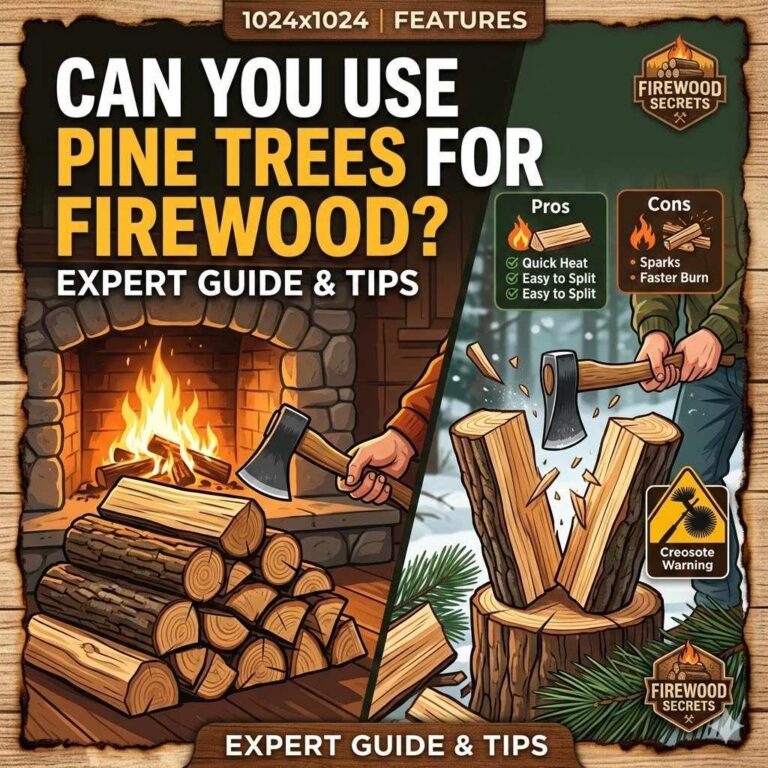
Does Pine Wood Burn Well Firewood Guide
When you’re thinking about starting a fire, a common question pops up: Does pine wood burn well? It’s a simple question that can feel a bit tricky for folks new to firewood. You want a warm, cozy fire, but you also want to know if pine will give you that.
Don’t worry! This guide is here to make it super simple. We’ll walk you through everything you need to know about pine as firewood, step-by-step, so you can light up your hearth with confidence.
Get ready to learn the basics and beyond!
Understanding Pine Wood For Fires
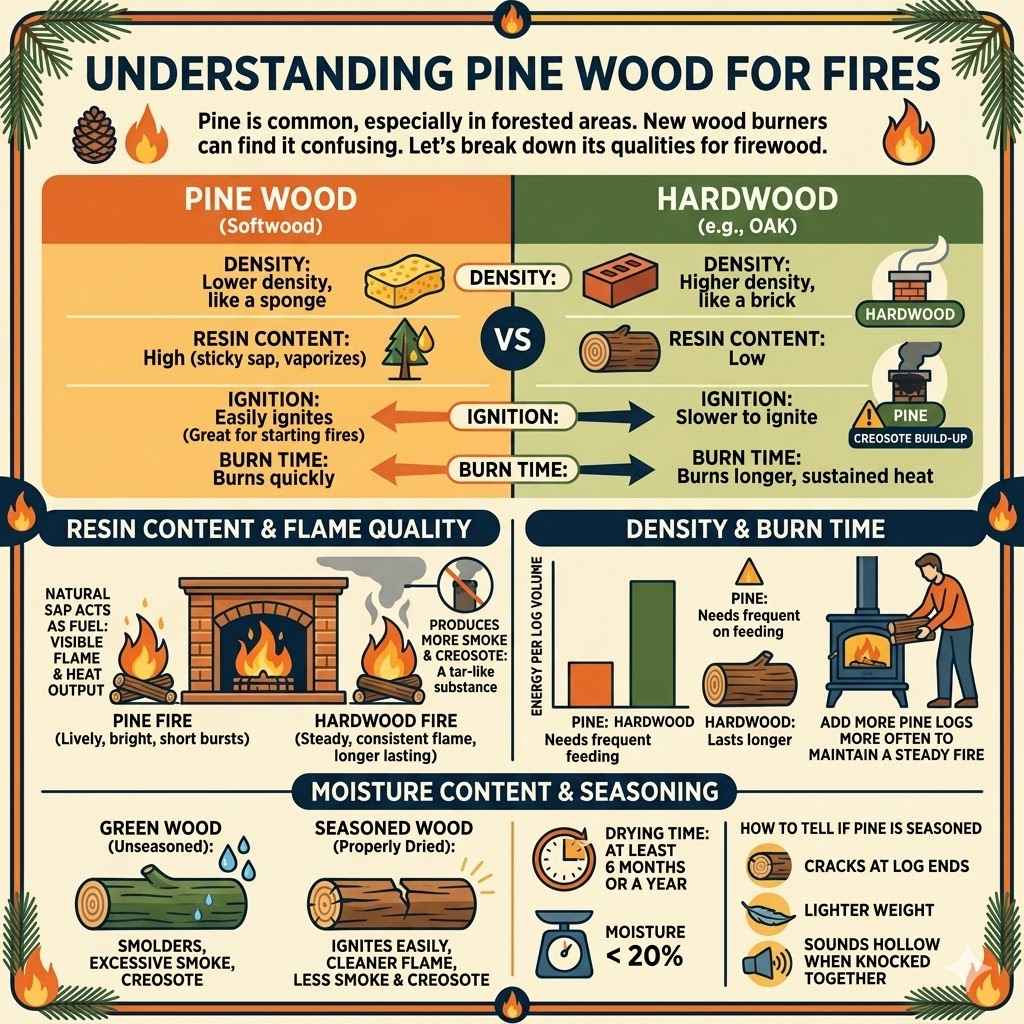
Pine is one of the most common types of wood people encounter, especially if they live in areas with pine forests. For anyone new to burning wood, figuring out if pine is a good choice can be confusing. This section breaks down what makes pine, well, pine, and how those qualities affect its performance as firewood.
We’ll look at its density, resin content, and how these factors influence how it burns, what kind of heat it produces, and how long it lasts.
What Makes Pine Wood Different
Pine is a softwood. This means it grows faster than hardwoods and is generally less dense. Think of it like a sponge versus a brick – pine is more like the sponge.
This lower density has a big impact on how it burns. It ignites easily, which is great for starting fires. However, because it’s less dense, it tends to burn through more quickly than hardwoods.
The resin content in pine is also a key characteristic. This sticky sap, called resin or pitch, helps pine resist insects and disease. When you burn pine, this resin vaporizes and can create a bright, lively flame.
It also means pine can produce a lot of smoke and creosote. Creosote is a tar-like substance that can build up in your chimney. This is something to be aware of when choosing pine for your fire.
Resin Content And Flame Quality
The high resin content in pine wood is directly responsible for its characteristic bright and often lively flame. This natural sap acts as a fuel source itself, contributing to the visible flame and heat output. While it makes for a visually appealing fire, it also means that pine burns faster and hotter in short bursts.
This rapid burning can be beneficial for quickly getting a fire going or for producing a quick burst of heat. However, it also means that pine logs don’t last as long as denser woods, requiring more frequent feeding to maintain a consistent fire. The vaporized resin is also a major contributor to smoke production.
Density And Burn Time
Pine wood is classified as a softwood. Softwoods are generally less dense than hardwoods. This means that a given volume of pine wood will weigh less than the same volume of a hardwood like oak.
The density of firewood directly impacts how long it burns. Denser woods have more energy packed into each piece, so they burn longer and provide more sustained heat. Pine, being less dense, burns more quickly.
This means you’ll need to add more pine logs to your fire more often compared to hardwoods to keep the fire going at a steady rate.
Moisture Content And Seasoning
The moisture content of any firewood is extremely important. Green wood, or wood that has not been properly dried, will not burn well at all. It will smolder, produce a lot of smoke, and create excessive creosote.
Properly seasoned wood has been dried for at least six months, and often a year or more, to reduce its moisture content to below 20%.
Pine is no exception. For pine wood to burn well, it must be well-seasoned. Seasoned pine will ignite more easily, burn with a cleaner flame, and produce less smoke and creosote than green pine.
You can often tell if pine is seasoned by looking for cracks at the ends of the logs and by its lighter weight compared to green wood. It will also sound hollow when you knock two pieces together.
Does Pine Wood Burn Well A Detailed Firewood Guide
The question “Does Pine Wood Burn Well? Firewood Guide” is a frequent one for many who are new to heating their homes or enjoying campfires. Pine’s prevalence and lower cost often make it an attractive option, but its characteristics differ significantly from denser hardwoods.
This section delves into the specifics of how pine burns, its advantages, and its disadvantages as a firewood. We will explore the science behind its combustion, compare it to other wood types, and provide practical advice for burning pine effectively.
The Pros Of Burning Pine
Pine wood offers several appealing benefits for those looking to build a fire. Its ease of ignition is a major plus, making it an excellent choice for starting fires quickly. When you need to get a blaze going in a hurry, pine can be your best friend.
Another advantage is its availability and cost. Pine trees grow relatively fast and are abundant in many regions, often making pine firewood more affordable and easier to find than hardwoods. This can be a significant factor for budget-conscious individuals or those who need large quantities of firewood.
Ease Of Ignition
One of the most significant advantages of pine firewood is how easily it ignites. Because pine is a softwood and contains a good amount of resin, it catches fire quickly and with minimal effort. This makes it an ideal choice for starting your fire.
If you’ve ever struggled to get a fire going with damp or stubborn wood, you’ll appreciate how fast pine springs to life. A few small pieces of pine, often called kindling, can get a fire started efficiently, providing a base of hot coals that can then be used to ignite larger, denser logs. This rapid ignition saves time and frustration.
Availability And Cost
Pine trees are fast-growing and widespread across many parts of the world. This abundance translates into a more readily available supply of pine firewood. You’ll often find that pine is easier to source locally compared to many hardwood varieties.
Furthermore, this widespread availability and faster growth rate typically make pine firewood more economical. It can be a significantly cheaper option than denser hardwoods, making it an attractive choice for people looking to heat their homes or enjoy outdoor fires without a hefty expense.
Bright And Lively Flames
The resin within pine wood, when heated, vaporizes and burns readily. This process creates a bright, often dancing, and lively flame. Many people find this visual aspect of a pine fire quite appealing, adding to the ambiance of a cozy evening.
The quick combustion of both the wood and its resins leads to a rapid heat output initially. This can be very satisfying when you first build a fire and want to feel the warmth quickly. The bright flames contribute to the perception of a powerful and energetic fire.
The Cons Of Burning Pine
While pine has its advantages, it also comes with notable drawbacks that are important to consider. Its fast burning nature means it doesn’t provide long-lasting heat, and its resinous content can lead to issues if not managed properly.
The tendency for pine to spark and pop can also be a concern, especially indoors. Additionally, the creosote buildup in chimneys is a significant safety issue that requires attention. Understanding these cons helps in making informed decisions about using pine firewood.
Fast Burn Rate
As a softwood, pine burns much faster than denser hardwoods. This means that while it produces heat quickly, it also consumes itself rapidly. You will find yourself adding more logs to your fire much more frequently to maintain a consistent temperature.
For an all-night burn, pine is generally not the best choice. It’s more suited for shorter fires, like campfires or quick bursts of heat. If you are looking for firewood that will keep your home warm for extended periods, you will likely need to supplement pine with slower-burning hardwoods.
Sparking And Popping
Pine wood, especially when it contains pockets of resin, can be quite prone to sparking and popping. This is due to the rapid expansion of moisture and resin within the wood as it heats up. These sparks can fly out of a fireplace or fire pit.
This characteristic makes pine less ideal for open fireplaces or areas where stray embers could be a fire hazard. Using a fire screen for indoor fires is highly recommended when burning pine. For outdoor fires, be sure to keep a safe distance and have water or sand nearby.
Creosote Buildup
The high resin and volatile organic compounds in pine wood, combined with its often faster burn rate which can lead to incomplete combustion, contribute to significant creosote formation. Creosote is a black, tar-like residue that coats the inside of your chimney.
This buildup is a serious fire hazard. Creosote is highly flammable, and if a significant amount accumulates, it can ignite, causing a dangerous chimney fire. Regular chimney cleaning is essential, and it’s even more critical when burning a lot of pine.
Lower Heat Output Per Volume
While pine burns hot initially, the overall heat output from a cord of pine is generally lower than from a cord of hardwood. This is directly related to its lower density. Less wood mass means less stored energy.
So, while pine might be cheaper per cord, you might find yourself needing more cords of pine over a winter to achieve the same amount of heat as you would from a smaller amount of hardwood. This can offset some of the initial cost savings, especially for primary heating.
Does Pine Wood Burn Well For Different Uses?
The answer to “Does Pine Wood Burn Well?” really depends on what you’re using the fire for. Pine excels in some situations but falls short in others. This section will explore the best uses for pine firewood, from starting campfires to supplementing your home heating.
We’ll look at scenarios where its quick burn and bright flames are an advantage and where its drawbacks become more apparent.
Pine For Campfires And Outdoor Fires
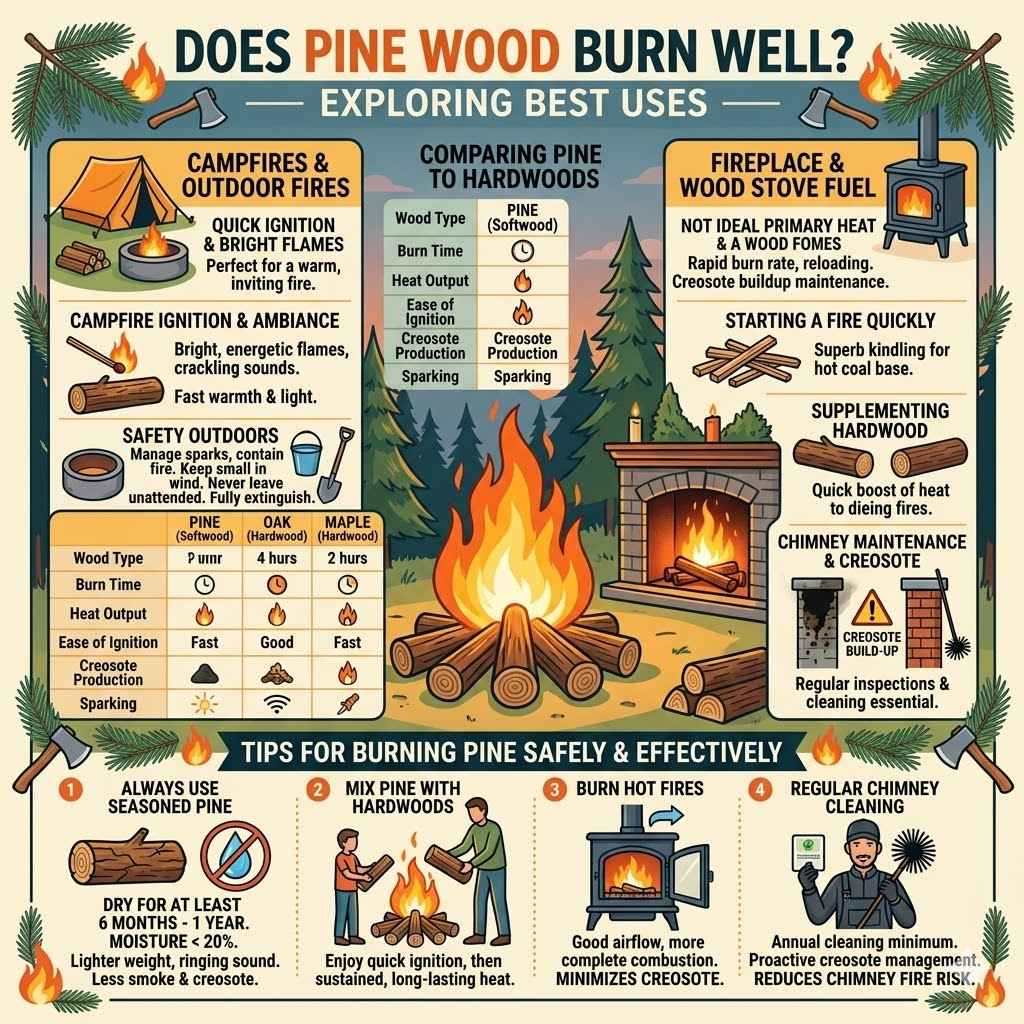
Pine is often considered an excellent wood for campfires and outdoor fire pits. Its ability to ignite quickly and produce bright flames makes it perfect for quickly building a warm and inviting fire. The popping and crackling also add to the rustic charm of an outdoor fire experience.
For a temporary fire that needs to be built and extinguished easily, pine is a great choice. It’s readily available at many campgrounds and outdoor supply stores. Just remember to manage sparks and ensure the fire is fully out before leaving.
Campfire Ignition And Ambiance
When you’re out camping, the last thing you want is to struggle with getting your fire started. Pine’s soft nature and resin content mean it catches a spark from a match or lighter very easily. This is especially helpful if conditions are a bit damp.
The bright, energetic flames of pine also contribute to the classic campfire atmosphere. The crackling and popping sounds are often associated with outdoor fires, adding to the overall experience. It provides quick warmth and light, perfect for enjoying the outdoors as the sun sets.
Safety Considerations Outdoors
While pine is great for campfires, its tendency to spark and pop needs careful attention. Always ensure your campfire is contained within a designated fire ring or pit. Keep a bucket of water and a shovel nearby to manage any stray embers.
Be mindful of wind conditions. If it’s windy, the sparks can travel further, increasing the risk of the fire spreading. It’s wise to keep your campfire smaller in windy conditions.
Also, never leave a campfire unattended, and make sure it is completely extinguished before you leave the area.
Pine As A Fireplace Or Wood Stove Fuel
Burning pine in a fireplace or wood stove presents a different set of considerations. While it can be used, it’s often not the primary fuel source for long-term heating. Its rapid burn rate means you’ll be reloading the stove more often, and the creosote buildup requires vigilant maintenance.
Pine can be excellent for getting a fire started quickly in a wood stove. Once the stove is hot and you have a good bed of coals, you can then add denser hardwoods for a longer, more sustained burn. Using pine primarily for heating might lead to more frequent chimney cleaning and a higher overall wood consumption.
Starting A Fire Quickly
In a fireplace or wood stove, pine is a superb kindling. A few small pieces of dry, seasoned pine can help you establish a hot bed of coals rapidly. This is particularly useful on colder mornings when you want to get the heat going as soon as possible.
Once the main chamber of your stove is warm, and you have established a good coal base, you can then introduce larger, denser logs of hardwood. This combination approach leverages pine’s quick ignition and the long-lasting heat of hardwoods for efficient and effective heating.
Supplementing Hardwood Fires
Many people use pine as a supplementary fuel alongside hardwoods. You might use pine at the beginning of the burn or when you need a quick boost of heat. For example, if your fire has died down, adding a few pieces of pine can quickly bring the temperature back up.
This method allows you to benefit from pine’s rapid heat production without solely relying on it for sustained warmth. It’s a practical way to manage your firewood supply, especially if you have a mix of softwood and hardwood available.
Chimney Maintenance And Creosote Management
The most significant concern when burning pine in a fi
Regular inspections and cleanings by a certified chimney sweep are essential. You might need more frequent cleanings if you burn a lot of pine. Using a chimney cleaner product designed to reduce creosote buildup can also be helpful.
Ensure your stove and chimney are operating efficiently to promote complete combustion and minimize creosote.
Comparing Pine To Hardwoods
Understanding how pine stacks up against hardwoods is key to making the best firewood choices. Hardwoods, like oak, maple, and hickory, are denser and burn longer, producing more consistent heat. Softwoods, like pine, fir, and spruce, burn faster and hotter initially.
The choice between pine and hardwood often comes down to your specific needs and priorities. If you need a quick fire or are on a budget, pine might be suitable. For long-lasting heat and efficiency, hardwoods are generally preferred.
| Wood Type | Burn Time | Heat Output | Ease of Ignition | Creosote Production | Sparking |
|---|---|---|---|---|---|
| Pine (Softwood) | Fast | Moderate (initially hot) | Very Easy | High | High |
| Oak (Hardwood) | Slow | High and Sustained | Moderate | Low | Low |
| Maple (Hardwood) | Medium-Slow | High | Moderate | Low to Medium | Low |
Heat Value Comparison
The heat value of firewood is often measured in British Thermal Units (BTUs) per cord. Denser hardwoods generally have a higher BTU output per cord compared to softwoods like pine. This means that for the same amount of wood volume, a hardwood will provide more total heat energy.
For example, a cord of oak might produce around 25-29 million BTUs, while a cord of pine might produce only 15-20 million BTUs. This difference in heat value is a primary reason why hardwoods are often preferred for primary heating purposes, as they provide more warmth for the volume of wood burned.
Ash Production
The amount of ash left behind after burning can also vary between wood types. Softwoods like pine tend to produce less ash compared to some hardwoods. Hardwoods, due to their denser structure and mineral content, can leave behind a more substantial amount of ash.
While less ash can mean less frequent cleaning of your firebox, it’s not always a direct indicator of better burning. The primary concerns with pine remain its fast burn rate and creosote production.
Tips For Burning Pine Safely and Effectively
If you’ve decided to use pine firewood, or if it’s your primary option, there are ways to make it work well for you. The key is to manage its properties, especially its tendency to burn fast and produce creosote. Seasoning is paramount, and understanding how to combine it with other woods can maximize its benefits.
Always ensure your pine is well-seasoned. This means it should have been cut, split, and dried for at least six months, ideally a year or more, until the moisture content is below 20%. Unseasoned pine will smoke excessively and produce even more creosote.
Always Use Seasoned Pine
The single most important factor for burning any firewood, including pine, is proper seasoning. Green or unseasoned pine contains a high percentage of water, sometimes up to 50%. This water has to evaporate before the wood can actually burn, which wastes energy and produces a lot of steam and smoke.
Seasoned pine will be lighter, often show cracks on the ends of the logs, and make a clear, ringing sound when knocked together. Burning seasoned pine leads to a hotter fire, less smoke, and importantly, significantly less creosote buildup in your chimney compared to green wood.
Mix Pine With Hardwoods
A smart strategy for using pine is to mix it with hardwoods. Start your fire with pine to get it going quickly. Once you have a good bed of coals, add hardwood logs.
The hardwood will burn longer and more steadily, providing consistent heat, while the pine helps maintain the fire’s intensity.
This approach allows you to enjoy the benefits of pine, like fast ignition and bright flames, without being penalized by its short burn time or excessive creosote. It’s an efficient way to heat your home or enjoy an outdoor fire.
Burn Hot Fires
To minimize creosote and maximize efficiency when burning pine, aim to burn hot fires. This means ensuring good airflow to the fire. In a wood stove, this typically involves opening the air vents sufficiently.
A hot fire burns more completely, vaporizing more of the wood’s compounds and reducing the amount of creosote deposited.
When you burn at lower temperatures, more unburned particles and resins are released, which then condense in the cooler parts of your chimney to form creosote. Therefore, encouraging a vigorous, hot burn when using pine is a good practice for safety and efficiency.
Regular Chimney Cleaning
Because pine produces more creosote than many hardwoods, you must commit to more frequent chimney inspections and cleanings. Annual cleaning is a minimum standard for most fireplaces and stoves, but if you burn a significant amount of pine, you may need to have your chimney cleaned more often.
A chimney fire is a dangerous event that can cause significant damage to your home. By proactively managing creosote buildup, especially when using pine, you significantly reduce this risk and ensure the safe operation of your heating system.
Frequently Asked Questions
Question: Is pine wood a good choice for heating my home?
Answer: Pine can be used for heating, especially when mixed with hardwoods. It ignites quickly but burns fast, meaning you’ll need to reload your stove more often. For sustained, long-term heat, hardwoods are generally better.
Be aware that burning a lot of pine requires more frequent chimney cleaning due to creosote buildup.
Question: How long does seasoned pine wood burn?
Answer: Seasoned pine wood burns relatively quickly, typically for about 30-60 minutes per log, depending on its size and the heat of the fire. It’s best for getting a fire started or for short bursts of heat rather than an all-night burn.
Question: Does pine wood produce a lot of smoke?
Answer: Yes, pine wood can produce a fair amount of smoke, especially if it is not fully seasoned or if the fire is not burning hot. The resin content contributes to smoke production. Burning seasoned pine in a hot fire with good airflow will help minimize smoke.
Question: Can I use pine for cooking over a fire?
Answer: While pine can be used for campfires, it is generally not recommended for cooking. The resin and sap in pine can impart an unpleasant flavor to food. It also burns quickly and can produce a lot of smoke, making it difficult to control for cooking purposes.
Question: What is the best way to store pine firewood?
Answer: Store pine firewood off the ground on a pallet or rack, and cover the top of the woodpile with a tarp, leaving the sides open for air circulation. This allows the wood to continue drying and prevents it from absorbing moisture from the ground or rain.
Conclusion
So, does pine wood burn well? Yes, it does, but with important caveats. Pine ignites easily and provides bright flames, making it excellent for starting fires and for enjoyable outdoor campfires.
However, it burns quickly and produces more creosote, requiring diligent chimney maintenance and often best used in combination with hardwoods for home heating.