Does Pine-Sol Damage Hardwood Floors? The Chemistry Behind the Risk
The short answer: original Pine-Sol Multi-Surface Cleaner isn’t built for hardwood, and Clorox’s own label says not to use it on unfinished, unsealed, waxed, oiled, or worn wood. On a properly sealed polyurethane floor it’s officially allowed when heavily diluted — but the surfactant-and-acid formula that cuts grease so well on a countertop is also the reason repeated use can leave a sealed floor looking hazy over time. Here’s the actual chemistry behind that, what Clorox’s label really requires, and when a dedicated wood-floor cleaner is the smarter call.
What’s Actually in Pine-Sol’s Formula
Pine-Sol-Free Pick for Sealed Hardwood
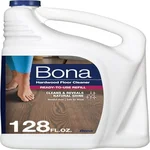 |
Bona Hardwood Floor Cleaner Refill (128 oz) – $19.98 Skips the surfactant-and-acid mix this article breaks down below, so there’s no dilution math and no risk of the haze that comes with repeated Pine-Sol use.
|
Pull up the current SmartLabel ingredient disclosure for Original Pine-Sol Multi-Surface Cleaner and pine oil isn’t even on the list anymore. The active ingredients are two grease-cutting surfactants (an alcohol ethoxylate and a secondary alkyl sulfonate), glycolic acid, xanthan gum as a thickener, caramel color, and fragrance — the “pine” scent today comes from added fragrance, not from pine oil as the working cleaning agent the way the original 1929 formula was. It also doesn’t contain bleach; Clorox’s own safety data sheet actually warns against mixing it with bleach-based products because of the fumes that reaction produces, which only makes sense if Pine-Sol itself isn’t one.
That formula makes sense for a countertop or a sealed tile floor. On hardwood, it’s a different story, because the same ingredients that cut through kitchen grease are also mild solvents and a mild acid sitting on top of a polymer coating.
Why Repeated Use Can Dull a Polyurethane Finish
Glycolic acid is the same category of ingredient used in mild chemical exfoliants — it’s a weak organic acid, not a harsh one, but it’s still an acid sitting in a water-based solution. A polyurethane finish is a clear plastic-like film, and mild acids combined with surfactants can gradually break down the surface tension and clarity of that film with repeated contact, especially if the cleaner is used at full strength, applied too often, or left to air-dry instead of being wiped up.
That’s the actual mechanism behind the “Pine-Sol dulls my floor” complaints you’ll find in flooring forums: not one dramatic reaction, but a slow, cumulative etching of the topcoat’s clarity that shows up as a hazy or streaky look after months of use. It’s a similar story to what happens with a lot of other multi-surface cleaners on a wood finish, not something unique to this one brand.
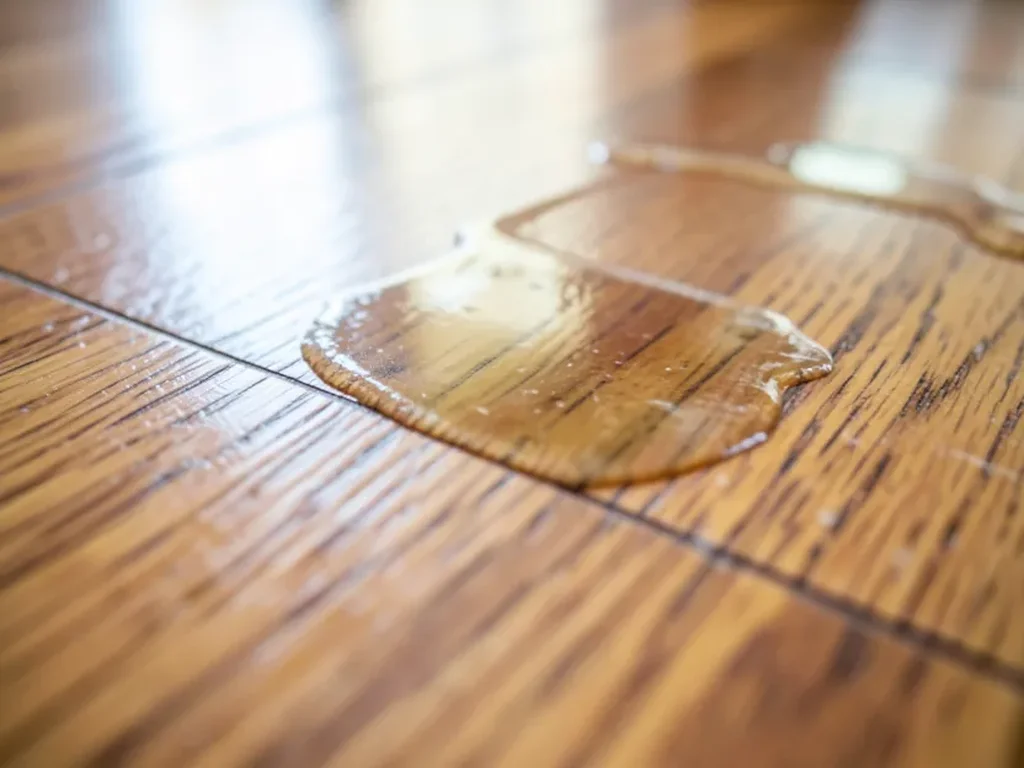
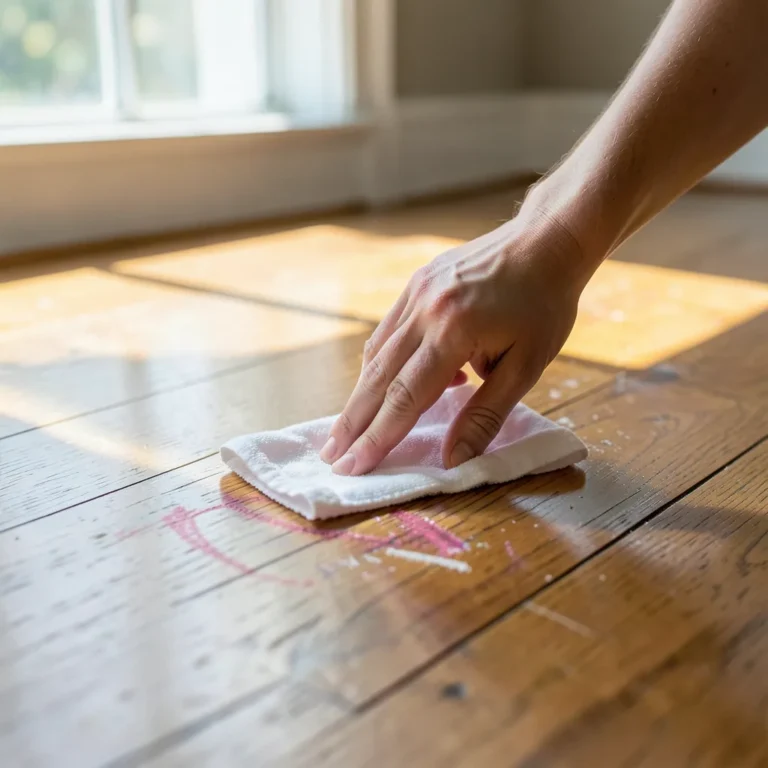
Moisture itself compounds the problem. Any liquid, including plain water, that sits on hardwood too long can seep between boards and cause swelling, cupping, or gaps as the wood dries back out. A cleaner that isn’t wiped up promptly is giving you two risks at once: chemical etching of the finish and physical moisture damage to the wood underneath it.
What Clorox’s Own Label Actually Says
This part gets lost in most “can you use Pine-Sol on wood floors” articles: Clorox’s own label for Original Pine-Sol Multi-Surface Cleaner is specific, not vague. It reads, in substance, that the product should not be used on marble, aluminum, copper, or wood that is unfinished, unsealed, unpainted, waxed, oiled, or worn. For sealed, finished wood in good condition, the label allows it — but only diluted, and only without letting puddles sit on the surface.
The label’s dilution guidance is about 1/8 cup of the concentrated formula per gallon of water, or roughly 1/4 cup if you’re using the standard (non-concentrated) bottle. That’s a genuinely light solution — noticeably weaker than what a lot of people eyeball when they’re just splashing some into a mop bucket. If your floor’s finish is already worn, cracked, or has bare spots, none of this applies to you: the label’s “unfinished or worn” exclusion means Pine-Sol shouldn’t touch that floor in any dilution.
Signs Pine-Sol May Already Be Affecting Your Floor
If you’ve been using it for a while and want to check before doing anything else, look for these in good daylight, not under artificial light that can hide dullness:
- A hazy or cloudy film instead of a clear reflection, especially in high-traffic paths where cleaning happens most often
- Streaking that reappears no matter how carefully you mop, which usually means residue is building up in the finish rather than sitting on top of it
- A slightly tacky feel underfoot after the floor has fully dried
- Faint discoloration in a pattern that matches where cleaner tends to pool, like room corners or under furniture legs where it doesn’t get wiped as quickly
None of these mean the wood itself is ruined. They mean the topcoat is degrading, which is a finish problem you can usually fix with a light screen-and-recoat rather than a full sand-down — but it’s also your cue to switch cleaners before it gets worse.
Does Any of This Apply to Engineered Wood or Laminate?
It depends on which one you actually have, and the two get confused constantly. Engineered hardwood has a real wood veneer on top, finished with the same kind of polyurethane topcoat as solid hardwood, so everything above applies to it the same way — sealed and in good condition, diluted Pine-Sol is within label guidance; unfinished or worn, it isn’t.
Laminate flooring is a different material entirely: a printed image layer under a hard melamine wear layer, with no real wood or polyurethane finish to etch. Pine-Sol’s label is generally more permissive here, but the moisture rule gets stricter, not looser — laminate’s core is compressed fiberboard, and water that gets past the wear layer at a seam causes swelling that can’t be sanded out the way a solid wood floor sometimes can. If you’re not sure which one is under your feet, treat it like sealed hardwood: dilute heavily and dry it fast.
If You’ve Decided to Use It Anyway
Some readers land here already knowing they’re going to reach for the Pine-Sol bottle regardless, usually because it’s what’s already under the sink. If that’s you, we’ve laid out the exact dilution ratio, mopping technique, and dry-time steps that keep the risk as low as it can be in our Pine-Sol mopping safety protocol. This page is about the chemistry of why the risk exists in the first place; that one is the practical how-to if you’re mopping today.
The short version, either way: dilute well below what looks “strong enough,” apply with a barely-damp mop rather than pouring anything directly on the floor, and dry the surface immediately afterward instead of letting it air-dry. Skip it entirely on anything unfinished, waxed, oiled, or visibly worn.
Frequently Asked Questions
Does Pine-Sol contain bleach that could damage hardwood?
Answer: No. Original Pine-Sol Multi-Surface Cleaner does not contain sodium hypochlorite (bleach). Clorox’s own safety documentation actually warns against mixing it with bleach-based products, since that combination can release hazardous fumes — a reaction that wouldn’t make sense if the product itself were bleach-based.
Is diluted Pine-Sol actually safe on a sealed polyurethane floor?
Answer: Clorox’s own label allows it on sealed, finished wood in good condition, at roughly 1/8 cup (concentrated) or 1/4 cup (regular) per gallon of water, wiped dry rather than left to sit. It’s allowed, not necessarily ideal — repeated use can still gradually haze the finish over months, which is why most flooring pros suggest a dedicated pH-neutral hardwood cleaner for routine mopping instead.
What does Pine-Sol’s label say about unfinished or waxed wood?
Answer: The label explicitly excludes wood that is unfinished, unsealed, unpainted, waxed, oiled, or worn. On any of those surfaces, the solvents and acid in the formula have direct contact with bare or softer wood/wax rather than a hard polyurethane barrier, and the risk of visible damage goes up significantly.
What’s actually causing the hazy look on my floor if it’s not bleach damage?
Answer: It’s almost always a combination of surfactant/acid residue building up in the topcoat and moisture that wasn’t dried quickly enough, not a single chemical burn. That combination gradually dulls the finish’s clarity rather than damaging it all at once, which is why the haze tends to show up only after weeks or months of repeated cleaning.
Bottom Line
Pine-Sol isn’t a bleach-based cleaner and it isn’t automatically ruinous on hardwood — but it also isn’t a hardwood-specific product, and its own label draws a hard line at unfinished, unsealed, waxed, oiled, or worn wood. On a healthy sealed floor, heavily diluted and dried promptly, occasional use is genuinely fine by Clorox’s own instructions. For routine cleaning, a pH-neutral cleaner built for wood removes the guesswork and the slow-haze risk entirely.
Sponsored / affiliate links. As an Amazon Associate I earn from qualifying purchases. I may earn additional commission from eligible campaigns.