Can Pine Be Used Outside If Painted? Here’s the Honest Answer
Can pine be used outside if painted? Yes — properly painted pine holds up fine outdoors for trim, planters, furniture, and other non-ground-contact projects. But there’s a catch most guides leave out: paint is a surface barrier, not a preservative. It protects pine only as long as the film stays intact. The moment it cracks, chips, or gets punctured, the wood underneath has zero backup protection — which is exactly why the cut ends of a board (the end grain) rot first, and why painted pine still isn’t a stand-in for pressure-treated lumber in ground contact or constant moisture. Here’s the honest breakdown, including the one prep step almost every “yes, just paint it” article skips.
The Short Answer: Yes, But Paint Isn’t a Preservative
Painted pine works outdoors when it’s fully sealed on every surface, including the ends, and when it isn’t sitting in dirt or standing water. That covers fence pickets, window trim, birdhouses, planter boxes (with a liner), porch furniture, and similar projects. What paint does not do is chemically change the wood the way pressure treatment does. Pressure-treated (PT) lumber has preservative chemicals forced deep into the wood fibers under pressure, so the wood itself resists rot and insects even if the surface finish eventually fails. Paint just sits on top. It’s a great weather shield right up until it isn’t — a hairline crack, a scuffed corner, or a missed spot is a direct path for moisture straight into unprotected wood, with nothing behind the paint to slow decay down.
That distinction is the real answer to “can pine be used outside if painted” — not a flat yes or no, but “yes, for the right application, with paint doing a barrier job that pressure treatment does chemically.” Keep that in mind as you plan the project, and pick the right primer for the job below.
Best All-Purpose Primer for Bare Exterior Pine
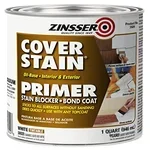 |
Zinsser Cover-Stain Oil-Based Primer – $20.47 An oil-based primer that actually penetrates pine’s open grain instead of just sitting on the surface — the right foundation before painting pine for outdoor use.
|
The End-Grain Detail Most Guides Skip
Wood doesn’t absorb moisture evenly. Look at a board under a microscope and the end grain — the cut cross-section at each end of a board — is basically a bundle of open straws pointing straight at the weather. Water moves through end grain roughly 10 to 15 times faster than it does through the flat face of a board. That’s true of any wood, pine included, and it’s the single biggest reason painted pine projects fail at the corners and joints first, not in the middle of a flat panel. Most DIY guides tell you to “paint all sides” and stop there, without mentioning that the ends need extra attention, not just an extra coat brushed on the same way as everywhere else.
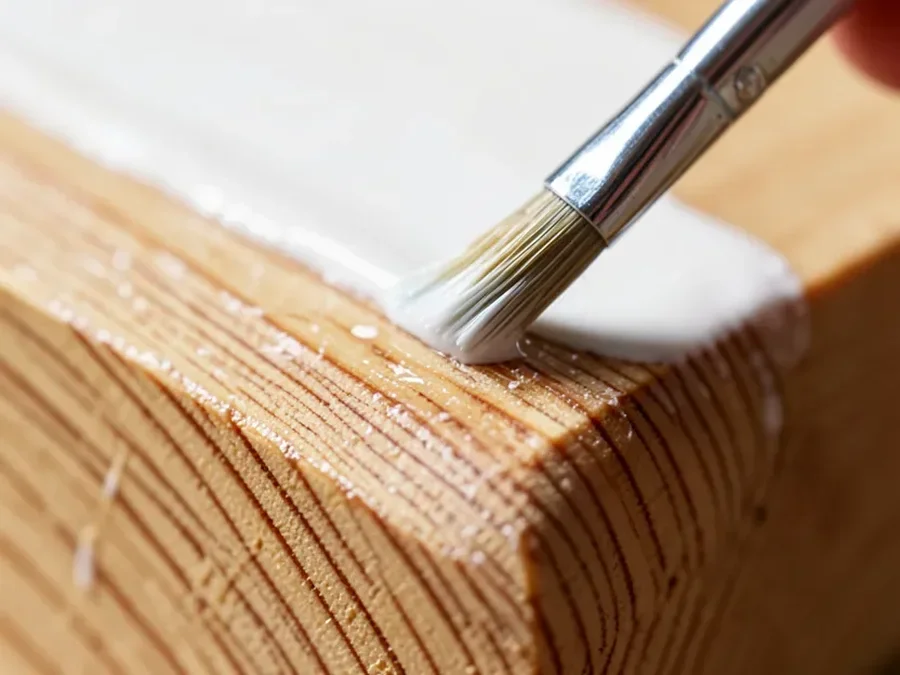
Here’s what actually sealing end grain looks like in practice:
- Prime the ends first, and prime them twice. Before you even prime the rest of the board, brush two coats of primer onto every cut end and let each coat soak in and dry fully. The end grain will drink the first coat almost dry — that’s normal, and it’s why one pass isn’t enough there even if one pass is fine on the flat faces.
- Don’t forget cut ends made after painting. If you trim a painted board to length later, that fresh cut is bare, unsealed wood. Re-prime and repaint any new cut immediately — it’s now the most vulnerable spot on the whole piece.
- Pay extra attention to joints and fasteners. Screw holes, miter joints, and butt joints expose small amounts of end grain or short grain even on an otherwise flat-painted piece. A bead of exterior-grade caulk at tight joints, plus primer before assembly, keeps water from wicking in at these gaps.
Painted Pine vs. Pressure-Treated: What Each Actually Protects Against
This is the part most “can pine be used outside if painted” articles gloss over with an unqualified yes. Painted pine and pressure-treated lumber protect wood through two completely different mechanisms, and knowing which one you’re relying on matters for where you use each.
- Painted pine: The paint film physically blocks moisture and UV from reaching the wood. The wood itself is untreated and just as appealing to rot fungi and insects as any other pine — it’s protected only because the paint is standing between the wood and the weather. Damage the paint, and that protection is gone at that exact spot.
- Pressure-treated pine: Preservative chemicals (typically copper-based compounds today) are forced into the wood fibers under pressure, well below the surface. The wood chemically resists decay and insect damage even where the surface finish is scratched, worn, or never applied at all. That’s why PT lumber is the standard for deck framing, fence posts, and anything touching soil.
In plain terms: paint is a raincoat, pressure treatment is a vaccine. A raincoat works great until it tears. A vaccine keeps working even if you get a little wet. For anything in constant ground contact or standing water — deck posts, fence posts set in concrete, sill plates, planter boxes without a liner — painted pine is not an adequate substitute for PT lumber, no matter how many coats of paint go on. For everything above grade and out of standing water, painted pine (properly sealed, end grain included) is a legitimate, budget-friendly choice.
How to Properly Paint Pine for Outdoor Durability
Once you know where painted pine is appropriate, the prep work is what determines whether it lasts three years or fifteen. Rush this part and even the best exterior paint won’t save the project.
- Let the pine acclimate and dry. Kiln-dried pine from the lumber yard can still be sitting above 12-15% moisture content. Give it a few days in a dry, covered space before painting so the wood isn’t trapping moisture under the new paint film.
- Sand with 120-150 grit, then 220 grit. Sand with the grain, not across it. This opens the surface enough for primer to grip without leaving visible scratches under the finish coat.
- Prime every surface, end grain twice (see above). Use an exterior-rated oil-based primer for whole-surface coverage. For resin-heavy knots specifically, spot-prime them first with a shellac-based stain blocker — a straight oil-based primer alone often isn’t enough to stop knot bleed-through long-term, and treating it as a quick two-product step up front saves a repaint down the line.
- Caulk joints and fill gaps before the topcoat. A paintable exterior caulk at seams keeps water from wicking into joints from the back side, where you can’t see it happening.
- Apply two topcoats of 100% acrylic exterior paint. Acrylic latex flexes with the wood through temperature swings, which matters more for longevity than most people expect — a rigid paint film cracks at the same stress points the wood naturally moves at.
- Inspect annually and touch up small chips immediately. A dime-sized bare spot caught and touched up in year two is a five-minute fix. Left alone, it’s the entry point for rot that shows up as a much bigger repair in year five.
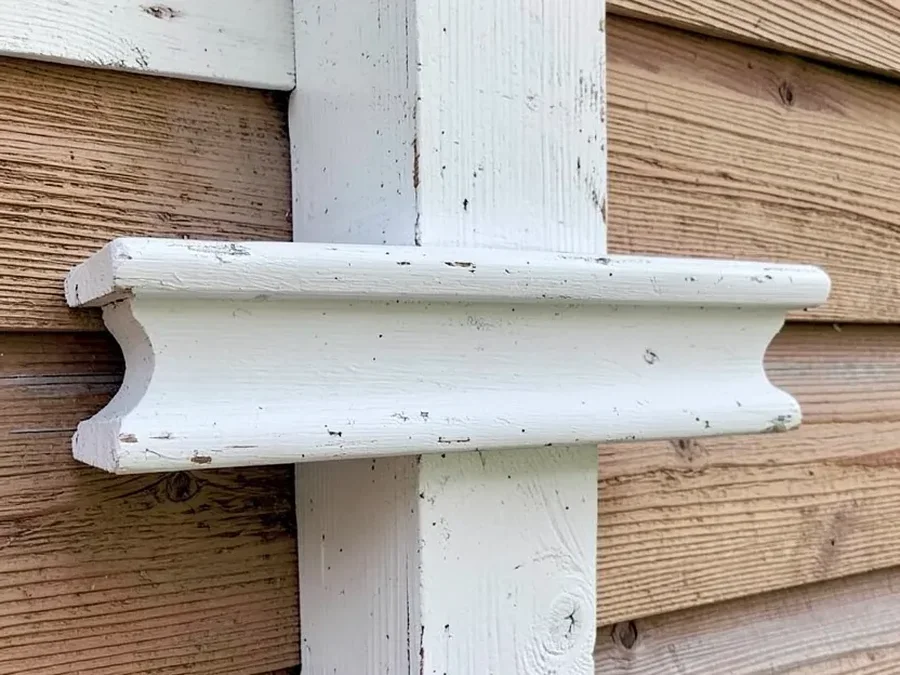
Where Painted Pine Works Well (and Where It Doesn’t)
- Good fits: window and door trim, fascia boards, fence pickets (not posts), porch railings, birdhouses and planters (with a plastic liner), outdoor furniture that’s covered or stored in winter, garden signs and decorative pieces.
- Poor fits — use pressure-treated instead: fence posts and deck posts set in the ground, deck framing and joists, any sill plate or ledger board touching concrete or masonry, raised garden beds in direct soil contact, anything that will sit in standing water after rain.
If a project straddles the line — say, a planter box — the fix is simple: build the box from painted pine for the look you want, but use pressure-treated lumber or a plastic liner for any part that actually touches soil or holds moisture against the wood.
Painting is just one of several ways to protect pine outdoors — for the bigger picture on how pine compares to cedar, redwood, and pressure-treated lumber overall, see our guide on whether pine is good for outdoor use.
Frequently Asked Questions
Question: Can pine be used outside if painted, even without pressure treatment?
Answer: Yes, for anything above grade and out of standing water — trim, fencing (not posts), furniture, and similar projects. Paint acts as a barrier, not a preservative, so it needs to stay fully intact including on the end grain. For ground contact or constant moisture, use pressure-treated lumber instead.
Question: Why does the end grain need extra primer coats?
Answer: End grain is the cut cross-section of the board, where the wood’s internal tubes are exposed and pointing directly at the weather. It absorbs water roughly 10-15 times faster than the flat face of the board, so one coat of primer there soaks in almost immediately and leaves the wood under-protected unless you go back for a second coat.
Question: What’s the best primer for outdoor pine?
Answer: A whole-surface oil-based primer works best for general priming because it penetrates pine’s open grain instead of sitting on top of it. For resin-heavy knots specifically, spot-prime those spots first with a shellac-based stain blocker — oil-based primer alone often isn’t enough to stop stubborn knot bleed-through long-term.
Question: How often should I repaint outdoor pine?
Answer: Most properly prepped and painted pine projects need a fresh topcoat every 4-7 years, depending on sun and weather exposure. Annual inspections and touching up small chips as soon as you see them will stretch that timeline significantly, since bare wood left exposed even briefly is where rot actually starts.
Question: Is painted pine safe to use for a raised garden bed?
Answer: Not for the parts touching soil. Soil holds moisture against wood constantly, which is exactly the condition paint alone can’t reliably protect against long-term. Use pressure-treated lumber rated for ground contact, or line the inside of a painted-pine bed with heavy plastic sheeting so the wood itself never touches wet soil.
Final Thoughts
So, can pine be used outside if painted? Yes — as long as you treat paint as what it actually is: a maintenance-dependent barrier, not a permanent fix. Seal every surface including the end grain, prime knots properly, use a flexible exterior topcoat, and stay ahead of small chips before they become rot. For ground contact or constant moisture, skip the debate entirely and reach for pressure-treated lumber instead. Get that distinction right and painted pine will genuinely hold up for years on the projects it’s actually suited for.
Sponsored / affiliate links. As an Amazon Associate I earn from qualifying purchases. I may earn additional commission from eligible campaigns.