Does Wood Ash Have Potassium? Discover Its Benefits
Are you curious about how wood ash can benefit your garden? You might have heard whispers about its potential, but one question stands out: does wood ash have potassium?
If you’re seeking natural ways to enhance your soil’s fertility, this could be a game-changer. Imagine turning your fireplace waste into a valuable resource for your plants. You’ll discover the truth about wood ash and its potassium content, unraveling how this humble substance could boost your garden’s health.
Stay with us as we delve into the benefits of wood ash and explore how it can be a sustainable option for your gardening needs.
Composition Of Wood Ash
Wood ash is rich in many nutrients. It contains calcium, magnesium, and phosphorus. These are important for plant growth. Wood ash also has small amounts of iron and aluminum. It is a natural source of nutrients. Farmers use it in gardens and farms.
Potassium is a key nutrient in wood ash. It is essential for plants. Potassium helps plants grow strong and healthy. Wood ash can boost soil potassium levels. This makes it useful for gardeners. Always check soil needs before adding wood ash.

Credit: www.researchgate.net
Benefits Of Potassium In Wood Ash
Potassium in wood ash is good for soil. It helps soil keep nutrients. It improves soil structure. Wood ash makes soil rich in potassium. Rich soil grows healthy plants. It balances soil pH levels too.
Plants need potassium to grow strong. Wood ash gives potassium to plants. It helps plants grow faster. Strong plants have better leaves. They have bigger flowers too. Potassium makes plants healthy.
Plants fight diseases better with potassium. Wood ash helps plants stay safe. It builds plant strength. Strong plants resist bugs. They resist diseases. Potassium is key to plant health.
Application In Gardening
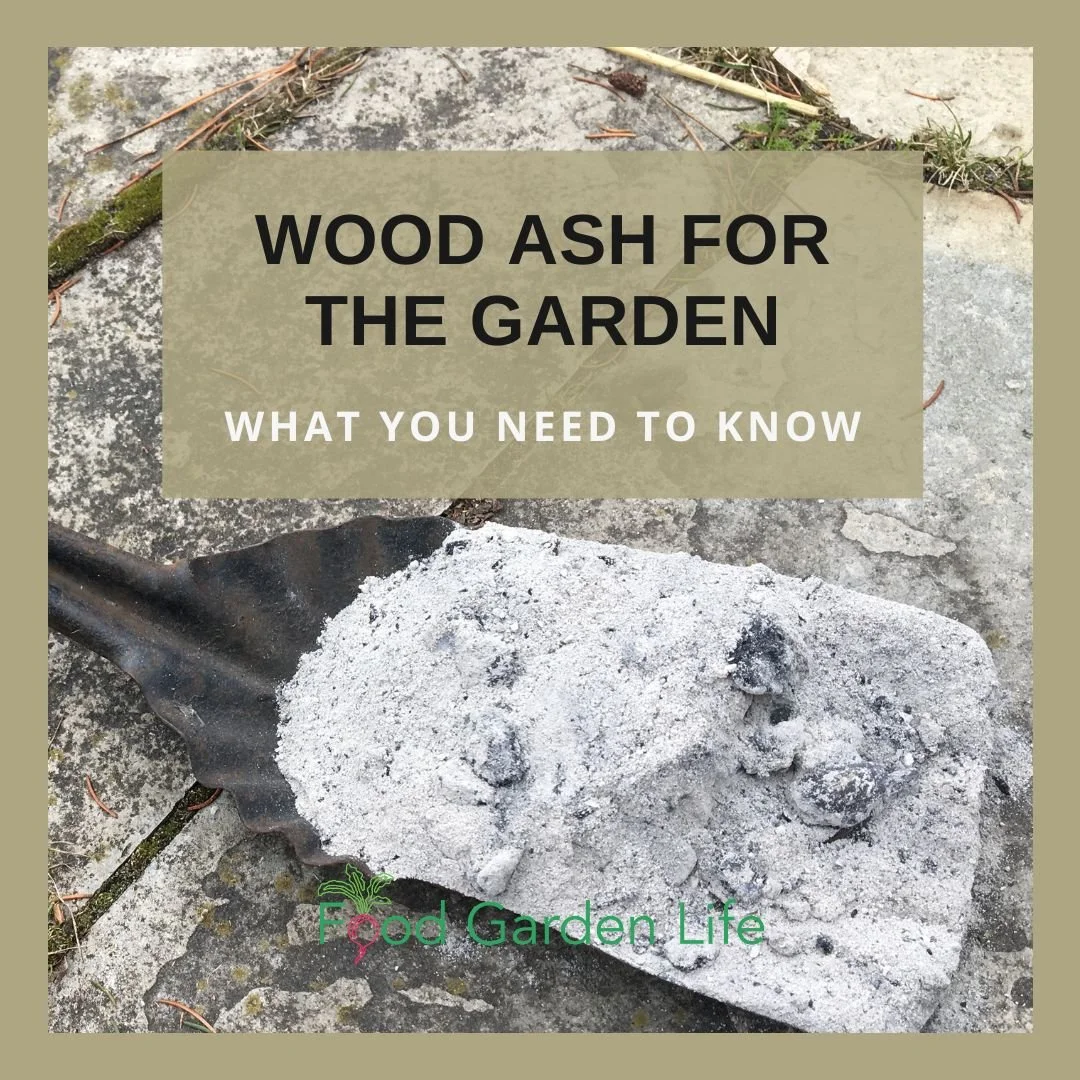
Wood ash is rich in potassium, which helps plants grow strong. Spread ash over soil to boost nutrients. It also contains calcium, which helps build strong roots. Mix well with soil for best results. Do not use ash from treated wood. It may harm plants.
Use small amounts of wood ash for plants. Too much ash can harm them. One cup per square yard is enough. Water the soil after adding ash. This helps nutrients spread. Check soil pH before using ash. It can make soil more alkaline.
Wear gloves when handling wood ash. It can irritate skin. Do not use ash on acid-loving plants like blueberries. It can change soil pH. Store ash in a dry place. Keep away from children and pets. Use fresh ash for better results.
Credit: www.foodgardenlife.com
Environmental Impact
Wood ash is a sustainable resource. It comes from burned wood. This means it does not require extra harvesting. Using wood ash can help save other resources. This makes it a great choice for the planet.
Wood ash helps in reducing waste. It is often seen as trash. But it can be used in gardens. This way, less waste ends up in landfills. It also saves money by reusing what we already have.
Alternative Uses Of Wood Ash
Wood ash can clean things around the house. It is a natural cleaner. Sprinkle ash on a damp cloth. Rub it on surfaces like metal and glass. It removes stains and dirt easily. For tough stains, mix ash with water. Make a paste. Scrub gently. Rinse well to avoid residue.
Wood ash helps keep pests away. Sprinkle it around plants. Ash repels snails and slugs. They don’t like it. Ants also avoid ash. Make a line of ash to block them. It’s safe for plants. No chemicals needed.
Wood ash melts ice quickly. Sprinkle ash on icy paths. It makes walking safe. Ash provides traction. Cars won’t skid. It is a cheap method. Use it in winter. Avoid slipping on ice.
Credit: en.wikipedia.org
Frequently Asked Questions
Is Wood Ash Rich In Potassium?
Yes, wood ash is rich in potassium, making it a beneficial soil amendment for gardens. It enhances soil fertility and boosts plant growth. Ensure proper application to avoid potential pH imbalance. Using wood ash can improve nutrient availability in your garden soil.
Which Plants Do Not Like Wood Ash?
Plants like blueberries, rhododendrons, azaleas, and camellias dislike wood ash. Wood ash raises soil pH, which these acid-loving plants don’t tolerate well. It’s best to keep wood ash away from them to maintain their preferred acidic soil conditions.
Does Ash Have A Lot Of Potassium?
Yes, ash contains high levels of potassium. Wood ash is often used as a natural fertilizer. It helps improve soil quality by providing essential nutrients. Always test soil before adding ash to avoid potassium overload. Use in moderation for best results.
Does Burnt Wood Contain Potassium?
Yes, burnt wood contains potassium. The ash left after burning is rich in minerals, including potassium. This makes it useful as a natural fertilizer, providing essential nutrients to plants.
Conclusion
Wood ash contains potassium, beneficial for plants. It enriches soil naturally. This nutrient supports growth and helps plants thrive. Use it wisely in gardens to boost health. Balance is key; too much ash can harm. Test your soil before adding ash.
Consider plant needs and soil conditions. Avoid using wood ash on acid-loving plants. It’s a simple, effective way to recycle waste. Nature provides this resource for healthier gardens. Explore using wood ash for better plant care. Sustainable choices make a difference.
Enhance your garden with this natural solution.