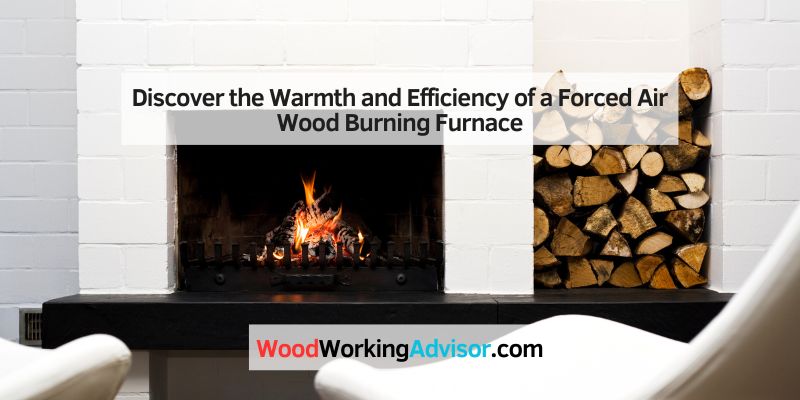
Discover the Warmth and Efficiency of a Forced Air Wood Burning Furnace
Hey there! If you’re looking to heat your home in a way that’s both cozy and cost-effective, let me introduce you to the world of forced air wood burning furnaces. I’ve spent a lot of time researching and even using these systems, and I’m excited to share what I’ve learned. Picture this: it’s a chilly winter evening, and your home is filled with steady, comforting warmth from a furnace that runs on wood—a renewable resource that’s often right in your backyard. Sounds appealing, right?
A forced air wood burning furnace could be the perfect solution for keeping your home toasty while saving on energy bills. In this guide, I’ll walk you through everything you need to know about these furnaces, from how they work to their benefits, installation tips, and more. Let’s dive in and explore why this heating option might just be your new best friend during those cold months.
What Is a Forced Air Wood Burning Furnace?
Let’s start with the basics. A forced air wood burning furnace is a heating system that uses wood as its fuel to generate heat, which is then distributed through your home via a blower and ductwork. Unlike a traditional fireplace or wood stove that radiates heat into one room, this furnace pushes warm air throughout your entire house, much like a gas or electric furnace. I remember the first time I saw one in action at a friend’s house—it was incredible how evenly the heat spread, even to the farthest corners.
The heart of the system is the firebox, where you load and burn the wood. This firebox is surrounded by a heat exchanger, which captures the heat from the burning wood. A powerful fan, called a distribution blower, then pushes that heated air through ducts to different rooms. Meanwhile, a chimney safely vents out smoke and other combustion byproducts, keeping your indoor air clean. The whole setup is designed to be efficient and effective, making sure no heat goes to waste.
These furnaces come in two main flavors: indoor and outdoor models. Indoor ones are typically installed in a basement or utility room, while outdoor models sit outside your home and connect to your HVAC system through insulated ducts. Both types have their perks, and I’ll get into those later. For now, just know that these furnaces are built to deliver consistent warmth using a renewable fuel source—wood—that’s often cheaper than gas or electricity.
How Does a Forced Air Wood Burning Furnace Work?
I get it—heating systems can sound complicated, but let me break it down for you like I’m explaining it over a cup of coffee. The process starts when you load wood into the firebox and light it up. The firebox is lined with firebrick to handle the intense heat and protect the furnace. As the wood burns, it heats the air in a space called the plenum, which is like a chamber above the firebox.
Here’s where the magic happens: a distribution blower kicks in and pushes that hot air through your home’s ductwork. The ducts carry the warm air to vents in each room, spreading cozy heat everywhere. At the same time, a separate chimney system takes care of the smoke and gases, making sure they don’t end up in your living space. It’s a clever setup that keeps the heat in and the smoke out.
There’s also a smaller fan called a draft blower, which is connected to your thermostat. When you crank up the thermostat, this fan blows air into the firebox to make the fire burn hotter. If you lower the thermostat, the draft blower slows down, letting the fire cool off a bit. This teamwork between the thermostat, draft blower, and distribution blower keeps your home at just the right temperature. Pretty cool, right?
Benefits of Using a Forced Air Wood Burning Furnace
Now, let’s talk about why I’m such a fan of these furnaces. They come with a ton of benefits that make them a smart choice for many homeowners, especially if you live in a colder climate or have access to affordable wood.
First off, they’re cost-effective. If you’ve got a woodlot or can buy firewood cheaply, you’re looking at serious savings compared to gas or electric heating. I’ve heard stories from folks who cut their heating bills in half after switching to a wood furnace. Plus, wood is a renewable resource, so you’re doing your part for the environment.
Another big win is efficiency. Modern forced air wood furnaces, especially EPA-certified ones, burn wood so cleanly that they produce less smoke and ash than older models. Some high-efficiency models, like the Kuuma Vapor-Fire 100, boast up to 85% efficiency, meaning you get more heat from less wood. That’s a game-changer when you’re loading the firebox in the dead of winter.
Safety is another perk, especially with outdoor models. Since the fire is outside your home, there’s less risk of indoor fires or carbon monoxide buildup. Even indoor models are designed with safety features like airtight doors and overheat protection. I remember feeling so much peace of mind knowing the fire was contained and the system was built to handle it safely.
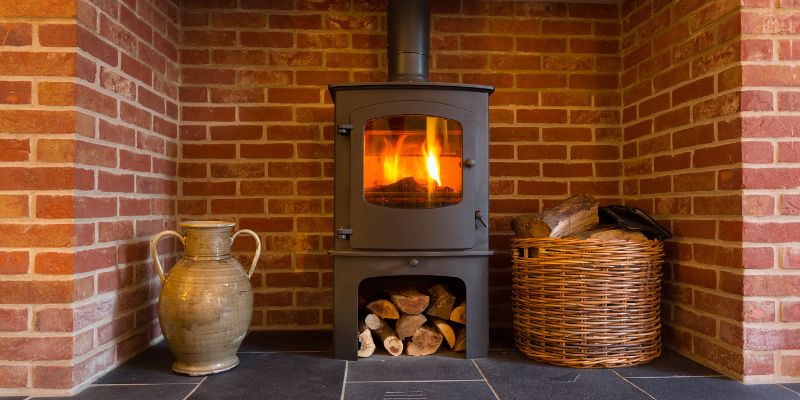
Finally, there’s the coziness factor. There’s something special about the warmth from a wood fire—it just feels different. Some indoor models even have glass doors so you can enjoy the glow of the flames, almost like a fireplace but with way more heating power.
| Benefit | Description |
|---|---|
| Cost-Effective | Saves money on heating bills, especially with affordable or free wood. |
| High Efficiency | Burns wood cleanly, producing more heat with less fuel. |
| Safety | Outdoor models reduce fire risks; indoor models have safety features. |
| Cozy Warmth | Provides even, comforting heat with an optional fireplace-like aesthetic. |
Indoor vs. Outdoor Forced Air Wood Furnaces: Which Is Right for You?
One of the first decisions you’ll need to make is whether to go for an indoor or outdoor furnace. I’ve spent time weighing the pros and cons of both, and here’s what I’ve found.
Indoor furnaces are installed inside your home, usually in a basement or utility room. They’re great because they integrate seamlessly with your existing HVAC system. The heat stays close to where it’s needed, so you lose less energy. Plus, some models have glass doors that let you enjoy the fire’s glow, which is a nice touch. On the downside, you’ll need to bring wood inside, which can mean some mess from bark or sawdust. You also need enough space for the furnace and proper chimney installation.
Outdoor furnaces, on the other hand, sit outside your home, often under a small shelter. They connect to your HVAC system through insulated ducts, usually running through a basement window. I love that outdoor models keep all the mess—wood chips, ash, and smoke—outside. They’re also safer since the fire is away from your living space. However, they’re typically less efficient (around 50-60% compared to 70-80% for indoor models) because some heat is lost through the ducts. They can also be pricier to install due to the ductwork and weatherproofing needs.
Here’s a quick comparison to help you decide:
| Feature | Indoor Furnace | Outdoor Furnace |
|---|---|---|
| Location | Basement or utility room | Outside, under a shelter |
| Efficiency | 70-80% | 50-60% |
| Mess | Some indoor mess from wood | Mess stays outside |
| Safety | Safe with proper installation | Safer due to outdoor placement |
| Installation Cost | Lower | Higher due to ductwork |
| Aesthetic | Optional glass door for fire view | No fire view |
If you live in a rural area with plenty of wood and don’t mind the upfront cost, an outdoor furnace might be perfect. If you want higher efficiency and love the idea of a fire inside, an indoor model could be your best bet.
Choosing the Right Wood for Your Furnace
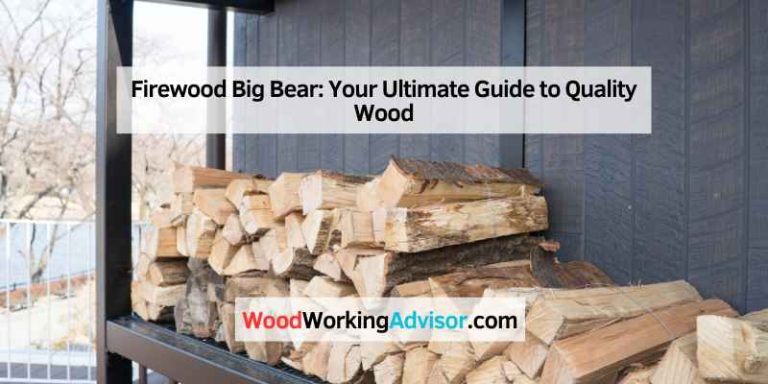
Not all wood is created equal when it comes to burning in a furnace. I learned this the hard way when I tried burning some wet pine in a friend’s furnace—let’s just say it was smoky and not very warm! The type of wood you use can make a big difference in how efficiently your furnace runs and how much heat you get.
Hardwoods like oak, maple, and black locust are your best friends. They burn hotter and longer, producing more heat (over 25 million BTUs per cord) and less smoke. Softwoods like pine or spruce burn faster and can create more creosote, a sticky buildup that can clog your chimney and cause fires. Always use seasoned wood with a moisture content of 20% or less. Seasoned wood is wood that’s been dried for at least a year, and it burns cleaner and hotter than wet or “green” wood.
Here’s a tip I picked up: store your wood in a dry, covered area to keep it seasoned. If you’re buying wood, ask for hardwood that’s been properly dried. Some companies even deliver pre-seasoned wood, which is a lifesaver if you don’t have time to split and stack it yourself. Trust me, using the right wood makes your furnace work like a dream.
Installation Tips for a Forced Air Wood Burning Furnace
Installing a forced air wood burning furnace isn’t a simple weekend project, but with the right planning, it’s totally doable. I’ve talked to folks who’ve installed both indoor and outdoor models, and here are some key tips to make it go smoothly.
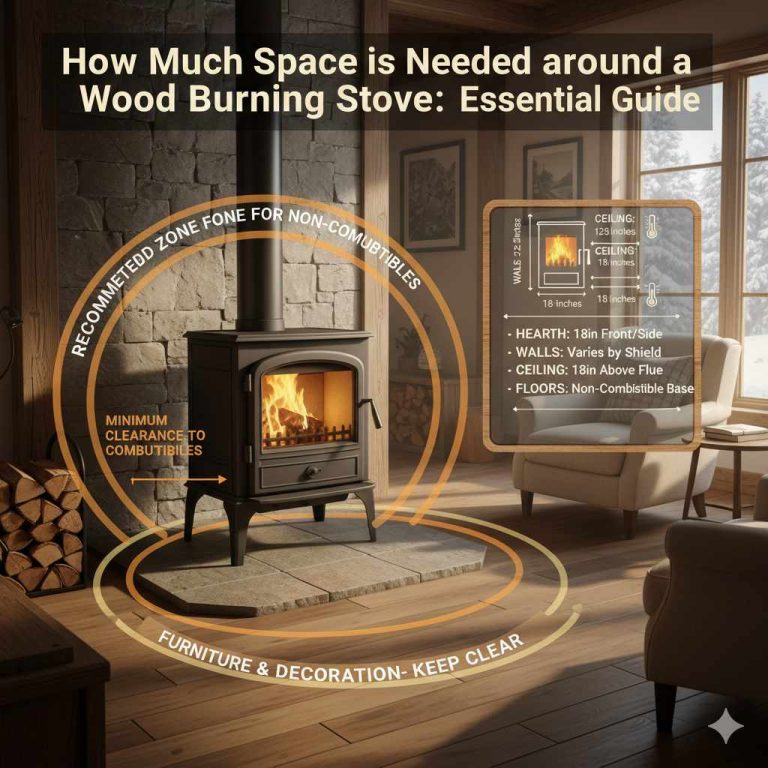
For indoor furnaces, you’ll need a dedicated space with enough clearance from walls and combustible materials. The furnace should sit on a non-combustible surface like concrete or bricks. You’ll also need a chimney, either a new stainless steel one or a lined masonry chimney. I highly recommend a stainless steel liner—it’s pricey but helps with draft and safety.
Outdoor furnaces require insulated ductwork to carry heat into your home. Many people run these ducts through a basement window for easy access. Make sure the ducts are well-insulated to prevent heat loss, and build a small shelter over the furnace to protect it from rain and snow. You’ll also need a thermostat wire and a 110V power source for the blowers.
Safety is huge here. Install smoke and carbon monoxide detectors near the furnace and throughout your home. If you’re not confident with the installation, hire a professional. It’s worth the cost to know it’s done right. And don’t forget to check local codes—some areas have strict rules about chimney placement and emissions.
Maintaining Your Furnace for Long-Term Performance
Keeping your furnace in top shape is key to getting the most out of it. I’ve seen what happens when you neglect maintenance—think creosote buildup and inefficient burning. Here’s how to keep your furnace humming along.
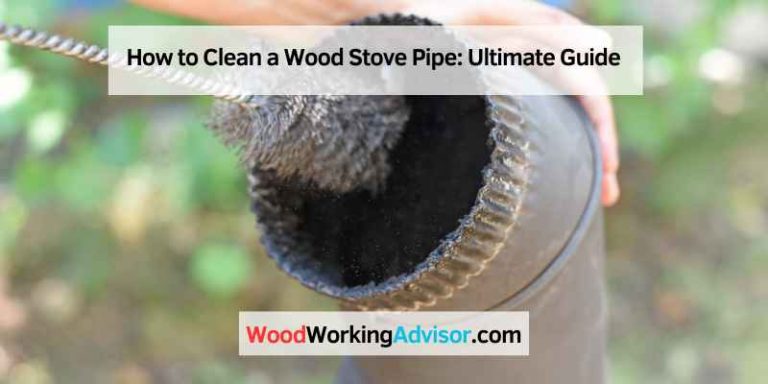
Clean the firebox and ash pan regularly, at least once a month during heavy use. Ash buildup can block airflow and reduce efficiency. Scrape out the ashes and dispose of them safely in a metal container. Check the chimney for creosote buildup, which can cause fires if left unchecked. A professional chimney sweep can do a thorough cleaning once a year.
Inspect the blowers and ducts for dust or debris, and clean them as needed. If your furnace has a glass door, clean it with a damp cloth and some ash to remove soot—it works like a charm. For outdoor furnaces, check the insulation on the ducts and make sure the shelter is holding up against the weather.
Finally, always burn dry, seasoned wood to minimize creosote and smoke. If you notice your furnace isn’t heating as well or is producing more smoke than usual, it might be time for a deeper clean or a professional inspection.
Environmental and Regulatory Considerations
I’ll be honest—wood burning furnaces have gotten some flak for their environmental impact, but modern models are a huge improvement. The EPA has set strict standards for new wood furnaces, requiring them to meet low emission limits. For example, by 2020, all new furnaces had to meet the EPA’s Step 2 particle pollution limits, which means they produce way less smoke and particulate matter than older models.
To stay on the right side of regulations, make sure your furnace is EPA-certified. These models use advanced combustion technology, like secondary burn chambers, to burn wood more completely and reduce emissions. I’ve seen some furnaces, like the Kuuma Vapor-Fire 100, that emit less than 0.1 pounds of particulate matter per million BTUs—that’s impressively clean.
You’ll also want to check local laws. Some areas, especially urban ones, have restrictions on wood-burning devices due to air quality concerns. Burning only seasoned hardwood and keeping your furnace well-maintained will help you stay compliant and keep your neighbors happy.
Cost and Savings: Is It Worth It?
Let’s talk money. A forced air wood burning furnace can be a big investment, but it can pay off in the long run. Indoor models typically cost between $2,000 and $5,000, while outdoor ones range from $6,000 to $12,000, depending on size and features. Installation adds another $1,000 to $3,000, especially for outdoor models with ductwork.
But here’s the good news: if you have access to cheap or free wood, you could save thousands on heating costs over time. For example, a friend of mine in rural Pennsylvania heats his 2,500-square-foot home with a Hyprotherm outdoor furnace and uses about 3-5 cords of wood per season. That’s a fraction of what he’d spend on propane or electricity.
To maximize savings, choose a high-efficiency, EPA-certified model and size it right for your home. A furnace that’s too small will overwork itself, while one that’s too big might cycle too often, wasting fuel. If you’re unsure, a heating specialist can help you pick the perfect size.
My Personal Experience with a Forced Air Wood Burning Furnace
I’ll never forget the first winter I spent with a forced air wood burning furnace. I was skeptical at first—would it really keep my whole house warm? But after installing an indoor Fire Chief FC1000E, I was blown away. The heat was so even, and my energy bills dropped significantly. Loading the firebox became a ritual I actually enjoyed, especially on snowy evenings when I could watch the flames through the glass door.
Sure, there was a learning curve. I had to figure out how to stack the wood just right and keep the ash pan clean. But once I got the hang of it, the furnace became a reliable part of my home. It’s been three years now, and I’m still thrilled with the warmth and savings. If you’re considering one, I can tell you it’s worth the effort if you’re ready to put in a little work.
Conclusion
After diving deep into the world of forced air wood burning furnaces, I hope you’re as excited about them as I am. These systems offer a unique blend of affordability, efficiency, and that unbeatable wood-fire warmth. Whether you choose an indoor model for its high efficiency or an outdoor one for its safety and low mess, you’re investing in a heating solution that’s both practical and environmentally friendly. With the right wood, proper installation, and regular maintenance, a forced air wood burning furnace can keep your home cozy for years while saving you money.
So, if you’re ready to embrace a renewable heating option and enjoy the glow of a wood fire, it’s time to explore the models out there and find the perfect fit for your home. Here’s to warm winters and happy savings!
FAQs
What is the difference between a forced air wood furnace and a wood boiler?
A forced air wood furnace heats air and distributes it through ducts, while a wood boiler heats water, which is then circulated through radiators or a hydronic system. Furnaces are better for homes with existing ductwork, while boilers work well for radiant floor heating.
How often do I need to load wood into the furnace?
It depends on the furnace size and your home’s heating needs. Most furnaces need loading twice a day—once in the morning and once at night. Larger outdoor models can sometimes go 12-24 hours on a single load, especially in milder weather.
Are forced air wood furnaces safe?
Yes, when installed and maintained properly. Outdoor models reduce fire risks by keeping the fire outside, while indoor models have safety features like airtight doors and overheat protection. Always use a chimney and install smoke and carbon monoxide detectors.
Can I use a forced air wood furnace in an apartment?
Unfortunately, no. These furnaces require ductwork, a chimney, and space for wood storage, which most apartments can’t accommodate. They’re best suited for single-family homes with access to a basement or outdoor area.
How much wood will I need for a heating season?
This varies based on your home size, climate, and furnace efficiency. On average, a 2,000-3,500 square foot home might use 3-5 cords of wood per season with a high-efficiency furnace. Always burn seasoned hardwoods for the best results.