How Bad is Pressure Treated Wood for Vegetable Gardens: Risks Unveiled
Are you planning a vegetable garden and considering using pressure-treated wood? Before you make a decision, it’s crucial to understand how this popular material could affect your plants and, ultimately, your health.
You might be wondering, “How bad can it be? ” After all, pressure-treated wood is durable and resistant to rot, making it an appealing choice for garden beds. But what if the very material you’re using to nurture your garden could potentially harm it—and you?
By diving into this topic, you’ll discover the hidden truths about pressure-treated wood and its impact on your vegetables. This information is vital for anyone who wants a thriving, safe garden. Keep reading to find out whether pressure-treated wood is the right choice for your vegetable garden and learn how to make informed decisions that benefit both your plants and your well-being.
Credit: www.treatedwood.com
Pressure Treated Wood Basics
Pressure treated wood is wood that has been soaked with chemicals. These chemicals help the wood last longer. They protect it from bugs and rot. This wood is often used outside. It is used for decks, fences, and sheds. It is strong and can handle bad weather.
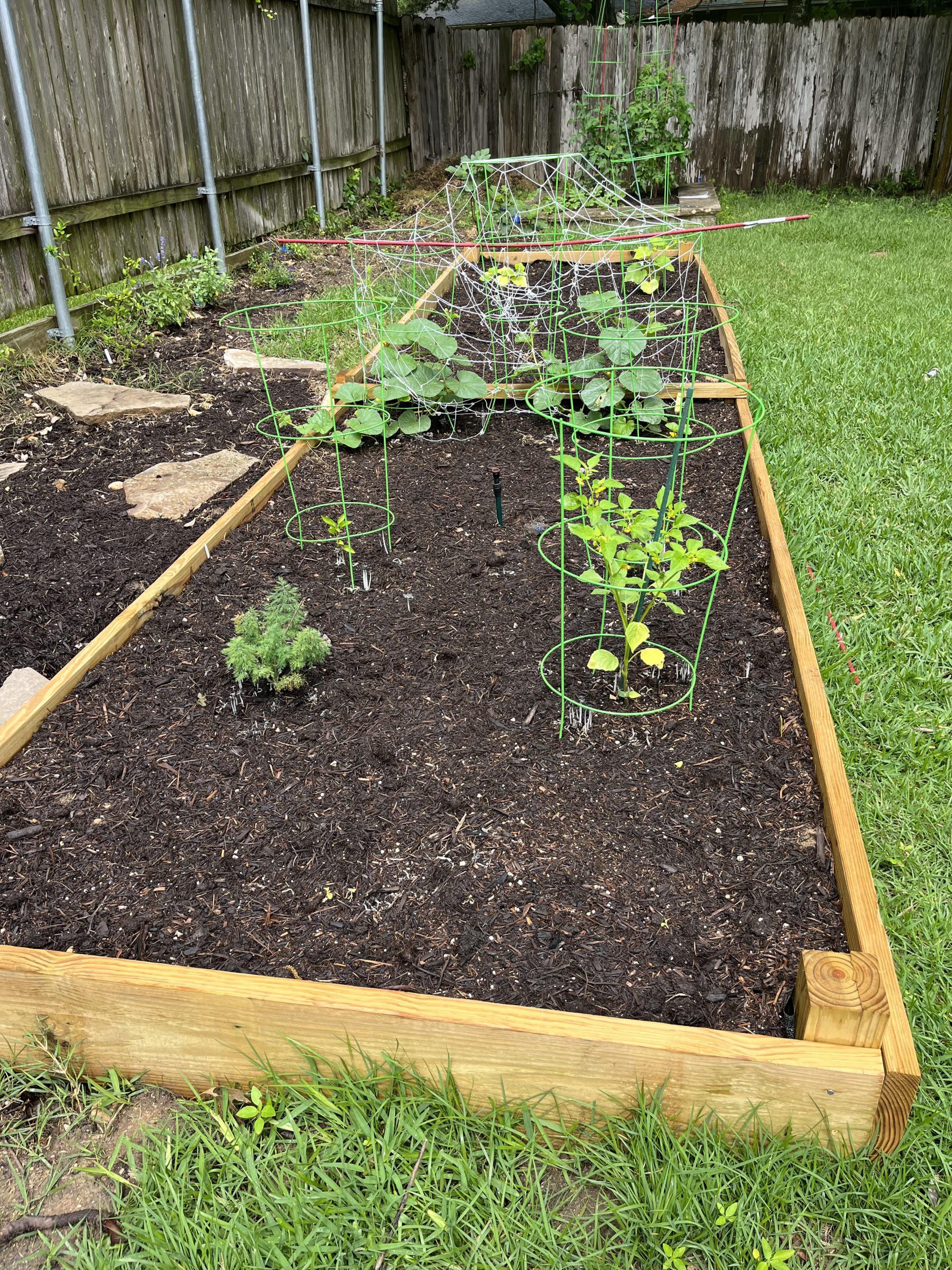
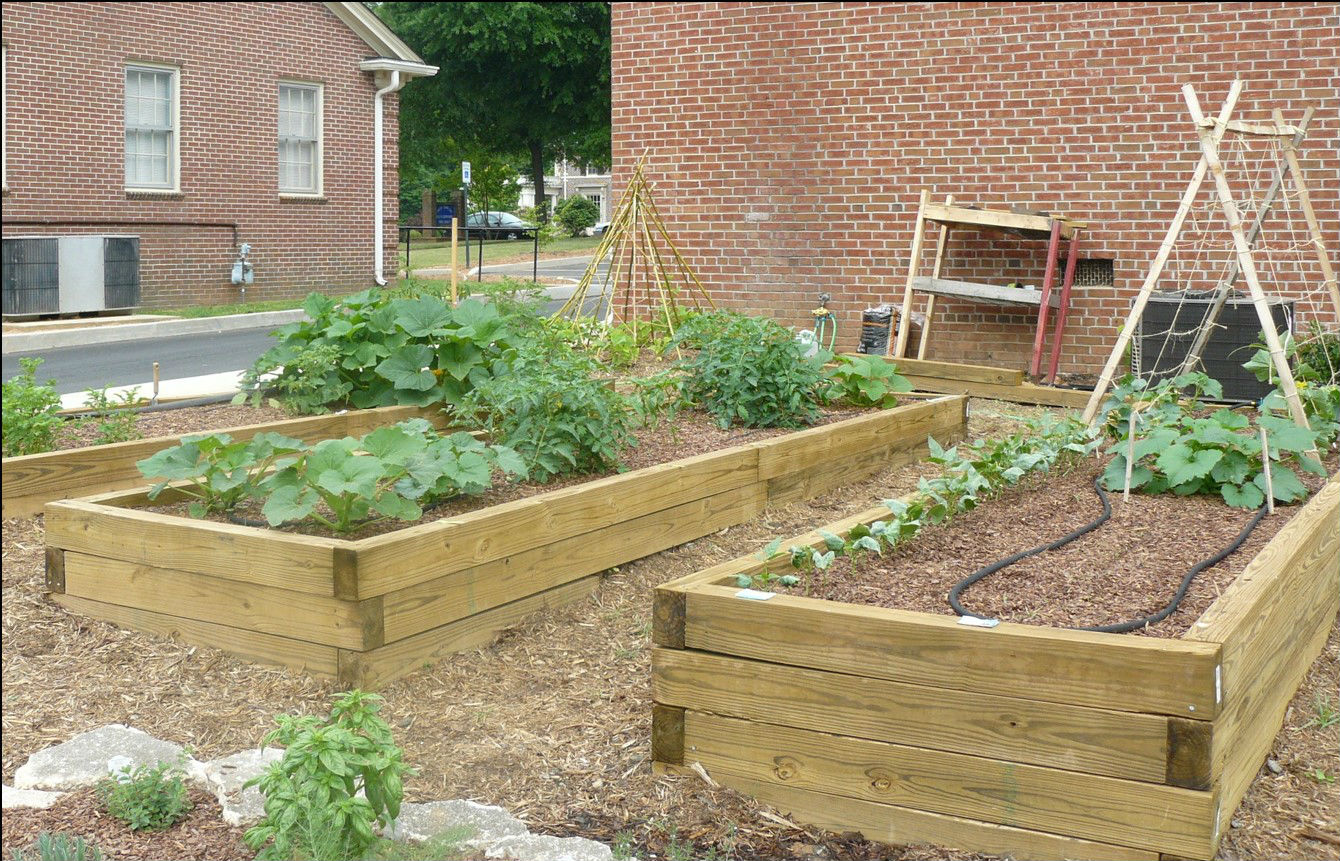
People use pressure treated wood in gardens. It is used for raised beds. It helps keep soil in place. Some use it for garden paths. It makes borders neat and tidy. But some worry about chemicals. They think chemicals can get in the soil. They worry it might hurt plants. Some choose other materials. They might use cedar or plastic instead.
Chemical Composition
Pressure treated wood contains chemicals to prevent rot. These chemicals can be harmful. Arsenic was used in old treatments. Newer treatments use copper compounds. Copper is safer but still has risks. Other chemicals include chromium and zinc.
Chemicals in the wood can leak into soil. Soil contamination can affect vegetables. Eating these vegetables may pose health risks. Direct contact can also be harmful. Children and pets are more vulnerable. Proper precautions are needed to reduce risks.
Environmental Impact
Pressure treated wood has chemicals. These chemicals can leak into soil. The soil can become unsafe for plants. Vegetables may absorb these chemicals. Eating these vegetables could be harmful. It is important to check the type of wood. Some woods are safer for gardens. Look for woods without harmful chemicals. This keeps soil and food safe.
Local ecosystems can get affected by treated wood. Animals and plants can get harmed. Chemicals in wood can hurt insects. Birds and animals eat these insects. This can make animals sick. Protecting ecosystems is important. Use alternative wood for gardens. This keeps animals and plants safe. Strong ecosystems help everyone.
Health Concerns For Gardeners
Pressure treated wood might have chemicals. These chemicals can be dangerous. Gardeners could face exposure risks. It’s important to be cautious. Chemicals can leach into soil. They can also enter plants. Eating these plants might be risky. This is a big worry for vegetable gardens. Being aware can help reduce risks.
Chemical exposure may cause health issues. Some people might feel sick. Others may have headaches. Skin rashes are possible. Stomach problems can happen. Long-term exposure might be harmful. It is important to watch for symptoms. Quick action can prevent serious issues. Always wear gloves. Wash hands after gardening. Stay safe and healthy.
Alternatives To Pressure Treated Wood
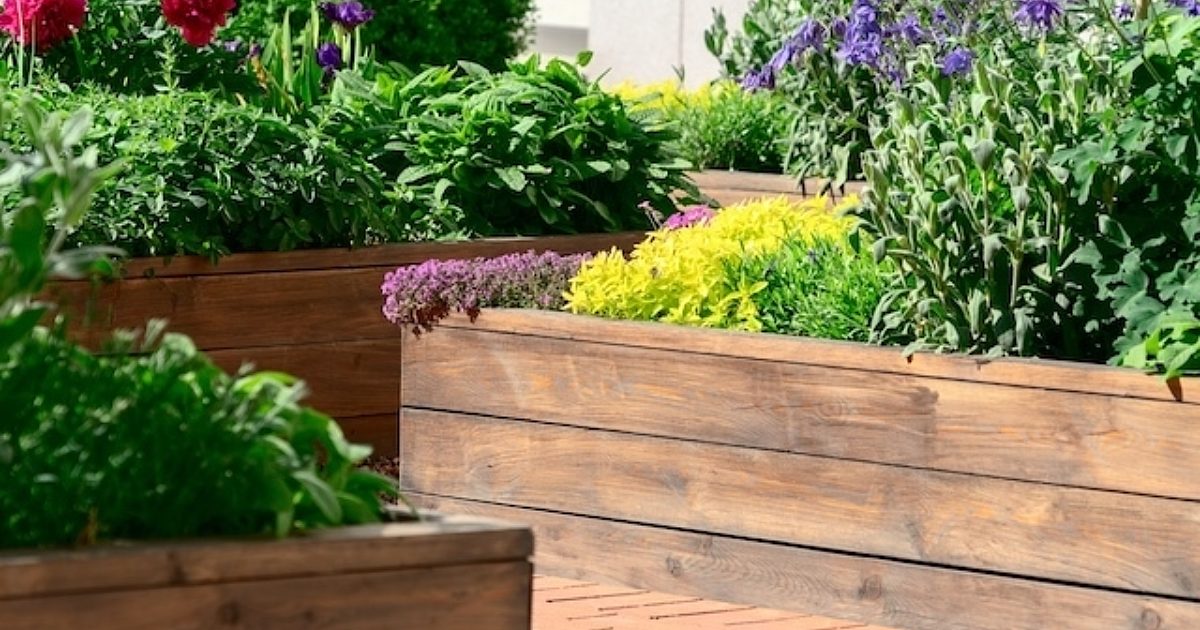
Cedar and redwood are good choices. They resist rot better than other woods. These woods last long and are safe for plants. Cypress is another option. It has natural oils. These oils keep bugs away. Douglas fir can also be used. It is cheaper but does not last as long.
Plastic lumber is a smart choice. It does not rot or attract bugs. Recycled plastic is eco-friendly. It helps save trees. Composite wood is made from wood and plastic. It lasts long and needs little care. Metal like galvanized steel is strong. It does not break easily. Concrete blocks can also be used. They are heavy but last forever.
Credit: hgic.clemson.edu
Safe Gardening Practices
Raised beds are great for gardens. Pressure treated wood can be a worry. It has chemicals that can be harmful. Cedar or redwood are safer. These woods last long. They are not treated with chemicals.
Using liners is smart. They act as barriers. They stop chemicals from leaching. Plastic liners are common. They are effective. Make sure the liner is food-safe.
Barriers can also help. Landscape fabric is an option. It is breathable. It keeps soil clean. Both liners and barriers make gardens safer.
Expert Opinions
Studies show pressure treated woodleach into the soilcopper compoundsless harmfulusing barrierssafe materials
Many gardeners share their experiences with treated wood. Some report no problemspoorlyyellow leavesnatural woodplastic linersgardeners’ advice

Credit: extension.oregonstate.edu
Frequently Asked Questions
Is Pressure Treated Wood Safe For Gardens?
Pressure treated wood can leach chemicals into soil over time. Older types, treated with chromated copper arsenate (CCA), are more concerning. Modern alternatives use safer chemicals like alkaline copper quaternary (ACQ). However, using untreated wood or lining beds with heavy-duty plastic can minimize risks.
What Chemicals Are In Treated Wood?
Pressure treated wood contains preservatives to prevent rot and insect damage. Common chemicals include copper azole and alkaline copper quaternary. Older wood may contain chromated copper arsenate. These chemicals can leach into the soil over time. Always check the type of treatment when using wood in gardens.
How Can I Reduce Risks With Treated Wood?
To minimize risks, use a plastic liner between soil and wood. Consider using untreated wood or naturally rot-resistant alternatives like cedar. Regularly check the condition of the wood and replace if necessary. These steps can help reduce potential chemical leaching into your vegetable garden.
What Are Alternatives To Treated Wood?
Alternatives to treated wood include cedar, redwood, and composite materials. These materials are naturally resistant to decay and pests. Concrete blocks or bricks are also viable options. These alternatives provide a safer environment for your vegetable garden, reducing concerns about chemical leaching.
Conclusion
Pressure treated wood poses risks for vegetable gardens. Chemicals can harm plants. Soil contamination is a real concern. Opt for safer alternatives. Cedar or redwood offer natural resistance. These woods avoid chemical exposure. Consider using untreated lumber. Raised beds are another option.
They keep plants healthy. Protect your garden’s ecosystem. Make informed choices for better results. Keep your vegetables safe and thriving. Your garden deserves care and attention. Prioritize your plants’ well-being. Sustainable practices matter. Choose wisely for long-term health. Your garden will thank you.
Keep gardening simple and safe.