How Do You Check for Termites: Essential Tips for Homeowners
Termites can cause serious damage to your home. Checking for termites early can save you money and stress.
Termites are small, but they can create big problems. They eat wood, which can weaken your house’s structure. Knowing how to check for termites is important for every homeowner. You don’t need to be an expert to spot the signs.
This guide will help you learn the basics. By following simple steps, you can find out if termites are present. Early detection means you can take action before the damage gets worse. Let’s explore the ways to check for termites and keep your home safe.
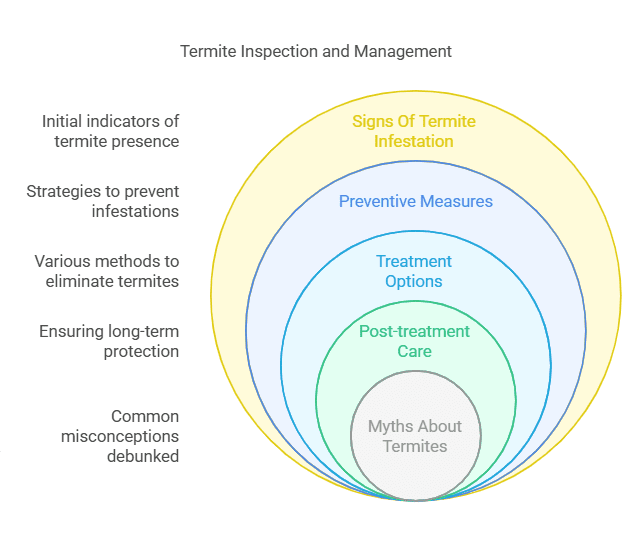
Signs Of Termite Infestation
Termite infestations can cause serious damage to your home. Recognizing the signs early can save you time and money. There are several common indicators that termites may be present in your property.
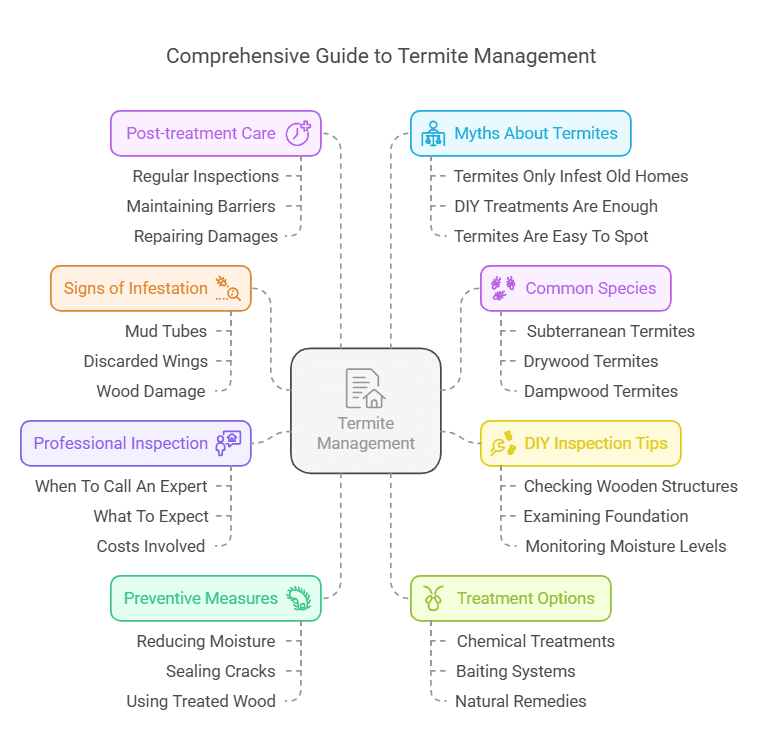
Mud Tubes
Mud tubes are a sure sign of termites. These pencil-sized tubes connect termites to their food source. They are often found on walls, floors, and other surfaces. Termites use these tubes to stay moist and protected while they travel.
Discarded Wings
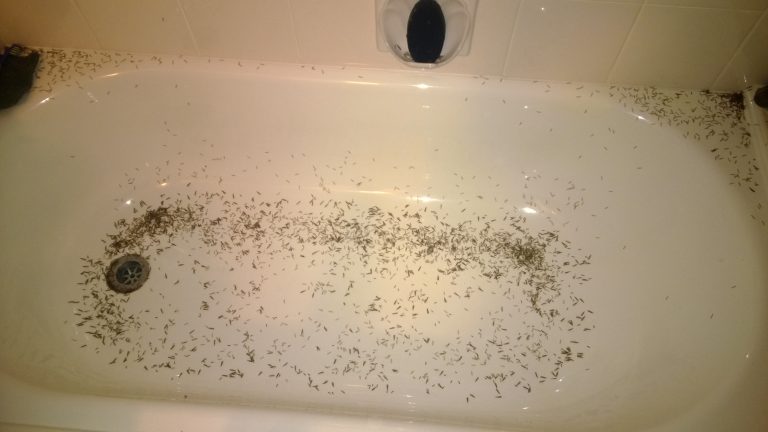
Termites shed their wings once they settle into a new home. Finding discarded wings near windows and doors is a red flag. These wings resemble fish scales and are often mistaken for other debris.
Wood Damage
Termites eat wood from the inside out. Wood that sounds hollow when tapped may be infested. Crumbling wood and visible tunnels are also signs. Pay close attention to wooden structures like beams and floors.
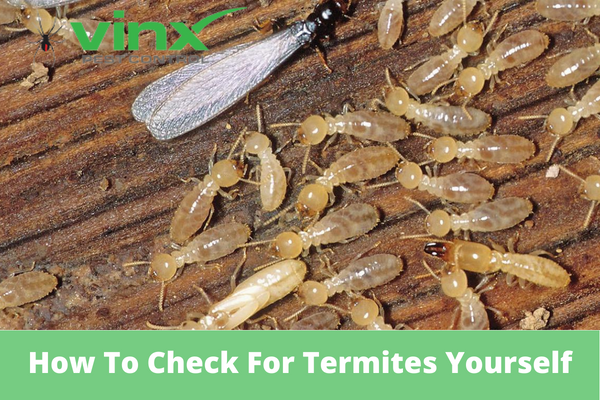
Credit: vinxpestcontrol.com
Common Termite Species
Termites are a significant threat to homes worldwide. Identifying the type of termite infestation is crucial for effective treatment. Different species exhibit distinct behaviors and characteristics. Let’s explore the common termite species you might encounter.
Subterranean Termites
Subterranean termites live in the soil. They build mud tubes to access wood above ground. These termites are the most destructive. They can cause severe damage quickly. Their colonies are large, sometimes in the millions. Look for mud tubes on walls or foundations.
Drywood Termites
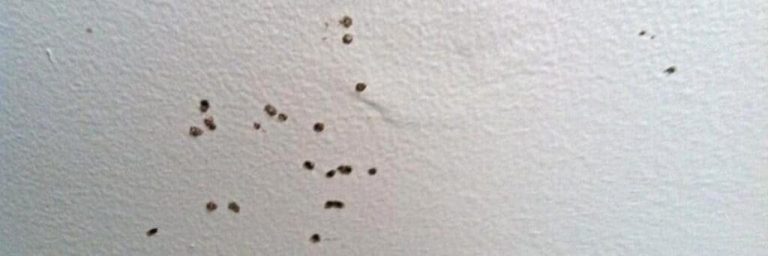
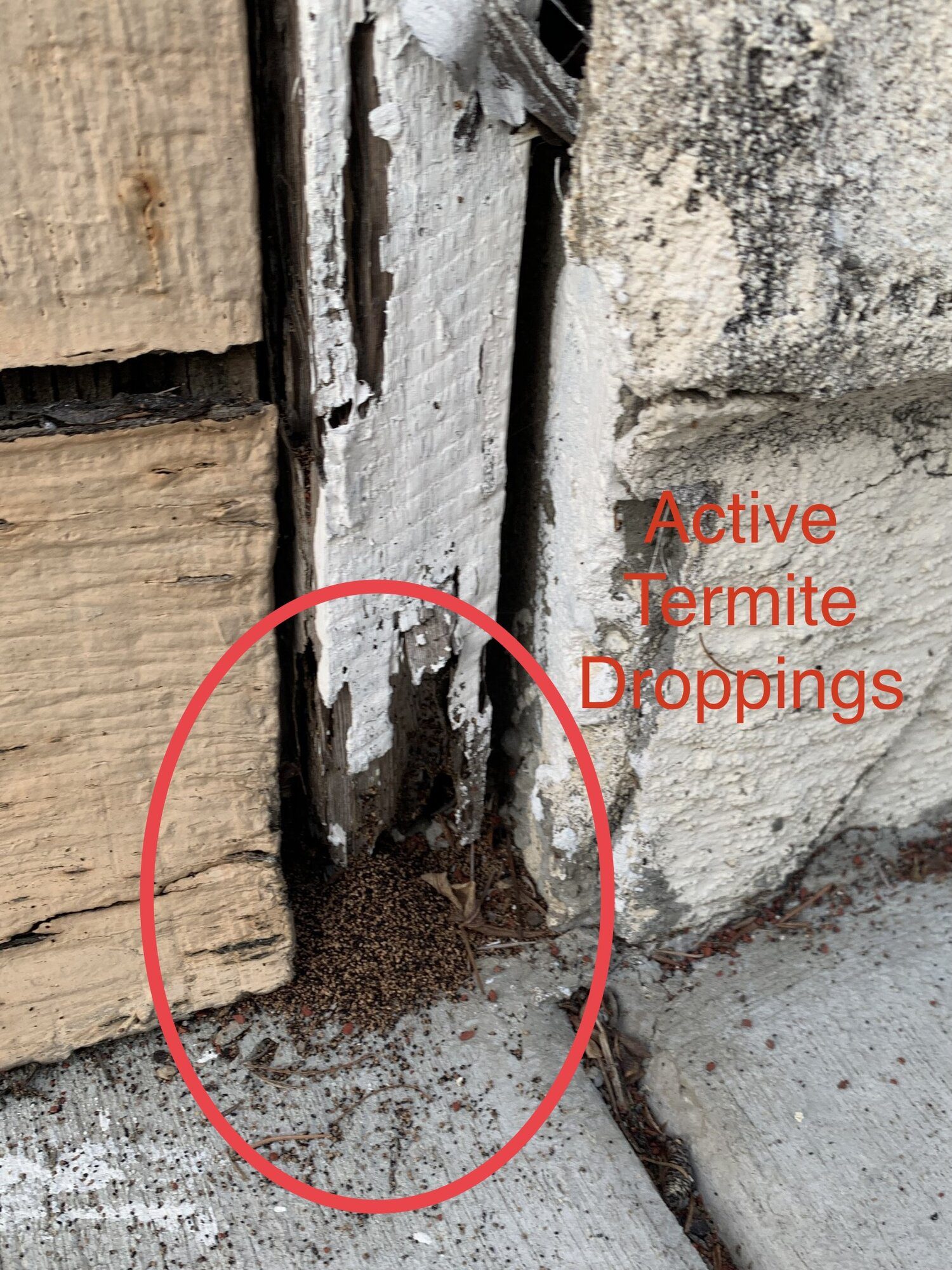
Drywood termites nest in dry wood. They do not need soil contact. They infest furniture, frames, and hardwood floors. These termites produce small, pellet-like droppings. You might find these droppings near infested wood. Drywood termite damage appears smooth and clean.
Dampwood Termites
Dampwood termites prefer moist wood. Leaky pipes and roofs attract them. They are larger than other termite species. Their presence indicates moisture problems. Fixing leaks can help control dampwood termites. Look for wood that feels spongy or has water damage.
DIY Inspection Tips
Hey friends, today we’re diving into something important – checking for termites. Yes, these tiny pests can cause big damage. But the good news? You can inspect your home for termites yourself. It’s easier than you think. I’m going to share some simple DIY tips so you can catch them before they do too much harm. Let’s get started.
Checking Wooden Structures
First, let’s look at the wooden parts of your home. Termites love wood. So, grab a flashlight and a screwdriver. Here’s what you should do:
- Check for hollow sounds: Tap the wood with the screwdriver. If it sounds hollow, that’s a red flag.
- Look for tiny holes: Termites create small holes in wood. If you see any, it’s a sign.
- Inspect for droppings: Termite droppings look like small wood pellets. Check around wooden areas for these.
I remember once, I tapped on a wooden beam in my garage. The sound was hollow, and I found some small holes. It turned out to be termites. Spotting these signs early saved me a lot of trouble.
Examining Foundation
Next, let’s move to the foundation of your home. Termites often enter through cracks in the foundation. Here’s how to inspect:
- Look for mud tubes: Termites build mud tubes to travel. Check the foundation for these tiny tunnels.
- Check for cracks: Use your flashlight to spot any cracks or gaps in the foundation. Termites can enter through these.
- Inspect nearby wood: If you have wooden parts near the foundation, check them too. Termites often start here.
A friend of mine once found mud tubes near his basement window. He didn’t know what they were at first. But after some research, he realized it was termites. He acted quickly and got rid of them.
Monitoring Moisture Levels
Termites love moisture. So, it’s important to keep an eye on damp areas. Here’s what you can do:
- Check pipes and faucets: Look for leaks. Even small leaks can attract termites.
- Inspect your basement: Basements can be damp. Use a moisture meter to check the levels.
- Ensure good ventilation: Proper air flow helps keep moisture levels down. Check that your vents are clear and working.
One time, I found a small leak under my kitchen sink. It was barely noticeable. But when I fixed it, I realized how much moisture it was causing. Keeping things dry is key to preventing termites.
So, there you have it – some easy tips to help you check for termites. Remember, catching them early can save you a lot of trouble and money. Happy inspecting!

Credit: www.natureswaypestcontrol.com
Professional Inspection
Professional inspection for termites involves checking for mud tubes, damaged wood, and discarded wings. Inspect areas around foundations, windows, and basements for signs of infestation. Skilled inspectors use tools like moisture meters and borescopes to detect hidden colonies.
Hiring a professional to inspect for termites can save you time and stress. Experts know exactly where to look and what signs to search for. Let’s dive into when it’s time to call an expert, what you can expect during their visit, and how much it might cost.
When To Call An Expert
It’s crucial to know when to bring in a pro. Here are some signs that suggest it’s time to call an expert:
- You see small holes in wood structures.
- There are mud tubes on walls or foundations.
- Wood sounds hollow when tapped.
- You notice discarded wings near windowsills.
If you spot any of these, don’t wait. Termites can cause serious damage fast.
What To Expect
Wondering what happens during a professional termite inspection? Here’s a quick rundown:
- The inspector arrives and asks about your termite concerns.
- They examine your home, especially areas with wood.
- They look for signs of termites like mud tubes and damaged wood.
- They may use special tools to check inside walls or other hard-to-reach areas.
After the inspection, the expert will explain what they found and suggest next steps if needed. It’s straightforward and not as scary as it might seem.
Costs Involved
You might be wondering about the cost. Here’s a simple breakdown:
| Service | Average Cost |
|---|---|
| Basic Inspection | $75 – $150 |
| In-depth Inspection | $200 – $500 |
| Treatment (if needed) | $500 – $2,000+ |
Costs can vary based on your home’s size and location. It’s always good to get a quote before committing.In short, hiring a professional for a termite inspection is a smart move if you notice signs of termites. It can save you money and protect your home from damage. Remember, the peace of mind knowing your home is termite-free is priceless.
Preventive Measures
Termites can cause severe damage to your home. Taking preventive measures helps keep these pests at bay. Implement these steps to protect your property effectively.
Reducing Moisture
Termites thrive in moist environments. Keep your home dry. Fix leaky pipes and faucets. Ensure gutters and downspouts direct water away from your home. Use dehumidifiers in damp areas. Ventilate crawl spaces to reduce humidity.
Sealing Cracks
Termites enter through tiny cracks. Seal all cracks in your home’s foundation. Check for gaps around windows and doors. Use caulk or sealant to close these gaps. Regularly inspect your home for new cracks.
Using Treated Wood
Termites love untreated wood. Use treated wood for construction and repairs. Treated wood resists termite damage. Choose wood treated with chemicals or natural repellents. Replace damaged wood with treated wood.
Treatment Options
Termites can cause serious damage to your home. Finding effective treatment options is crucial. There are several methods available to get rid of termites. Each method has its advantages and drawbacks.
Chemical Treatments
Chemical treatments are among the most common options. This method uses liquid pesticides. These pesticides are applied to the soil around your home. The chemicals create a barrier that termites cannot cross. Some treatments kill termites on contact. Others work as repellents. Always follow safety guidelines. Professional application ensures effectiveness.
Baiting Systems
Baiting systems offer a different approach. These systems use bait stations. Bait stations are placed around your property. Termites feed on the bait and carry it back to the colony. This method targets the entire colony. Baiting systems are less intrusive. They are also safer for pets and children. Regular monitoring is essential for success.
Natural Remedies
Natural remedies are an eco-friendly option. These methods use natural substances to deter termites. Orange oil is a popular choice. It is applied directly to affected areas. Another option is diatomaceous earth. This powder damages termite exoskeletons. Nematodes are tiny worms that prey on termites. Natural remedies are safer for the environment. They may require more frequent application.
Post-treatment Care
After treating your home for termites, the work is not over. Post-treatment care ensures termites do not return. Regular maintenance and vigilance are key. Here are some essential steps for effective post-treatment care.
Regular Inspections
Regular inspections are crucial. Schedule inspections every few months. Look for signs of termites. These include mud tubes, damaged wood, and discarded wings. Early detection prevents large infestations.
Maintaining Barriers
Maintain the chemical barriers set by professionals. Ensure that no soil or debris disturbs these barriers. Keep the treated soil undisturbed. This helps keep termites away from your home.
Repairing Damages
Repair any wood damage quickly. Replace damaged wood with treated wood. Treat the new wood with termite-resistant products. This prevents termites from returning to the same spot.

Credit: icaschool.com
Myths About Termites
Termites can cause significant damage to homes. Many myths surround these pests. Believing these myths can lead to costly mistakes.
Termites Only Infest Old Homes
Many think termites only attack old homes. This is not true. Termites can infest new homes as well. They seek food, moisture, and shelter. New homes provide these just like old homes. No home is safe from termites.
DIY Treatments Are Enough
Some believe DIY treatments can handle termites. This is a myth. DIY treatments often fail to reach the root of the problem. Termites live deep within walls and foundations. Professional treatments are more effective.
Termites Are Easy To Spot
Another myth is that termites are easy to see. This is false. Termites hide in walls, floors, and foundations. They leave few signs of their presence. By the time you see damage, it’s often extensive.
Frequently Asked Questions
Can I Check For Termites Myself?
Yes, you can check for termites yourself. Look for mud tubes, discarded wings, and damaged wood. Regularly inspect your home.
How Do You Tell If There Are Termites?
Spotting termites involves checking for hollow wood, discarded wings, mud tubes, and frass (termite droppings). Listen for clicking sounds inside walls.
When Should You Suspect Termites?
Suspect termites if you notice hollow-sounding wood, mud tubes, discarded wings, or frass. Regularly inspect wooden structures.
Is There A Machine To Detect Termites?
Yes, there are machines designed to detect termites. Termite detection devices use radar, sound, or heat to locate infestations.
Conclusion
Checking for termites is crucial to protect your home. Regular inspections help catch issues early. Look for mud tubes, damaged wood, and droppings. Don’t ignore bubbling paint or hollow-sounding wood. Act swiftly if you see any signs. Contact a professional for a thorough inspection.
Prevention is key to avoiding costly repairs. Keep your home safe and termite-free by staying vigilant. Your home’s health depends on it. Stay proactive and maintain peace of mind.