How Long Does It Take Termites to Build Mud Tubes: Surprising Facts
Termites can build mud tubes in a matter of days. These tubes are essential for their survival.
They protect termites as they travel between their colony and food sources. Mud tubes are small tunnels made of soil, wood, and saliva. They help termites stay hidden and safe from predators. Understanding how quickly termites build these tubes is important for anyone facing a termite problem.
It helps in spotting early signs of infestation. Knowing what to look for can save your home from severe damage. In this blog post, we will explore the process and speed at which termites build these protective structures. Stay with us to learn more about their construction habits and how to protect your property.
Introduction To Termites
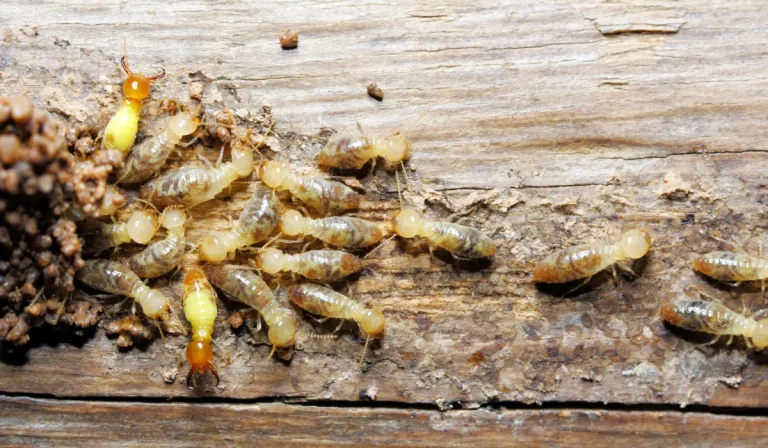
Hey friends, today we’re diving into the world of termites. These tiny insects might look harmless, but they can cause a lot of damage. Termites live in colonies and work together to build their homes. One of their most common structures is the mud tube. But how long does it take for them to build these tubes? Let’s find out!
Termite Species
First, let’s talk about the different types of termites. There are several species, but the most common ones are:
- Subterranean termites
- Drywood termites
- Formosan termites
Each species has its own unique habits and preferences. For example, subterranean termites live underground, while drywood termites prefer dry wood. Knowing the type of termite helps us understand their behavior better.
Termite Habitats
Termites are found in various habitats. They usually like warm, moist environments. Here are some places where you might find them:
- In the soil
- Inside walls
- In wooden structures
I recently asked a pest control expert about termite habitats. She told me that termites can adapt to different conditions. So, it’s important to keep an eye out for them in unexpected places.
Termites build their mud tubes for protection and to stay moist. It can take anywhere from a few days to a few weeks for them to complete a tube. The good news? With some basic knowledge, you can spot these tubes and take action before they cause serious damage.
Stay tuned for more tips on how to deal with termites and protect your home!
Credit: www.drakepest.com
What Are Mud Tubes?
Termites are small but can cause big problems. They build tunnels called mud tubes. These tubes help them move from place to place. They also protect them from dangers.
Structure And Purpose
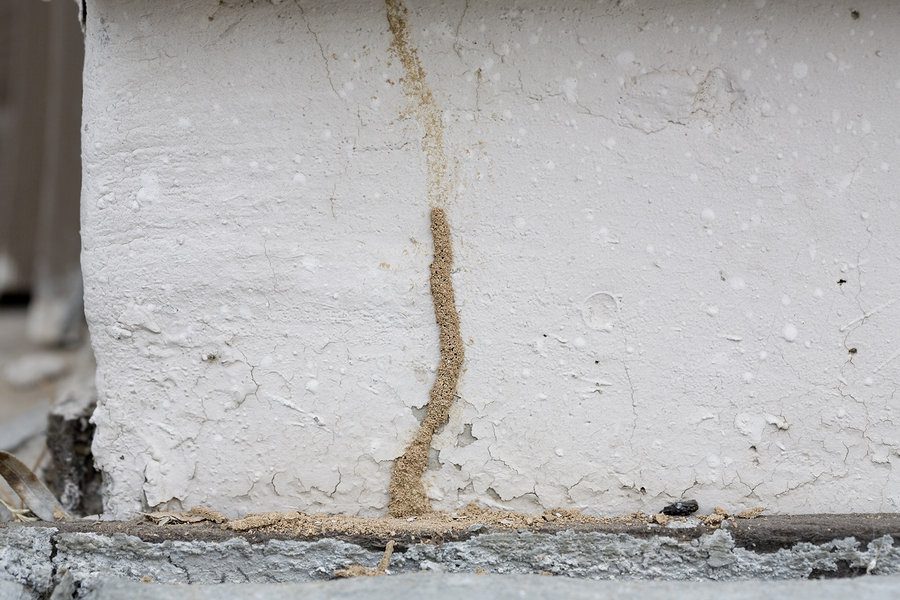
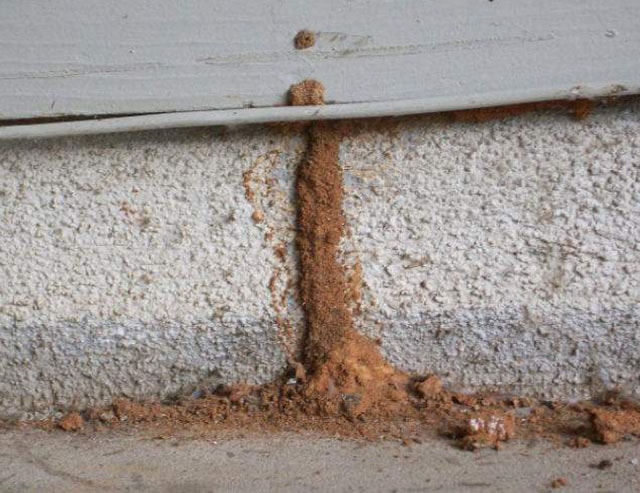
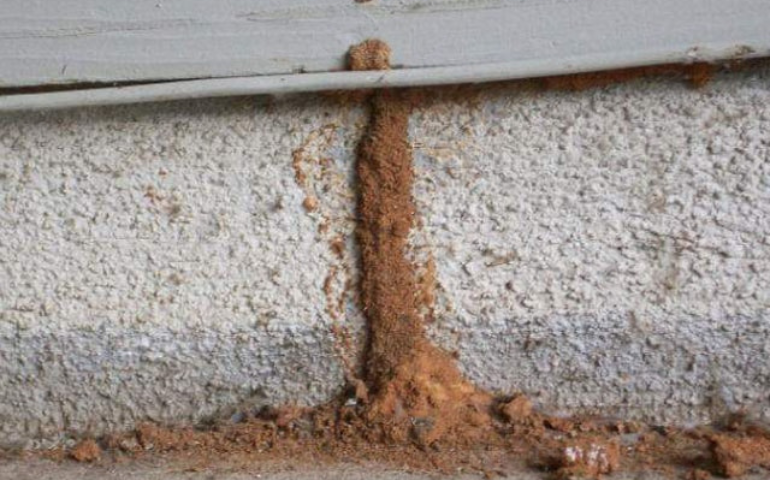
Mud tubes have a simple structure. They are thin and made from soil, wood, and termite saliva. These tubes are usually brown and look like small, dried-up trails.
The purpose of mud tubes is to protect termites. They use these tunnels to stay safe from predators. Mud tubes also help termites keep moisture. This is important because termites can dry out quickly.
Types Of Mud Tubes
There are different types of mud tubes. One type is the working tube. This type helps termites move between their nest and food.
Another type is the exploratory tube. Termites use these to find new food sources. These tubes are often shorter and may not lead to food.
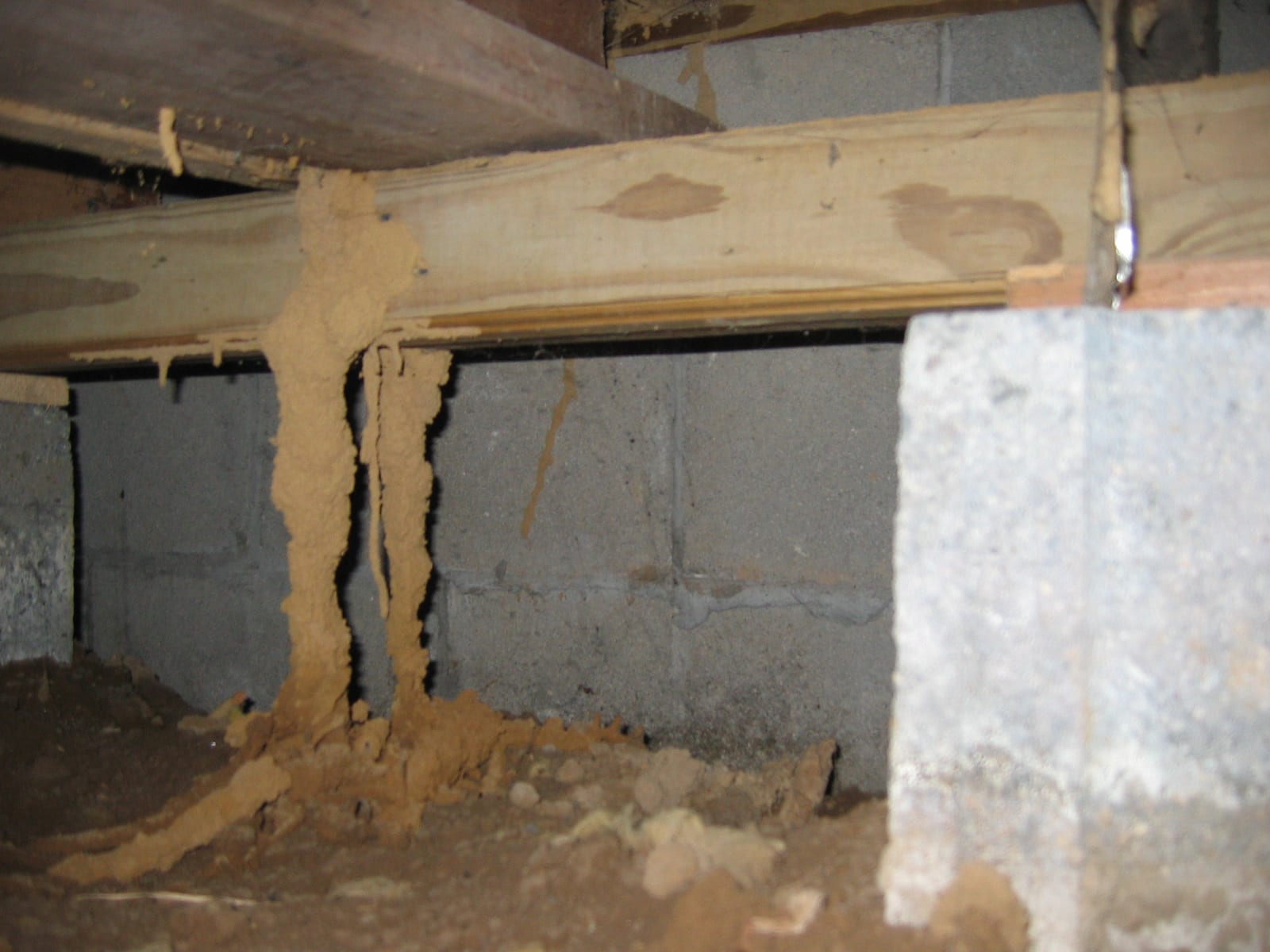
There are also drop tubes. These hang from ceilings or walls. Termites use them to reach lower areas.
Lastly, there are shelter tubes. These protect termites from the environment. They are often found on exposed surfaces.
Building Process Of Mud Tubes
Termites can build mud tubes in a matter of days. They work quickly to create these protective tunnels, ensuring safe travel. The construction speed depends on the colony size and environmental conditions.
Hey friends, today we’ll dive into the fascinating world of termites. Specifically, how long it takes for them to build those mud tubes you might have seen around your house.
Termites, tiny as they are, are mighty builders. Their mud tubes serve as protective tunnels, helping them travel from their colony to their food source without being exposed to predators. Let’s break down how these tiny architects work their magic.
Step-by-step Construction
Building mud tubes is a step-by-step process. Here’s how they do it:
- Scouting: First, termites send out scout workers. They look for food sources, like wood or paper.
- Initial Tube: Once they find food, the termites start building a small tube from the ground to the food source.
- Extension: As more termites join, they extend the tube, adding more mud and saliva.
- Reinforcement: The termites keep reinforcing the tube to make it strong and stable.
- Connection: Finally, the tube connects the termite colony to the food source, allowing safe travel.
This entire process can take anywhere from a few days to several weeks, depending on the distance and the number of termites working.
Materials Used
You might wonder what materials termites use. It’s pretty simple, actually. Termites are resourceful and use:
- Soil: They gather soil from around their colony.
- Saliva: Their saliva acts as a glue, binding the soil particles together.
- Wood particles: Sometimes, they mix tiny wood particles into the mud for added strength.
The result? A sturdy tube that can withstand quite a bit of wear and tear.
So there you have it, the basic building process of termite mud tubes. It’s amazing how these little creatures work together to create something so essential for their survival. The next time you see a mud tube, you’ll know just how much effort went into making it!
Timeframe For Mud Tube Construction
Hey friends, let’s dive into the fascinating world of termites. Ever wondered how long it takes for these tiny creatures to build their mud tubes? Well, today, we will explore the timeframe for mud tube construction. Stick around, and you’ll find out just how quick these little builders can be.
Factors Influencing Speed
The speed at which termites build mud tubes can vary. Several factors come into play:
- Termite Species: Different species work at different speeds.
- Colony Size: More termites mean faster construction.
- Environmental Conditions: Ideal humidity and temperature boost their efficiency.
- Food Source Location: Proximity to food can speed up the process.
Let’s break these down a bit. Imagine if you had a big family helping you move furniture. The more hands, the faster the job gets done. It’s the same with termites. Also, if it’s a sunny day, you might work faster than on a rainy day. Termites are no different. They thrive in certain conditions and slow down in others.
Average Time Estimates
So, how long does it really take? Here’s a rough estimate:
| Termite Species | Average Time to Build Mud Tubes |
|---|---|
| Subterranean Termites | 24-48 hours |
| Drywood Termites | Several weeks |
As you can see, subterranean termites are the speed demons of the termite world. They can whip up a mud tube in just a day or two. Drywood termites, on the other hand, take their sweet time, sometimes weeks.
Think of it like cooking. Some recipes take just 30 minutes, while others might need hours of slow cooking. Different termites, different speeds.
I recently asked a pest control expert about their experiences with termite mud tubes. They told me that the fastest they’ve seen a mud tube appear was overnight! Can you believe it? Talk about working around the clock!
So, next time you spot those little mud trails, you’ll know just how much effort goes into them. And remember, if you have any termite troubles, it’s best to call in the professionals sooner rather than later.
Environmental Impact On Building Speed
Termites are notorious for their destructive behavior, particularly in how they build mud tubes to access wood. The speed at which termites build these tubes depends on several environmental factors. Let’s explore how temperature, humidity, and seasonal variations impact their building speed.
Temperature And Humidity
Temperature plays a crucial role in termite activity. Termites thrive in warm conditions. They work faster when temperatures are between 75-95°F. Colder temperatures slow them down. Termites also prefer high humidity. Moist environments make it easier for them to build and maintain mud tubes. Dry conditions can hinder their progress. So, areas with a warm and humid climate see faster tube construction.
Seasonal Variations
Seasonal changes affect termite building speed. During spring and summer, termites are more active. Warm weather and higher humidity levels boost their activity. During fall and winter, their building speed decreases. Cold weather and lower humidity make it harder for them to work. Seasonal variations lead to fluctuating building speeds throughout the year.
Credit: www.signaturemore.com
Role Of Termite Caste System
Termites are fascinating creatures with a well-defined caste system. This system plays a crucial role in their ability to build and maintain mud tubes. These tubes are essential for their survival, providing protection and a controlled environment. Each termite caste has specific duties, which contribute to the construction and upkeep of these structures.
Worker Termites
Worker termites are the backbone of the colony. They are responsible for building and repairing mud tubes. These termites gather materials like soil, wood, and saliva to construct the tubes. Their tireless work ensures the colony’s safety and access to food sources. Without worker termites, the colony would struggle to survive.
Soldier Termites
Soldier termites play a defensive role. They protect the colony from predators, such as ants. Although they do not build mud tubes, their presence is vital. Soldier termites guard the workers as they construct and repair the tubes. This teamwork allows the colony to thrive and expand.
Detecting Mud Tubes In Your Home
Hey friends, today we’re going to talk about something super important for your home: termite mud tubes. These little pests can cause a lot of damage if they go unnoticed. But the good news? You can spot their mud tubes and take action quickly. Let’s dive into where to look and what to watch out for.
Common Locations
Termites like to hide. They build their mud tubes in places you might not always check. Here are some common spots:
- Basement walls: They love dark, damp places.
- Crawl spaces: Another hidden area they prefer.
- Foundation: Check where the house meets the ground.
- Attics: Even high up, they can be a problem.
Think of it like a treasure hunt, but instead of gold, you’re looking for mud tubes.
Signs Of Infestation
Okay, so you know where to look. But what exactly are you looking for? Here are some signs:
- Thin, muddy lines: These tubes look like thin veins made of mud.
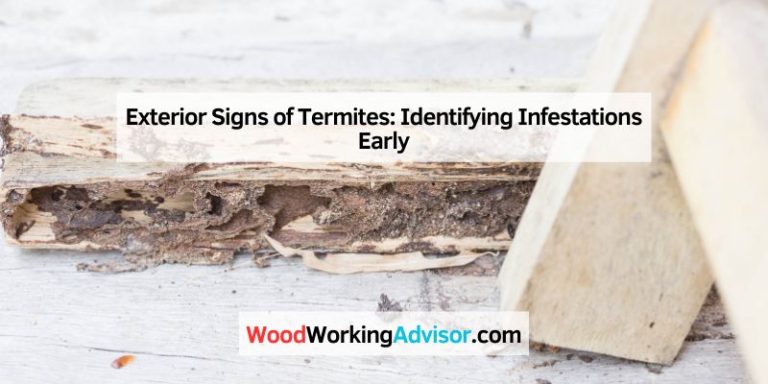
- Small holes in wood: Termites eat from the inside out, leaving tiny holes.
- Hollow-sounding wood: Tap on wood. If it sounds hollow, it might be termite-damaged.
- Discarded wings: Termites shed wings when they find a new home.
I remember when I first found termite tubes in my basement. I was shocked at how hidden they were, but once I knew what to look for, it was easy to spot them.
So, there you have it. Look in the right places and know the signs. It’s like being a detective in your own home. Stay vigilant, and you can catch these pests before they cause too much trouble.
Preventing Termite Infestations
Termites can wreak havoc on your home. Their mud tubes are a sign of trouble. But, don’t worry! There are ways to keep these pests away. Let’s explore some simple steps you can take.
Home Maintenance Tips
Regular home maintenance is key to keeping termites at bay. Here are some easy tips:
- Keep Wood Away: Store firewood and lumber away from your home. Termites love wood.
- Fix Leaks: Water attracts termites. Fix any leaks in your pipes and roof.
- Seal Cracks: Check your home’s foundation and walls for cracks. Seal them to block termite entry.
- Ventilate Properly: Ensure good airflow in your attic and basement. Damp areas attract termites.
Doing these small tasks can make a big difference. Trust me, I learned this the hard way when my basement had a surprise termite visit last spring.
Professional Pest Control
Sometimes, home maintenance isn’t enough. That’s where professionals come in. Here’s why hiring them can help:
- Expert Inspection: Pros know where to look. They can spot signs of termites early.
- Effective Treatments: They use strong treatments that are safe for your home but deadly for termites.
- Regular Monitoring: They offer regular check-ups to ensure termites don’t return.
Hiring a professional can save you time and money in the long run. After all, you don’t want to deal with costly repairs. I remember my friend John had to replace half his wooden floor because of termites. Yikes!
In conclusion, preventing termite infestations isn’t too hard. By following some simple maintenance tips and knowing when to call a pro, you can protect your home. Stay vigilant and keep those termites away!
Credit: www.altapestcontrol.com
Frequently Asked Questions
How Fast Do Termites Build Tubes?
Termites can build tubes rapidly, often within a few days. Their construction speed depends on colony size and environmental conditions.
Should You Destroy Termite Mud Tubes?
Yes, destroy termite mud tubes. This disrupts their pathways and makes it easier to monitor termite activity. Always seek professional pest control services to ensure complete eradication.
How Fast Do Termites Build Mounds?
Termites can build mounds at a rapid pace, often constructing several meters in just a few months. Their speed depends on species and environmental conditions.
How Long Does It Take For Termites To Build A Tunnel?
Termites can build a tunnel in a matter of days. The exact time depends on the colony size and environmental conditions.
Conclusion
Termites can build mud tubes surprisingly fast. It often takes just days. These tubes are vital for their survival. They protect termites from predators and harsh weather. Early detection is crucial to prevent damage. Regular home inspections help spot these tubes.
Acting quickly can save your home from costly repairs. Understanding termite behavior is essential. Stay vigilant and protect your property. Keep an eye out for those tiny, yet destructive, builders.