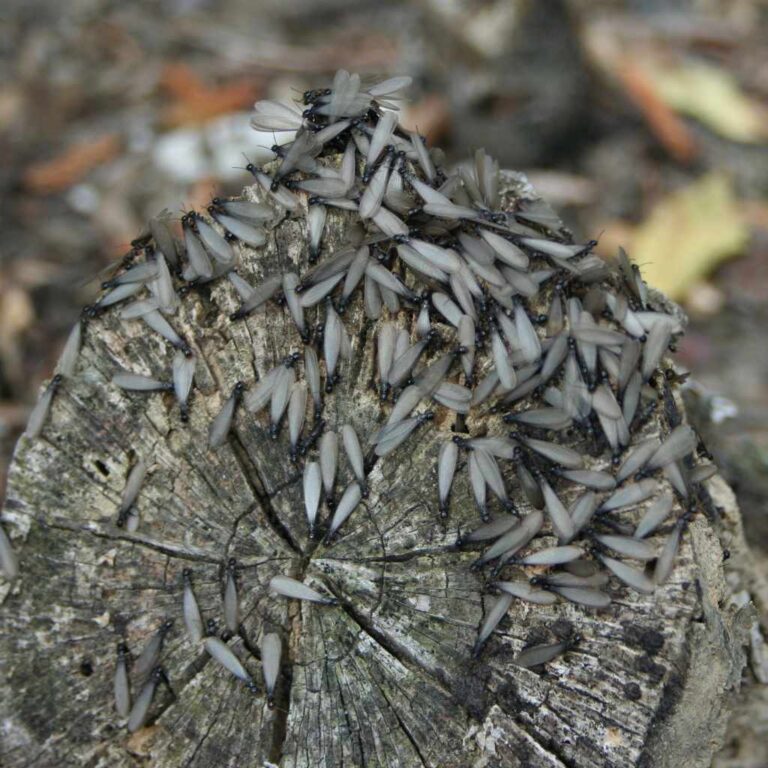
Termites in Wood Floors: Signs, DIY Removal & Treatment Cost
Termites in wood floors sound hollow when tapped and leave pencil-thin mud tubes climbing nearby walls — but drywood termites need no soil contact at all and hide entirely inside the board. Left untreated, a colony can turn floor joists to sawdust within a few years and cost $1,500 or more to fix. This guide covers identifying the infestation, DIY borate and bait treatment, when a professional job is worth it, and how to keep termites from coming back — part of our broader wood floor care and maintenance coverage.
Signs You Have Termites in Your Wood Floors
Best DIY Wood Termiticide Pick
 |
PenaShield Borate Wood Preservative & Termiticide (1 Gal.) – $40.19 A ready-to-use, borate-based treatment you brush or spray directly onto exposed subfloor or joists after removing damaged flooring — it penetrates the wood grain rather than sitting on the surface, and dries clear so treated boards can still be sanded, stained, or sealed.
|
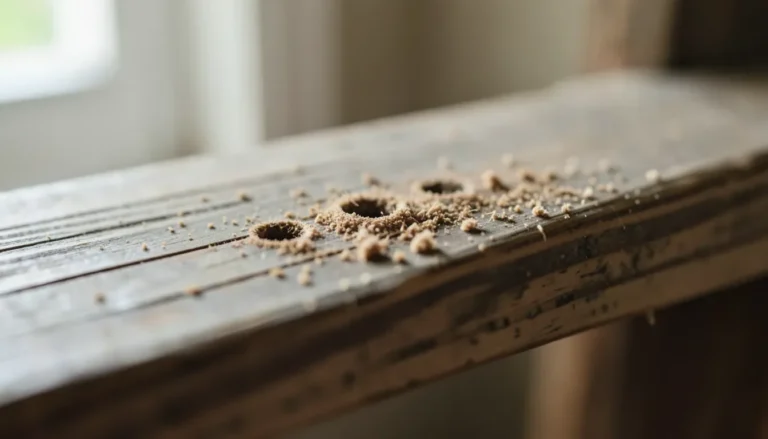
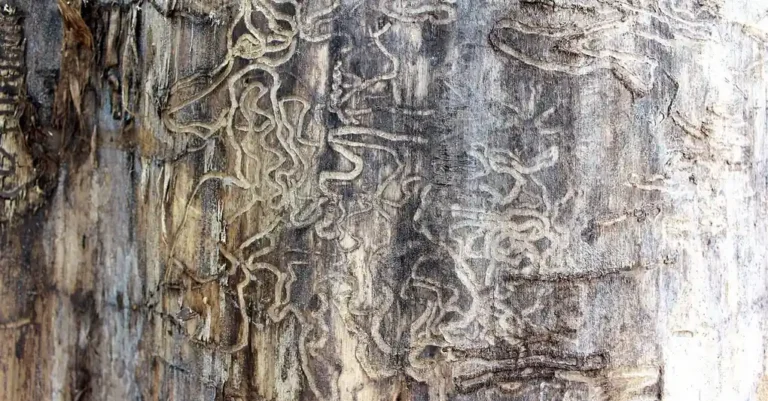
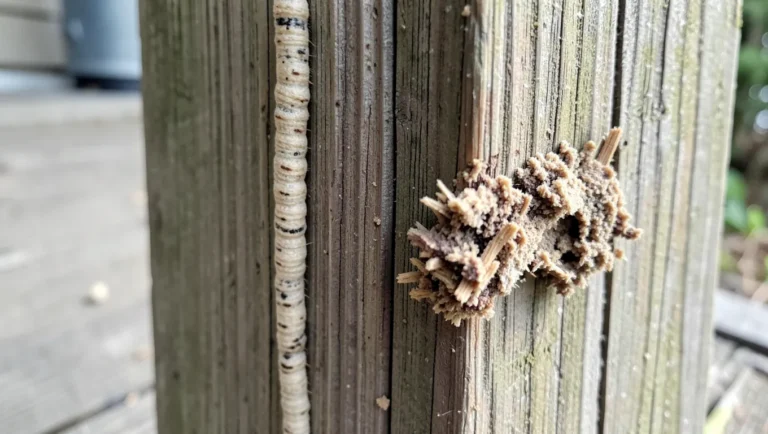
A hollow sound when you tap a floorboard with a screwdriver handle is the fastest field test — termites hollow out wood from the inside, leaving a thin veneer that drums instead of thuds. Look for pencil-thin mud tubes running up baseboards or foundation walls, small pinholes with fine sawdust-like droppings (frass) underneath, blistered or peeling finish that mimics water damage, and boards that have started to buckle or feel spongy underfoot.

The three termite types found in U.S. homes need different treatments, so identifying which one you have matters before you buy anything. Subterranean termites live in the soil and build mud tubes to reach your floors while staying moist. Drywood termites live entirely inside the wood with no soil contact and leave hard, pellet-shaped droppings. Dampwood termites target consistently wet wood — a leaking pipe under a floor is a classic dampwood entry point. If the damage isn’t confined to flooring, our guide on how to kill termites in wood covers furniture and framing lumber specifically.
How to Get Rid of Termites in Wood Floors: Step-by-Step
These six steps combine what a homeowner can safely do with wood-accessible products and when to bring in a licensed technician for the colony itself:
- Confirm the infestation and species: Tap suspect boards with a screwdriver handle — a hollow, papery sound plus pencil-thin mud tubes on nearby walls points to subterranean termites, while clean, pellet-like droppings under the board point to drywood termites, which changes which treatment actually works.
- Pull up or expose the damaged section: Remove the affected flooring or baseboard so bare wood is accessible; treating over finish or carpet blocks the product from penetrating.
- Apply a borate wood treatment to exposed wood: Brush or spray a ready-to-use borate solution onto every exposed surface of the joists, subfloor, and sill plate, following the label’s coverage rate; this stops termites from feeding on the wood you can reach.
- Add bait stations along the exterior foundation: Install termite bait stations every 10 feet or so around the home’s perimeter to intercept the foraging colony feeding the infestation, not just the wood indoors.
- Reduce moisture and seal entry points: Fix any leaks, keep gutters clear, and caulk gaps where pipes or slab meet framing — termites need consistent moisture, and cutting off damp wood removes their reason to stay.
- Call a licensed pest control company for the colony itself: DIY treatment protects the wood you can reach; if mud tubes keep reappearing or damage spreads after 2–3 weeks, a professional liquid barrier or fumigation treatment is what actually eliminates the colony.
Chemical vs. Natural Termite Treatments
Liquid termiticides create a chemical barrier in the soil that kills or repels termites crossing it; professionals apply products containing fipronil or imidacloprid and keep people and pets clear during application. Bait stations work more slowly — termites carry the bait back to the colony, which can eliminate the whole nest over weeks rather than just the termites that touch the barrier. Natural options like orange oil (its active compound, D-limonene, kills termites on contact) and beneficial nematodes that prey on termite larvae work on a smaller, more localized scale and are usually paired with, not substituted for, a structural treatment.
| Method | How It Works | Best For |
|---|---|---|
| Borate wood treatment | Penetrates exposed wood, poisons termites that feed on it | Exposed subfloor, joists, trim after removing flooring |
| Liquid termiticide barrier | Soil-applied chemical barrier around the foundation | Subterranean termite colonies, whole-house protection |
| Bait stations | Slow-acting bait carried back to the colony | Long-term monitoring and colony elimination |
| Orange oil / nematodes | Contact-kill or biological predation, localized | Small drywood pockets, supplementing chemical treatment |
Repairing Termite Damage in Wood Floors
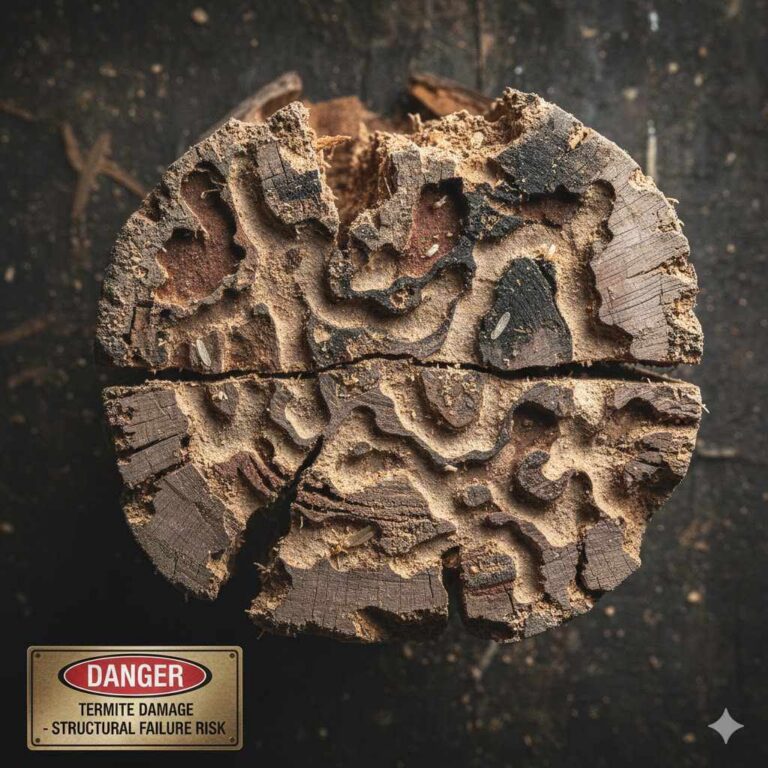
Before repairing anything, confirm the infestation is actually treated — patching over active termites just hides the problem. Check how deep the damage runs: press a screwdriver into suspect boards, and if it sinks in easily or the wood crumbles, the structural integrity is compromised, not just cosmetic. Minor surface damage can be filled with wood filler and sanded smooth once treatment is complete. For damage that goes through the board, cut out the affected section back to solid wood, splice in new lumber, and seal the new wood with a borate treatment before refinishing so the repair doesn’t become the next entry point.
“The boards that feel spongy near an exterior wall are almost always the worst of it — that’s usually where moisture and termites meet. We’ve found pulling just those boards and treating the exposed joist underneath with a borate solution stops the spread before it reaches the rest of the room.”
— Our team, on-site flooring assessments
How Much Does It Cost to Treat Termites in Wood Floors?
DIY borate treatment for exposed wood runs $30–$50 per gallon, which covers roughly 100–200 square feet of subfloor or joists. Professional treatment costs considerably more depending on method and colony size.
📊 Termite treatment nationally averages around $1,500, ranging from about $240 for a small localized job to $6,500 for full-structure fumigation — a standard liquid perimeter treatment on a 2,500-square-foot home averages roughly $520, while bait station systems typically run $1,500–$3,000 installed and monitored. Source: US EPA, Termites: How to Identify and Control Them
Preventing Future Termite Infestations
Termites need consistent moisture and a way in, so cutting off both is most of the prevention work. Keep gutters and downspouts clear so water doesn’t pool against the foundation, fix plumbing leaks under floors promptly, and maintain a gap between soil or mulch and any exterior wood siding or trim. Seal visible gaps where pipes, slabs, or foundation walls meet framing, and schedule a professional inspection annually — most termite damage goes unnoticed for months precisely because it starts inside the wood, not on the surface.
Choosing the Right Professional Termite Service
Check for state licensing and ask how long the company has specifically treated wood flooring, since a technician used to slab foundations may not know how to work around finished hardwood. Ask what treatment method they recommend and why — a company that jumps straight to fumigation without inspecting for a smaller, localized fix may be overselling. Compare at least two quotes, and confirm whether the warranty covers re-treatment if termites return, since a warranty is often worth more than a slightly lower price.
Frequently Asked Questions
How to treat termites in a hardwood floor?
Identify the damaged boards first, then treat exposed wood directly with a borate solution and place bait stations along exterior walls. Seal cracks in trim and subfloor. For an active colony inside walls or slab, hire a licensed pest control company for a liquid barrier or fumigation treatment, since DIY products only protect the wood they touch.
How do you permanently get rid of termites in wood?
No single DIY product permanently removes termites once they are established in structural wood — permanent control means combining a professional liquid termiticide barrier or bait system around the foundation with borate treatment of exposed wood and ongoing moisture control. Most pest control companies back this combination with an annual renewable warranty.
What do professionals use to kill termites?
Licensed technicians most often use liquid termiticides containing fipronil or imidacloprid applied to the soil around the foundation, or in-ground bait stations using hexaflumuron, which the EPA registered as a reduced-risk active ingredient. Heat and fumigation are used for drywood termites confined to isolated wood members.
Can I treat wood for termites myself?
Yes, for wood you can reach — exposed subfloor, joists, sills, and trim — a borate-based wood preservative applied by brush or sprayer gives real, EPA-registered protection and stops an active local infestation in that specific board. It cannot reach termites tunneling inside a wall cavity or under a slab, which is when a professional treatment becomes necessary.
How much does it cost to get rid of termites in a house?
Nationally, termite treatment runs from about $240 to $6,500 depending on method and infestation size, with a typical average near $1,500. A standard liquid perimeter treatment on a 2,500-square-foot home averages around $520, while bait systems typically run $1,500 to $3,000 installed and monitored.
Conclusion
Termites in wood floors are treatable once you know which type you’re dealing with: borate treatment handles the wood you can reach, bait stations and liquid barriers handle the colony itself, and moisture control keeps them from coming back. Catching hollow-sounding boards and mud tubes early keeps a $40 bottle of borate solution from turning into a $1,500-plus professional job. When in doubt about how deep the damage runs, a licensed inspector’s assessment is worth the cost before you start cutting into your floor.
Sponsored / affiliate links. As an Amazon Associate I earn from qualifying purchases. I may earn additional commission from eligible campaigns.
 Floor Repair Kit for Squeaky Wood Floors Under Carpet, Squeak No More Wood Floor Repair Kit with 5 Tools and 50 Notch Screws for Hardwood Carpet DIY FixFloor Repair Kit for Squeaky Wood Floors Under Carpet, Squeak No More Wood Floor Repair Kit with 5 Tools and 50 Notch Screws for Hardwood Carpet Flooring