How Long Does It Take Wood Ash to Decompose: Discover Now
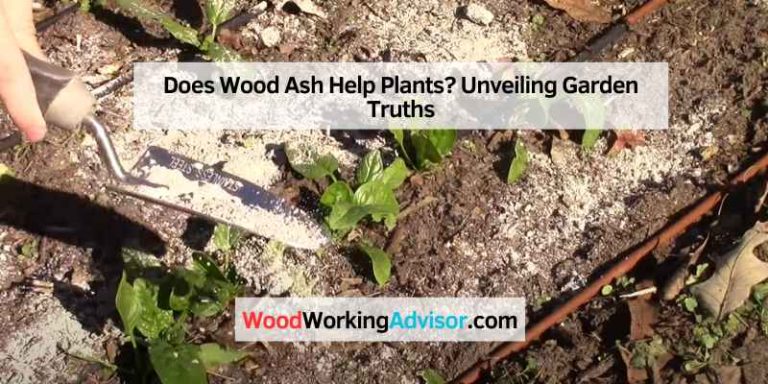
Have you ever wondered what happens to wood ash after it leaves your fireplace or wood stove? While it might seem like just a pile of gray dust, wood ash has the potential to be quite beneficial for your garden and compost pile.
However, before you start scattering it around, you might be asking yourself, “How long does it take wood ash to decompose? ” Understanding the decomposition process of wood ash is crucial for maximizing its benefits and ensuring it doesn’t harm your plants or soil.
By exploring the timeline and factors that influence wood ash decomposition, you’ll gain valuable insights that can enhance your gardening practices and improve soil health. Stick around as we delve into the science behind wood ash and discover how to use it effectively in your garden.

Credit: www.sciencedirect.com
Wood Ash Composition
Wood ash is mostly made of minerals. It has calcium carbonate, which helps plants grow. There are also other minerals like potassium and magnesium. These minerals make the soil better. Wood ash is very alkaline. This means it can change soil pH. It helps balance the soil. But too much ash can harm plants. Balance is key.
Ash also has some micro-nutrients. These are zinc, copper, and iron. They are needed in tiny amounts. They help plants stay healthy. Wood ash does not have nitrogen. Plants need nitrogen to grow fast. So, you must add other fertilizers. Use wood ash wisely for best results.
:max_bytes(150000):strip_icc()/GettyImages-1316014114-39f21c7673644783bf36ce543e830161.jpg)
Credit: www.treehugger.com
Factors Influencing Decomposition
Water helps wood ash break down. Moisture levels need to be just right. Too much water can slow down the process. Not enough water and the ash stays dry. This can make decomposition take longer. Balance is key.
Temperature can change how fast things break down. Warm temperatures help speed up decomposition. Cold temperatures might slow it down. Wood ash needs a warm spot to break down fast. But too hot can be bad too. A nice medium temperature is best.
The type of soil matters a lot. Rich soil helps ash break down quickly. Sandy soil might not work as well. Clay soil can hold moisture but might slow things too. A good mix helps wood ash decompose faster.
Tiny living things help break down wood ash. These are called microbes. More microbes mean faster decomposition. They need air and food to work best. Healthy soil has lots of these microbes. They make the process quick and easy.
Natural Decomposition Process
Wood ash decomposes slowly. Tiny organisms break it down. Rain and wind help too. This process can take months. Sometimes even years. Wood ash is alkaline. It changes soil pH. This can slow decomposition. Many factors affect the speed. Temperature, moisture, and soil type matter. Warm, wet conditions speed things up. Dry, cold conditions slow things down.
Wood ash contains many minerals. Potassium and calcium are common. These minerals react with water. This creates chemical changes. Minerals dissolve over time. This helps soil. It can make soil healthier. But too much ash can harm plants. Balance is key. Proper use helps the environment. Use small amounts. Mix well with soil. This helps decomposition.
Effects Of Particle Size
Wood ash breaks down faster when it is in small pieces. Smaller pieces allow air and water to reach them easily. This speeds up the decomposition process. Larger pieces take more time to decompose. They block air and water from reaching all parts. It’s like breaking a big rock into smaller stones. The smaller stones will wear down faster. Particle size matters in how quickly wood ash becomes part of the soil. Keeping wood ash small can help it mix with soil quicker. This is good for plants and the environment.
Role Of Environmental Conditions
Climate changes affect wood ash decomposition. In warm places, decomposition happens faster. Cold climates slow down the process. Rainfall also plays a big role. Too much rain can wash away nutrients. Dry conditions might slow down decomposition too. Balance in weather helps decomposition.
Different ecosystems handle wood ash differently. Forests might absorb ash quickly. Grasslands may take longer to break it down. Soil type affects decomposition speed. Rich soils can speed up the process. Sandy soils might slow it down. Plants and animals in the ecosystem also help. They break down ash and return nutrients to the soil.
Accelerating Decomposition
Composting techniques can speed up wood ash decomposition. Mixing wood ash with green and brown materials helps. Green materials include fruit scraps and grass clippings. Brown materials are leaves and straw. These materials provide nutrients and air. Turn the compost pile often. This keeps the pile warm and active. Warm piles decompose faster. Moisture is important. Keep the pile damp, but not soggy. Too much water slows down decomposition.
Use of additives can also help. Lime is a common additive. It balances pH levels in the compost. Balanced pH speeds up the process. Fertilizers can be added too. They give extra nutrients to the compost. These nutrients help the microbes work faster. Microbes break down the wood ash. Faster microbes mean faster decomposition. Always add the right amount of additives. Too much can harm the compost pile.
Common Myths About Wood Ash
Many people think wood ash takes years to decompose. This is a common myth. Wood ash breaks down faster than most believe. It starts decomposing in three to six months. Another myth is that wood ash harms plants. This is not true. Wood ash is good for soil. It adds nutrients like calcium and potassium. Some say wood ash attracts bugs. This is also a myth. Wood ash can actually repel certain pests. It keeps snails and slugs away.
There is also a belief that wood ash is toxic. Wood ash is not toxic if used correctly. Always use only clean, untreated wood ash. Avoid ash from painted or treated wood. These can harm plants. Don’t overuse wood ash. Too much can change soil pH. Always spread ash thinly over the soil.

Credit: en.wikipedia.org
Practical Applications Of Wood Ash
Wood ash can improve soil health. It adds essential nutrients like potassium. Calcium in wood ash helps balance soil acidity. Magnesium and phosphorus are also present. Use wood ash sparingly. Too much ash can harm plants. Sprinkle it lightly over the garden. Mix it well with the soil.
Wood ash acts as a natural pest repellent. Slugs dislike wood ash. Spread it around plants to keep them away. Ants and beetles avoid wood ash too. Create a barrier with ash. Reapply after rain. Ash loses its power when wet.
Wood ash is useful in homes. Clean glass with it. Ash is a gentle scrub. It removes grime easily. Wood ash absorbs bad smells. Sprinkle some in trash cans. Use it in compost bins too. It speeds up decomposition. Ash makes slippery paths less dangerous. Sprinkle it on icy steps.
Frequently Asked Questions
Does Wood Ash Decompose?
Wood ash does not decompose. It consists of inorganic minerals left after wood burns. These minerals remain stable in soil, providing nutrients. Ash can improve soil fertility, but it doesn’t break down like organic matter. Use it sparingly to avoid altering soil pH too much.
Can You Throw Away Wood Ash?
Yes, you can throw away wood ash, but use caution. Ensure it’s cool and free of harmful materials. Dispose of it in your garden or compost bin to enrich soil. Avoid discarding in areas where it may cause dust or environmental harm.
Always check local regulations for proper disposal methods.
Are Wood Ashes Good For The Soil?
Wood ashes enrich soil with potassium and calcium. They balance soil pH but avoid using on acidic-loving plants. Use moderately to prevent nutrient imbalance. Always test soil before application to ensure proper ash usage. Properly applied, wood ashes can enhance soil health and boost plant growth.
What Are The Disadvantages Of Wood Ash?
Wood ash can raise soil pH excessively, harming plants. It may contain heavy metals like cadmium, which are harmful. Excessive use can disrupt nutrient balance, affecting plant growth. Its fine particles can cause respiratory issues when inhaled. Ash can also create a slippery surface when wet, posing safety risks.
Conclusion
Wood ash decomposes slowly, enriching soil over time. It enhances plant growth by providing nutrients. Use it sparingly to avoid soil imbalance. Regular checks ensure safe and effective use. Avoid large piles; they can hinder decomposition. Mix ash with compost for better results.
It helps balance pH levels in acidic soils. Remember, less is often more with ash. Patience brings healthy soil and robust plants. Try it, see the difference in your garden. Nature’s cycle takes time, but rewards are worth the wait.
Keep experimenting, and watch your garden thrive naturally.