Ash Tree Bark vs Oak Bark: How to Tell Them Apart (No Leaves)
Ash bark forms smooth, interlacing diamond ridges; oak bark is deep, rough, and furrowed — but bark alone gets unreliable on trees under 10 years old. Misreading a struggling ash as oak can mean missing emerald ash borer damage until the tree is unsalvageable. This guide covers the bark differences, the opposite-branching twig test that works without leaves, and what each wood offers once you are back in the shop.
Insert Affiliate Disclosure reusable block here.
What’s the Big Deal About Ash Tree Bark vs. Oak Bark?
Best Tree ID Field Guide Pick
Trees: A Folding Pocket Guide to Familiar North American Plants – $8.95
A durable, laminated fold-out guide you can keep in a pocket or glovebox for a fast bark-and-leaf check without hauling a full field guide book into the yard.
- Best for: readers who want a quick, pocket-sized reference for the bark-plus-branching check this article teaches
- Why we picked it: laminated fold-out format holds up outdoors better than a paperback, and it is small enough to carry on a walk
- Main drawback: covers fewer species than a full field guide, so it is a supplement rather than a replacement for one
Compare more tree ID guide options
 Option 1 Bark: A Field Guide to Trees of the Northeast
|
 Option 2 The Sibley Guide to Trees
|
 Option 3 Trees, Leaves & Bark (Take Along Guides)
|
As an Amazon Associate we earn from qualifying purchases.
Knowing bark is useful for two different reasons. If you’re sourcing your own lumber, bark tells you what species you’re looking at before you ever cut into the trunk. If you’re just trying to keep a tree healthy, bark condition is often the first visible sign that something is wrong. Ash and oak are two of the most popular hardwoods in North American woodworking, and their bark looks distinctly different once you know what to check.
The Arbor Day Foundation’s tree identification guide uses the same bark-plus-branching approach covered below, and it’s a solid reference once you’re ready to identify species beyond ash and oak.
Identifying Ash Tree Bark
Ash bark has a tidy, woven look. It isn’t as rough or deeply grooved as oak.
- Ridges: Lighter-colored, raised ridges that form diamond or interlacing patterns, especially as the tree matures — like a relaxed basket weave.
- Texture: Smoother than oak. You won’t find the deep, rugged canyons of an old oak trunk.
- Color: Grayish-brown, with ridges a shade lighter than the furrow areas.
- Young vs. old: Younger ash trees have smoother, thinner bark; the diamond ridges become more defined with age.
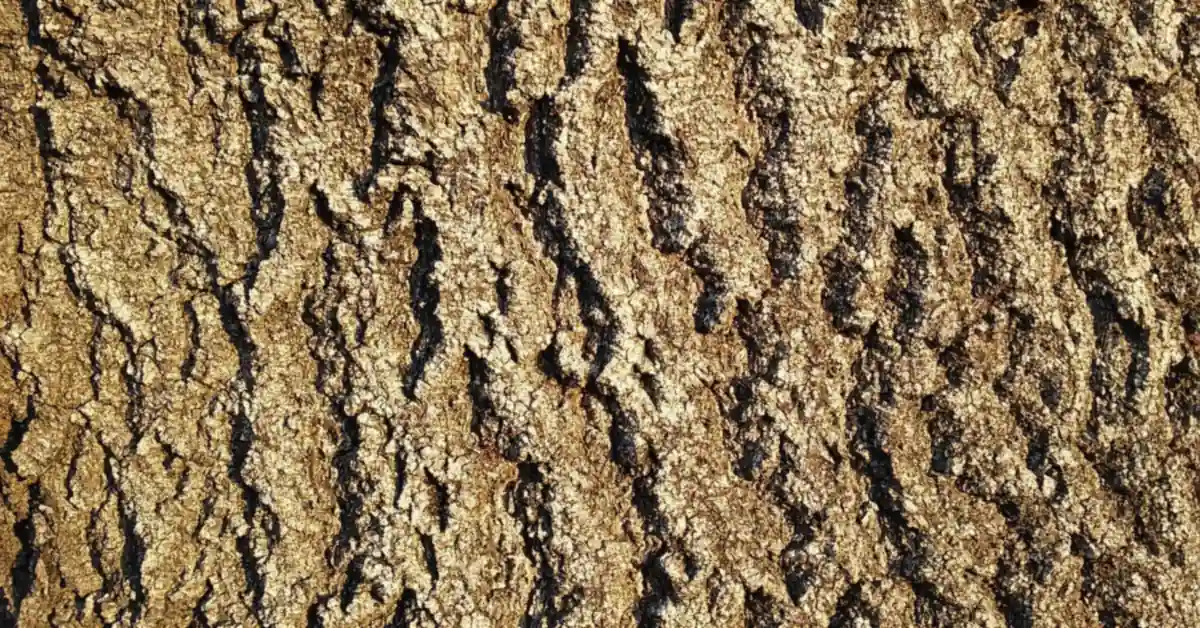
Identifying Oak Bark
If ash bark is neat and woven, oak bark is the rugged cousin — built for toughness and it shows.
- Deep furrows: The classic oak signature — deep cracks running up and down the trunk.
- Rough texture: Feels like thick, hardened leather that’s seen some weather.
- Color: Dark gray to almost black in the deeper crevices; lighter on the outer ridges.
- Ridge pattern: Broad, flat-topped ridges or irregular, blocky patterns depending on the species — bold divisions rather than neat interlacing.
- Moss and lichen: Common on older oak trunks, adding to the weathered look (not part of the bark itself, but a frequent companion).
The Twig Test: Tell Them Apart Without Any Bark or Leaves
Bark alone fails on young trees, damaged trunks, or bark that’s been stripped by weather or animals. When that happens, check the branching pattern instead — it works year-round, even in winter with no leaves on the tree.
- Look at how the branches attach: Ash has opposite branching — branches and buds grow directly across from each other in pairs, not staggered. Very few tree groups share this trait, which makes it a near-certain ash indicator on its own.
- Check the twig buds: Oak (and most other hardwoods) has alternate branching, with buds staggered along the twig rather than paired.
- Confirm with a leaf if one is available: Ash leaves are compound, with 5 to 9 leaflets on a single stem; oak leaves are simple, one leaf blade per stem.
The opposite-branching test is faster than bark reading once you know what to look for, and it’s the method arborists fall back on for a quick, no-guesswork check.
Ash Tree Bark vs. Oak Bark: Key Differences at a Glance
| Feature | Ash Tree Bark | Oak Bark |
|---|---|---|
| Ridges | Lighter color, interlacing, diamond patterns, or woven look. | Darker, deep furrows creating bold, often irregular patterns. |
| Texture | Generally smoother, more organized. | Rough, rugged, deeply grooved. |
| Color | Grayish-brown with lighter ridges. | Dark gray to black, especially in furrows. |
| Overall impression | Neater, more structured, sometimes described as “basket-like.” | Rugged, weathered, deeply creased, like thick old leather. |
| Age effect | Ridges become more pronounced and defined. | Furrows deepen, often becoming home to moss and lichen. |
| Branching (twig test) | Opposite — branches/buds paired directly across from each other. | Alternate — buds staggered along the twig. |
Why Getting This ID Right Matters: Emerald Ash Borer
Correctly telling ash from oak isn’t just a woodworking curiosity in North America right now — it’s a practical safety check. The emerald ash borer (EAB), an invasive beetle, has killed hundreds of millions of ash trees across the US and Canada and only attacks ash, never oak. According to the North Carolina Forest Service, confirmed infestations now span most of the eastern and midwestern United States.
If you can’t first confirm a tree is ash using the bark and twig tests above, EAB warning signs are easy to misjudge. Watch for these once you’ve confirmed the species:
- Thinning or dieback in the upper canopy over one to a few growing seasons
- Small, D-shaped exit holes in the bark, roughly the width of a grain of rice
- Vertical bark splits that reveal winding, S-shaped tunnels underneath
- Increased woodpecker activity, since birds feed on the larvae under the bark
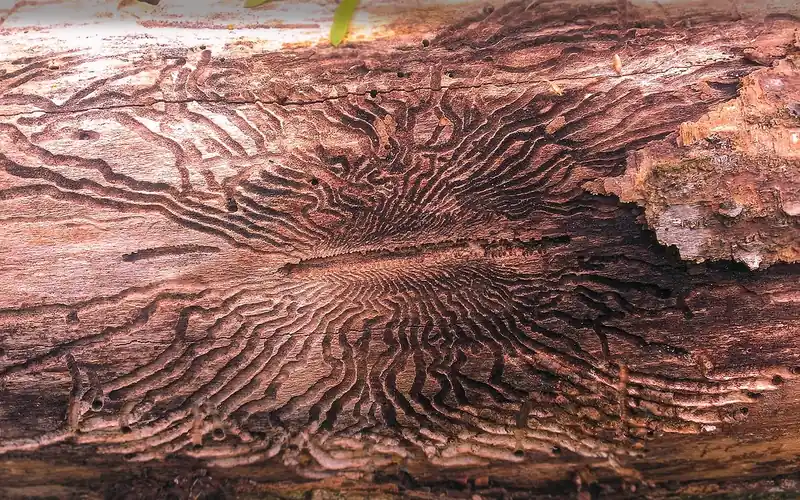
Emerald ash borer is a wood-boring beetle whose larvae tunnel under ash bark, cutting off the tree’s ability to move water and nutrients. It does not affect oak, elm, or maple, which is exactly why species ID has to come first, not the infestation check.
The Wood Itself: Beyond the Bark
Bark tells you what tree you’re looking at. The wood inside determines what it’s good for.
Ash Wood Properties
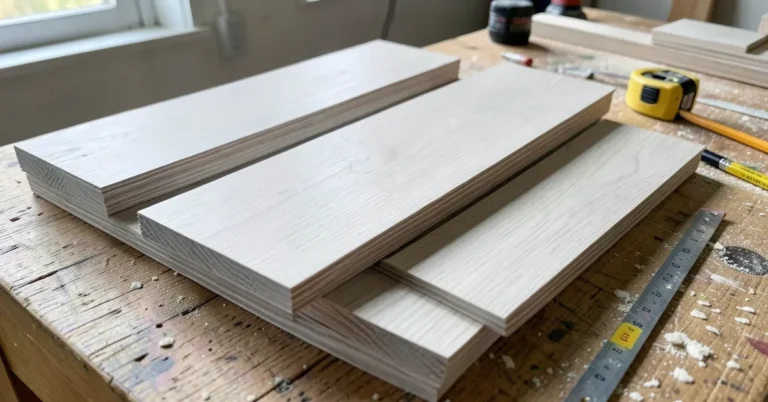
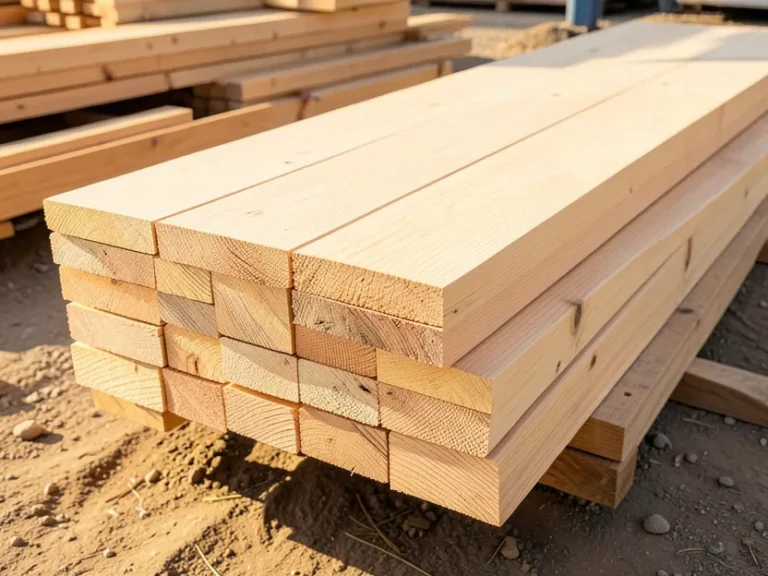
Ash wood is known for strength, shock resistance, and a straight, ribbon-like grain.
- Grain: Prominent, straight grain with visible growth rings, giving a striped appearance.
- Color: Light to medium brown heartwood, sometimes with reddish streaks; creamy white sapwood.
- Strength and flexibility: Excellent shock absorption, ideal for tool handles, baseball bats, and furniture that takes impact. Bends well with steam.
- Workability: Easy to work with hand or power tools; glues and finishes well, though the coarser texture needs extra attention for a glass-smooth surface.
- Durability: Wear-resistant, a solid choice for flooring and high-use furniture.
Oak Wood Properties
Oak is the go-to hardwood for traditional furniture and building work, known for strength, hardness, and a distinctive figure.
- Grain: Open, coarse grain with medullary rays — flecks and ribbons running perpendicular to the growth rings, most visible in quarter-sawn oak.
- Color: Red oak runs pinkish-brown; white oak is more grayish-brown to light brown. Both have lighter sapwood.
- Strength and hardness: Exceptionally hard, resistant to wear, decay, and insect damage — especially white oak.
- Workability: Harder on tools due to density and grain, but glues and finishes well, showing off the figure.
- Durability: White oak in particular resists decay and water, making it a standard choice for outdoor furniture, boat building, and barrels.
Ash Wood vs. Oak Wood: A Comparison for Your Workshop
When choosing between the two for a project, weigh what the finished piece needs to do and look like.
| Characteristic | Ash | Oak |
|---|---|---|
| Grain pattern | Straighter, prominent growth rings (“striped” or “ribbon-like”). Less dramatic than oak. | Coarser, open grain with distinctive medullary rays (“flecking” or “wavy” patterns, especially quarter-sawn). |
| Color | Light to medium brown, creamy white sapwood. Can show reddish streaks. | Pinkish-brown (red oak) to grayish-brown (white oak). Light sapwood. |
| Hardness & strength | Very strong, high shock resistance, good flexibility. | Extremely hard and strong, very durable, good wear resistance. |
| Shock absorption | Superior — the standard choice for tool handles and sports equipment. | Good, but ash outperforms it for pure shock absorption. |
| Workability | Generally easier to work; glues and finishes well. Coarser texture needs extra finishing care. | Harder on tools, needs sharp blades. Glues and finishes well, highlighting the grain. |
| Durability & decay resistance | Durable, good wear resistance. | Highly durable, especially white oak (excellent water and decay resistance). |
| Typical uses | Tool handles, baseball bats, furniture frames, bentwood pieces, flooring. | Furniture, cabinetry, flooring, barrels, boat building, outdoor structures. |
Common Projects for Ash and Oak
Projects That Shine with Ash
- Tool handles: Superior shock resistance means it won’t splinter or break easily on impact.
- Sports equipment: Baseball bats, lacrosse sticks — anything that needs to take a solid hit.
- Chairs and stools: Especially legs or frames under stress. Ash’s bending properties also suit curved chair backs.
- Broom handles and rakes: Durable and light enough for everyday tools.
- Flooring: Hard enough for high-traffic areas.
- Contemporary furniture: A cleaner, more linear look that suits modern and mid-century designs.
Projects That Excel with Oak
- Traditional furniture: Strength, beauty, and classic appearance make it a default for dining tables, dressers, and sturdy cabinetry.
- Cabinetry and doors: Hardness and stability suit long-lasting kitchen cabinets and entry doors.
- Flooring: Iconic for durability and classic looks.
- Outdoor furniture and structures: White oak’s rot and insect resistance suits decks, patios, and garden benches.
- Barrels: The standard for aging wine and spirits.
- Boat building: White oak’s strength and water resistance suit boat frames and planking.
Mistakes Beginners Make and How to Avoid Them
It’s easy to mix up woods or pick the wrong one for a project when you’re starting out. A few common hiccups and fixes:
- Confusing sapwood and heartwood: Lighter colored wood on the outside of a log is sapwood; heartwood is the denser, darker wood in the center. Both ash and oak have light sapwood — it’s not a different species, just part of the same tree.
- Assuming all oak (or ash) is the same: Multiple species exist within each group, and a White Oak can behave differently than a Red Oak. For most beginner projects, the general ash-vs-oak differences covered here are enough.
- Picking based on bark alone: Bark is a clue, not the whole story. When buying lumber, check the wood grain and color directly rather than relying on what the bark looked like on the tree.
- Choosing the wrong wood for the job: A softer wood won’t hold up where you need shock resistance, and going overboard with oak on a project that needs bending or lightness wastes both wood and effort. Match the wood to the demands of the piece.
Frequently Asked Questions About Ash Tree Bark vs. Oak
How can I tell ash bark from oak bark if the tree is young?
Young ash trees have smooth bark with faint, interlacing ridges just starting to form. Young oak trees also have smoother bark than mature ones, but it trends darker with shallow, straighter grooves rather than ash’s diamond pattern. Under about 10 years old, bark alone is unreliable on either tree — use the opposite-branching twig test instead.
Does the bark of a tree tell you about the quality of the wood inside?
Not directly. Bark does not indicate grain straightness or knot count. A healthy-looking bark on a mature tree usually means healthy wood inside, but overall wood quality depends more on growth conditions and species than on bark appearance.
Can I use ash bark or oak bark for anything?
Historically, tree bark was used for tanning leather, dyeing, and some medicinal preparations. In modern woodworking, bark is removed and discarded to reveal the usable wood underneath — it is not used in construction or furniture making.
What is the main difference in the wood of ash versus oak?
The biggest practical difference is grain pattern and shock resistance. Ash has a prominent straight grain and superior shock absorption, which is why it is the standard choice for tool handles and baseball bats. Oak has a coarser grain with distinctive medullary rays and is exceptionally hard and durable, better suited to furniture and structural work.
Which wood is stronger, ash or oak?
Both are strong hardwoods, but in different ways. Oak is generally harder and more resistant to denting and wear. Ash is exceptionally strong in shock resistance and bending strength, meaning it absorbs impact without breaking. For sheer hardness, oak wins; for toughness under impact, ash is the better choice.
Is oak more expensive than ash?
Prices vary by region, availability, and species — White Oak typically costs more than Red Oak, for example. In general, ash and oak sit in a similar price range for common hardwoods, though higher grades of oak with pronounced figure can command a premium.
Does bark alone tell me if my ash tree has emerald ash borer?
Not by itself. Vertical bark splitting that reveals winding, S-shaped tunnels underneath is a strong EAB indicator, but you also need to check for D-shaped exit holes, canopy dieback, and increased woodpecker activity. If you cannot first confirm the tree is ash using the bark and twig tests in this guide, any bark damage you see could belong to an unrelated species or a different pest entirely.
Ash or Oak: You Can Now Tell Them Apart
Ash bark reads as neat and woven; oak bark reads as rugged and deeply furrowed. When bark alone doesn’t settle it — young trees, damaged trunks, winter with no leaves — the opposite-branching twig test closes the gap. That same identification matters beyond woodworking too: knowing you’re looking at an ash, specifically, is the first step in catching emerald ash borer damage before it’s too late.
Once you know which tree you’re working with, the wood itself tells you the rest — ash for shock resistance and clean lines, oak for hardness and bold grain. Keep the comparison table above as a quick reference, and trust the twig test whenever the bark alone leaves you guessing.
Sponsored / affiliate links. As an Amazon Associate I earn from qualifying purchases. I may earn additional commission from eligible campaigns.