How Long Should Pressure Treated Wood Dry before Staining: Expert Tips
You’ve finally decided to give your deck or outdoor furniture a fresh, new look by staining it. But before you can dive into the project, there’s a crucial step you can’t skip: letting your pressure treated wood dry properly.
You might be wondering, “How long should pressure treated wood dry before staining? ” Getting this timing right is key to ensuring that your stain adheres well and provides the protection you need. If you rush this process, you risk wasting time, effort, and money on a finish that won’t last.
Imagine the satisfaction of knowing your staining project will stand the test of time, resisting the elements and maintaining its beauty. Understanding the drying time is essential to achieving that peace of mind. We’ll walk you through everything you need to know to make sure your pressure treated wood is perfectly prepared for staining. Stick with us, and you’ll be equipped with the knowledge to transform your wood into a stunning masterpiece that you can be proud of.
Drying Time Factors
Pressure treated woodcomes in different types. Each dries at its own pace. Hardwoods like oak dry slower than softwoods like pine. Softwoods absorb waterquickly and dry faster. The density of the wood matters too. Denser wood holds more water. It takes longer to dry. Choosing the right wood type is crucial. It affects the drying time a lot.
The climateplays a big role in drying wood. Dry and warm weather helps wood dry faster. In contrast, humid and cold weather slows down the process. Sunlight aids in drying. But rain can make wood wet again. The location matters too. Coastal areas are often more humid. Drying takes longer there.
Understanding the moisture contentis key. Moisture meters help measure it. Wood should have less than 15% moisture before staining. High moisture causes problems. Stains won’t stick well. Wet wood can warp and twist. Regular checks with a meter ensure safe drying. It’s a simple but important tool.
Signs Of Readiness
Look for color changes in the wood. Dry wood is lighter. Wet wood looks darker. Check for cracks. Dry wood might have small cracks on the surface. If the wood looks wet or shiny, it is not ready.
Feel the wood with your hand. Dry wood feels rough and solid. Wet wood feels cold and soft. If your hand gets wet, the wood is not ready. Let it dry more.
Use a moisture meter to check wood. It shows how much water is inside. A reading under 15% means the wood is dry. Over 15% means it is still wet. Check different spots for accuracy.
Common Mistakes
Pressure treated wood often requires adequate drying time before staining. Many mistakenly rush the process, leading to uneven finishes. Waiting at least six months ensures the wood is sufficiently dry for a smooth application.
Rushing The Process
Pressure treated woodneeds time to dry. People often rush to stain it. This mistake can lead to a poor finish. The wood might still be wet inside. Staining too soon traps moisture. This can cause peeling and damage. Be patient. Wait for the wood to dry.
Ignoring Weather Conditions
The weather plays a big role. Rain or humidity can delay drying. Many ignore this and stain too soon. Sunny daysare best for drying wood. But even then, check the wood. Don’t rely on the weather alone. Make sure the wood is truly dry.
Using Incorrect Tools
Tools matter a lot in staining. Some use the wrong brush. This leads to uneven staining. Use a quality brush or sprayer. Proper toolsgive a smooth finish. Don’t forget the safety gear. Gloves and masks keep you safe. Choose the right tools and gear.
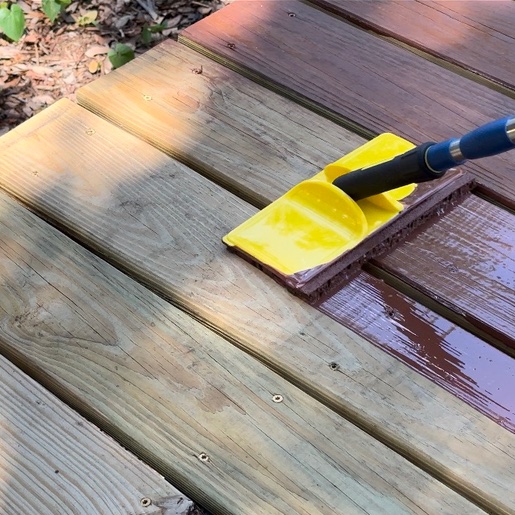
Credit: thecraftsmanblog.com
Expert Recommendations
It is important to let wood dry. Pressure treated wood needs time. A period of 3 to 6 months is best. This allows the wood to dry well. Dry wood helps the stain absorb better. This results in a nice finish. Check wood for dryness before staining. Water should soak in, not bead up.
Choose a dry day for staining. The temperature should be around 50°F to 90°F. Avoid windy or rainy days. Staining in good weather helps it stick better. This makes the finish last longer. Also, ensure the surface is clean. Dirt can ruin the stain look.
Keep the wood clean and dry. Reapply stain every couple of years. Inspect wood for damage regularly. Fix any issues quickly. This keeps wood strong and looking good. Protects against wear and tear. A little care goes a long way.
Environmental Impact
Sustainabilityis important for our planet. Pressure-treated wood uses chemicals. These chemicals help wood last longer. But, they can harm the environment. It’s good to think about the impact on nature.
Many people choose eco-friendly options. Wood from well-managed forests is a great choice. It helps reduce deforestation. Buying local wood also supports local communities.
Recycled materials are another choice. They help keep waste low. Using bamboo is smart. It grows fast and is strong.
Sustainability Considerations
- Pressure-treated wood has chemicals.
- These chemicals can harm nature.
- Using wood from managed forests helps the planet.
- Local wood supports local jobs.
- Recycled materials reduce waste.
- Bamboo is strong and grows quickly.
Alternatives To Pressure-treated Wood
Many people look for safer wood options. Cedar is a great choice. It resists bugs naturally. Redwood is also good. It lasts long without chemicals.
Composite wood is popular. It’s made from wood and plastic. It lasts long and needs less care. Metal and plastic can be used, too. They don’t rot and are strong.
These choices are better for the environment. They help keep our planet healthy.

Credit: www.sand-stain.com
Frequently Asked Questions
How Long To Wait Before Staining Pressure Treated Wood?
Pressure treated wood should dry for at least 4-6 months before staining. This period allows the wood to release moisture absorbed during treatment. Proper drying ensures optimal stain absorption and long-lasting results. Always check the wood’s moisture content with a moisture meter before applying stain for the best outcome.
Can I Stain Pressure Treated Wood Immediately?
No, staining pressure treated wood immediately is not recommended. The wood needs time to dry completely, typically 4-6 months. Staining too soon can lead to peeling, flaking, and poor stain adhesion. Waiting ensures the best results and long-lasting protection for your wood surfaces.
What Happens If You Stain Wet Pressure Treated Wood?
Staining wet pressure treated wood can cause issues like peeling and flaking. Wet wood prevents proper stain penetration, leading to uneven color and poor adhesion. This results in a shorter lifespan for the stain and potentially costly reapplications. Always ensure the wood is dry before staining.
How Do I Know If My Wood Is Dry Enough?
Use a moisture meter to check if your wood is dry enough for staining. The wood should have a moisture content below 15% for optimal staining. A moisture meter provides accurate readings, ensuring your wood is ready for stain application and long-lasting results.
Conclusion
Staining pressure treated wood needs patience. Wait till it’s dry. Typically, this takes a few months. Check the wood’s moisture level. Use a moisture meter for accuracy. Staining too soon leads to poor results. Proper drying ensures better stain absorption.
This makes the finish last longer. Choose the right stain for your wood type. Follow the manufacturer’s instructions. This helps achieve the best outcome. Take your time. Your wood project will look great and last longer.