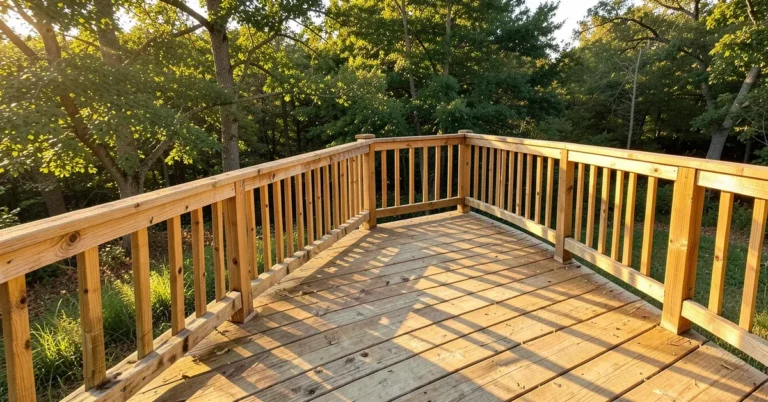
Do You Need to Seal Pressure Treated Wood? (Moisture Test First)
Pressure-treated wood does not need sealing to resist rot or insects — the chemical treatment already handles that. But unsealed PT boards still cup, crack, and gray within a single season once exposed to sun and rain. Skipping a sealer usually means replacing deck boards in 3-5 years instead of 10-15. This guide covers the 15% moisture / water-drop test that tells you when lumber is actually ready, which sealer type lasts longest, and how kiln-dried-after-treatment (KDAT) lumber changes the timing.
Quick Answer
Sealing is optional for structural survival but recommended for appearance: pressure-treated wood resists rot and insects on its own, but a clear or tinted sealer blocks the moisture cycling and UV exposure that cause cupping, splitting, and graying. Standard PT lumber needs 2-6 months to dry before it can accept sealer — KDAT lumber can usually be sealed the same day it’s installed.
Why Pressure-Treated Wood Still Needs Sealing
Best Pressure-Treated Wood Sealer Pick
Thompson’s WaterSeal Clear Wood Sealer, Clear, 1 Gallon
A clear, water-based penetrating sealer built specifically for pressure-treated lumber and other exterior wood.
- Best for: General clear sealing on decks, fences, and siding without changing the wood’s color
- Why we picked it: The most recognized clear sealer brand for pressure-treated lumber; water-based formula cleans up easily and is widely stocked
- Main drawback: Clear film sealers like this typically need reapplication every 1-2 years, sooner on horizontal deck boards that take direct sun
Compare more pressure-treated wood sealer options
 Option 1 DEFY Extreme Crystal Clear Outdoor Wood Stain and Sealer in One – Clear Waterproof Sealant for Wood Decks, Fences, & Siding, 1 Gal, Made in USA
|
 Option 2 Ready Seal Exterior Wood Stain & Sealer, Natural Cedar, Turbo Spray
|
 Option 3 SEAL-ONCE Marine Penetrating Wood Sealer and Waterproofer, Clear, 1 Gallon
|
As an Amazon Associate we earn from qualifying purchases.
Pressure treatment forces chemical preservatives (usually alkaline copper quaternary, or ACQ) deep into the wood fibers, which is what stops termites and fungal decay. What it does not do is stop the wood from absorbing and releasing moisture. Every time PT lumber gets wet and then dries out, the fibers swell and shrink — and that repeated cycle is what causes cupping, surface checking, and splitting, not rot.
A sealer forms a water-repellent barrier (or, with a penetrating oil, fills the fiber’s pores) so the board absorbs far less water on each rain cycle. Add a UV-blocking additive and it also slows the gray, weathered look untreated PT wood develops within a few months outdoors. Pressure-treated lumber is durable against biological decay by design — sealing protects the parts of the wood that treatment chemicals were never meant to address.
How to Tell When PT Lumber Is Ready to Seal
Sealing lumber before it has dried out from the treatment process is the single most common mistake in this project — sealer trapped under a wet surface will bubble, peel, or simply fail to bond. Two checks confirm the wood is ready:
- Moisture meter reading: Test with a pin-type or pinless moisture meter at several spots on the board. Aim for 15% moisture content or lower before applying any sealer or stain; some manufacturers allow up to 19%, but 15% and under gives the most reliable bond.
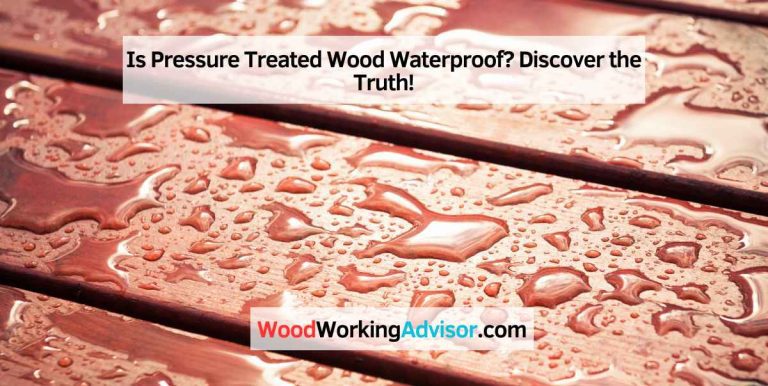
- Water-drop test (no meter needed): Splash a few drops of water onto the surface. If it beads up and sits, the wood is still too wet to seal. If it soaks in within 5-10 minutes, the board is ready.
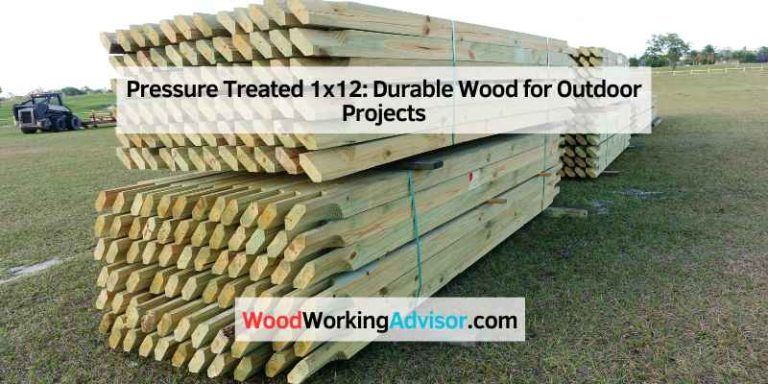
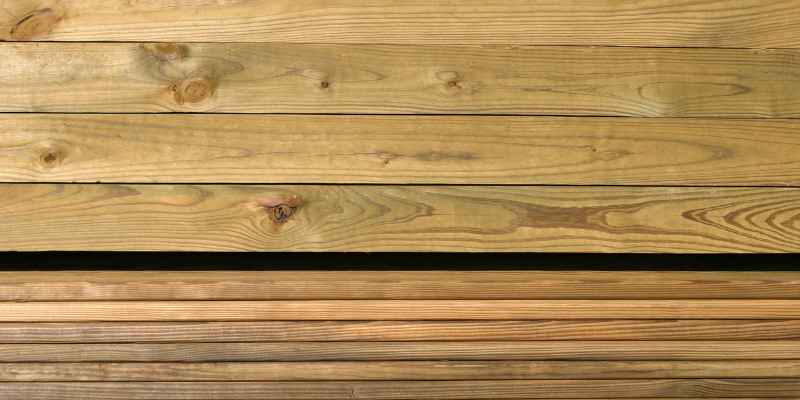
Standard pressure-treated lumber comes off the treatment line saturated and typically needs 2 to 6 months of outdoor drying time before it passes both tests, depending on climate and board thickness. Kiln-dried-after-treatment (KDAT) lumber is dried in a kiln after the treatment process specifically so it can be sealed, stained, or painted right away — check the tag stamp or ask your lumberyard, since KDAT and standard PT boards are often stocked side by side at the same price point. For full timing breakdowns by board thickness and season, see our guide on how long to wait before staining pressure-treated wood.
📊 Moisture readings can swing 5-7 percentage points between morning and afternoon on the same board as surface moisture evaporates in direct sun — test in the same conditions you plan to seal in, not first thing in the morning after dew.
Choosing the Right Sealer
Three sealer types cover most pressure-treated wood projects: clear film-forming sealers sit on the surface and repel water without changing appearance; penetrating oil sealers soak into the fibers for deeper protection, which matters most on ground-contact posts; and semi-transparent or solid-color stains add both a tint and a water barrier in one coat. Film sealers need the most frequent reapplication (about once a year on horizontal deck boards), while penetrating oils and stains typically last 1-2 years. If you plan to stain it, make sure to clean it properly before staining first for the finish to actually bond.
How to Prep and Apply Sealer to Pressure-Treated Wood
- Confirm the wood is dry: Run the moisture-meter and water-drop tests above. Do not proceed until both pass.
- Clean the surface: Sweep off debris, then wash with a deck cleaner or a mild detergent and water to remove dirt, mill glaze, and mildew. Let it dry fully — usually 24-48 hours.
- Sand rough or fuzzy spots: Lightly sand raised grain or splintering areas with 80-120 grit sandpaper so the sealer soaks in evenly.
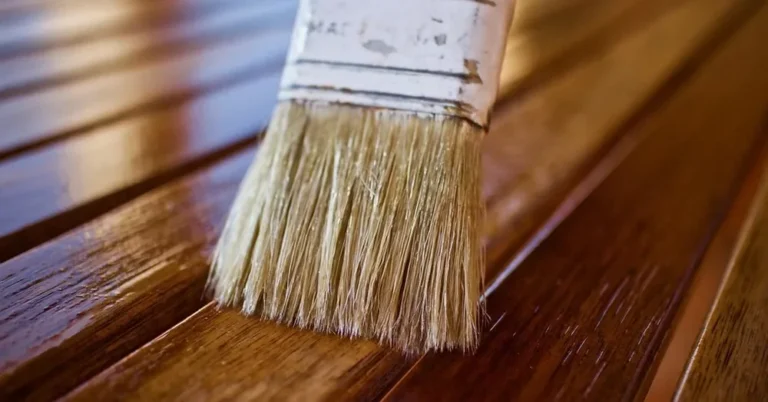
- Apply the sealer: Use a pump sprayer, roller, or brush and work with the grain. Apply a thin, even coat — a heavy coat pools on the surface and dries tacky instead of soaking in.
- Back-brush as you go: If spraying, follow immediately with a brush or roller to work the sealer into the grain and avoid drip marks or puddling.
- Let it cure before use: Most water-based sealers are dry to the touch in a few hours but need 24-48 hours of full cure time before foot traffic or furniture goes back on the surface.
Stain vs. Seal: Which Should You Use?
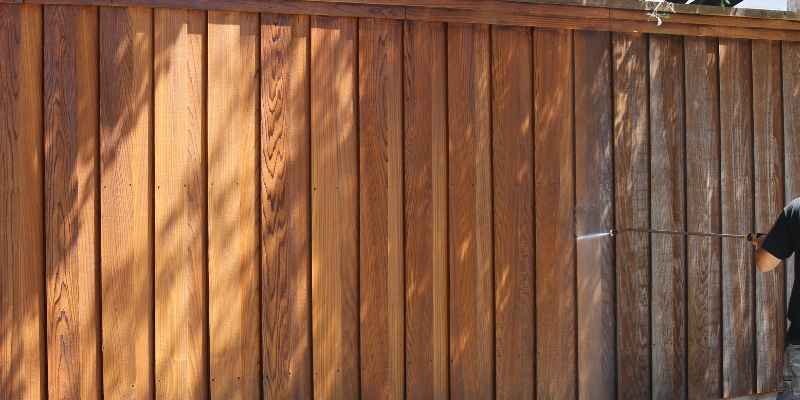
A clear sealer protects the wood without changing its look, which works well if you like the natural weathered tone or plan to paint later. A stain adds pigment along with water resistance, which does a better job of blocking UV-driven graying and evening out color differences between boards. If you want the lowest-maintenance option and don’t mind a tint, choose a semi-transparent or solid-color stain-sealer combo instead of a pure clear sealer.
| Option | UV protection | Changes wood color | Typical reapplication |
|---|---|---|---|
| Clear sealer | Minimal to moderate | No | Every 1 year (horizontal surfaces) |
| Penetrating oil | Moderate | Slight (deepens grain) | Every 1-2 years |
| Semi-transparent stain | Good | Yes (light tint) | Every 2-3 years |
| Solid-color stain | Best | Yes (opaque) | Every 3-5 years |
If you decide to add color, see our full breakdown of the best long-lasting stain for pressure-treated wood, and check whether your product is compatible with an existing finish in our guide to using Thompson’s WaterSeal over stained wood.
Maintaining Sealed Pressure-Treated Wood
Rinse the surface a few times a year to clear dirt and organic debris before it traps moisture against the wood. Once a year, check how water behaves on the surface — if it soaks in within a few minutes instead of beading, the sealer has worn through and it’s time to clean and reapply. Catching this before the wood starts graying keeps each recoat quick, since you’re sealing rather than restoring.
Frequently Asked Questions
What happens if you don’t seal pressure-treated wood?
The wood will not rot or attract insects, since the pressure treatment already protects against those. But without a sealer, repeated wetting and drying causes cupping, surface checking, and splitting, and unprotected UV exposure grays the wood within months. Untreated (unsealed) boards typically need earlier replacement than sealed ones on the same structure.
How long do you have to wait to seal pressure-treated wood?
Standard PT lumber usually needs 2 to 6 months of outdoor drying before it passes a 15% moisture-meter reading and a water-drop test. KDAT (kiln-dried-after-treatment) lumber is dried during manufacturing and can typically be sealed the same day it’s installed — check the board’s stamp to confirm which type you have.
Is it better to stain or seal pressure-treated wood?
A clear sealer is the better choice if you want to keep the wood’s natural look; a stain-sealer combo is the better choice if you want stronger UV protection and don’t mind adding color. Both provide water resistance — the difference is appearance and how often you’ll need to recoat.
Can you use any sealer on pressure-treated wood?
Most exterior wood sealers work on pressure-treated lumber, but check the label for compatibility with ACQ-treated wood specifically, since ACQ’s copper content can corrode certain fasteners and react poorly with some older oil-based formulas. Water-based and marine-grade penetrating sealers are generally safe bets for modern ACQ-treated boards.
What kind of sealer should I use on pressure-treated wood?
For general deck and fence use, a clear water-based penetrating sealer is the easiest starting point. For ground-contact posts or areas with standing water risk, choose a marine-grade penetrating sealer instead of a film-forming one, since it resists peeling in constantly wet conditions.
Conclusion
Pressure-treated wood doesn’t need sealing to survive structurally, but skipping it means accepting cupping, splitting, and early graying years sooner than a sealed board would show them. Confirm the wood is dry with a 15% moisture reading and a water-drop test, pick a clear sealer or a stain-sealer combo based on how much UV protection and color you want, and plan to recoat on the schedule your chosen product calls for. Browse the full pressure-treated wood guide hub for related project questions.
Sponsored / affiliate links. As an Amazon Associate I earn from qualifying purchases. I may earn additional commission from eligible campaigns.