Lowe’s Pressure Treated Lumber: Types, Grades and End Tags
Lowe’s sells pressure treated lumber under its Severe Weather brand, and it comes in two main versions: labeled for above-ground use or labeled for ground contact. The preservative is not the same on every board, because Lowe’s own product guide says Severe Weather lumber may be treated with copper azole (CA-C) or with a propiconazole and tebuconazole formula (PTI), so the end tag is the only reliable answer.
Most articles about this question name one chemical and one species and stop there. That advice can send you home with the wrong board. Below is what the Lowe’s listings and Lowe’s own documents actually say, how to read the tag stapled to the end of each piece, and which version fits a deck, a fence post or a raised bed. Lowe’s blocks automated page requests, so product details here come from Lowe’s published PDF guides and from listing titles shown in search results, not from walking a store aisle.
What Type of Pressure Treated Wood Does Lowe’s Sell?
Best End-Cut Preservative Pick
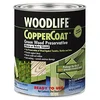 |
Wolman WoodLife CopperCoat Green Wood Preservative, 1 Qt, $25.99 Every board you cut at home exposes untreated wood, and Lowe’s own warranty paperwork calls for a brush-on end coat on those cuts for some Severe Weather lumber.
|
Searching Lowe’s Severe Weather listings shows the same pattern again and again: Southern yellow pine boards, a grade stamp (#1, #2, #2 Prime or Appearance), and a use label of either Above ground or Ground contact. Here is a sample of listing titles that appeared in search results, so you can see how the labels are mixed across sizes.
| Listing (size) | Species | Use label in title | Grade in title |
|---|---|---|---|
| 2x4x8 | Southern yellow pine | Ground contact | #2 Prime |
| 4x4x8 | Southern yellow pine | Ground contact | #1 |
| 4x6x12 | Southern yellow pine | Ground contact | #2 |
| 1x6x16 | Southern yellow pine | Above ground | #2 |
| 1x4x10 | Southern yellow pine | Above ground | Appearance |
| 1x4x8 | Southern yellow pine | Ground contact | Appearance |
| 1x2x8 | Southern yellow pine | Above ground | #1 |
Two things stand out. First, the size does not tell you the use rating: a 1×4 appears in both an above-ground and a ground-contact version, so you cannot assume thin boards are always the cheaper tier. Second, Lowe’s warranty paperwork also names Douglas-Fir and Hem-Fir versions of Severe Weather lumber, so in some regions the species is not pine at all. Stock changes by store and season, so treat the table as a pattern, not an inventory.
For nominal-versus-actual dimensions, see our 5/4 deck board actual size guide and the 2×4 price and size breakdown, so this page can stay focused on the treatment.
Which Preservative Is in Lowe’s Treated Lumber?
A widely repeated claim says all Lowe’s treated lumber is micronized copper azole (MCA). That does not match what Lowe’s publishes. The Severe Weather product information guide states that products may be treated with copper azole (CA-C) or with propiconazole and tebuconazole (PTI), and tells buyers to read the end tag for ground contact or not-intended-for-ground-contact use. The Severe Weather limited warranty is written around brand copper azole and is issued by Koppers Performance Chemicals.
There is a third system in the same brand family. The industry site treatedwood.com lists an Ecolife version sold under the Lowe’s Severe Weather name; Ecolife is made by Viance, uses an isothiazolinone-type active ingredient (DCOI), and is designed only for above-ground use at least six inches off the soil. That is why a board labeled for decking and a post labeled for ground contact can look similar but are not interchangeable.
| Treatment named in Lowe’s or maker documents | What it is | Where it is meant to go |
|---|---|---|
| Copper azole (CA-C) | Copper plus azole biocide; the Severe Weather warranty sets minimums of 0.06 pcf above ground and 0.15 pcf ground contact | Above-ground or ground-contact, depending on the tag |
| PTI | Propiconazole and tebuconazole, as named in Lowe’s product guide | Read the tag for the use label |
| Ecolife (Viance) | DCOI-based system with an integrated stabilizer, per treatedwood.com | Above ground only, six inches or more from soil |
The takeaway: color and brand name do not identify the chemistry. If you want details on tint and what it means, our guide to brown versus green pressure treated wood covers it, and types of wood treatment goes deeper on the chemicals themselves.
How to Read the End Tag: Above Ground vs. Ground Contact
Every Severe Weather piece should carry an end tag or ink stamp, and Lowe’s warranty requires you to keep the original tag and receipt to make a claim. The tag states the AWPA use category. For retail lumber the three you will meet are:
| Use category | Plain-English meaning | Typical use |
|---|---|---|
| UC3B | Exterior, above ground, not touching soil | Deck boards, railings, joists, fence pickets |
| UC4A | Ground contact, general use | Fence posts, deck posts, garden bed frames resting on soil |
| UC4B | Ground contact, heavy duty | Structural posts and critical members that are hard to replace |
The most useful detail is hidden in the warranty text, not on the shelf. Lowe’s defines an above-ground application as one where the board is not in contact with soil, is not laid over soil on a plastic barrier, is not subject to frequent wetting, and is not buried in heavy vegetation, mulch or fill dirt. Put an above-ground board in any of those conditions and you are outside the warranty and likely shortening its life. A common rule of thumb among builders is to use ground-contact lumber for anything within six inches of the soil, even if it never touches it. Ground-contact product can be used above ground, but above-ground product cannot be used in the ground, so when in doubt on posts and low framing, buy the ground-contact tag.
Which Lowe’s Treated Lumber Fits Which Project
| Project | Tag to look for | Why |
|---|---|---|
| Deck boards and railings | Above ground (UC3B) | Exposed to rain but off the soil; a kiln-dried board is an option for less warping |
| Deck joists with good airflow | Above ground (UC3B) | Stay dry between rain events if the deck is ventilated |
| Ledger and joists close to grade | Ground contact (UC4A) | Low framing stays damp, which is the ground-contact condition |
| Fence and deck posts | Ground contact (UC4A) or UC4B | Posts sit in soil or concrete |
| Raised garden bed frame | Ground contact (UC4A) | The frame sits on or in soil |
| Anything under a plastic barrier or mulch | Ground contact (UC4A) | Matches the conditions Lowe’s says void an above-ground rating |
Raised beds deserve a caution. Lowe’s guide says not to use preserved wood where the preservative may become a component of food, animal feed or beehives, and not to use it as mulch. Many gardeners still build bed frames from ground-contact lumber, but if you grow edibles, read the tag, keep soil from heaping against the cut ends, and consider a liner. That is a judgment call for your own situation, not a safety guarantee.
Kiln-Dried After Treatment vs. Wet Lumber
Treated lumber leaves the plant soaked with preservative solution. Some products are then kiln-dried after treatment (KDAT), which removes that moisture, reduces warping and costs more, according to treatedwood.com. Search results show Severe Weather 5/4×6 deck boards listed as kiln-dried with an actual thickness of 1 inch, while framing lumber is typically sold without that step. If you plan to stain soon, ask whether the board is KDAT; for wet boards, see our guide on how long treated wood should dry before painting and our walkthrough on sealing a pressure treated deck.
Fasteners and Cut Ends: Where Treated Lumber Projects Fail
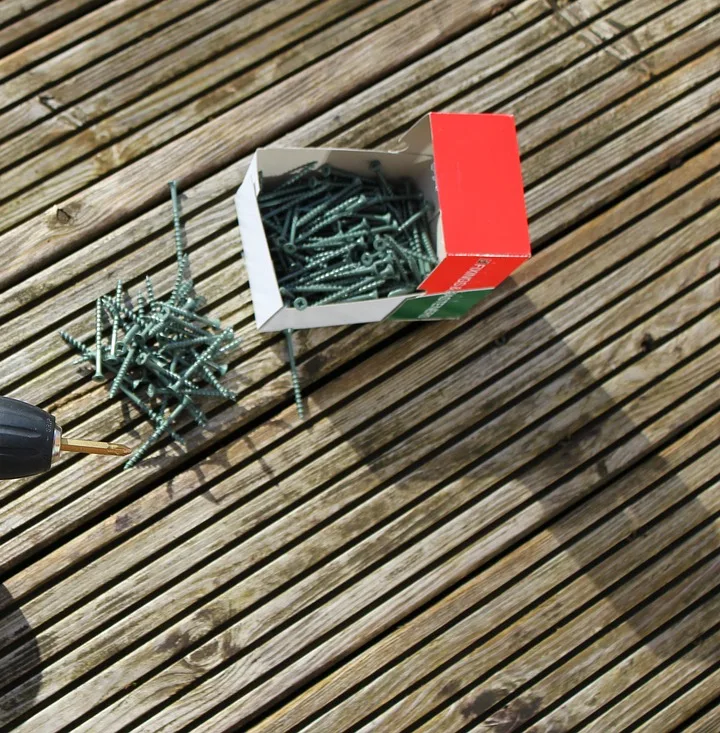
Copper-based preservatives corrode ordinary steel quickly. The treatedwood.com guidance is hot-dipped galvanized fasteners (G-185 rated connectors) or stainless steel, and it warns against electro-galvanized and light G-90 or G-60 hardware. Lowe’s guide adds that ground-contact labeled wood should not be used with aluminum building products, and the warranty asks for a quarter-inch gap or a polyethylene or nylon spacer between treated lumber and aluminum flashing, siding or frames.
Cut ends are the other weak spot. A saw cut exposes wood the preservative never reached. Lowe’s warranty requires a brush-on end coat on all saw cuts and drill holes for Douglas-Fir and Hem-Fir Severe Weather products, and it names copper naphthenate, oxine copper and zinc naphthenate as acceptable choices. Even on pine, treating cut ends is cheap insurance, and a quart goes a long way on a deck. If you have Lowe’s cut boards to length for you, see the Lowe’s wood cutting service notes, then still coat any new cut you make later.
Safety basics from Lowe’s own guide
- Wear a dust mask and goggles when cutting or sanding, and wear gloves when handling.
- Never burn treated scraps, and do not use treated wood as mulch.
- Sweep up sawdust and debris, and wash work clothes separately.
- Keep it away from drinking water supplies and from anything that may become part of food or animal feed.

Frequently Asked Questions
What type of pressure treated wood does Lowe’s sell?
Lowe’s sells pressure treated lumber under its Severe Weather brand, mostly Southern yellow pine, labeled for either above-ground or ground-contact use. Grades shown in listings include #1, #2, #2 Prime and Appearance, and some regions carry Douglas-Fir or Hem-Fir versions.
Is Lowe’s pressure treated lumber MCA or ACQ?
Lowe’s own Severe Weather product guide says the lumber may be treated with copper azole (CA-C) or propiconazole and tebuconazole (PTI), and the warranty is written for brand copper azole. Check the end tag, because Ecolife-treated boards sold under the same brand are above-ground only.
Is Lowe’s pressure treated lumber ground contact?
Only if the tag says so. Listings and end tags are labeled either Above ground or Ground contact, and a ground-contact board may be used in either condition, while an above-ground board must stay off soil, mulch and plastic-covered ground.
What does the end tag on Lowe’s treated lumber tell you?
It states the AWPA use category, such as UC3B for above ground or UC4A for ground contact, plus whether the piece is intended for ground contact. Keep the tag and receipt, because Lowe’s warranty requires them for a claim.
What screws and nails go with Lowe’s treated lumber?
Use hot-dipped galvanized or stainless steel fasteners. Avoid plain zinc or electro-galvanized hardware, which corrodes quickly against copper-based preservatives, and keep aluminum from touching ground-contact lumber.
Can I use Lowe’s treated lumber for a vegetable garden bed?
Lowe’s guide says not to use preserved wood where the preservative may become a component of food. Many gardeners use ground-contact lumber for bed frames anyway, but if you are unsure, line the bed or choose untreated rot-resistant wood.
Bottom Line
Buy by the end tag, not by the store label. Pick above-ground lumber for decking, railings and ventilated joists, pick ground-contact lumber for posts and low framing, pair it with hot-dipped galvanized or stainless fasteners, and brush every fresh cut. For a broader comparison of ground-contact ratings, see our ground contact lumber guide, and for how the Severe Weather name compares with ordinary treated lumber, read Severe Weather wood vs. treated wood.
Sponsored / affiliate links. As an Amazon Associate I earn from qualifying purchases. I may earn additional commission from eligible campaigns.