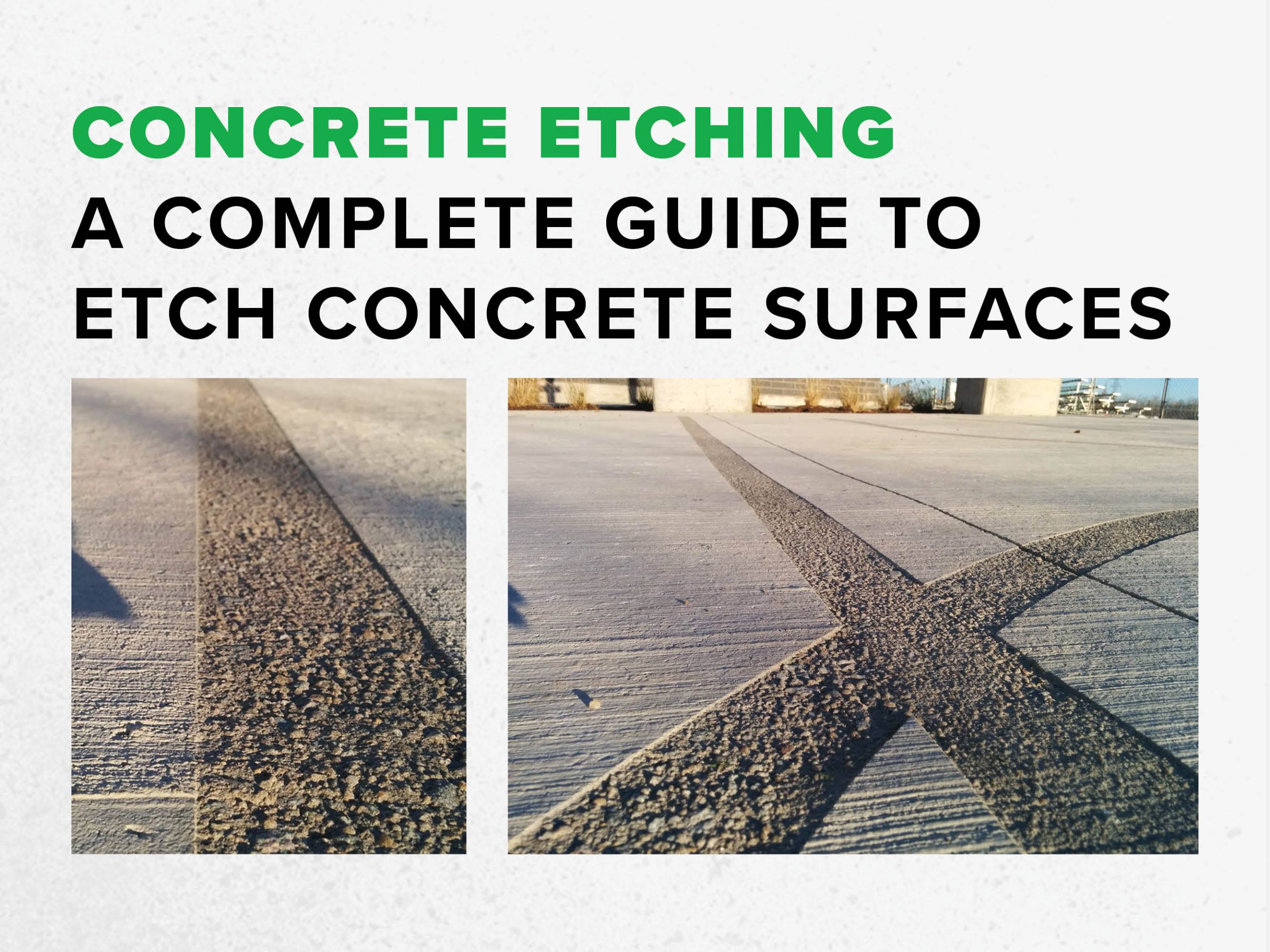
How Long to Wait After Etching Concrete: Painting Guide
Are you planning to give your concrete surfaces a fresh coat of paint? Before you dive into the transformation, there’s a crucial step you shouldn’t overlook—waiting after etching.
Timing is everything in this process, and knowing how long to wait can be the difference between a flawless finish and a peeling disaster. You might be eager to start painting right away, but patience here can save you time and money in the long run.
Imagine achieving a professional-quality look that lasts for years, without the frustration of touch-ups or do-overs. In this guide, we’ll reveal the optimal waiting period after etching concrete, ensuring your project not only starts off right but stands the test of time. Curious to unlock the secrets of perfect concrete painting? Read on to discover how to get it right the first time.
Preparing For Concrete Etching
Collect necessary materials before starting. You will need etching solution, a bucket, and a stiff brush. Don’t forget water for rinsing. Check if you have safety goggles and gloves. They will protect you from chemicals.
Wear safety gear to prevent injuries. Goggles shield eyes from splashes. Gloves keep hands safe from chemicals. Work in a ventilated area. Fresh air reduces inhaling fumes. Keep children and pets away. They might accidentally touch the chemicals.
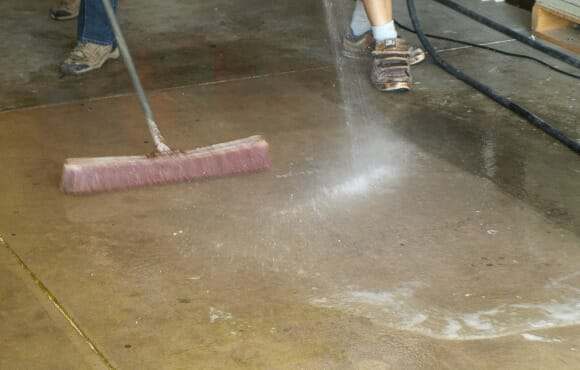
Credit: allgaragefloors.com
Etching Process Overview
Etching concretehelps paint stick better. Start with a clean surface. Use a broom to sweep away dirt. Rinse the concrete with water. Wait for it to dry. Next, mix your etching solution. Follow the instructions carefully. Pour the solution on the concrete. Use a stiff brush to scrub it in. Scrub every inch well. Rinse the concrete again. Let it dry completely. This step is crucial for good results.
Skipping the cleaning step can cause problems. Not reading the etching solution instructions is risky. Too much solution can damage concrete. Not enough scrubbing leads to poor paint adhesion. Forgetting to rinse off the solution leaves residue. Painting on wet concrete is a bad idea. Always ensure the surface is dry. Avoid these mistakes for a smooth finish.
Waiting Time After Etching
Concrete needs time to dry after etching.This wait is important. It helps the paint stick well. Different things change how long this takes.
Weather is a big factor.Warm days help concrete dry faster. Cold or rainy days slow it down. Humidity also matters. High humidity means longer drying time.
Concrete type changes drying time.Some concrete dries quick. Some takes longer. Old concrete might need more time. Fresh concrete might dry faster.
Concrete feels dry to touch.Check with your hand. If it feels cool, it might still be wet.
No dark spots on the surface.Dark spots mean moisture. Wait until all spots are gone.
Test a small area first.Apply a bit of paint. If it sticks well, the concrete is ready.
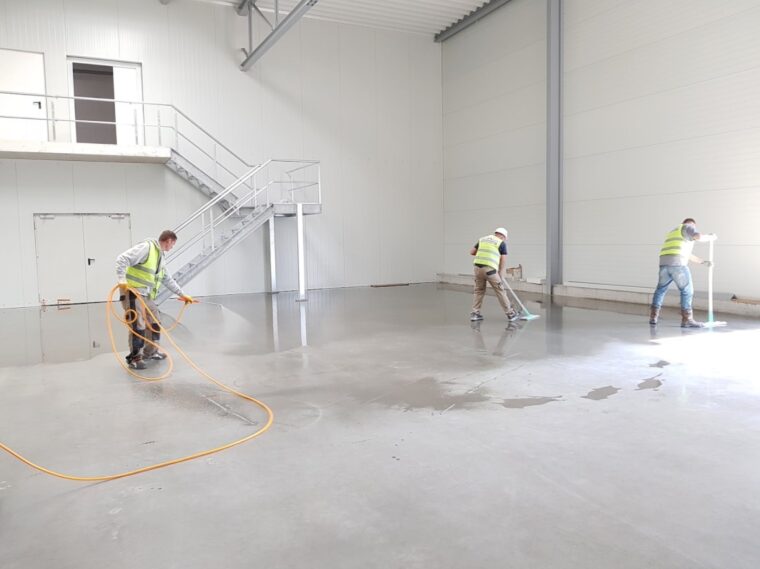
Credit: www.drylok.com
Choosing The Right Paint
Concrete needs special paint. Regular paint won’t stick well. Acrylic paint is good for concrete. It lasts long and is easy to use. Epoxy paint is strong and good for floors. It handles heavy traffic well. Latex paint is great for walls. It dries quickly and is easy to clean.
Quality matters. Some brands offer better durability. Others might be cheaper but don’t last long. Brand reputation is important. Read reviews before buying. Popular brands often have good customer support. Cost can vary. High-quality paint might cost more but saves money over time. Cheaper paint might need frequent touch-ups.
Painting Techniques
Painting concrete needs the right tools. You will need a rollerand a brush. The roller helps cover large areas. The brush is for edges and corners. A paint trayis also needed. It holds the paint and makes dipping easy. Don’t forget the drop cloth. It protects the floor. Wear gloves to keep hands clean. The right tools make painting better.
Start with a clean surface. This helps paint stick well. Use a primer first. It makes the paint last longer. Apply paint in thin layers. Let each layer dry. This stops drips and uneven spots. Use even strokes with the brush or roller. Work in small sections. It keeps the surface smooth. Check for missed spots. Touch them up quickly. A smooth finish looks nice and lasts long.
Maintaining Painted Concrete
Regular cleaning keeps painted concrete looking good. Use a soft broom to sweep dirt away. For deeper cleaning, mix mild soap with water. Scrub gently with a soft brush. Rinse well with clean water. Dry the surface with a towel. Avoid harsh chemicals or tools. These can damage the paint.
Small chips can be fixed easily. Use a matching paint color. Apply paint with a small brush. For bigger cracks, use concrete filler first. Let it dry completely. Then, paint over the filler. Regular checks help catch problems early. Fix them before they get worse. This keeps concrete looking fresh.
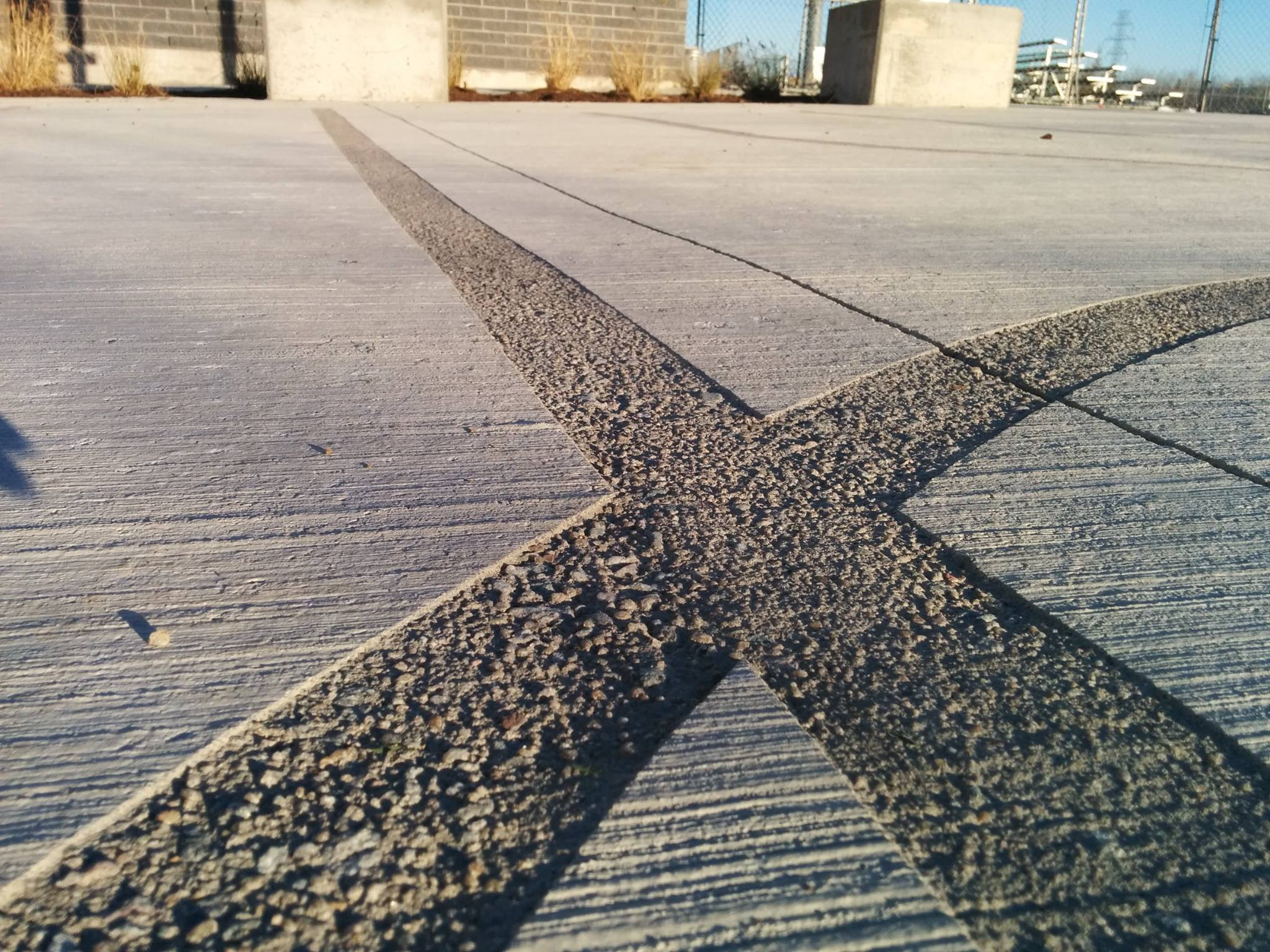
Credit: www.dustlessblasting.com
Frequently Asked Questions
How Long After Etching Can You Paint Concrete?
Typically, you should wait 24 to 48 hours after etching concrete before painting. This allows the surface to dry completely, ensuring better paint adhesion. Weather conditions can influence drying time, so it’s important to verify the dryness before proceeding.
Why Is Waiting Important After Etching Concrete?
Waiting after etching is crucial to ensure the concrete is fully dry. This prevents paint from peeling or failing due to moisture. Proper drying enhances paint adhesion, leading to a more durable and long-lasting finish on the concrete surface.
Can Weather Affect Drying Time After Etching?
Yes, weather conditions significantly impact the drying time after etching. High humidity or cold temperatures can extend drying time, while warm and dry conditions can reduce it. Always check the concrete surface for dryness before applying paint.
What If Concrete Is Painted Too Soon?
Painting too soon can lead to poor adhesion and peeling. Moisture trapped under the paint can cause blistering and flaking. Ensuring the concrete is completely dry prevents these issues, resulting in a durable, smooth finish.
Conclusion
Waiting after etching is essential for concrete painting. It ensures the surface is ready. Drying time varies with conditions. Typically, 24 to 48 hours are needed. Check moisture levels before painting. Use a moisture meter for accuracy. This helps in avoiding paint issues.
Proper preparation leads to lasting results. Enjoy a smooth painting experience. Follow these steps for great outcomes. Your concrete will thank you. Achieve a flawless finish. Get it right the first time. Happy painting!