Does Hardie Board Need Priming Before Painting?
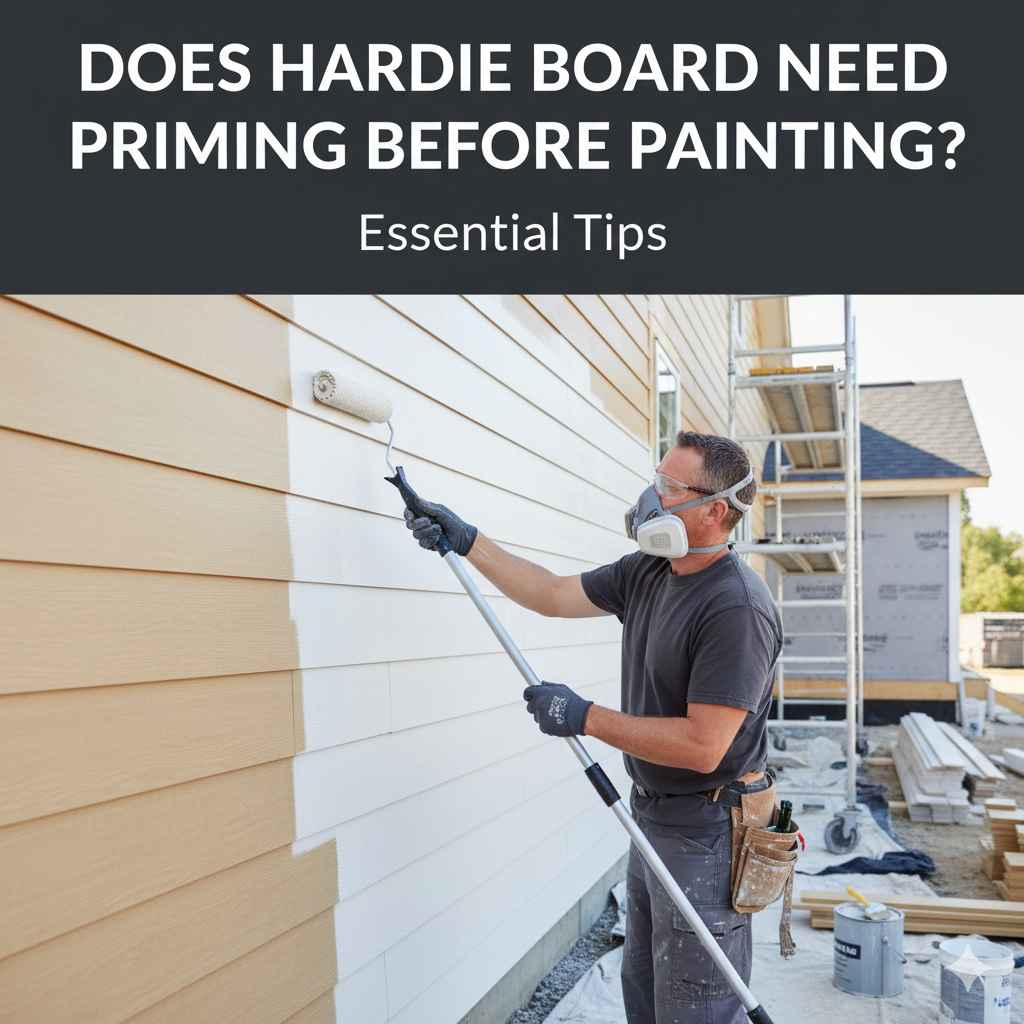
Factory-primed Hardie board must still be painted — James Hardie’s own installation instructions require paint within 180 days of installation for primed siding, and just 90 days for raw, unprimed fiber cement. Miss that window and the alkali in the cement reacts with the paint film, causing peeling, patchy “burned” spots, and a voided warranty. This guide covers the ColorPlus-vs-primed distinction, the chemistry behind why cement needs an alkali-resistant primer, and how to prime and paint it correctly.
Quick Answer
It depends on which Hardie product you have. ColorPlus® siding is factory-finished and never needs priming or painting. Primed Hardie board (the gray factory coat) must be top-coated with paint within 180 days. Raw, unprimed fiber cement — including field-cut edges on any type — needs primer and paint within 90 days to protect the warranty.
The 3 Hardie Board Finish Types — and Which Ones Need Priming
James Hardie fiber cement siding ships in three finish states, and the priming answer is different for each one. Confusing them is the single most common reason homeowners either skip a necessary primer coat or waste money priming a board that never needed it.
- ColorPlus® Technology: a baked-on, multi-coat factory finish. It arrives ready to install with no priming and no field painting required — not now, not ever, under normal conditions. Painting over ColorPlus with a third-party paint actually voids its 15-year finish warranty.
- Primed Hardie board: the plain gray or white factory undercoat, sold specifically so installers or homeowners choose their own topcoat color. This primer is not a finish coat — it is a sealer only, and it is not warrantied to hold up to weather on its own.
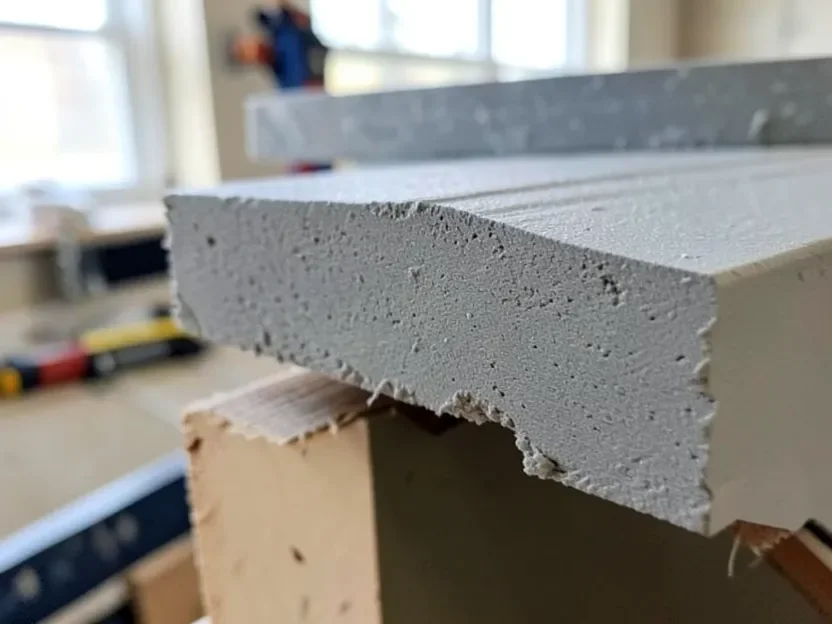
- Raw, unprimed fiber cement: mostly seen on field-cut edges (every time a board is cut on-site, the factory primer is sliced through, exposing raw cement) and on some older or trim-only products with no factory primer at all.
Per James Hardie’s own technical installation guidance, factory-primed siding must be painted within 180 days of installation, and unprimed/raw fiber cement (including field-cut edges) must be primed and painted within 90 days. These deadlines protect the product warranty, not just the appearance — leaving primer exposed to weather past that window is treated as improper installation.
Best All-Surface Primer Pick
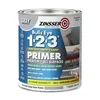 |
Zinsser Bulls Eye 1-2-3 All-Surface Primer A water-based, stain-blocking acrylic primer rated for masonry and exterior use — a practical choice for raw fiber-cement cut edges or touch-up priming before the topcoat goes on.
|
Why Fiber Cement Needs an Alkali-Resistant Primer
An alkali-resistant primer is a coating formulated to chemically block the high pH of cement from reaching the paint film above it. Hardie board is roughly 90% Portland cement, sand, and cellulose fiber, and Portland cement is highly alkaline while it cures and whenever it gets wet. Without a barrier coat, that alkalinity migrates up into ordinary paint and breaks down the pigment binder.
The visible result is what painters call “paint burn”: a blotchy, patchy discoloration that shows up within a couple of years, concentrated wherever moisture sat longest — low courses, butt joints, and cut edges. It is not a cosmetic fluke; it is a chemical reaction, and no amount of extra topcoat fixes it once it starts. Only a primer formulated to resist alkali migration — not a generic interior primer — prevents it.
ColorPlus vs. Primed vs. Raw Fiber Cement: What Each One Needs
| Finish Type | Priming Needed? | Paint Deadline | Warranty Note |
|---|---|---|---|
| ColorPlus® (factory finish) | No | Never (unless repainting) | 15-yr finish warranty; 3rd-party paint voids it |
| Factory-primed (gray/white) | Already primed — topcoat only | Within 180 days of install | Product warranty requires timely topcoat |
| Raw/unprimed & field-cut edges | Yes — alkali-resistant primer | Within 90 days of cut/install | Unsealed edges are excluded from warranty claims |
What Happens If You Skip Priming or Miss the Paint Window
Leaving primed or raw Hardie board unpainted past its deadline causes three real problems, not just a cosmetic risk:
- Peeling and paint burn: the alkali-migration problem above shows up as blotchy discoloration or outright peeling, usually within 1–3 years, and it is not repairable by adding another coat — the board has to be stripped and re-primed with an alkali-resistant product.
- Moisture absorption and warping: unprotected fiber cement is porous. Once the factory primer’s moisture-resistance breaks down from UV exposure, the board can absorb water at the surface, and in freeze-thaw climates that repeated wet-dry cycling is what causes cracking along the length of a board.
- Voided warranty: James Hardie’s written warranty explicitly excludes damage traced back to siding that wasn’t painted within the required window. A legitimate manufacturing defect claim can be denied over this one detail.
In our own project notes, the boards that failed fastest were never the ones on flat wall sections — they were butt joints and window-trim cuts where installers had primed the face but never touched the cut edge. That single missed edge is where most real-world paint-burn complaints on Hardie board actually start.
How to Prime and Paint Hardie Board, Step by Step
- Inspect and clean: wash the siding with a soft brush and mild detergent to remove dirt, chalking, and mildew, then let it dry fully — never prime or paint a damp board.
- Caulk seams and cut edges: fill butt joints, corners, and any field-cut edges with a paintable exterior sealant rated for fiber cement before priming — this is the step most callbacks trace back to.
- Prime bare or cut areas: apply an alkali-resistant acrylic primer to any raw cement, cut edge, or repaired spot. Skip priming areas that are already factory-primed and intact — you’re only sealing what’s exposed.
- Let the primer cure fully: follow the product’s recoat time (often 30–60 minutes for fast-dry acrylics, but check the label) before applying paint.
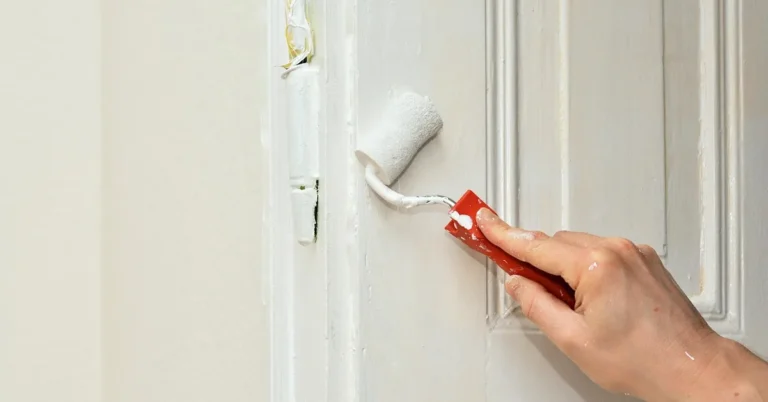
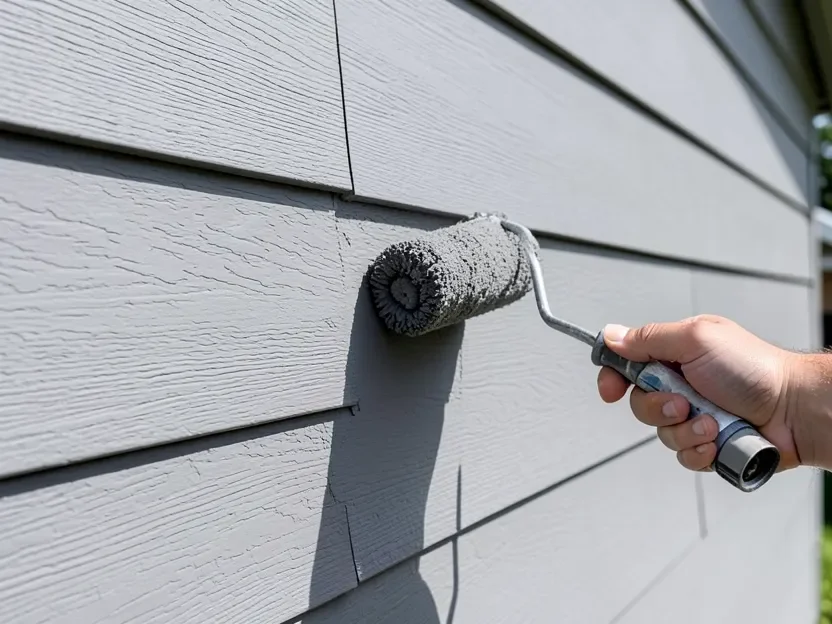
- Apply two coats of 100% acrylic exterior paint: James Hardie specifies 100% acrylic topcoats, not oil-based paint, which doesn’t flex with the board’s expansion and contraction. Back-brush or back-roll sprayed paint for full coverage into the wood-grain texture.
- Choose a light-to-mid reflectance color where possible: very dark colors absorb more heat, which accelerates thermal cycling on the boards; James Hardie publishes an LRV (light reflectance value) guideline for darker colors on certain product lines.
This short walkthrough from a siding contractor covers the same cut-edge and primer-selection points in practice:
Common Mistakes When Painting Hardie Board
- Painting over ColorPlus with third-party paint. It voids the 15-year finish warranty even though the board looks paintable — check the product line before assuming it needs paint at all.
- Skipping cut edges. Every field cut exposes raw cement; caulk and prime it the same day the cut is made, not at the end of the job.
- Using an oil-based primer or paint. Latex Paint don’t flex with fiber cement’s expansion and are more prone to alkali burn; acrylic is the manufacturer-specified choice.
- Letting primer sit exposed past its window. UV breaks down factory primer’s protective qualities well before 180 days is up in intense-sun climates — don’t treat the deadline as a soft suggestion.
- Assuming primer and paint are interchangeable. A primer is a bonding/sealing layer, not a finish coat — see our breakdown of paints work well without primer for why skipping the topcoat leaves the board unprotected.
If you’re priming more than just Hardie board on the same project — trim, fascia, or a wood fence line nearby — our guide to choosing the right wood primer and undercoat and our wood fence painting guide cover the same prep-and-primer logic for wood substrates, where the failure modes are different (rot and tannin bleed instead of alkali burn).
Frequently Asked Questions
Do I need to prime ColorPlus Hardie board before painting?
No. ColorPlus is a factory-baked finish designed to never need painting. If you do choose to repaint it with a third-party product, James Hardie’s 15-year finish warranty is voided, so priming is only relevant if you’ve accepted that trade-off.
What happens if you don’t prime Hardie board?
Raw or unprimed fiber cement left unprotected absorbs moisture and reacts with paint applied directly over it, causing peeling and blotchy “paint burn” within a couple of years. Cut edges are especially vulnerable since the factory primer is sliced through during installation.
How long can primed Hardie siding sit before it needs paint?
James Hardie’s installation guidance requires factory-primed siding to be painted within 180 days, and raw or unprimed fiber cement (including field-cut edges) within 90 days. Leaving it exposed longer than that is considered improper installation and can affect warranty coverage.
What primer should I use on Hardie board?
Use a 100% acrylic, alkali-resistant primer labeled for masonry or fiber cement. Avoid oil-based primers, which don’t flex with the board and are more prone to failing against the cement’s alkalinity.
Does painting Hardie board void the warranty?
Painting factory-primed or raw Hardie board with a compatible acrylic system, on schedule, does not void the warranty — that’s the expected process. What does void it is repainting ColorPlus with a third-party product, or leaving primed/raw board unpainted past the 180/90-day windows.
Conclusion
The short version: ColorPlus never needs priming, factory-primed board needs a topcoat within 180 days, and any raw or cut fiber-cement edge needs an alkali-resistant primer within 90 days. Miss those windows and you’re not just risking peeling paint — you’re risking a denied warranty claim on a product that’s supposed to last decades. Prep the surface, prime only what’s actually raw, and stick to 100% acrylic products throughout.
Sponsored / affiliate links. As an Amazon Associate I earn from qualifying purchases. I may earn additional commission from eligible campaigns.