Painter’s Putty vs. Spackle: Use the Wrong One and It Won’t Hold Paint
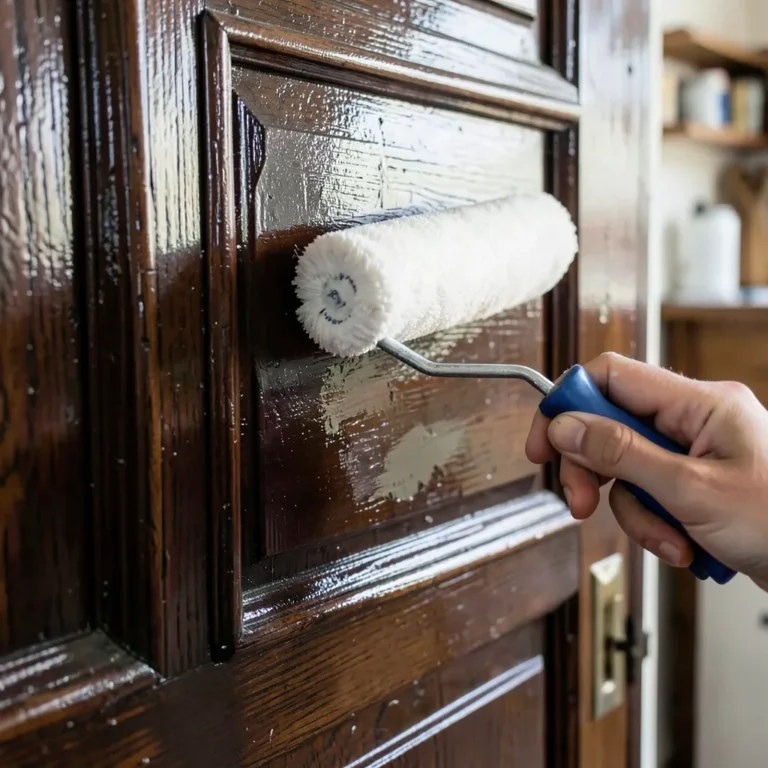
The core difference is simple: spackle dries hard and permanent, while painter’s putty stays semi-flexible and never fully cures. That single difference decides which one you should reach for. Spackle belongs on drywall and hard, stable surfaces you’ll sand smooth and paint. Painter’s putty belongs on wood trim, molding, and window glazing, where the material needs to move slightly with the wood instead of cracking as it expands and contracts with humidity.
What Each One Is Actually Made Of
Best Pick for Wood Trim and Nail Holes
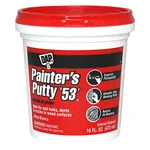 |
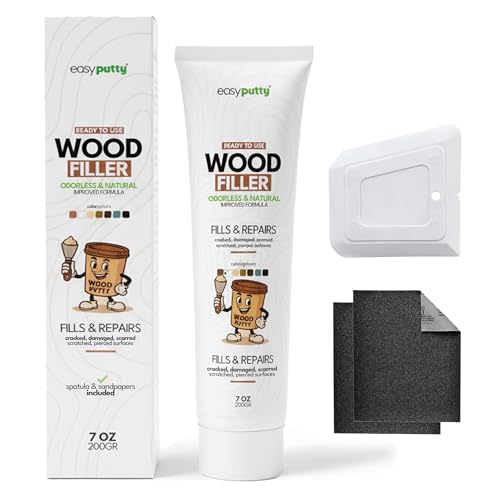
DAP Painter’s Putty ’53’ – $8.89 For nail holes in wood trim and molding, this is the same painter’s putty pros have used for decades because it stays slightly flexible instead of drying rock-hard.
|
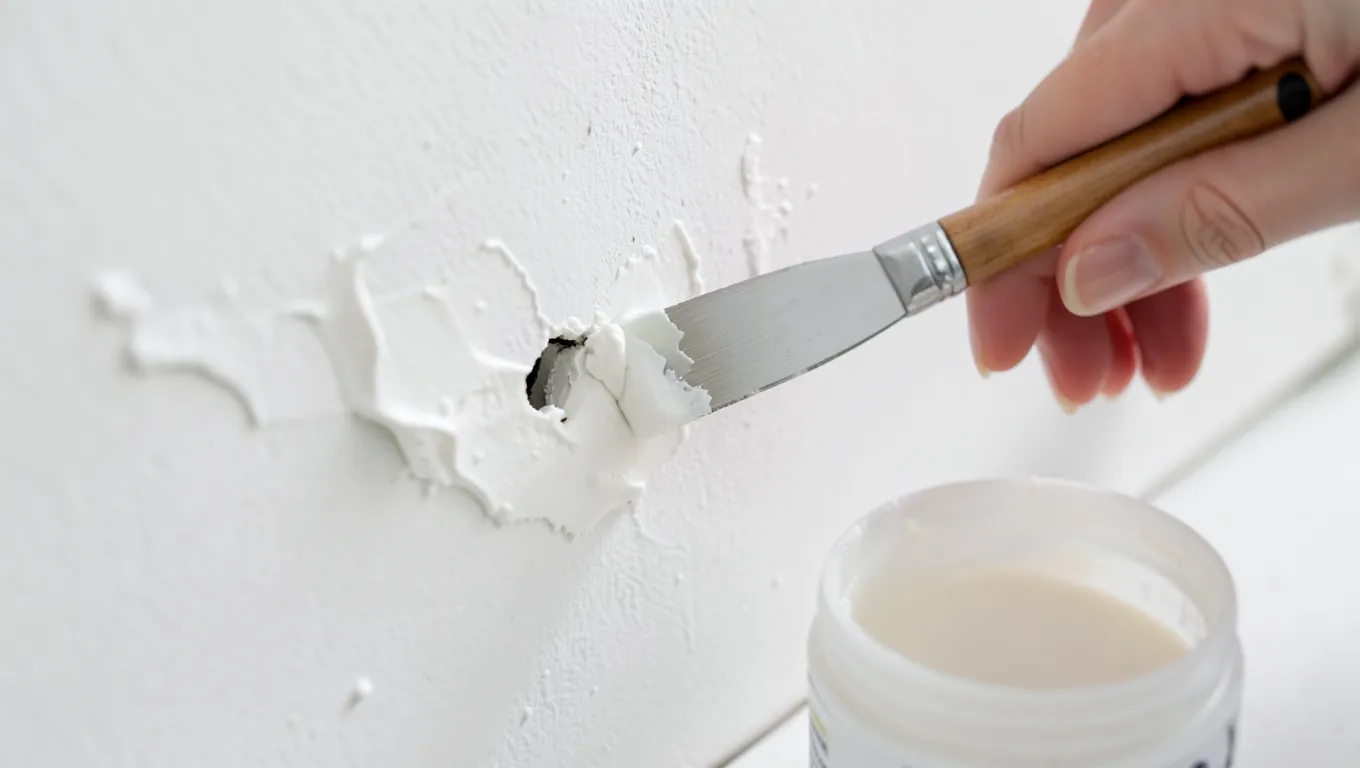
Spackle is typically a gypsum-based or vinyl-based compound formulated to dry hard, shrink minimally, and sand to a smooth, paintable finish. It’s built for filling nail holes, small drywall dents, and minor cracks in a rigid wall surface that isn’t expected to move once it’s patched.
Painter’s putty (sometimes called glazier’s putty in its window-glazing form) is an oil-based or linseed-oil-based compound that skins over on the surface but stays soft and pliable underneath for a long time, sometimes indefinitely on a piece that’s never fully exposed to air. That flexibility is deliberate: wood trim expands and contracts with seasonal humidity changes far more than drywall does, and a rigid filler like spackle would eventually crack and pop out of a nail hole in trim that’s constantly moving on a small scale.
When to Use Spackle
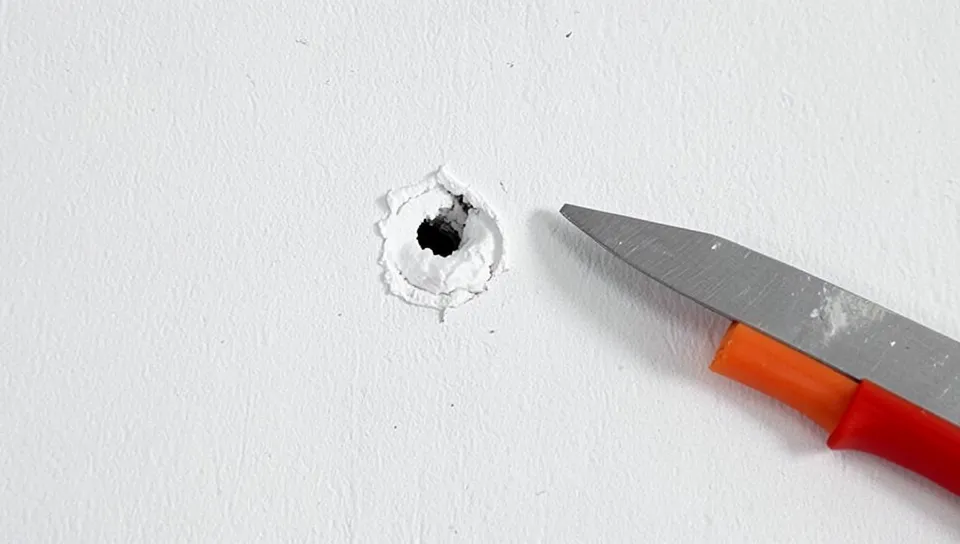
- Nail and screw holes in drywall
- Small dents, dings, or minor cracks in painted drywall or plaster
- Any repair you plan to sand smooth and paint over within a day or two
- Lightweight spackling formulas for very small holes; heavier vinyl spackling compounds for slightly larger repairs
When to Use Painter’s Putty
- Nail holes in wood trim, baseboard, door casing, and crown molding
- Setting glass panes into a wood window sash (glazier’s putty specifically)
- Small gaps or holes in wood that will keep experiencing seasonal movement
- Any exterior wood trim repair, since painter’s putty holds up to weather changes better than a rigid interior spackle formula
What Happens If You Use the Wrong One
Spackle used on wood trim that flexes seasonally often cracks, shrinks back from the edges of the hole, or pops out entirely within a year or two, since it has no give as the surrounding wood moves. Painter’s putty used on drywall is the opposite problem: since it never fully hardens, paint applied over it can stay tacky, wrinkle, or eventually crack and peel because it’s bonded to a surface underneath that’s still slightly soft.
How to Apply Each One Correctly
For spackle: press it into the hole with a putty knife, slightly overfilling since it can shrink a bit as it dries, let it fully cure per the label (usually a few hours for lightweight formulas), then sand flush before priming and painting. For painter’s putty: press it into the hole and smooth it flush immediately, since it skins over within minutes and gets harder to work after that; most manufacturers recommend waiting several days to a week before painting over it, since paint applied too soon can wrinkle on a surface that hasn’t skinned over enough yet.
Frequently Asked Questions
What is the difference between spackle and painter’s putty?
Spackle dries hard and permanent, making it right for drywall. Painter’s putty stays semi-flexible and never fully cures, making it right for wood trim and window glazing that continue to move with humidity.
Can I use spackle on wood trim?
You can for a very small, stable interior repair, but it’s more likely to crack or pop out over time than painter’s putty, since wood trim expands and contracts more than drywall.
Can I use painter’s putty on drywall?
It’s not recommended. Because it never fully hardens, paint applied over it on drywall can stay tacky or eventually wrinkle and crack.
How long before you can paint over painter’s putty?
Most manufacturers recommend waiting several days to a week, since painting too soon over putty that hasn’t skinned over enough can cause the paint to wrinkle.
Bottom Line
Match the filler to how much the surface moves: spackle for rigid drywall you’ll sand and paint quickly, painter’s putty for wood trim and glazing that keeps flexing with the seasons. Using the wrong one doesn’t just look worse, it fails differently, either cracking out of trim or never letting your paint job fully cure.
Sponsored / affiliate links. As an Amazon Associate I earn from qualifying purchases. I may earn additional commission from eligible campaigns.