How Many Coats of Urethane Ensure Durable Floors?
Apply 2 to 3 coats of urethane on hardwood flooring for optimal protection and durability. More coats may be needed for high-traffic areas.
Hardwood flooring enhances the beauty of any home, offering warmth and elegance. Urethane serves as a protective layer, guarding against scratches, stains, and wear. Choosing the right number of coats is crucial for achieving a long-lasting finish. The application process can be straightforward but requires careful attention.
Proper preparation and application techniques will ensure a smooth and attractive surface. Homeowners should consider factors like foot traffic and the desired sheen level when determining the number of coats. Understanding the benefits of urethane will help you make informed decisions for your flooring project. Investing in quality finishes can significantly extend the life of your hardwood floors.
Introduction To Urethane Coatings
Urethane coatings offer many benefits for hardwood flooring. They provide a strong, durable surface that resists scratches and stains. This protection keeps floors looking new for longer periods.
Another advantage is the ease of maintenance. Cleaning urethane-coated floors requires simple sweeping and occasional mopping. These coatings also enhance the wood’s natural beauty, adding a rich shine.
| Type of Urethane | Description |
|---|---|
| Oil-Based Urethane | Offers a warm look and excellent durability. |
| Water-Based Urethane | Dries quickly and has low odor. Ideal for indoor use. |
| Aliphatic Urethane | Provides extra protection against yellowing and UV damage. |
Preparation Steps Before Application
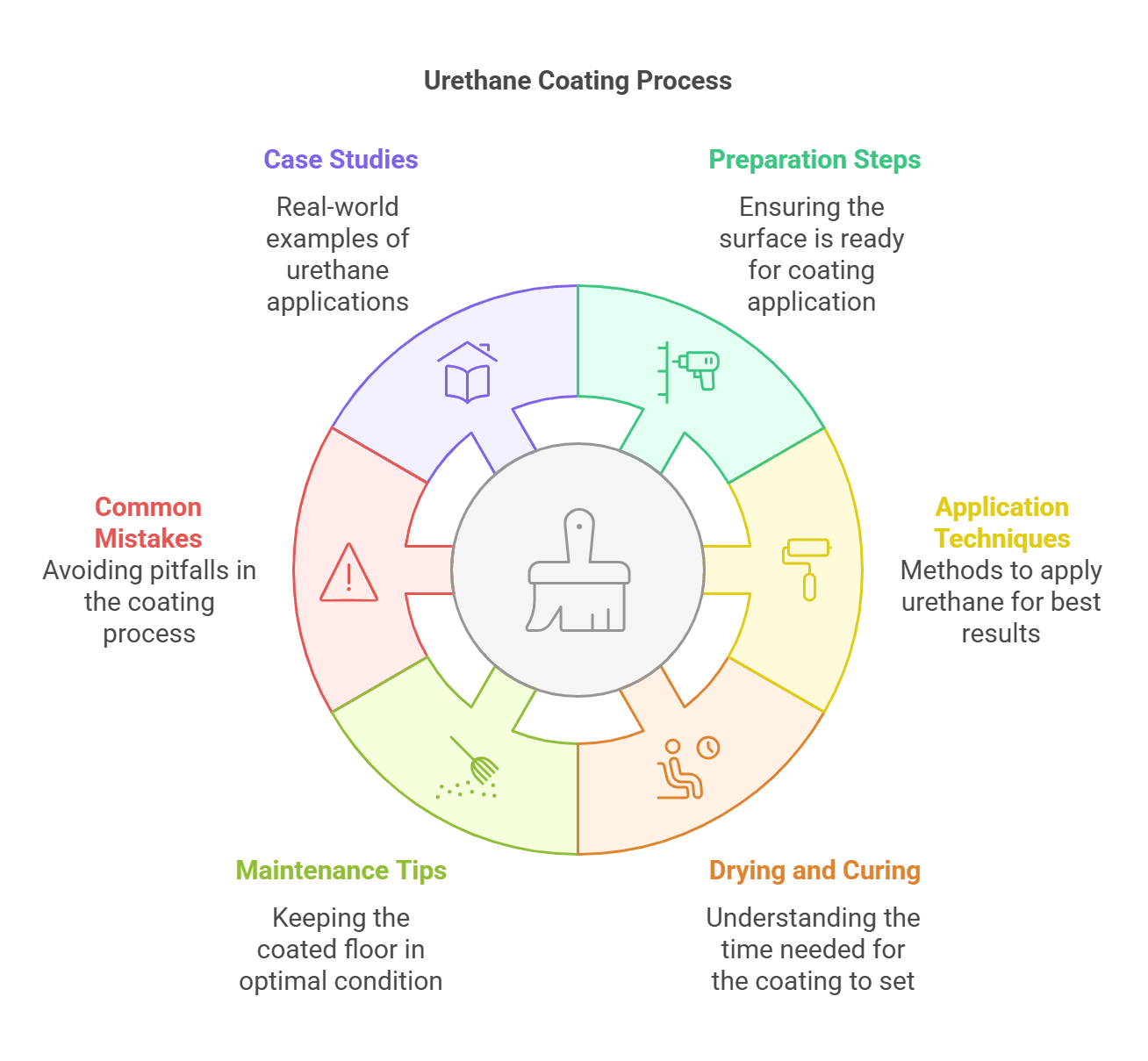
Before applying urethane, surface cleaning is essential. Start by removing dirt and dust. Use a vacuum cleaner to ensure the floor is clear. A damp mop can help eliminate sticky spots.
Let the floor dry completely before moving on. Properly cleaning the surface allows for better adhesion of the urethane.
Next, priming the floor prepares it for urethane. Use a suitable primer designed for hardwood flooring. Apply a thin, even layer. This step helps the urethane stick and enhances its durability.
Always follow the manufacturer’s instructions for the best results. Proper preparation makes a big difference in the final finish.
Determining The Right Number Of Coats
Several factors influence the number of urethane coats needed for hardwood floors. These include the type of wood, the traffic level, and the desired finish. Softer woods may require more coats for protection.
High-traffic areas need extra durability. A glossy finish often requires more coats than a matte finish. Consider the application method as well; some methods may need additional layers.
| Factor | Recommendation |
|---|---|
| Wood Type | 3-5 coats for softwoods; 2-3 for hardwoods |
| Traffic Level | 3-4 coats for high traffic; 2-3 for low traffic |
| Desired Finish | 3 coats for glossy; 2 for matte |
Expert recommendations often suggest a minimum of three coats for durability. Testing a small area can help determine the best approach. Each coat should dry completely before adding another.
Application Techniques For Optimal Results
To achieve the best results with urethane on hardwood flooring, the right tools are essential. Here’s a list of the tools needed:
- Floor Sander: This helps smooth out the surface.
- Applicator Pad: Use this for even urethane application.
- Brush: A brush works well for corners and edges.
- Vacuum: Keep the area clean before applying urethane.
- Protective Gear: Safety goggles and masks protect you during the process.
Follow this step-by-step guide:
- Prepare the floor by sanding it well.
- Clean the dust using a vacuum.
- Apply the first coat of urethane with an applicator pad.
- Allow it to dry completely before applying the next coat.
- Repeat until you achieve the desired finish.
Drying And Curing Times
Understanding drying and curing is key in hardwood flooring projects. Drying happens when moisture leaves the urethane. This process is usually quick, taking a few hours. Curing, on the other hand, is a chemical process. It can take days or even weeks to complete.
Both processes affect your project timeline. A fast-drying urethane allows for quicker recoating. If the curing time is long, it delays the entire project. Always check the product label for specific times. This helps in planning your work better.
Maintenance For Longevity
To ensure long-lasting hardwood floors, regular care is essential. Dusting or sweeping daily helps remove dirt. Use a damp mop weekly to keep floors clean. Avoid using too much water as it can damage the wood.
For scratches and minor damage, apply a wood touch-up marker. This works well for small marks. For deeper scratches, consider using a wood filler. Sand the area lightly before applying the filler. After it dries, refinish the spot to match the rest of the floor.
For larger damage, professional help might be necessary. They can refinish or replace damaged boards. Keeping your floors in top shape requires attention and care.
Common Mistakes To Avoid
Avoiding overapplication of urethane is crucial. Applying too many coats can lead to bubbles and peeling. Each coat should be thin and even. This ensures a smooth finish.
Inadequate drying time can cause serious problems. Each coat needs enough time to dry properly. If not, the surface may feel sticky. Always follow the manufacturer’s recommendations for drying times.
Waiting too long between coats can also create issues. Dust and dirt can settle on wet surfaces. This makes the floor look uneven. Proper care will help maintain the floor’s beauty and durability.
Case Studies
Determining the right number of urethane coats for hardwood flooring is crucial for durability and aesthetics. Most experts recommend applying three coats for optimal protection and a beautiful finish. Understanding this process ensures your floors remain stunning and long-lasting.
Residential Projects
Many homeowners choose three to five coats of urethane. This option offers great protection and a beautiful finish. A family in Ohio applied four coats and loved the results. Their floor shines and withstands daily wear.
Commercial Success Stories
Businesses often prefer five to seven coats for maximum durability. A coffee shop in New York opted for six coats. This choice helped resist scratches and stains from busy customers. Their floors still look brand new after years of use.
Frequently Asked Questions
How Many Coats Of Urethane Are Needed?
Typically, hardwood flooring requires 2 to 3 coats of urethane for optimal protection. The first coat penetrates the wood, while subsequent coats build a durable finish. Factors like wood type and traffic levels can influence this number. Always consult product instructions for the best results.
Can I Apply Urethane Over Old Finish?
Yes, you can apply urethane over an old finish, but preparation is key. Sand the surface to ensure proper adhesion. Clean the area thoroughly to remove dust and debris. This process helps the new coat bond effectively, resulting in a smoother finish.
What Is The Best Urethane For Hardwood Floors?
Water-based urethane is often recommended for hardwood floors. It dries quickly and produces less odor compared to oil-based options. Additionally, it offers a clear finish that enhances the wood’s natural beauty. Choose a high-quality brand for durability and long-lasting protection.
How Long Does Urethane Take To Dry?
Urethane typically takes about 24 hours to dry between coats. However, full curing may take up to several days, depending on environmental conditions. Ensure proper ventilation to speed up the drying process. Always check the manufacturer’s instructions for specific drying times.
Conclusion
Choosing the right number of urethane coats for your hardwood flooring is crucial for durability and appearance. Generally, two to three coats provide optimal protection. Always consider your lifestyle and the amount of foot traffic. Properly applied urethane enhances your floors’ beauty and longevity, making them a worthwhile investment for any home.