How to Shine Wood Floors: Poly, Wax & Oil Finishes Explained
To shine a wood floor, first find out why it is dull. Residue and dirt film respond to a pH-neutral cleaner and a dry microfiber buff, while fine scratches call for polish on an unwaxed polyurethane floor. A finish worn to bare wood needs a recoat. Wax and oil floors need their own products. Skip olive oil and vinegar: they cause the problems this guide helps you fix.
The Fastest Way to Shine a Wood Floor: Match the Fix to the Cause
Best Poly Floor Prep Pick
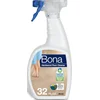 | Bona Hardwood Floor Cleaner Spray, 32 fl oz, $8.97 Most dull floors are a residue problem first, so this is the one purchase that comes before any polish: a pH-neutral spray for the damp-mop step in the polyurethane routine below.
|
As an Amazon Associate we earn from qualifying purchases.
Most advice jumps straight to a product. That is how people end up with cloudy, sticky or streaky floors, because three different problems all look like "dull" from standing height. The table below separates them, using checks you can do in ten minutes.
| What you see | Likely cause | Quick check | Fix |
|---|---|---|---|
| Hazy film that wipes off in a damp spot | Cleaner residue, oil soap or old polish buildup | Rub a damp white cloth on one board: if it picks up a tacky or cloudy film, that is residue | Strip the film, then clean with a pH-neutral cleaner. See removing hardwood floor polish |
| Even dullness across the traffic path, no film | Fine micro-scratches scattering light | Crouch and look across the floor with a window or flashlight low to the surface: you see swirls and scuffs, not stickiness | Clean, then polish (unwaxed polyurethane only). See how to use Bona hardwood floor polish |
| Patchy dull zones near doors, sinks and the sofa | Finish worn thin or through | Water soaks in and darkens the wood within a few minutes instead of beading | Polish will not help. Recoat or refinish; see the worn-finish section below |
| Soft, low-luster look on an older floor | Wax or oil finish, not a problem at all | Water darkens the wood slowly and the surface feels warm, not slick | Use wax or oil-appropriate care, covered below |
The sheen of a polyurethane floor is also set when the finish is applied, usually matte, satin, semi-gloss or gloss. Cleaning restores the sheen you have; it cannot turn a satin floor into a gloss one. If you want a higher gloss than the original finish, the honest options are a compatible polish or a new topcoat, not more mopping.
Step One: Find Out Which Finish You Have
Every product decision follows from this, so do it before you buy anything. Pick a hidden spot such as inside a closet or under a rug and put one drop of water down.
- Water beads and sits for several minutes: a surface film such as polyurethane or another sealed finish.
- Water soaks in and darkens the wood within a few minutes: an oil or wax finish, or a sealed finish that has worn away in that spot.
- Surface looks like a hard, even plastic layer: sealed. A soft, slightly uneven glow points to wax; a matte, grain-forward look points to oil.
This is a rule-of-thumb check, not a lab test. Our guide on what a sealed hardwood floor is explains each finish type in more detail, and if the floor is engineered, read engineered hardwood floor care because some manufacturers restrict waxes, polishes and recoats in their warranty terms.
How to Shine a Polyurethane Wood Floor
Most floors installed or refinished in recent decades are sealed with polyurethane, so this is the routine most readers need. The goal is a clean, dry surface, because shine on a sealed floor is mostly about what you take off.
- Remove grit. Sweep or vacuum with a hard-floor setting, not a beater bar, since grit under a mop scratches the finish and dulls it.
- Damp-mop with a pH-neutral cleaner. Mist the floor or the pad lightly and mop with the grain using a clean microfiber pad. Bona’s listing describes its cleaner as safe for unwaxed, unoiled, polyurethane-finished wood floors.
- Dry it right away. Follow with a dry microfiber pad or towel so no water sits in the seams. Standing moisture is the main cause of cloudy spots and cupped boards.
- Buff the traffic path. A clean, dry microfiber pad over the hallway and kitchen route lifts remaining haze without adding anything.
- Check the result in low light. If swirls and scuffs remain but the floor is clean, move to polish. If patches are still dull and soak up water, the finish is worn.
For a polish step, read our full walkthrough in how to use Bona hardwood floor polish for coverage math and dry times. For general cleaning methods and product comparisons, see the best way to clean hardwood floors guide, and our note on cleaning hardwood with water covers how little moisture is safe. A buffing machine can also help on larger floors; see whether you can buff wood floors.
How to Shine a Wax-Finished Floor
Wax sits in and on the wood and is built up by buffing, so on a wax floor the shine is the buffing. Re-wax only where traffic has worn the coat, in thin layers, and buff each one once it hazes over. Work with the grain in small sections.
- Clean first with a barely damp cloth or a cleaner the wax maker approves, and let the floor dry.
- Apply a thin coat of paste or liquid floor wax with a clean cloth or applicator. A thick coat dries cloudy and takes more effort to buff.
- Let it haze, then buff with a clean soft cloth or a floor buffer with a soft pad.
- Spot-wax high-traffic strips more often than the rest of the room, and do not wax a floor that is actually polyurethane.
Day-to-day care is covered in how to clean waxed wood floors. If you want to move from wax to a modern finish, the wax must come off completely first; our best wax remover for wood floors comparison shows the options. Furniture polishes are a separate topic: see whether Old English is safe on wood floors before you reach for it.
How to Shine an Oil-Finished Floor
Oil finishes such as hardwax oil or penetrating oil soak into the wood, so there is no film to polish. They look best with a low, natural sheen, and the right product is the one the finish maker sells for maintenance. If you do not know the product, test a hidden spot first.
- Use the manufacturer’s maintenance soap or care oil, applied thin, then buffed with a soft cloth.
- Skip ammonia and harsh detergents, which strip the oil over time.
- Safety: rags soaked in drying oils (linseed, tung and many Danish oil blends) can heat up and ignite on their own as they cure. Spread them flat outdoors to dry, or seal them in a metal container of water before disposal.
Not sure which oil you have? Our comparison of tung oil vs teak oil explains how each behaves in wood.
Home Remedies for Shiny Wood Floors: What Works and What Backfires
Folk advice for floor shine is everywhere, and most of it was written for another surface. Here is how the common ones hold up on a sealed floor. The verdicts are our judgment from how these materials behave; none of them is a lab result.
| Home remedy | What it actually does | Verdict |
|---|---|---|
| Vinegar and water | Vinegar is acidic, and repeated use can dull a polyurethane topcoat over time; flooring associations advise against it | Skip. Details in can you mop hardwood floors with vinegar |
| Olive oil, baby oil or mineral oil | Food and mineral oils do not cure into the finish. They sit on top as a slick, dust-attracting film | Skip. It is a slip hazard, and a greasy film can interfere with a later recoat or polish |
| Oil soap | Leaves a film on sealed floors that builds into haze | Skip on polyurethane; only for floors the finish maker approves |
| Aerosol furniture polish | Many contain silicones or oils that leave a slippery layer | Skip. Slip risk and recoat adhesion problems |
| Steam mop | Pushes heat and moisture into seams | Skip. Most flooring makers advise against steam on wood |
| Damp microfiber mop plus dry buff | Removes grit and film with no added residue | Do this. It is the only one that costs almost nothing and carries no risk |
The olive oil advice deserves a plain warning because it spreads so widely. On a sealed floor, the oil gives a brief glossy look and then a hazy, slippery surface, and anyone walking across it in socks can fall. If you have already done it, clean with a pH-neutral cleaner or a degreasing cleaner your floor maker approves, dry it fully, and avoid the area until it is no longer slick.
When Cleaning and Polish Will Not Bring the Shine Back
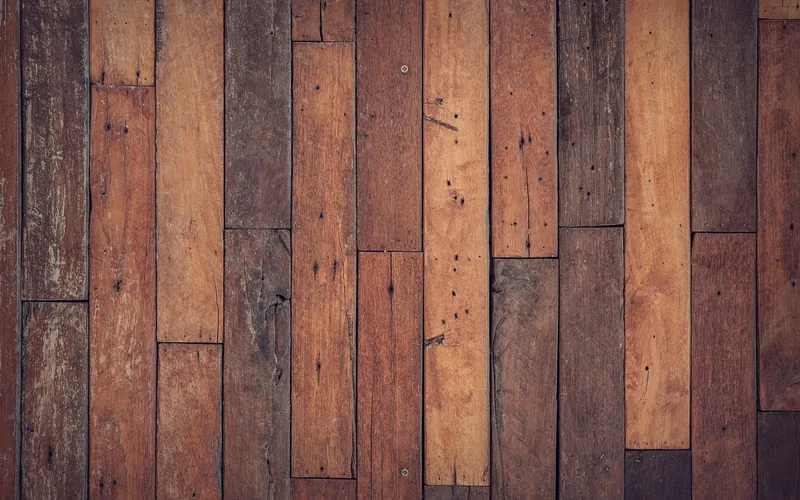
A finish that has worn thin or through is not a cleaning problem. You will see dull patches that stay dull however clean the floor is, boards that darken with water, or gray areas near entries. At that point you have two real options:
- Screen and recoat: a floor pro lightly abrades the existing finish and applies a fresh compatible topcoat. It works only if the finish is worn but the wood is not bare, and it requires a floor clean of wax and polish buildup, because those prevent the new coat from bonding.
- Sand and refinish: necessary when the wood is exposed, stained or deeply scratched. Floors can only be sanded a limited number of times; see how many times you can refinish wood floors.
Finish choice affects how long the next shine lasts, so compare durability in our best finish for hardwood floors guide and our best polyurethane for hardwood floors picks. If the finish is lifting rather than just dull, start with peeling polyurethane on hardwood floors. For individual marks, use safe ways to remove scuff marks. Our wood flooring guide gives the wider picture.
Keep the Shine Longer
- Dust-mop or vacuum often. Grit is the main thing that scratches a finish into dullness.
- Put mats at exterior doors and felt pads under furniture and chair legs.
- Mop only as needed, with a barely damp pad and a cleaner your finish allows. More mopping is not better.
- Do not stack products. One cleaner, and polish only when the floor shows scratch dullness, not on a calendar.
- Keep pet nails trimmed and wipe spills immediately.
Our wood floor care guide covers the weekly routine in more detail.
Bona’s own listing says its cleaner is safe for "all unwaxed, unoiled, polyurethane finished wood floors". Source: Bona Hardwood Floor Cleaner Spray listing on Amazon, checked October 7, 2026 (no standalone manufacturer link was used).
Frequently Asked Questions
What is the best way to make wood floors shine?
Identify the finish, then clean with a pH-neutral cleaner and a barely damp microfiber mop, dry the floor immediately, and buff the traffic path with a dry microfiber pad. If dullness is from fine scratches on an unwaxed polyurethane floor, add a compatible polish. If the finish is worn through, it needs a recoat.
Does olive oil make hardwood floors shine?
It gives a short-lived gloss and then leaves a slick, dust-catching film. It does not cure into a sealed finish, it makes the floor slippery, and it can cause problems for later polish or recoating. Use a floor-specific product instead.
Can I use vinegar to shine wood floors?
Flooring associations advise against it. Vinegar is acidic and repeated use can dull a polyurethane finish. A pH-neutral cleaner is the safer choice and leaves no streaks.
Why are my wood floors dull after cleaning?
Usually one of three things: residue from the wrong cleaner or oil soap, fine scratches scattering light, or a worn finish. Check the floor in low-angle light and test with a damp cloth to tell which one you have.
How do I shine a floor that has a wax finish?
Apply a thin coat of floor wax to worn areas, let it haze, and buff it with a soft cloth or floor buffer. Do not use wax on a polyurethane floor, and remove old wax fully before switching to another finish.
Conclusion
A shiny wood floor comes from diagnosing the dullness correctly: residue, scratches or a worn finish. Clean and dry first, polish only unwaxed polyurethane that is already clean, wax and oil only where the finish calls for them, and leave olive oil and vinegar out of it. We have not run side-by-side tests on these methods here, so the guidance above rests on manufacturer listings and standard flooring practice, with our judgment calls labeled as such.
Sponsored / affiliate links. As an Amazon Associate I earn from qualifying purchases. I may earn additional commission from eligible campaigns.