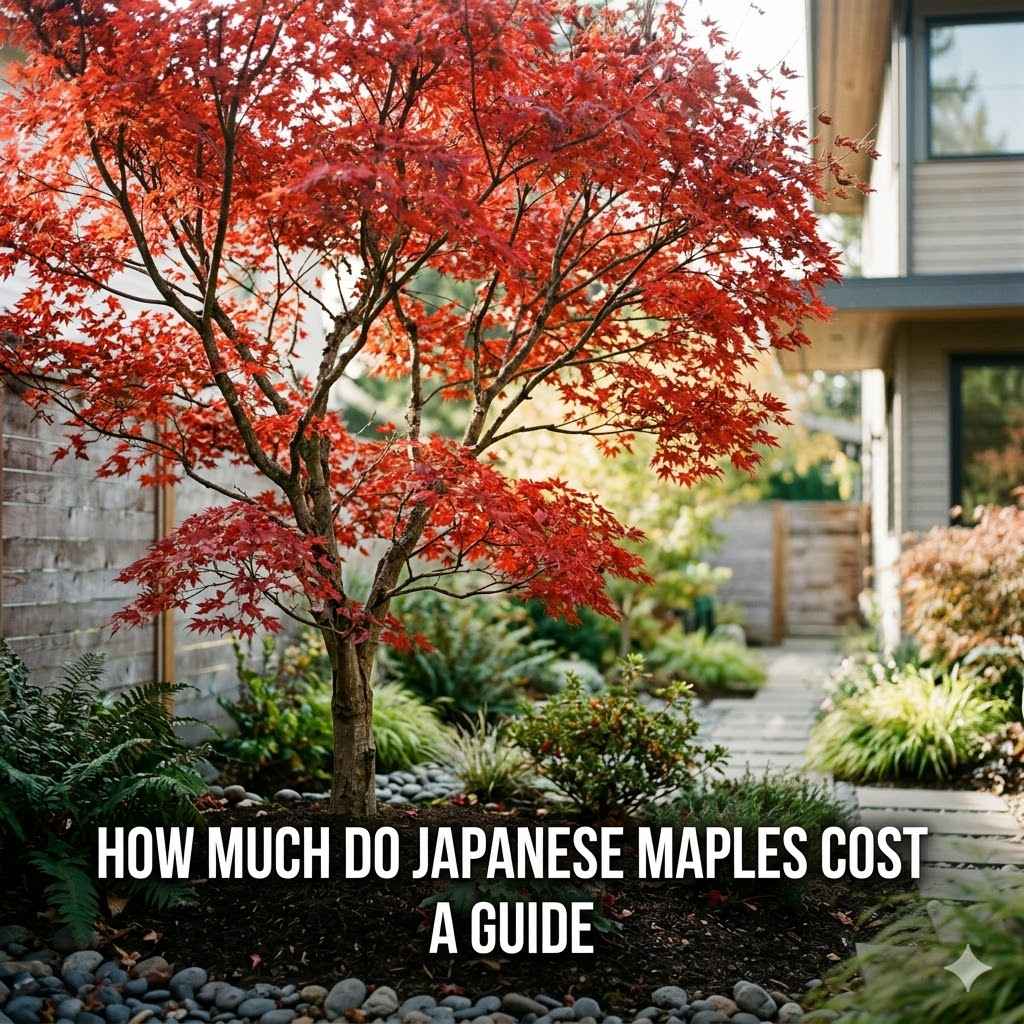
How Much Do Japanese Maples Cost? A Complete Guide
Thinking about adding a beautiful Japanese maple to your garden? It’s a great idea. But if you’re just starting out, figuring out How Much Do Japanese Maples Cost?
Price Guide can feel a little tricky. Prices can vary a lot, and it’s hard to know what’s a good deal. Don’t worry!
This guide makes it super simple. We’ll walk through everything you need to know, step by step, so you can choose the perfect tree without any confusion. Get ready to learn exactly what affects the price and how to get the best value for your money.
Japanese Maple Price Factors
The cost of a Japanese maple isn’t set in stone. Many things play a part in how much you’ll spend. Think of it like buying a car; a small used one costs less than a brand new luxury model.
The same goes for trees. The more mature and unique a Japanese maple is, the higher its price tag will be. This section breaks down the main reasons why one tree might cost $50 while another costs $500 or even more.
Knowing these details helps you set a realistic budget and find the tree that’s just right for your yard and your wallet.
Tree Size and Age
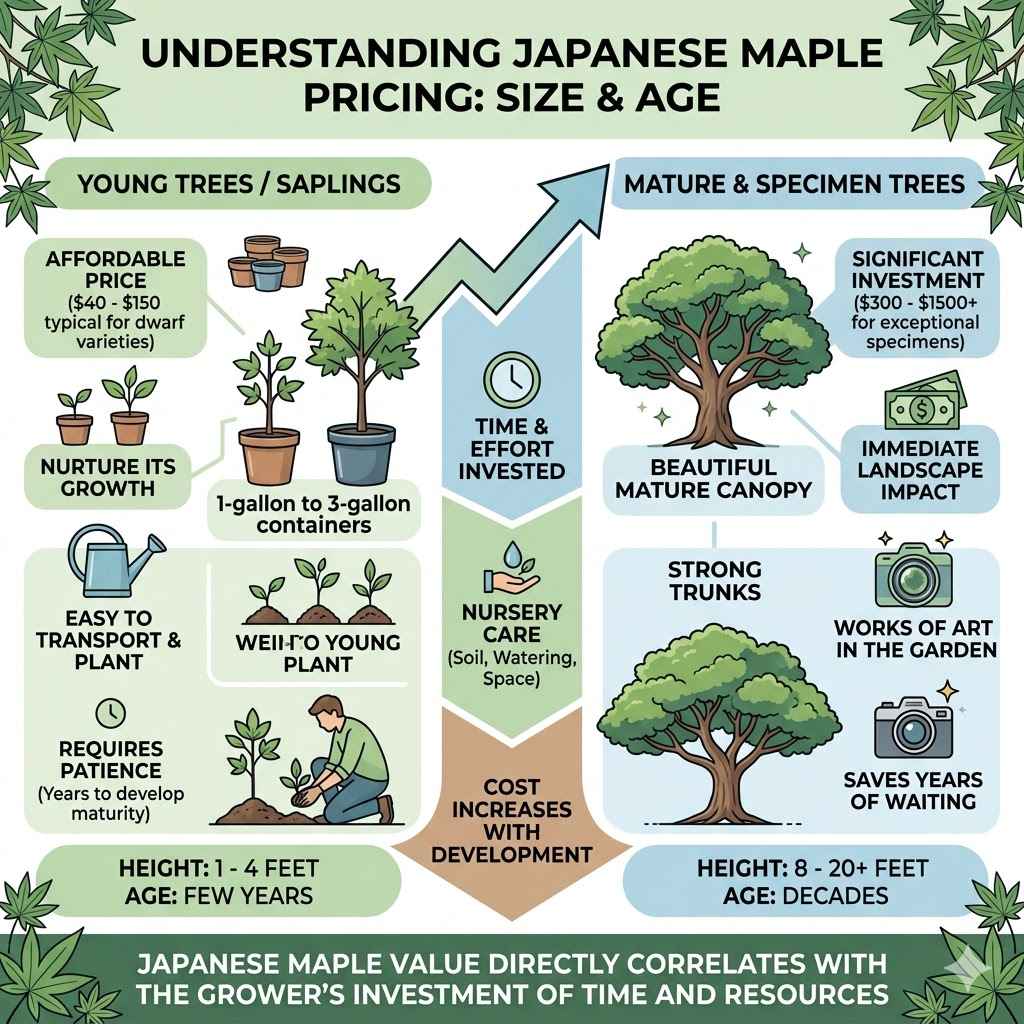
The most obvious factor affecting the price of a Japanese maple is its size and age. A tiny sapling in a small pot will naturally be much cheaper than a large, established tree that has been growing for many years. Nurseries have invested time, space, and resources into growing these larger specimens.
They require more soil, larger containers or ground space, more frequent watering, and more care to reach maturity. A young tree might be only a few feet tall and a few years old, while a mature tree could be 15-20 feet or taller and decades old. This difference in development directly translates to a significant price difference.
For example, a dwarf Japanese maple, which stays small and grows slowly, might cost between $40 and $150 when it’s a young plant. These are great for smaller gardens or containers. On the other hand, a specimen tree, which is a larger, more mature tree often selected for its beautiful form and character, can easily range from $300 to $1,500 or even much higher for truly exceptional specimens.
These are often the focal point of a landscape. The age and size directly correlate with the time and effort invested by the grower.
Small Saplings and Young Trees
When you’re just starting your Japanese maple collection or have a limited budget, small saplings and young trees are the way to go. These trees are typically found in one-gallon or three-gallon containers. They might be anywhere from 1 to 4 feet tall.
Buying at this stage means you get to watch your tree grow and develop its unique shape over the years. It’s like nurturing a new member of your garden. The initial cost is much lower, making it accessible for many gardeners.
These young trees are also easier to transport and plant. They require less heavy lifting and can adapt more quickly to their new environment if properly cared for. While they won’t provide instant shade or a dramatic visual impact, they offer the satisfaction of long-term growth and the ability to mold their future form through pruning.
Their affordability makes them a popular choice for mass plantings or for those experimenting with different varieties.
Mature and Specimen Trees
Mature and specimen Japanese maples are for those who want immediate impact and a show-stopping piece in their landscape. These trees are substantial, often 8 feet tall or more, and have developed a beautiful, mature canopy. They have a strong trunk, well-formed branches, and a pleasing overall shape.
Nurseries invest years, sometimes decades, in cultivating these trees to perfection. This extensive care, along with the sheer volume of material and the time invested, drives up the cost considerably.
Buying a specimen tree means you are investing in a mature work of art for your garden. It instantly adds elegance, shade, and a sense of established beauty. While the upfront cost is high, it saves you the many years of waiting and nurturing required for a young tree to reach this stage.
It’s a significant investment, but for many, the immediate aesthetic reward is well worth the price. These trees are often the crowning jewels of a Japanese garden or a formal landscape design.
Variety or Cultivar
Japanese maples are not all the same. There are hundreds of different varieties, known as cultivars, each with its own unique leaf shape, color, and growth habit. Some varieties are much rarer and harder to propagate than others, making them more expensive.
For example, a common cultivar like ‘Bloodgood’ might be readily available and more affordable, while a very sought-after or delicate variety like ‘Katsura’ or a deeply dissected laceleaf maple could command a higher price due to demand and cultivation challenges.
The rarity of a cultivar plays a significant role. If a particular variety is difficult to grow, slow to propagate, or has a limited market availability, its price will naturally increase. Growers may spend more time and resources trying to produce these trees, and the limited supply meets higher demand, pushing prices up.
When you’re looking at prices, always check the cultivar name to understand why one tree might cost more than another that looks similar at first glance.
Common vs. Rare Varieties
When you’re browsing for a Japanese maple, you’ll notice that some types are much easier to find and less expensive than others. These are the common varieties. Think of trees like the ‘Bloodgood’ or ‘Crimson King’ maples.
They are popular for good reason; they are reliable growers, often quite hardy, and have striking color. Because they are so widely grown and readily available from many nurseries, their prices tend to be more competitive and affordable.
On the flip side, rare varieties are the treasures of the Japanese maple world. These might be cultivars with exceptionally unusual leaf shapes, unique color patterns that change dramatically throughout the seasons, or those that are naturally slow-growing and difficult to propagate. Examples include varieties with very fine, thread-like leaves or those that develop a deep, almost black, foliage color.
The limited supply and higher demand for these unique specimens mean they often come with a significantly higher price tag. They are for the collector or gardener seeking something truly special and distinctive.
Leaf Color and Shape
The stunning array of leaf colors and shapes is what makes Japanese maples so desirable. Red-leafed varieties are classic, but you also find maples with vibrant green, gold, or variegated leaves. Some have deeply lobed leaves that look like lace, while others have broader, more rounded leaves.
The intensity and uniqueness of these features can influence the price. A tree with a deep, consistent red color throughout the growing season, or one with intricate, lace-like foliage, might be more expensive than a plainer green variety.
For instance, a ‘Dissectum’ variety with finely cut, feathery leaves, especially if it has a beautiful cascading habit, is often priced higher than a standard upright maple. Similarly, a cultivar known for its brilliant coral-red spring foliage that transitions to a rich burgundy in summer can be more sought after, and thus more costly, than a variety with a less dramatic color change. The visual appeal of the foliage is a primary driver of desirability and price in the Japanese maple market.
Nursery and Location
Where you buy your Japanese maple can also affect the price. Local nurseries may have different overhead costs than large online retailers. Additionally, the cost of living and general market prices in your geographical region can influence what you pay.
A tree that costs $100 in one state might be $150 or more in another due to regional demand, shipping costs, and local business expenses. Consider also the reputation and quality of the nursery.
A well-established nursery with a long history of providing high-quality trees will often have prices that reflect their expertise and the health of their stock. Conversely, big-box stores might offer lower prices, but the quality and health of the trees can sometimes be inconsistent. It’s always wise to compare prices from a few different sources, both local and online, to get a sense of the market value for the specific variety and size you’re interested in.
Local Garden Centers vs. Online Retailers
Buying from your local garden center offers several advantages, including the ability to see the tree in person before purchasing. You can inspect its health, shape, and overall appearance. This direct interaction often means you’re paying a bit more to cover the nursery’s operational costs, staff, and prime real estate.
However, it also provides immediate gratification and expert advice from knowledgeable staff who can help you choose the right tree for your specific climate and garden conditions.
Online retailers can often offer more competitive pricing due to lower overhead. They can ship directly to your door, which can be convenient. However, you lose the ability to hand-pick your tree, and shipping live plants can sometimes incur significant costs, especially for larger specimens.
It’s important to research online sellers carefully, read reviews, and understand their shipping and return policies to ensure you receive a healthy plant.
Regional Price Variations
The price of Japanese maples can fluctuate quite a bit depending on where you live. In areas where Japanese maples are exceptionally popular and well-suited to the climate, demand can drive up prices. Conversely, in regions where they are less commonly planted or require more intensive care to thrive, nurseries might price them to encourage sales or may simply not stock as many varieties.
Think about how popular certain fruits are in different states; prices can vary.
For example, if you live in a region with a large gardening enthusiast community that embraces Japanese garden aesthetics, you’ll likely find a wider selection and potentially higher prices for premium specimens. If you’re in an area with shorter growing seasons or harsher winters, the availability might be more limited, and the price could reflect the specialized care needed to ensure the tree survives and thrives. Always consider your local market conditions when budgeting for your Japanese maple.
Overall Health and Quality
Just like buying any living organism, the health and quality of the Japanese maple are paramount. A tree that is vigorous, disease-free, and well-cared for will naturally command a higher price than one that looks stressed, has signs of pests or disease, or is poorly shaped. Nurseries that invest in proper growing conditions, pest management, and expert pruning will offer healthier plants.
These plants are more likely to establish well in your garden and thrive for years to come.
When you’re shopping, look for deep green or vibrant colored foliage (depending on the variety), a strong central leader or main trunk, and no visible signs of damage, wilting, or discoloration. Inspect the bark for any cracks or peeling. A healthy root system, often indicated by white root tips visible from the drainage holes of a potted plant, is also a good sign.
Investing in a high-quality, healthy tree is crucial for its long-term survival and beauty in your landscape.
Signs of a Healthy Tree
Identifying a healthy Japanese maple is key to making a good purchase. Look for vibrant, richly colored leaves that are not wilted or yellowing. The foliage should appear full and lush for the season.
The trunk should be straight and sturdy, with smooth bark free from cracks, cankers, or unusual growths. If the tree is container-grown, check the drainage holes for signs of healthy, white root growth rather than dense, circling roots which indicate it’s been pot-bound for too long.
Also, pay attention to the overall structure of the tree. Are the branches well-spaced and growing in a balanced way? Are there any signs of insect damage, such as chewed leaves or webbing?
A healthy tree will exhibit vigor and resilience. If you can gently nudge the branches, they should feel firm and not brittle. A nursery that takes pride in its stock will have their trees in clean pots with good quality soil and will be able to answer questions about their care.
Potential Problems and Their Cost Impact
Trees that show signs of stress, disease, or pest infestation are typically priced lower because they require significant intervention or may not survive. For example, a tree showing early signs of fungal issues like powdery mildew might be discounted. However, buying such a tree can be a gamble, as it may require costly treatments and specialized care, and may never reach its full potential.
It’s often more economical in the long run to pay a bit more for a healthy specimen.
Issues like root rot, severe insect infestations (like aphids or scale), or significant branch dieback are major red flags. These problems can be expensive to treat and may even lead to the tree’s demise. While a severely discounted tree with minor issues might seem like a bargain, it’s crucial to assess the potential long-term costs and effort involved.
For beginners, it is generally best to avoid trees with any obvious signs of serious health problems.
Typical Price Ranges for Japanese Maples
Understanding the general price ranges can help you set expectations. Japanese maples come in a wide spectrum of costs, from very affordable small plants to expensive, mature specimens. This section will give you a clear picture of what you can expect to pay for different sizes and types of Japanese maples.
It’s not just about the sticker price; it’s about the value you receive for your investment. We’ll break down costs by size to make it easy to compare.
The price you pay is a reflection of the tree’s journey from a tiny cutting to a garden showpiece. A young, small tree represents minimal time and resources invested, hence a lower price. As the tree grows, so does the investment in terms of space, water, nutrients, and care.
This increasing investment is directly mirrored in the rising cost of the tree. Knowing these ranges empowers you to find a tree that fits your budget and garden vision.
Small Plants (1-3 Gallon Pots)
For those on a budget or just starting, small Japanese maples in 1-gallon or 3-gallon pots are a fantastic entry point. These trees are typically 1 to 4 feet tall and might be 1 to 3 years old. They offer an affordable way to bring the beauty of Japanese maples to your garden, allowing you to watch them grow and mature over time.
The prices for these can range quite a bit depending on the cultivar, but you can often find them for $40 to $150.
These smaller trees are perfect for adding to existing garden beds, planting in containers, or for use in a miniature garden. They require less space and are easier to manage in terms of pruning and care. While they won’t provide immediate visual impact like a larger tree, they offer the rewarding experience of nurturing a plant from its early stages and shaping its future form.
Their accessibility makes them a popular choice for many home gardeners.
Example Pricing for Small Trees
Let’s look at some typical price points for small Japanese maples. A common variety like a ‘Crimson Queen’ laceleaf maple in a 3-gallon pot might cost around $60 to $90. A popular upright variety like a ‘Bloodgood’ in a similar size could be in the $70 to $100 range.
If you’re looking for something a bit more unusual, like a variegated maple or one with a particularly striking color, you might see prices creep up towards $100 to $150 for the same size.
These prices are estimates and can vary by nursery and location. The key takeaway is that for under $150, you can generally acquire a healthy, young Japanese maple that will grow into a beautiful addition to your landscape. This makes them an excellent option for gardeners who are patient and enjoy the process of watching their plants develop.
Medium-Sized Trees (5-15 Gallon Pots)
Moving up in size, Japanese maples in 5-gallon to 15-gallon pots represent a significant step in maturity. These trees are generally 4 to 8 feet tall and have a more established presence in the garden. They offer a noticeable visual impact and can start to provide some shade.
The increased size and the years of care required to reach this stage are reflected in their higher price, typically ranging from $150 to $400.
These trees are a popular choice for homeowners who want a substantial focal point in their garden without the extreme cost of a fully mature specimen. They are easier to handle than very large trees and can be planted without requiring heavy equipment. Their established root systems mean they are generally more resilient and quicker to establish in their new location, offering a good balance between cost and immediate landscape value.
Example Pricing for Medium Trees
For a 5-gallon container, you might expect to pay between $100 and $200 for a decent cultivar. Moving up to a 10-gallon or 15-gallon pot, prices can range from $200 to $400. For example, a beautiful ‘Twombly’s Red Sentinel’ upright maple in a 15-gallon pot could be around $350.
A cascading laceleaf variety, known for its delicate structure, might be on the higher end of this range. The variety of leaf color and shape, along with the tree’s form, will influence where it falls within this bracket.
These medium-sized maples offer a good balance. They provide a substantial presence in the garden right away, but they are still manageable for most gardeners to plant and care for. They represent a good investment for those looking for a significant visual upgrade without the premium cost of very large specimen trees.
Large Specimen Trees (20 Gallon+ Pots or Balled & Burlapped)
The top tier of Japanese maple pricing involves large specimen trees. These are significant trees, often 8 feet or taller, that have been cultivated for many years to achieve a perfect shape and impressive size. They are typically sold in very large containers (20 gallons or more) or as balled and burlapped plants dug from the ground.
These trees are the stars of the landscape, providing instant maturity and dramatic beauty. The cost for these can range from $500 into the thousands of dollars.
When you purchase a specimen Japanese maple, you are investing in a mature, artfully shaped tree that has taken decades to develop. These trees are not just plants; they are landscape features that command attention and add instant elegance and a sense of establishment to any garden. Their high price reflects the extensive time, space, resources, and expertise required to grow them to such impressive proportions.
They are for those who desire immediate, breathtaking beauty and are willing to invest significantly to achieve it.
Example Pricing for Large Trees
A striking ‘Emperor I’ or ‘Shaina’ in a 20-gallon container might start around $500 to $800. If you are looking for a truly exceptional specimen, perhaps a very old tree with a gnarled trunk and a wide, sweeping canopy, you could easily be looking at $1,000 to $3,000 or even more. These premium trees are often hand-selected by landscape designers for high-end projects.
They are truly magnificent focal points that offer unparalleled aesthetic appeal.
The cost of these large trees is also influenced by their form, branching structure, and the natural character they have developed over years of growth. A tree with a naturally picturesque, multi-trunked habit or a unique weeping form will often command a higher price than a more standard upright specimen of the same size. For those with the budget, a specimen Japanese maple provides immediate, dramatic impact and a sense of timeless beauty.
| Tree Size | Typical Container Size | Approximate Height | Estimated Price Range |
|---|---|---|---|
| Small | 1-3 Gallons | 1-4 Feet | $40 – $150 |
| Medium | 5-15 Gallons | 4-8 Feet | $150 – $400 |
| Large Specimen | 20 Gallons+ / Balled & Burlapped | 8+ Feet | $500 – $3000+ |
Tips for Buying Japanese Maples Wisely
Now that you know what affects the cost, let’s talk about how to make smart choices. Buying a Japanese maple should be an exciting experience, not a stressful one. By keeping a few simple tips in mind, you can avoid overspending and ensure you get a healthy, beautiful tree that will thrive in your garden for years to come.
These strategies will help you get the best value for your investment and enjoy your new tree with confidence.
Think of these tips as your checklist for success. They help you cut through the confusion and focus on what truly matters. We’ll cover everything from when to buy to how to inspect a tree.
Following these guidelines will save you money and prevent future headaches, ensuring your Japanese maple becomes a cherished part of your landscape.
Best Times to Buy
The best times to purchase a Japanese maple are generally in the spring and fall. During these seasons, the weather is cooler, which is less stressful for the tree when it’s being transplanted. Spring is ideal as it allows the tree to establish its roots before the heat of summer.
Fall is also a good time because the cooler temperatures and increased rainfall help the roots settle in, preparing the tree for winter and the following growing season.
Buying during these transitional seasons often means you can find a wider selection of healthy trees, as nurseries are stocking up for the season or clearing out excess before winter. Avoid buying in the peak of summer heat, as the stress on the newly planted tree can be very high, leading to potential wilting or even death if not managed perfectly. Also, while you might find discounts in late fall or winter, the tree is dormant, making it harder to assess its health, and the risk of winter damage is higher.
Inspect the Tree Carefully
Before you buy, always take the time to thoroughly inspect the Japanese maple. Look for healthy, vibrant foliage without significant browning, wilting, or signs of pests. Check the trunk for any cracks, wounds, or signs of disease.
If the tree is in a pot, examine the soil and roots. You want to see white, healthy root tips, not a dense mat of circling roots that indicates the tree is root-bound and stressed. A healthy tree is the foundation of a beautiful landscape.
Also, consider the overall shape and structure. Is the branching pattern appealing? Does it have a strong central leader (for upright varieties) or a pleasing cascading habit (for laceleaf varieties)?
A well-formed tree will require less corrective pruning later on. Don’t hesitate to ask the nursery staff questions about the tree’s specific needs and care. They can often provide valuable insights into the health and history of the plant.
Consider Your Climate and Soil
Japanese maples, while beautiful, have specific needs. Some varieties are more cold-hardy than others, and some prefer more shade while others can tolerate more sun. Before you fall in love with a particular tree, make sure it’s suited to your local climate.
Understanding your soil type—whether it’s clay, sandy, or loam—is also important. Japanese maples generally prefer well-drained, slightly acidic soil.
For example, if you live in a very cold region, you’ll want to select a more cold-hardy cultivar. If you have intense afternoon sun, a variety known to tolerate full sun might be a better choice than one that needs partial shade. Researching the specific needs of the cultivar you’re interested in and comparing them to your garden’s conditions will significantly increase the chances of your tree thriving.
This foresight can save you a lot of potential heartache and expense down the line.
Ask About Guarantees and Return Policies
Reputable nurseries often offer a guarantee on their plants, especially larger, more expensive ones. This might be a 30-day or even a one-year guarantee against plant death. Always ask about the nursery’s policy before you make a purchase.
Understanding their guarantee can provide peace of mind, especially when investing in a larger specimen tree. It shows the nursery stands behind the quality of their stock.
A good guarantee policy means that if your tree fails to establish or shows significant problems within a specified period, you might be eligible for a refund or a replacement. This is particularly important for larger, more costly trees where the investment is substantial. It’s also wise to understand any conditions tied to the guarantee, such as proper planting and care requirements.
Knowing these details can protect your investment and ensure you get a healthy tree.
The Value of a Well-Chosen Japanese Maple
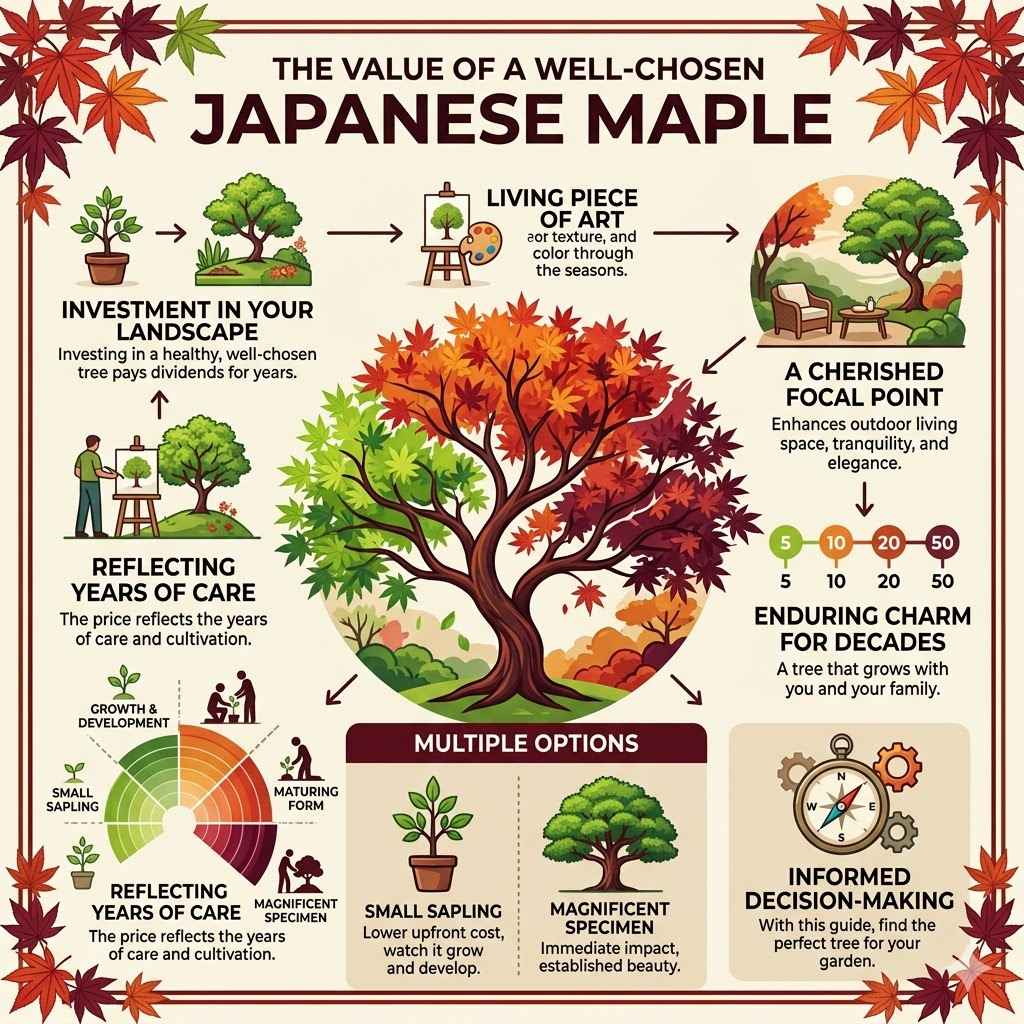
A Japanese maple is more than just a tree; it’s a living piece of art that brings beauty, texture, and color to your garden throughout the seasons. While the cost can vary widely, investing in a healthy, well-chosen tree is an investment in your landscape that pays dividends for years, even decades. The right tree, planted in the right place, will become a cherished focal point, enhancing your outdoor living space and providing a sense of tranquility and elegance.
The price you see reflects the years of growth, care, and cultivation that have gone into bringing that tree to its current state. Whether you opt for a small sapling to watch grow or a magnificent specimen for immediate impact, each Japanese maple offers unique beauty. With this guide, you’re now equipped to make an informed decision, find the perfect tree for your garden, and enjoy its enduring charm for many years to come.
Frequently Asked Questions
Question: What is the average price for a small Japanese maple?
Answer: A small Japanese maple, typically in a 1- to 3-gallon pot and standing 1-4 feet tall, generally costs between $40 and $150. This price varies based on the specific cultivar and the nursery where you purchase it.
Question: How much does a medium-sized Japanese maple usually cost?
Answer: Medium-sized Japanese maples, found in 5- to 15-gallon pots and usually 4-8 feet tall, typically range in price from $150 to $400. These offer more immediate visual presence.
Question: What should I expect to pay for a large, specimen Japanese maple?
Answer: Large specimen Japanese maples, often 8 feet or taller and sold in 20-gallon+ containers or balled and burlapped, can cost anywhere from $500 to $3,000 or even more for exceptional trees. The price reflects their mature size and developed form.
Question: Are there ways to get a Japanese maple for less money?
Answer: Yes, buying smaller trees, looking for common cultivars, shopping during sale seasons (late fall or early spring), and checking with local community garden groups or plant swaps can help reduce the cost. Buying a younger tree also means a lower initial investment.
Question: Does the color of the leaves affect the price of a Japanese maple?
Answer: Yes, the leaf color and shape can significantly influence the price. Varieties with unique or exceptionally vibrant leaf colors, or those with very intricate, lacy foliage, are often rarer and harder to grow, leading to higher costs compared to more common green or red varieties.
Summary
Japanese maple prices depend on size, variety, health, and where you buy them. Small trees cost $40-$150, medium ones $150-$400, and large specimens $500-$3000+. Always inspect trees for health, buy in spring or fall, and check nursery guarantees.
Choosing wisely ensures a beautiful, long-lasting garden addition.