How Much Does MDF Cost Compared to Masonite Or Plywood?
When you’re planning a home improvement project or diving into a DIY adventure, choosing the right materials is crucial. If you’re considering MDF, Masonite, or Plywood, you might be wondering about the cost differences.
This choice can impact your project’s budget and overall quality. So, how do you decide which material fits your needs and wallet best? By understanding the costs, you can make an informed decision that saves you money and ensures your project’s success.
We’ll break down the costs of MDF, Masonite, and Plywood, giving you a clear picture of what to expect. You’ll discover the hidden expenses and benefits of each option, helping you choose the perfect material for your project. Keep reading to learn how to get the most value for your money without compromising on quality or durability. Your next home project deserves the best, and we’re here to guide you through the process.
Credit: www.cabinetcity.net
Factors Influencing MDF Costs
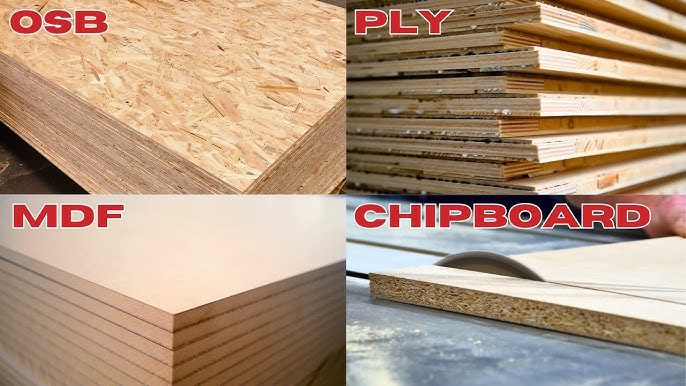
MDF is made from wood fibers mixed with resin. This mix affects the cost. The quality of wood and resin matters. Better quality means higher price. Masonite uses wood chips and steam. Plywood uses layers of wood. Each material has different costs.
Making MDF involves pressing fibers together. This needs machines and energy. Both add to the cost. Masonite is made with heat and pressure. Plywood needs layers glued together. Each process affects the final price.
Demand for MDF can change its price. High demand often means higher prices. Masonite and plywood follow the same rule. If many people want them, costs go up. Less demand can make them cheaper.
Price Comparison: MDF Vs Masonite
MDF is not as strong as Masonite. It can break easily. Masonite is tougher. It can hold more weight. This makes Masonite better for heavy projects. MDF is good for light tasks. Both materials have their uses. But strength is key. Choose wisely based on need.
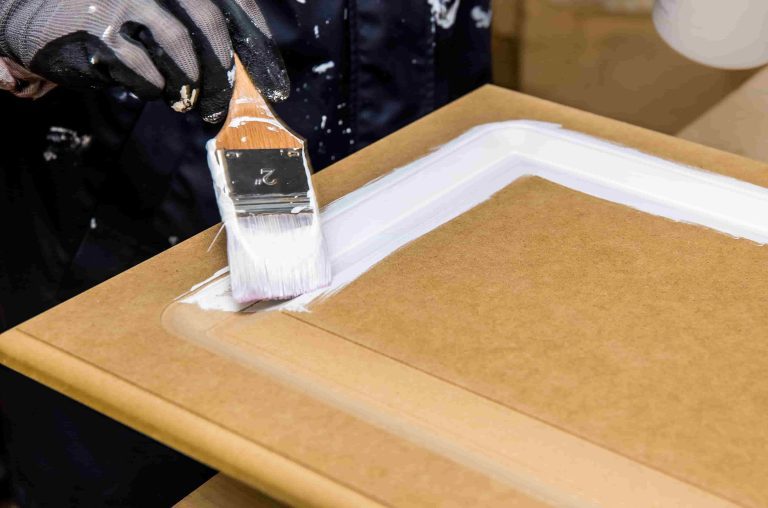
MDF is used in furniture. It’s smooth and easy to paint. Masonite is often used for doors. It’s durable and resistant to wear. Both can be used in crafts. MDF is cheaper for crafts. Masonite is better for long-term projects. Choose based on the project type.
Prices can change by region. In some places, MDF is cheaper. In others, Masonite costs less. Local demand affects prices. Check local stores for best prices. Compare prices before buying. Cost can vary widely.
Price Comparison: MDF Vs Plywood
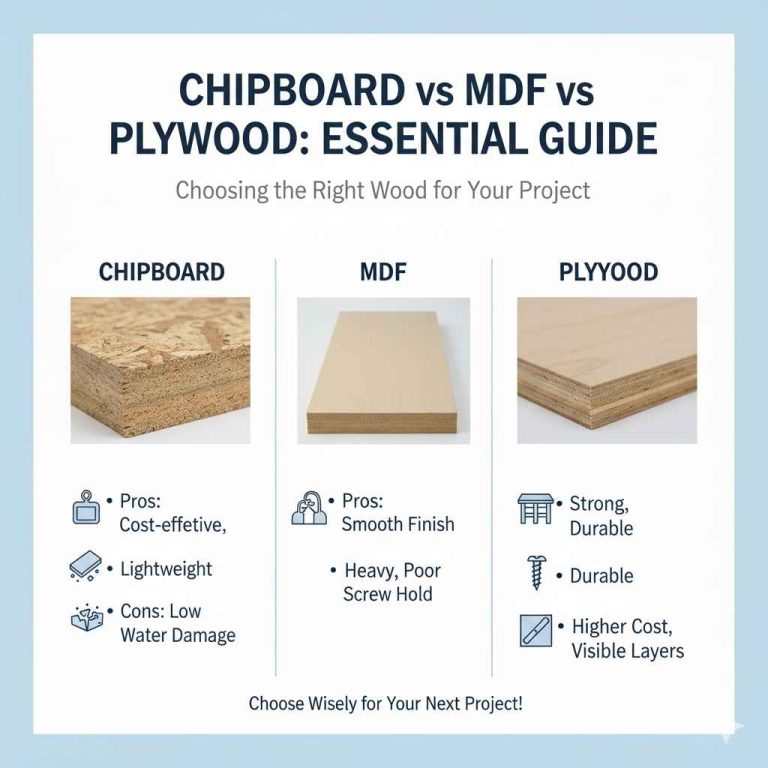
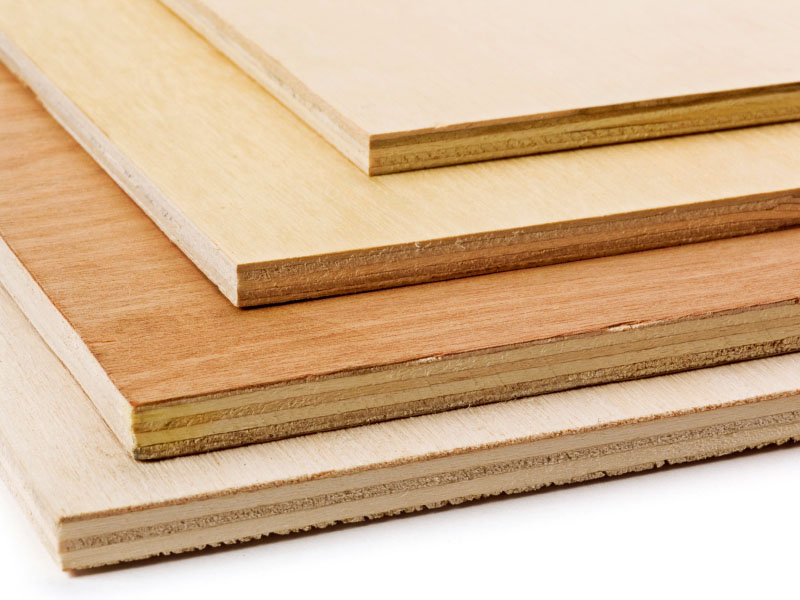
MDF is usually heavier than plywood. Plywood is lighter, making it easier to handle. MDF is often denser and thicker. It feels solid and firm. Plywood comes in various thicknesses. It offers options for different needs. MDF may require stronger support due to its weight.
Plywood is easy to cut and shape. It is less prone to chipping. MDF can be harder to cut cleanly. It may create dust when cut. Plywood is generally smoother for painting. MDF may need extra care for fine details. Both materials work well for crafting.
MDF and plywood are widely available. Most hardware stores stock both. Plywood may have more sizes and types. MDF is also commonly found. Both are accessible for quick projects. Availability can vary by region. Consider your local supply options.
Cost Efficiency For Projects
MDF is often cheaper than Plywood and Masonite. This makes it a good choice for tight budgets. Plywood costs more but offers better strength. Masonite is also affordable but not as strong as Plywood. For small projects, MDF might be the best pick. It saves money and works well.
Large projects need careful planning. Plywood is best for big tasks needing strength. MDF is good for small projects. It is light and easy to work with. Masonite suits projects like doors and panels. Each material fits different needs.
Plywood lasts a long time. It handles water better than MDF. MDF can swell with water. Masonite is stable but not as strong. Choose based on how long you need it to last. Spending more on Plywood might save money in the end.
Market Trends And Price Fluctuations
MDF often costs less than Masonite or Plywood. This makes it a budget-friendly choice for many projects. Price changes can happen due to market trends and material availability.
Economic Factors
The cost of MDF, Masonite, and Plywood changes a lot. Economic factors like inflation can make prices go up. Raw materials also affect prices. If they cost more, the products will too. Demand plays a role. High demand can make prices rise. Low demand might lower them.
Supply Chain Dynamics
A strong supply chain helps keep prices steady. Delays in the supply chain can cause price hikes. If factories slow down, it can affect costs. Transportation issues make prices go higher. A smooth supply chain keeps things balanced.
Consumer Preferences
Consumers often choose based on quality and cost. MDF is often cheaper than Masonite and Plywood. Some people prefer Plywood for its strength. Others pick MDF for its low price. Choices depend on needs and budgets.
Tips For Cost-effective Purchasing
Comparing costs, MDF is often less expensive than Masonite or Plywood. MDF offers affordability without sacrificing quality. For budget-conscious buyers, it’s a smart choice in many projects.
Bulk Buying Advantages
Buying in bulk often saves money. Large orders get discounts. Suppliers might offer better deals on big purchases. This is good for projects needing lots of materials. Consider storage space before buying. Storing extra items can be a problem.
Supplier Negotiations
Talking with suppliers can lower costs. Ask for special prices. Building a good relationship helps. Suppliers might offer better deals to loyal customers. Always discuss prices before agreeing. This can lead to savings.
Seasonal Discounts
Some suppliers offer seasonal discounts. Prices may drop during certain months. This can be a chance to save money. Check for these deals regularly. Planning purchases around these times is smart. It helps reduce costs.
Credit: www.homedepot.com
Frequently Asked Questions
Which Is Cheaper, Plywood Or MDF?
MDF is generally cheaper than plywood. It offers a cost-effective option for projects needing smooth surfaces. Plywood is more expensive due to its strength and durability. Both materials have their own applications and benefits, so choosing depends on specific project needs and budget.
What Is The Biggest Drawback Of Using MDF?
MDF’s biggest drawback is its lack of durability. It easily absorbs moisture, causing it to swell and warp. This makes MDF unsuitable for areas prone to high humidity or water exposure. Additionally, MDF can be prone to cracking or splitting under pressure.
Always consider these factors when choosing materials for your projects.
What Is The Difference Between MDF And Masonite?
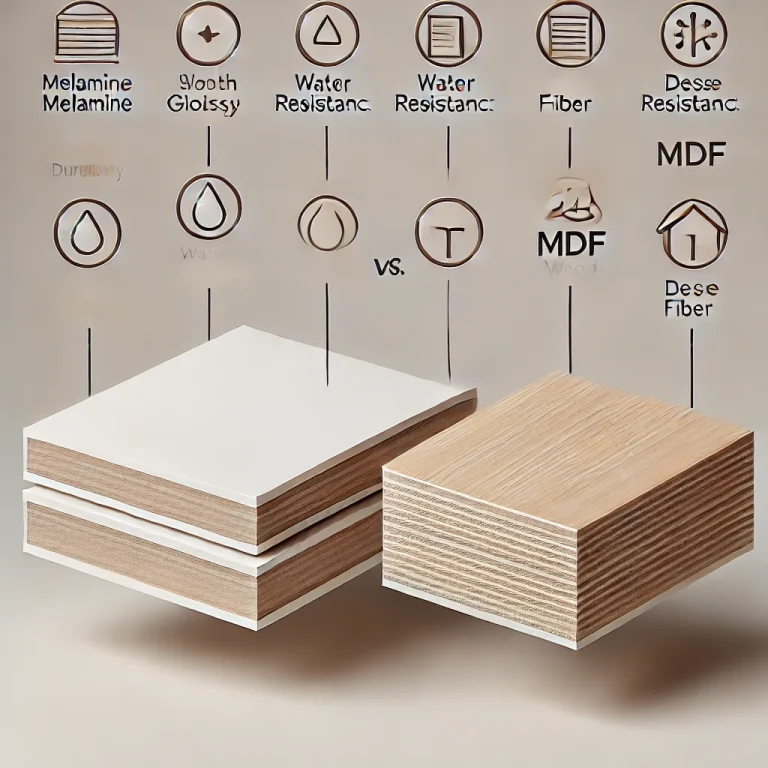
MDF is denser and made from wood fibers bonded with resin. Masonite is thinner, created from wood fibers and is more flexible. MDF is ideal for furniture and cabinets, while masonite suits projects requiring bending or shaping. Both materials differ in composition and uses.
When Should You Not Use MDF?
Avoid using MDF in high-moisture areas like bathrooms or kitchens. It’s unsuitable for heavy load-bearing structures. MDF is not ideal for outdoor use due to moisture damage. Avoid using it for intricate carvings, as it may not hold details well.
High-heat areas are also unsuitable for MDF.
Conclusion
MDF, masonite, and plywood each serve different needs and budgets. MDF offers affordability and smoothness, perfect for indoor projects. Masonite provides durability and strength, ideal for doors and panels. Plywood stands out with its versatility and resistance to moisture. Consider your project requirements and budget when choosing.
Each material has its unique advantages. Understanding these can help you make an informed decision. So, what’s your priority? Cost, durability, or versatility? Choose wisely for your next project.