MDF vs Plywood Price: How to Compare Cost Per Sheet (2026)
MDF is usually the cheaper panel when you compare it to sanded, project-grade plywood of the same nominal thickness. The gap is smaller than the price tags suggest, though, and it can close or flip once you count actual thickness, sheet weight, and the extra sealing that raw MDF edges need. This guide gives you a way to compare the two on your own local prices instead of trusting a range that goes stale.
Store prices for both panels shift by location and by week, and the big retailer sites block automated price lookups, so this page does not quote a fixed price range it cannot date. Instead, it gives you the arithmetic to run at your own store, plus the real specifications from current listings (checked 2026-09-30) that decide which sheet is the better buy.
The Real Cost Per Sheet: Price Tag Plus Edge Sealing
Best Primer For Sealing Cut Edges
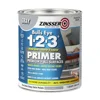 |
Zinsser Bulls Eye 1-2-3 All Surface Primer, Quart, Gray Whichever panel you buy, painted work needs a primer, and the raw cut edges of MDF drink it up fastest, so this is the one extra purchase to budget for.
|
The price on the shelf tag is only the starting point. A 4×8 sheet is 32 square feet, so dividing the tag by 32 gives a per-square-foot number you can compare between products. The table below is pure arithmetic, not a store quote: it shows what a few example tag prices work out to.
| Example sheet price (4×8) | Cost per square foot | Cost of a 2×4 ft panel cut from it |
|---|---|---|
| $30 | $0.94 | $7.50 |
| $40 | $1.25 | $10.00 |
| $50 | $1.56 | $12.50 |
| $60 | $1.88 | $15.00 |
| $70 | $2.19 | $17.50 |
Plug in your local tag for a paint-grade MDF sheet and a sanded plywood sheet, and compare the two per-square-foot figures. Be strict about matching like with like: a rough sheathing plywood sold for subfloors is not a fair rival for smooth MDF, and a hardwood-veneer plywood is not a fair rival for the cheapest MDF. Compare paint-grade MDF to sanded project plywood for painted work, and hardwood plywood to veneered MDF only if you plan a clear finish.
The Nominal Thickness Trap
Here is the angle most price comparisons miss: a 3/4 inch sheet is not 3/4 inch thick, and the two materials miss it in different directions. In the listings I checked on 2026-09-30, the Home Depot sanded plywood sheet gives an actual thickness of 0.703 inch, while the 3/4 in. MDF listings at Home Depot and Lowe’s show 0.745 to 0.750 inch. That is about 6 to 7 percent more material in the MDF for the same nominal label.
| Panel (3/4 in. nominal) | Actual thickness in listing | Actual face size in listing |
|---|---|---|
| Home Depot sanded plywood | 0.703 in. | 48 x 96 in. |
| Home Depot MDF (two listings) | 0.750 in. | 49 x 97 in. and 48 x 96 in. |
| Lowe’s MDF | 0.745 in. | 48.92 in. x 8.07 ft |
Two practical consequences follow. First, if you build a dado or rabbet for a 3/4 inch panel, measure the actual sheet with calipers before you set the router, because plywood will rattle in a dado cut for MDF. Second, some MDF sheets come oversized, so a cutting plan based on exactly 48 x 96 inches can leave you a little extra to trim, which slightly changes your waste math. Always measure the sheet you bring home.
Weight, Delivery, and Handling Costs
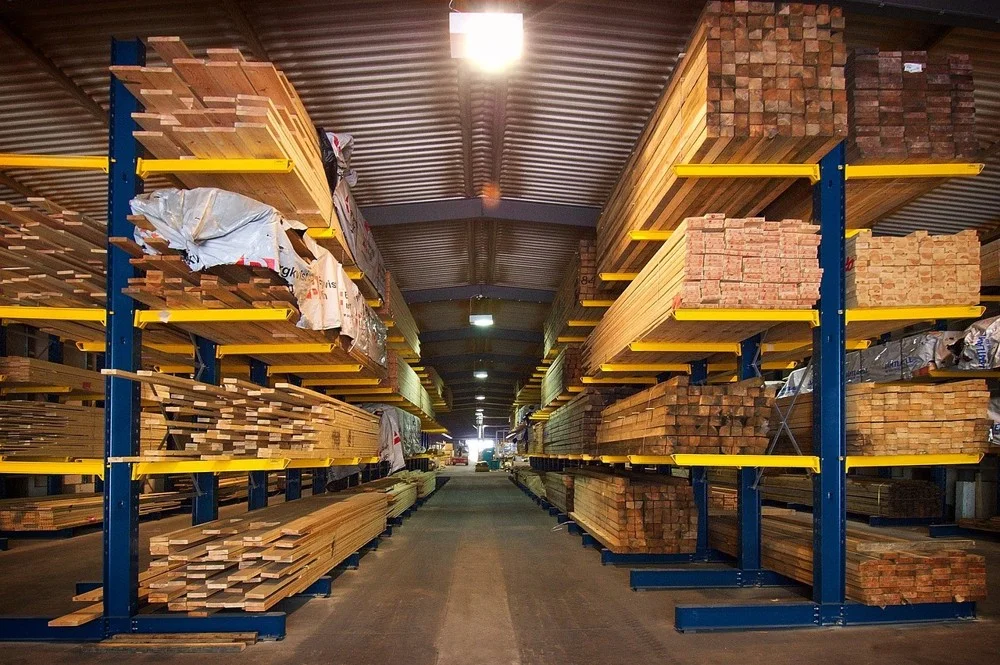
Weight is a hidden cost when you are hauling the sheets yourself or paying for delivery. Our own plywood vs MDF weight breakdown puts a full 3/4 inch sheet at roughly 74 pounds for plywood and 97 pounds for MDF. A sheet of MDF is a two-person carry, and it is the panel that ends up needing a delivery fee or a second trip to the store.
If you plan to have the store cut sheets down before you leave, check the store’s policy and any per-cut fee before you count on it. Smaller pieces are easier to carry and fit in a car, and they turn a 97 pound sheet into parts you can handle alone.
Which One Wins on Value for Common Projects
| Project | Usually cheaper up front | Usually better value | Why |
|---|---|---|---|
| Painted cabinet doors and drawer fronts | MDF | MDF | Smooth face, no grain to fill, and doors carry little load |
| Cabinet boxes | MDF | Plywood in damp rooms | See our kitchen cabinets comparison |
| Long shelves under heavy books | MDF | Plywood | Plywood resists sagging and holds screws better |
| Workshop jigs and templates | MDF | MDF | Flat and stable, and cheap enough to sacrifice |
| Anything that may get wet | Depends | Plywood | MDF swells when it soaks up water |
| Stained or clear-coated work | Not applicable | Plywood | MDF has no natural grain to show |
For strength questions behind that table, see whether MDF is stronger than plywood, and for a general side-by-side beyond price, see our MDF and plywood comparison. If you are choosing between MDF and a thinner hardboard, our MDF vs Masonite vs plywood cost page covers that trio, and MDF cost per square meter covers MDF pricing by thickness.
Where MDF Costs You More Than the Tag Says
Edge Sealing and Extra Coats
The faces of MDF paint beautifully, but the cut edges are the weak spot. They are more porous than the faces, so they soak up primer and paint and can swell if they ever get damp. Seal every cut edge before the finish coats, and plan on the low end of a can’s stated coverage on edge-heavy parts such as cabinet doors and shelves. That is the reason the primer above is the one add-on worth putting in the cart alongside the panels.
Dust and Blade Wear
MDF dust is very fine, and the panels are bonded with resin, so wear a well-fitted respirator and use dust collection when you cut or sand it. Many woodworkers also report that the resin content dulls carbide blades faster than plywood does, which is a real, if hard to price, ongoing cost.
Fasteners and Repairs
MDF holds screws poorly in its edges, so plan pilot holes, or use pocket-hole or biscuit joinery and glue rather than relying on screws alone. A stripped screw hole in MDF is hard to repair, and a ruined part means buying material again.
Where Plywood Costs You More Than the Tag Says
Cheaper plywood grades can have voids, patched knots, and a rough face that need filling and sanding before they take a paint finish. That extra hour of prep is a labor cost, and it is one reason paint-grade MDF often wins on painted work even when its per-sheet savings are small. Hardwood plywood costs more again, but it is the only choice when you want a visible grain.
How to Get the Best Price on Either One
- Price the whole cut list. Lay out your parts on a 4×8 grid and count sheets, because a project that needs 1.1 sheets costs you 2.
- Check the same product at two stores. Tag prices for the same nominal panel can differ, so compare both the per-square-foot number and the actual thickness.
- Look at the half sheets and project panels. Pre-cut 2×4 or 4×4 panels cost more per square foot, but they can beat a full sheet if you only need a few parts.
- Ask about damaged or open-stock sheets. A chipped corner is often fine for jigs or small parts. Store policies on discounts vary, so ask rather than assume.
- Do not buy a nicer grade than the project needs. Hidden shelf backs and jig blanks do not need cabinet-grade faces.
Frequently Asked Questions
Is MDF cheaper than plywood?
Usually yes when you compare paint-grade MDF against sanded, project-grade plywood of the same nominal thickness. The gap shrinks or reverses against basic sheathing plywood, and MDF adds costs of its own: it weighs more, and its cut edges need extra sealing before paint.
How do I compare MDF and plywood prices per square foot?
Divide the shelf tag price by 32, because a 4×8 sheet is 32 square feet. A $40 sheet works out to $1.25 per square foot and a $60 sheet to about $1.88. Then compare products with the same grade and finish, not just the same nominal thickness.
Why is 3/4 inch plywood not really 3/4 inch thick?
Sanded plywood is sold to a nominal size. The Home Depot listing for a 3/4 in. sanded plywood sheet gives its actual thickness as 0.703 inch, while 3/4 in. MDF listings show 0.745 to 0.750 inch, so the MDF is a little thicker for the same nominal label.
Does MDF cost more to finish than plywood?
Both need primer before paint. The difference is on the cut edges, where MDF soaks up primer and paint faster, so you will use more product and may need extra sanding between coats.
Which is cheaper for shelves?
For short, lightly loaded painted shelves, MDF is usually the cheaper route. For long spans or heavy loads, plywood’s better sag resistance and screw holding usually justifies its higher price.
Bottom Line
MDF wins on price for painted, indoor, lightly loaded parts. Plywood wins for damp rooms, long spans, screw-heavy joints, and stained work. Divide the tag by 32, match the grade, read the actual thickness on the listing, and count weight and edge sealing before you decide.
Sponsored / affiliate links. As an Amazon Associate I earn from qualifying purchases. I may earn additional commission from eligible campaigns.