MDF Cost Per Square Meter: 2026 Price Guide by Thickness and Grade
Standard MDF costs $16-$25 per square meter for a 3/4-inch (18mm) sheet in the US — thinner grades start around $5/sqm and specialty finishes cost up to 40% more. A full 4×8 sheet (2.97 sqm) runs $15-$60 at most home improvement stores depending on thickness. This guide covers 2026 prices by thickness and grade, regional pricing in consistent units, and exactly how to calculate your sheet count before you buy.
Quick Answer
Standard MDF costs $16-$25 per square meter (18mm/3/4-inch grade) in the US. A 4×8 sheet covers 2.97 sqm — thin 6mm sheets run about $5-8/sqm, while 25mm sheets reach $15-24/sqm. Moisture-resistant MDF costs 20-40% more. Europe averages 18-28 EUR/sqm; Australia runs AUD 25-35/sqm.
MDF Price Per Square Meter by Thickness (2026 US Rates)
Best MDF Sealer Pick
Rustins Quick Drying MDF Clear Sealer 250ml
Specifically formulated for MDF — penetrates porous edges and faces to create a sealed base that accepts topcoats without soaking them dry.
- Best for: Sealing MDF edges before painting to prevent absorption
- Why we picked it: Purpose-built for MDF, quick drying (30 min recoat), clear finish so paint color stays true
- Main drawback: 250ml covers only a modest area — buy the 1L size for larger projects
Compare more MDF primer options
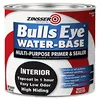 Option 1 Zinsser Bulls Eye Water-Base Primer and Sealer
|
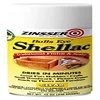 Option 2 Zinsser Bulls Eye Shellac Sealer, Clear
|
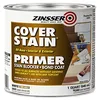 Option 3 Zinsser Cover-Stain Stain-Blocking Primer
|
As an Amazon Associate we earn from qualifying purchases.
The single biggest factor in MDF cost is thickness. A 4×8 foot sheet (the standard US size) covers 32 square feet, or exactly 2.97 square meters. The table below converts current retail sheet prices to a per-square-meter rate across every standard thickness you will find at Home Depot, Lowe’s, or a local lumber yard.
| Thickness | Per 4×8 Sheet (US) | Per Square Meter | Best Use |
|---|---|---|---|
| 6mm (1/4 inch) | $15 – $25 | $5 – $8 | Cabinet backs, drawer bottoms |
| 9mm (3/8 inch) | $20 – $30 | $7 – $10 | Shelving, light wall paneling |
| 12mm (1/2 inch) | $25 – $40 | $8 – $13 | Door panels, furniture carcasses |
| 15mm (5/8 inch) | $30 – $45 | $10 – $15 | Wardrobe carcasses, wall units |
| 18mm (3/4 inch) | $33 – $55 | $11 – $19 | Kitchen cabinets, countertop substrate |
| 25mm (1 inch) | $45 – $70 | $15 – $24 | Workbench tops, heavy furniture |
Note: Prices above reflect standard interior-grade MDF (not moisture-resistant) at US retail stores as of 2026. Prices vary by supplier, region, and volume. Online lumber yards and specialty suppliers often run 10-20% below big-box pricing for bulk orders.
MDF Grades and What Each One Costs
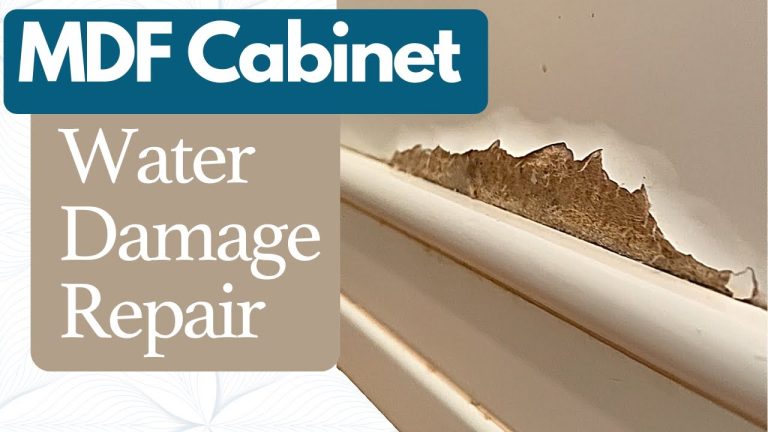
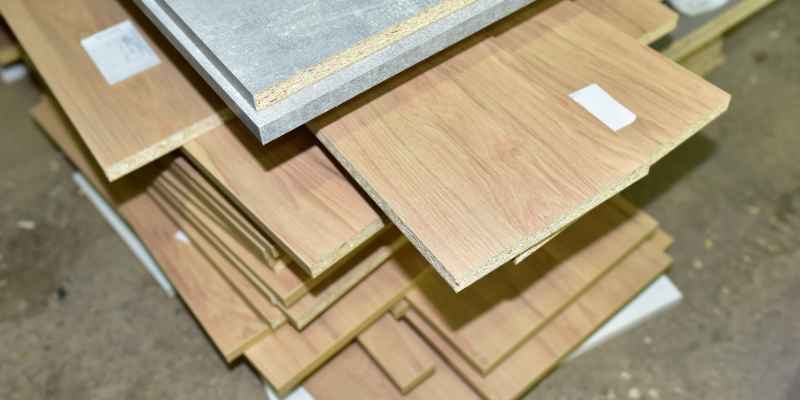
Standard interior MDF is the cheapest option, but there are four grades on the market and picking the wrong one costs more in the long run. Moisture-resistant MDF (sometimes called green MDF or MR MDF) uses a melamine-fortified resin that resists swelling in humid conditions — it costs 20-40% more upfront but avoids the replacement cost when used in kitchens or bathrooms.
| MDF Grade | Premium Over Standard | Where to Use It | Where NOT to Use It |
|---|---|---|---|
| Standard interior MDF | Baseline | Dry indoor rooms, furniture, shelving | Kitchens, bathrooms, garages |
| Moisture-resistant (MR/green) | +20% to +40% | Kitchen cabinets, bathroom vanities | Direct water contact or outdoor use |
| Fire-retardant (FR) | +50% to +100% | Commercial builds, schools, public spaces | Residential projects (rarely required) |
| Pre-primed or pre-painted | +15% to +25% | Moldings, trim, doors, skirting boards | Projects needing custom paint color |
One thing most buyers overlook: MDF edges absorb paint and primer at a much higher rate than the face. On a standard interior sheet, plan to apply at least two coats of a dedicated MDF sealer to the edges before painting — otherwise you will see the edges drink the first coat dry and leave a visible difference in finish texture.
MDF Price by Region
MDF is manufactured globally, and local supply-chain economics drive significant price differences. The table below uses 18mm (3/4-inch) standard-grade MDF as the baseline for comparison across regions, expressed in local currency per square meter.
| Region | Price per Sqm (18mm) | Notes |
|---|---|---|
| United States | $16 – $25 USD | Big-box pricing; lumber yards often 10-15% less |
| United Kingdom | GBP 8 – 14 | Strong domestic manufacturing keeps UK prices competitive |
| Europe (EU) | EUR 18 – 28 | Higher in Scandinavia, lower in Eastern Europe |
| Australia | AUD 25 – 35 | Higher transport cost inflates price; imports from Asia common |
| Asia (China/India) | $10 – $18 USD | Factory-gate pricing; quality varies more than in Western markets |
How to Calculate How Much MDF You Need
Overbuying MDF wastes money; underbuying forces a mid-project trip to the lumber yard where you risk a batch mismatch in color or density. The calculation below takes under two minutes and eliminates both problems.
- Measure the total area: Measure every panel you need in meters (length x width). Add all measurements together to get your total square meters required.
- Add 10% for waste: Cuts produce offcuts. A 10% buffer covers typical waste from edge ripping, routing, and mistakes. Multiply your total by 1.10.
- Convert to sheet count: One standard 4×8 sheet covers 2.97 square meters. Divide your total (after the 10% buffer) by 2.97 and round up to the nearest whole number.
- Check for edge banding or trim: If your project uses edge banding on all four sides of panels, account for the width you lose at each cut. Add an extra half-sheet to your order for complex edge-heavy projects.
- Confirm the thickness: Different thicknesses are never interchangeable on the same project. Double-check before ordering that all sheets in your cart are the same thickness.
Example: A shelving unit needs 8 panels each 0.4m x 0.8m. Total = 8 x 0.32 sqm = 2.56 sqm. Add 10%: 2.82 sqm. Divide by 2.97 = 0.95 sheets — round up to 1 full sheet. One 4×8 sheet will do the job with material to spare.

Is MDF Cheaper Than Plywood?
MDF is generally cheaper than plywood of the same thickness, but plywood outperforms MDF in applications where moisture, weight-bearing, or outdoor exposure is a factor. Here is a direct comparison at the 18mm (3/4-inch) thickness:
| Material (18mm, 4×8 sheet) | Typical US Price | Strengths | Weaknesses |
|---|---|---|---|
| Standard MDF | $33 – $55 | Smooth face, flat, takes paint well, no voids | Heavy, swells with moisture, cannot hold screws at edges |
| Hardwood plywood | $55 – $120 | Strong, light, holds screws well, moisture tolerant | Grain variation, may have voids, more expensive |
| Particle board | $18 – $35 | Cheapest option, flat | Very poor moisture resistance, crumbles at edges |
For painted interior furniture and cabinet carcasses, MDF is almost always the right choice on cost alone. The smooth, void-free face means less prep time before painting, which offsets some of the price difference versus particle board. Use plywood whenever structural load, outdoor exposure, or screw retention at edges matters more than surface smoothness. See our full guide on particle board vs MDF vs plywood for a deeper breakdown.
How to Get the Best Price on MDF
MDF pricing is more negotiable than most buyers realize. A few tactics that consistently cut costs without sacrificing quality:
- Buy from local lumber yards, not big-box stores. Local yards often stock the same sheet product at 10-20% below Home Depot or Lowe’s pricing, especially on thicker grades and larger orders.
- Order in full sheets, not cut-to-size. Cut-to-size services add a per-cut fee (typically $1-3 per cut). If you have a table saw or circular saw, buying full sheets and cutting yourself saves the fee and lets you optimize your cutting layout for less waste.
- Ask about seconds or clearance sheets. Sheets with minor surface marks or a slightly bowed edge are often sold at 20-40% off. For painted projects where you will prime and topcoat anyway, minor surface marks disappear under finish.
- Buy in bulk when your project exceeds 10 sheets. Many suppliers apply a volume discount at 10 or more sheets — ask specifically about this bracket, since it is rarely advertised at the counter.
- Time your purchase before winter. Construction demand drops in Q4, and some suppliers run clearance pricing on existing stock before year-end inventory counts. Buying in October or November can save 10-15% on standard grades.
“On a recent built-in shelving project, switching from the big-box to a local hardwood dealer saved us $4 per sheet on 18mm MDF — $48 saved across 12 sheets, before even factoring in the better edge condition of the mill-fresh stock.”
Frequently Asked Questions
Is moisture-resistant MDF more expensive than standard MDF?
Yes. Moisture-resistant MDF (MR MDF or green-core MDF) costs 20-40% more than standard interior grade. The premium comes from the melamine-fortified resin used in the manufacturing process, which resists swelling when exposed to high humidity. For kitchen cabinets or bathroom furniture, the extra cost is worthwhile — standard MDF will swell and delaminate within a few years in humid environments.
How much does a standard 4×8 sheet of MDF cost?
A standard 4×8 foot (1220mm x 2440mm) MDF sheet covers 2.97 square meters. Price by thickness at US retail: 6mm sheets run $15-$25, 12mm sheets $25-$40, and the most common 18mm (3/4 inch) sheets run $33-$55. Moisture-resistant versions of each add 20-40% to these prices. Local lumber yards typically price 5-15% below big-box retailers for the same product.
What thickness of MDF is best for kitchen cabinets?
18mm (3/4 inch) moisture-resistant MDF is the standard for kitchen cabinet carcasses in most cabinet shops. It provides enough rigidity to support shelf loads and hardware while being easier to machine than plywood. Use moisture-resistant grade only — standard interior MDF in a kitchen will swell at the base from floor mopping and steam exposure within two to three years.
Is MDF cheaper than plywood for shelving?
Yes, for most painted interior shelving, standard MDF costs 30-50% less than hardwood plywood of the same thickness. The smooth, void-free face also means less primer and prep work before painting. However, for shelving that will carry heavy loads or sit in a humid space (garage, basement), plywood is the better choice — it holds screws more reliably and does not sag under load the way MDF does over long unsupported spans.
Does MDF come in different sizes besides 4×8?
Yes. In the US the standard sheet is 4×8 feet (1220mm x 2440mm), but most suppliers also stock 5×8 and 4×10 sheets in the same thickness range. In the UK and Europe the standard is 2440mm x 1220mm (which is the same as the US 4×8) plus 3050mm x 1220mm for longer runs. Larger sheets reduce the number of joins in large furniture pieces but cost more per sheet and are harder to handle and transport without a panel saw.
MDF remains one of the most cost-effective sheet materials for painted interior furniture, cabinet carcasses, and trim work. The key to budgeting accurately is to choose the right thickness for your structural needs (18mm for carcasses, 6-9mm for backs and drawer bottoms), pick the right grade for the environment (moisture-resistant in kitchens and bathrooms), and buy from a local lumber yard rather than a big-box store for the best price per square meter. For related project costs, see our guide on MDF cost per sheet and our breakdown of MDF vs plywood vs particle board.
Sponsored / affiliate links. As an Amazon Associate I earn from qualifying purchases. I may earn additional commission from eligible campaigns.