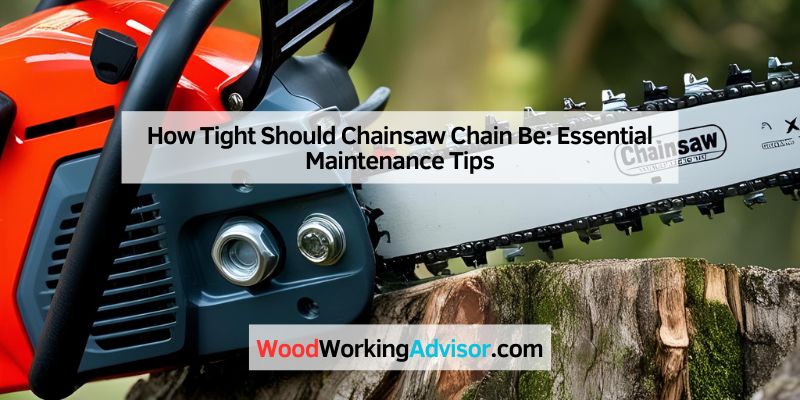
How Tight Should Chainsaw Chain Be: Essential Maintenance Tips
The chainsaw chain should be snug but not too tight. It needs to be able to move freely.
Knowing how tight your chainsaw chain should be is crucial for safety and performance. A chain that is too tight can cause damage, while a loose chain can come off during use. Finding the right balance ensures your chainsaw works efficiently and safely.
In this guide, we will explain the perfect tension for your chainsaw chain. This will help you maintain your tool correctly and avoid accidents. Let’s dive in and learn how to keep your chainsaw in top condition.

Credit: www.youtube.com
Importance Of Chain Tension
Proper chain tension keeps you safe. A loose chain can jump off. This can cause serious injury. A tight chain can break. This can also cause harm. Always check the tension before use. Safety is the first priority.
Correct tension helps your chainsaw work well. A loose chain cuts poorly. It makes the saw work harder. A tight chain can slow it down. Both problems waste fuel. Check the tension often. This keeps your chainsaw running smoothly.
Signs Of Improper Chain Tension
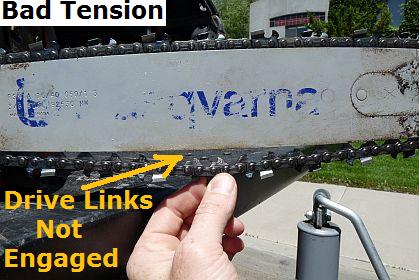
A loose chainsaw chain can be very dangerous. It may slip off the bar while cutting. This makes the saw difficult to control. You might also notice the chain hanging below the bar. The chain will not cut as effectively. It can cause uneven cuts. It can also damage the chainsaw.
An over-tightened chain can cause problems too. It may be hard to pull the chain around the bar. The chain can get very hot. This can damage the chain and the bar. You might hear strange noises. Your chainsaw may shake more than usual. It can also put extra strain on the engine.
Tools Needed For Chain Adjustment
You need a wrench to loosen the nuts. A screwdriver helps adjust the tension. A tension gauge is useful for checking tightness. These tools ensure safe and smooth chain operation.
Protective gloves can prevent injuries. Safety glasses shield your eyes from debris. Lubricant helps the chain run smoothly. Maintenance kits can include these and more items for better upkeep.
Credit: www.instructables.com
Step-by-step Chain Tension Adjustment
Ensure the chainsaw is off and cool. Safety first. Wear gloves and eye protection. Have the necessary tools ready. Find a clean workspace. Clean the chainsaw chain and bar. Inspect the chain for damage or wear. Remove any debris from the chain and bar. Locate the tension adjustment screw.
Loosen the nuts on the side panel. Turn the tension adjustment screw. Adjust until the chain is snug. The chain should not sag. Tighten the nuts back. Check the chain tension again. The chain should move freely. If too tight, loosen slightly. If too loose, tighten a bit more.
Checking Chain Tension
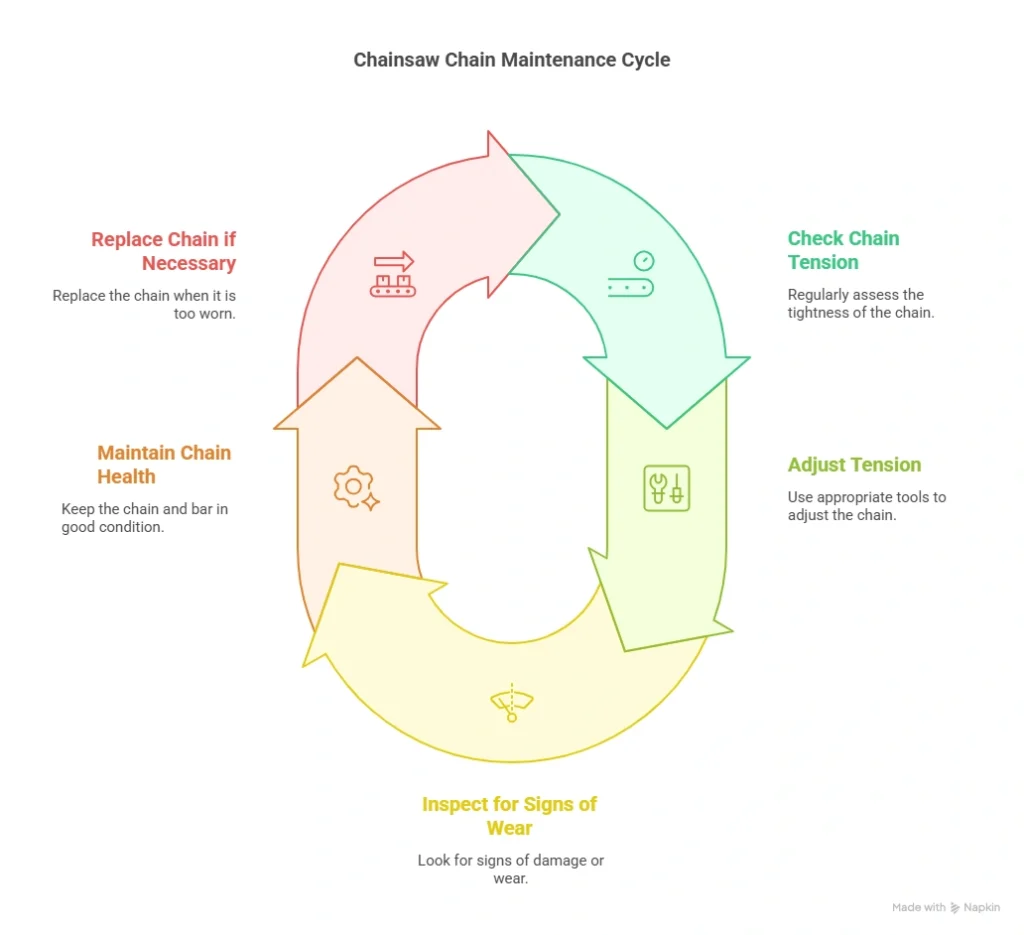
Proper chain tension is crucial for chainsaw performance and safety. The chain should be snug but still able to move freely around the guide bar. Regular checks can prevent accidents and enhance cutting efficiency.
Manual Inspection
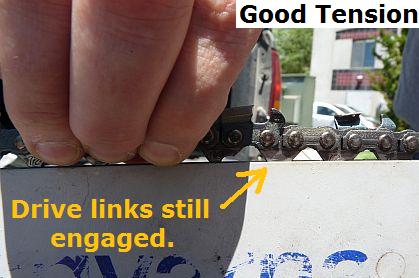
First, ensure the chainsaw is off. Wear gloves for safety. Hold the chain with your fingers. Pull the chain away from the bar. It should move slightly but not come off. Too loose can cause the chain to slip. Too tight can damage the chainsaw.
If the chain is too loose, tighten it. Use the chainsaw’s adjustment tool. Check the chain again. Make sure it moves but stays firm. Regular checks are important for safety.
Using A Tension Gauge
A tension gauge can help. Place the gauge on the chain. Follow the tool’s instructions. The gauge will show if the tension is right. Proper tension keeps the chainsaw running well. Using a gauge can make the process easier and safer.
Common Mistakes To Avoid
Over-tightening the chainsaw chain is a common mistake. It can damage the chain and the bar. The chain needs to move freely. If it is too tight, it may break. A tight chain can also overheat. This can dull the chain quickly. Always check the tension. Make sure it is not too tight. The chain should have some slack. This helps it work well.
Regular checks of the chainsaw chain are crucial. Neglecting them can lead to problems. A loose chain can fall off. This is dangerous. Regular checks keep the chain in good condition. Inspect the chain before each use. Look for wear and tear. Replace the chain if it is damaged. A well-maintained chain works better. It also lasts longer.
Maintaining Chain And Bar Health
Chainsaws need good lubrication. Use the right oil for your chainsaw. This keeps the chain smooth and reduces wear. Check oil level often. Add oil before it gets too low. Never use old oil. It can damage the chain and bar.
Clean the chainsaw regularly. Remove dirt and debris. Use a soft brush for this. Inspect the chain and bar. Look for any damage. Clean parts with warm water and soap. Dry all parts completely. Lubricate after cleaning. This helps prevent rust.
When To Replace Your Chain
Chainsaw chains wear out over time. Look for dull teeth and cracks. A chain may stretch too much. Also, check for missing teeth. If the chain binds or jumps, it is likely worn out. Regular checks can help you spot these signs early.
Choose a chain that fits your chainsaw model. Check the bar length and pitch. Also, note the gauge and drive links. These details help find the perfect match. Always refer to the user manual for guidance.
Credit: www.instructables.com
Frequently Asked Questions
How Do I Know If My Chainsaw Chain Is Tight Enough?
Pull the chain away from the bar. It should snap back into place. Check for slight sag but no drooping.
How Much Slack Should A Chainsaw Chain Have?
A chainsaw chain should have about 1/8 inch of slack. Ensure it can be pulled slightly away from the bar but snaps back into place. Adjust regularly for optimal performance and safety.
What Is The Best Tension For A Chainsaw Chain?
The best tension for a chainsaw chain is snug but not too tight. You should be able to lift the chain slightly off the guide bar but not pull the drive links out of the bar nose. This ensures optimal performance and safety.
Adjust regularly for consistent cutting efficiency.
Can You Over Tighten A Chainsaw Chain?
Yes, you can over tighten a chainsaw chain. This can cause damage to the bar, chain, and motor.
Conclusion
Finding the right chainsaw chain tension is crucial. A chain too tight can cause damage. Too loose, and it’s unsafe. Regularly check and adjust the tension. This ensures smooth, efficient cuts. Remember, a well-maintained chainsaw lasts longer. Keep safety in mind always.
Proper tension saves time and effort. Follow these tips for better performance. Maintain your chainsaw regularly. Happy cutting!