How to Attach Wood to Metal Pipe: Secure Bonding Tips
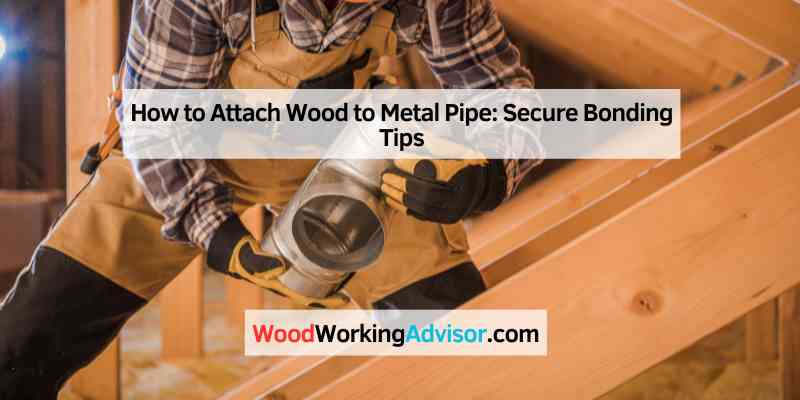
To attach wood to a metal pipe, use metal brackets or clamps for a secure connection. Alternatively, drill holes and use bolts for a strong, lasting bond.
Attaching wood to metal pipes is a common task in various DIY projects, from furniture making to home renovations. The right method ensures a sturdy and reliable connection, enhancing both functionality and aesthetics. Understanding the appropriate tools and materials can simplify the process.
This guide covers essential techniques, tools, and tips for successfully connecting wood to metal pipes. Whether you’re building a custom shelf or creating a unique piece of furniture, mastering this skill will expand your DIY capabilities. Let’s explore the best practices for achieving a secure and attractive attachment.
Introduction To Wood And Metal Pipe Projects
Wood and metal pipe projects create unique and eye-catching designs. The contrast between warm wood and cool metal adds visual interest. Mixing these materials can enhance both functionality and style in various projects.
Many people enjoy using wood and metal together. This combination is perfect for items like furniture, shelves, and decorative pieces. Each project showcases individual creativity and personal flair.
| Project Type | Description |
|---|---|
| Coffee Table | A stylish table made with a metal pipe frame and wood top. |
| Bookshelf | Sturdy shelves using metal pipes for support and wooden boards. |
| Wall Art | Creative designs that combine wood pieces and metal accents. |
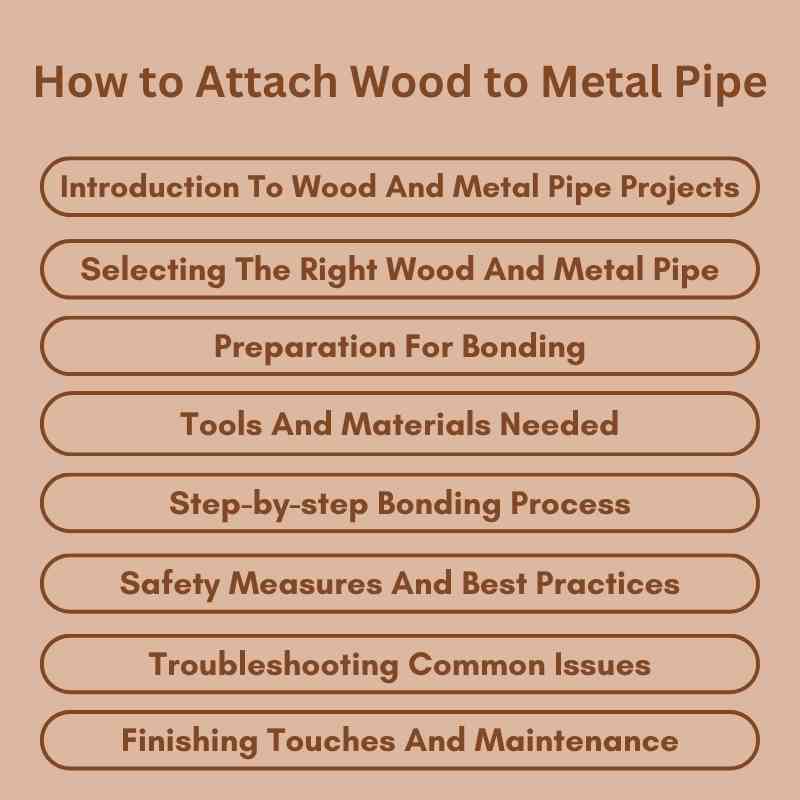
Selecting The Right Wood And Metal Pipe
Choosing the right wood is important for strong connections. Common options include pine, oak, and maple. Pine is light and easy to work with. Oak offers great strength and durability. Maple has a beautiful finish and is also strong.
Metal pipes come in various types. Steel pipes are strong and resistant to corrosion. Aluminum pipes are lightweight and easy to handle. Stainless steel offers excellent resistance to rust. Each type serves different purposes.
Preparation For Bonding
Before bonding, ensure all surfaces are clean. Use a cloth to remove dirt and dust. For metal pipes, a wire brush works well. Smooth out any rough edges using sandpaper. This will help the adhesive stick better.
Next, measure the wood and pipe carefully. Use a tape measure for accurate dimensions. Mark the wood where cuts will be made. A saw will help cut the wood to the right size. Always wear safety goggles when cutting.
Tools And Materials Needed
To attach wood to metal pipe, gather essential tools. Use a drill, screwdriver, and measuring tape. A saw is also needed for cutting wood. Don’t forget clamps to hold everything in place.
For adhesives, choose ones that bond wood and metal well. Epoxy is strong and durable. Construction adhesive offers great gri for large areas. Super glue works for small fixes. Check drying times and strength ratings before use.
| Adhesive | Properties |
|---|---|
| Epoxy | Strong and durable |
| Construction Adhesive | Great for large areas |
| Super Glue | Fast-drying for small fixes |
Step-by-step Bonding Process
To attach wood to a metal pipe, start by cleaning both surfaces. Use a cloth to remove dirt and dust. Next, choose a strong adhesive designed for wood and metal. Apply the adhesive evenly on the wood surface.
Press the wood firmly against the metal pipe. Make sure it is in the correct position. Use clamps to hold the pieces together. This helps to ensure a strong bond.
Allow the adhesive to dry as per the manufacturer’s instructions. Drying times may vary based on the product used. Check the label for specific times.
Safety Measures And Best Practices
Always wear protective gear like gloves and safety goggles. This gear helps prevent injuries. Use a dust mask to avoid inhaling harmful particles. Ear protection is also important when using loud tools.
Work in a well-ventilated area to stay safe. Good airflow reduces harmful fumes. Open windows and doors to allow fresh air in. Use fans to increase airflow if needed. Proper ventilation keeps the workspace comfortable and safe.
Troubleshooting Common Issues
Weak bonds can occur between wood and metal pipes. To strengthen them, use a high-quality adhesive. Epoxy or polyurethane glues work well. Make sure to clean both surfaces before applying the adhesive.</p
Dealing with excess adhesive is important. Wipe off any extra glue with a damp cloth. This prevents mess and ensures a clean finish. Allow the adhesive to cure fully for the best bond.
Check the bond after curing. If it feels weak, consider using screws or brackets. This adds extra support. Always test the strength before full use.
Finishing Touches And Maintenance
Start by sanding the wood surface. This helps create a smooth finish. Use medium-grit sandpaper for rough areas. Follow with fine-grit sandpaper for a polished look.
Next, apply a primer to the wood. Priming helps the paint stick better. Choose a primer designed for both wood and metal surfaces.
After priming, select a weather-resistant paint. This protects against rust and wear. Use a brush or spray for an even coat. Allow the paint to dry completely.
For long-term care, inspect the project regularly. Look for signs of wear or damage. Touch up paint as needed to keep it looking fresh.
Clean the surfaces periodically to remove dirt. This helps maintain the appearance and longevity of the project.
Frequently Asked Questions
How Do You Attach Wood To A Metal Pipe?
To attach wood to a metal pipe, use metal brackets or clamps. First, secure the bracket to the pipe. Then, drill pilot holes in the wood and attach it using screws. This method ensures a strong hold while allowing for adjustments if necessary.
What Tools Are Needed For This Project?
Essential tools include a drill, screws, and brackets. A measuring tape ensures accurate placement. A level helps keep everything straight. Additionally, a wrench may be needed to tighten the brackets securely onto the metal pipe.
Can You Use Adhesive For Wood-to-metal Attachment?
Yes, you can use adhesive, but it’s not always reliable. Epoxy or construction adhesive works best for this purpose. However, adhesives may not provide the same strength as mechanical fasteners like screws or clamps. Always consider the weight and stress on the joint before relying solely on adhesive.
Is It Safe To Attach Wood To Metal?
Yes, it is safe when done correctly. Ensure all fasteners are secure to prevent any accidents. Use appropriate materials and tools for the job. Proper attachment techniques will ensure stability and safety in your project.
Conclusion
Attaching wood to a metal pipe can enhance both functionality and aesthetics in your projects. With the right tools and techniques, anyone can achieve a secure bond. Always prioritize safety and take your time to ensure a perfect fit. Embrace creativity and transform your space with this versatile method.