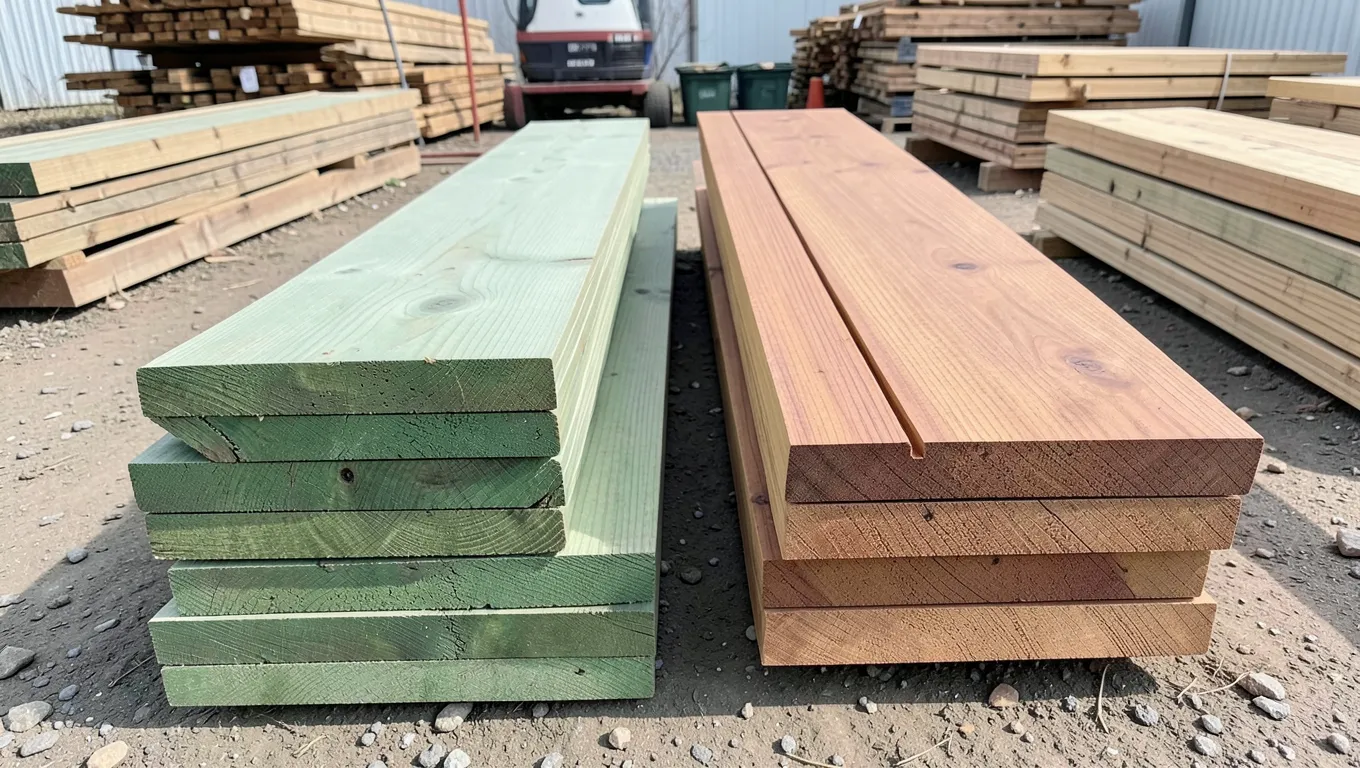
Pressure Treated Pine vs. Cedar: Which One Actually Lasts Longer Outdoors
Pressure treated pine resists rot because it’s chemically forced to, while cedar resists rot because of oils naturally present in its wood – and that difference in mechanism drives almost every other tradeoff between them. Pressure treated pine is cheaper and structurally stronger for framing; cedar looks better untreated, is safer to handle and burn, and typically lasts longer in ground contact once you factor in real-world maintenance.
How Each Wood Actually Resists Rot
Best Sealer for Either Wood
 |
Thompson’s WaterSeal Clear Wood Sealer – $19.94 Whichever wood you pick, both pressure treated pine and cedar need a water-repellent sealer reapplied every year or two to actually hit their expected lifespan.
|
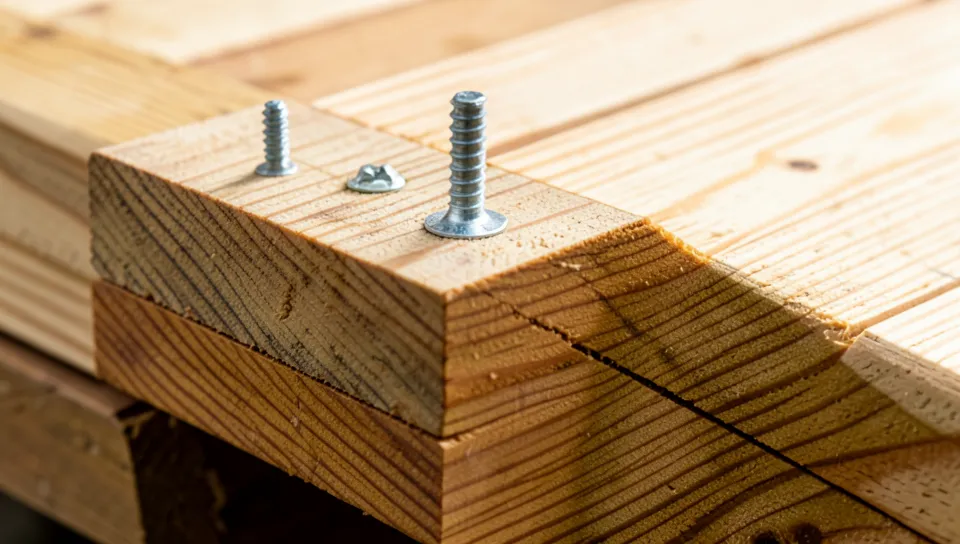
Pressure treated pine starts as ordinary Southern yellow pine, then goes through a vacuum-pressure process that forces a preservative, almost always alkaline copper quaternary (ACQ) in modern lumber, deep into the wood’s cell structure. That copper-based chemical is toxic to the fungi and insects that cause rot, which is why treated lumber requires hot-dip galvanized or stainless steel fasteners; the copper corrodes standard steel screws and nails over a few years.
Cedar, most commonly Western red cedar for outdoor lumber, contains natural oils and tannins called thujaplicins that are toxic to decay fungi and repellent to insects, without any added chemical treatment. This is also why cedar has that recognizable aromatic smell fresh off the shelf, and why it doesn’t need special corrosion-resistant fasteners the way treated pine does.
Lifespan and Durability Compared
Pressure treated pine typically lasts 15 to 25 years above ground with reasonable maintenance, and less in direct ground contact even when it’s rated for it, since the treatment depth is finite and exposed cut ends (where you sawed through the treated layer) are more vulnerable. Cedar commonly lasts 20 to 30 years above ground and holds up notably better against moisture-driven warping and cupping than pine, though it’s softer and more prone to surface dents and scratches from foot traffic or dragged furniture.
Structural Strength
For framing members that carry real structural load, like deck joists and beams, pressure treated Southern yellow pine is denser and stronger than cedar, which is part of why treated pine dominates deck substructure even on decks that use cedar for the visible decking boards and railings.
Cost Difference
Pressure treated pine typically costs 30 to 50 percent less than cedar for comparable dimensional lumber, which is the main reason it dominates budget deck and fence builds. Cedar’s premium comes from both the wood species being less abundant than fast-growing Southern yellow pine and from not requiring an added chemical treatment process, which sounds like it should be cheaper but doesn’t offset cedar’s naturally higher raw material cost.
Appearance and Finishing
Cedar has a straighter, more even grain and a warmer reddish-brown tone that many people prefer left natural or with just a UV-protective clear sealer rather than painted or heavily stained. Pressure treated pine typically has a greenish or yellowish cast right after treatment that fades over months of sun exposure, and it takes stain less evenly due to the treatment chemicals in the wood, which is why many builders wait 6 to 12 months after installation before staining new treated lumber.
Safety Considerations
Never burn pressure treated wood in a fireplace, campfire, or fire pit; burning concentrates the copper-based preservative into the ash and smoke, which is genuinely toxic to inhale or handle. Cedar, being untreated, is safe to burn (and is a popular choice for cedar-plank grilling specifically because of its aroma). When cutting or sanding treated pine, wear a dust mask and work outdoors or with dust collection, since the preservative chemicals are present throughout the treated wood, not just on the surface.
Which One Should You Actually Buy?
For a deck’s hidden structural framing, pressure treated pine is the practical, budget-conscious choice almost everyone uses regardless of what the visible decking is made from. For visible decking, railings, fencing, or any surface people will touch, sit on, or see up close, cedar’s natural appearance, softer feel, and lack of chemical treatment make it worth the extra cost if your budget allows it. If budget is the deciding factor, treated pine with a quality sealer reapplied every year or two closes most of the durability gap for a fraction of cedar’s price.
Frequently Asked Questions
Is cedar better than pressure treated pine?
Cedar generally lasts longer above ground, resists warping better, and looks better untreated, but pressure treated pine is stronger for structural framing and costs 30 to 50 percent less.
Can you burn pressure treated wood?
No. Burning it releases the copper-based preservative into the smoke and ash, which is toxic to inhale or handle. Cedar, being untreated, is safe to burn.
Do pressure treated pine and cedar need different screws?
Yes. Treated pine’s copper-based preservative corrodes standard steel fasteners, so it needs hot-dip galvanized or stainless steel screws and nails. Cedar can use standard exterior-rated fasteners.
How long does pressure treated pine last outdoors?
Typically 15 to 25 years above ground with reasonable maintenance, less in direct ground contact, since the treatment only penetrates a finite depth into the wood.
Bottom Line
Pressure treated pine and cedar solve the same rot problem two different ways, chemical treatment versus natural oils, and that difference explains almost every tradeoff between them. Use treated pine for hidden structural framing and budget builds, and reach for cedar when appearance, feel, and long-term above-ground durability matter more than upfront cost.
Sponsored / affiliate links. As an Amazon Associate I earn from qualifying purchases. I may earn additional commission from eligible campaigns.