Is Pine Safe for Rabbits? Kiln-Dried vs Raw, Explained
Raw, untreated pine shavings are not safe for rabbits – the phenols they release can alter liver enzymes over time. Kiln-drying reduces that phenol content substantially, but the House Rabbit Society still recommends avoiding pine and cedar litter entirely rather than relying on processing alone. This guide covers why pine bedding is risky, what kiln-drying does and does not fix, and which paper-based and aspen alternatives are genuinely safe.
Introduction To Pine And Rabbits
Best Rabbit-Safe Bedding Pick
Carefresh Natural Paper Small Pet Bedding, 60L – $18.99
This is the paper-based bedding rabbit welfare organizations specifically recommend in place of pine or cedar shavings – no phenols, no aromatic oils, and it is biodegradable and compostable.
- Best for: hutch and litter box bedding for rabbits, guinea pigs, and other small pets
- Why we picked it: paper bedding carries none of the phenol risk that raw or even kiln-dried pine can
- Main drawback: costs more per bag than pine shavings and needs more frequent full changes to control odor
As an Amazon Associate we earn from qualifying purchases.
Pine is a common choice for pet habitats. Its fresh scent and natural look attract many pet owners. This wood is often used for bedding and litter. It can provide comfort and warmth for rabbits. Many people like its low cost and availability.
While pine is popular, it has some risks. Cedar oils in pine can irritate rabbits. This may lead to respiratory issues or skin problems. Choosing untreated pine is safer than treated options. Always ensure proper ventilation in the habitat. This helps reduce any harmful effects of the wood.
Rabbits need a safe and clean environment. Regular cleaning helps keep them healthy. Providing a mix of bedding materials is a great idea. This ensures comfort and protects their health.
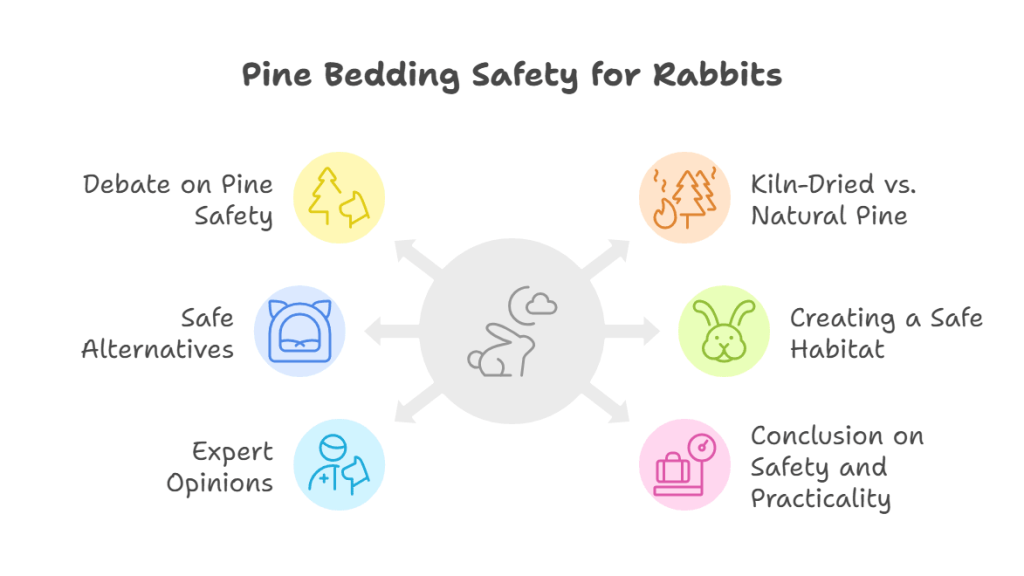
The Debate Around Pine Bedding
The debate around pine bedding for rabbits continues among pet owners. Some experts warn about potential risks. Pine contains phenols, which can harm a rabbit’s respiratory system. These chemicals may cause skin irritation too. Using pine bedding might lead to serious health issues over time.
Despite the risks, many rabbit owners appreciate pine for its affordability and availability. It absorbs moisture well and helps control odors. Pine is also easy to find in most pet stores. Owners often enjoy its pleasant scent. Some choose to mix pine with other safe bedding options.
Understanding Aromatic Oils In Pine
Aromatic oils in pine can be harmful to rabbits. These oils contain terpenes and other chemicals. Some of these compounds may cause health issues.
Chemical composition varies among different pine species. Certain types may be more toxic than others. Pine needles can also pose risks to rabbits.
Exposure to pine oils can lead to respiratory problems. Symptoms may include coughing or difficulty breathing. Skin irritation can also occur with direct contact.
Always monitor your rabbit’s behavior. If any unusual symptoms appear, consult a veterinarian. Keeping rabbits away from pine materials is a wise choice.
📊 Pine and cedar phenol fumes are absorbed through the lungs and filtered by the liver, where they can alter the liver enzymes rabbits need to process medication – a concern that led veterinary schools and rabbit welfare groups to recommend against pine and cedar litter generally, not only unprocessed shavings. Source: House Rabbit Society, The Dangers of Softwood Shavings
“These enzymes are also used to remove drugs”
Kiln-dried Vs. Natural Pine Bedding
Kiln-dried pine bedding is processed using heat. This method reduces moisture and eliminates harmful bacteria. It is safer for rabbits as it minimizes health risks.
Natural pine bedding, on the other hand, is not processed. It can contain oils and chemicals. These substances may cause respiratory issues for rabbits.
Choose kiln-dried bedding for better safety and usability. This option is cleaner and less likely to irritate your pet’s lungs. Always prioritize your rabbit’s health when selecting bedding.
Safe Alternatives To Pine Bedding
Choosing the right bedding is important for your rabbit’s health. Pine bedding can be harmful. Safe alternatives are available that offer comfort and safety.
Popular options include:
- Hemp bedding – Absorbs moisture well and is dust-free.
- Paper bedding – Soft, absorbent, and safe for rabbits.
- Timothy hay – Provides nutrition and bedding in one.
Comparing costs and benefits helps make the best choice.
| Bedding Type | Cost (per bag) | Benefits |
|---|---|---|
| Hemp | $20 | Eco-friendly and absorbent |
| Paper | $15 | Soft and safe |
| Timothy Hay | $10 | Nutritional and comfortable |
Creating A Safe Habitat For Your Rabbit
Creating a safe habitat for your rabbit is very important. Essential features include a spacious cage and clean bedding. Use untreated wood for chewing. Avoid toxic materials like pine. A good diet includes hay, fresh vegetables, and pellets.
Monitoring your rabbit’s health is key. Look for signs of illness such as lethargy or loss of appetite. Regular veterinary check-ups help keep your rabbit healthy. Provide fresh water daily. Keep the environment stress-free for your furry friend.
| Essential Features | Health Monitoring |
|---|---|
| Spacious cage | Watch for illness signs |
| Clean bedding | Regular vet check-ups |
| Untreated wood for chewing | Provide fresh water |
| Safe diet | Keep environment stress-free |
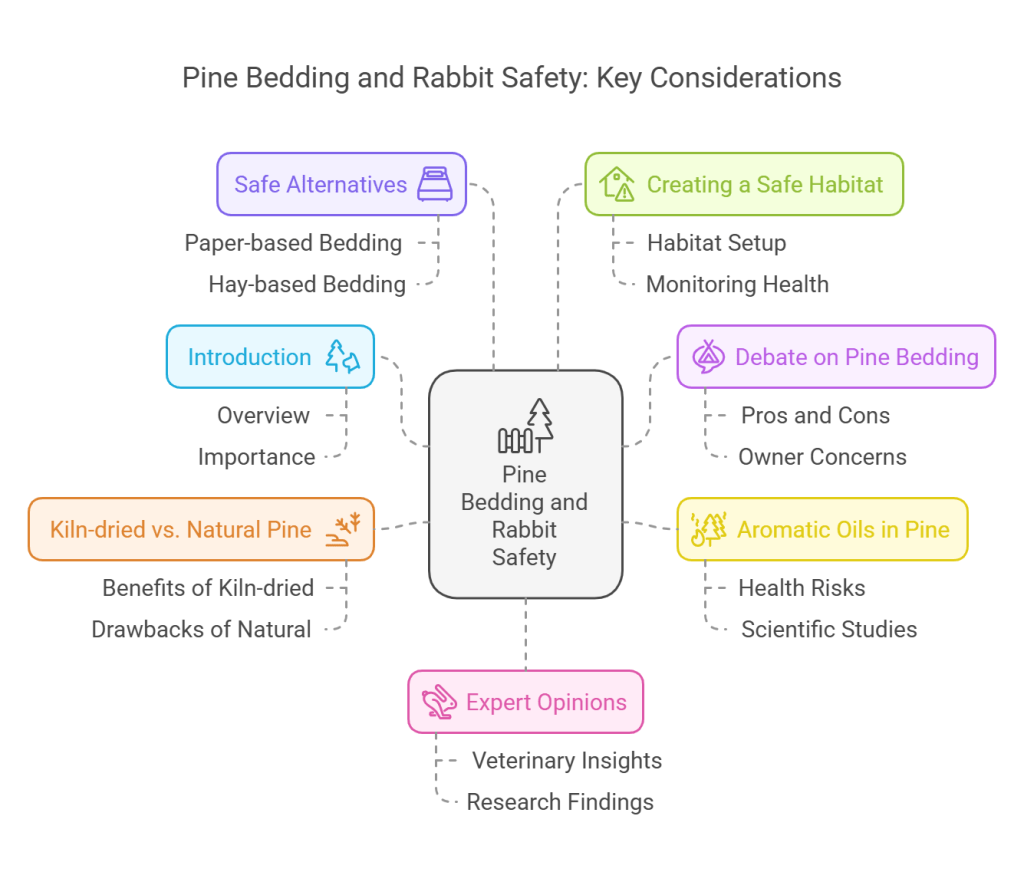
Expert Opinions On Pine And Rabbit Health
Veterinarians often express concerns about pine for rabbits. The aromatic oils in pine can be harmful. These oils may irritate a rabbit’s respiratory system. Long-term exposure can lead to serious health problems.
Studies show that pine shavings can cause skin irritation. Many vets recommend using safer bedding options. Alternatives like aspen shavings or paper-based products are better choices.
It’s crucial to monitor a rabbit’s health closely. Signs of distress include coughing, sneezing, or skin rashes. If any of these symptoms appear, consult a veterinarian.
| Type of Bedding | Safety for Rabbits |
|---|---|
| Pine Shavings | Not Safe |
| Aspen Shavings | Safe |
| Paper-based Products | Safe |
Conclusion: Balancing Safety And Practicality
Kiln-drying substantially reduces the phenols in pine, which is why some kiln-dried pine and pine pellet products are marketed as pet-safe. Even so, aromatic oils can remain, and the leading rabbit welfare authorities recommend paper-based or aspen bedding over pine or cedar rather than relying on processing alone.
Regularly observe your pet for any signs of discomfort. If a rabbit shows any adverse reactions, remove the pine immediately. Consult a veterinarian for guidance on safe wood choices. Keeping rabbits safe means making informed decisions. Stay updated on the best practices for rabbit care.
Adapt to your rabbit’s needs as they grow. What works today may not work tomorrow. Continual learning about rabbit care ensures a happy and healthy pet.
Frequently Asked Questions
Is Pine Wood Safe For Rabbits?
Pine wood is generally considered unsafe for rabbits. The oils and resins in pine can cause respiratory issues. Additionally, the aromatic compounds may irritate their sensitive systems. It’s best to avoid pine bedding or toys and opt for safer materials like aspen or paper-based products instead.
Can Rabbits Chew On Pine?
Rabbits should not chew on pine. The resins can be harmful if ingested. Chewing on pine might lead to gastrointestinal problems. Instead, provide safe alternatives like untreated apple or willow branches. Always prioritize your rabbit’s health by choosing appropriate chew materials.
What Bedding Is Safe For Rabbits?
Safe bedding options for rabbits include aspen shavings, paper-based products, and hay. Avoid cedar and pine due to harmful oils. These alternatives are absorbent and comfortable for rabbits. Always ensure the bedding is dust-free to protect their respiratory health.
Are Pine Pellets Safe For Rabbit Litter?
Pine pellets can be risky for rabbit litter. They contain oils that might irritate your rabbit’s lungs. Choose paper-based or aspen pellets for safer options. Ensure your rabbit’s environment remains clean and odor-free with appropriate litter materials.
Does Kiln-Drying Make Pine Safe For Rabbits?
Kiln-drying substantially reduces the phenols in pine wood, which is why some kiln-dried pine products are sold as pet-safe. However, the House Rabbit Society and several veterinary schools still recommend paper-based or aspen bedding over any pine or cedar product, kiln-dried or not.
How Do I Know If My Rabbit Reacted To Pine Bedding?
Watch for coughing, sneezing, watery eyes, or skin redness on the feet and belly within the first few days of a bedding change. If any of these appear, remove the pine bedding immediately and switch to paper-based bedding, then contact a veterinarian if symptoms do not clear up.
Conclusion
Pine can pose risks for rabbits due to its high resin content and potential toxicity. Always prioritize safe bedding and chew toys made from rabbit-friendly materials. Consult your veterinarian for personalized advice. Ensuring your rabbit’s health is essential, so stay informed about safe options for their environment and diet.
Sponsored / affiliate links. As an Amazon Associate I earn from qualifying purchases. I may earn additional commission from eligible campaigns.