How to Clean Stained Aluminum: Easy Tips for a Sparkling Finish
Your aluminum surfaces should look bright and clean, but stains can make them dull and unattractive. If you’ve been wondering how to clean stained aluminum without harsh chemicals or expensive products, you’re in the right place.
You’ll discover simple, effective methods that bring your aluminum back to life quickly and safely. Keep reading, and you’ll learn easy tips that save you time and effort while making your aluminum shine like new.
Causes Of Aluminum Stains
Aluminum stains appear from several causes. Dirt, chemicals, and natural elements can leave marks. Understanding these causes helps in cleaning and protecting aluminum surfaces. Stains can lower the metal’s shine and look. Knowing what causes stains helps to choose the right cleaning method.
Common Staining Agents
Food spills like ketchup or juice can stain aluminum. Oils and grease from cooking or machinery leave marks. Paint and ink sometimes drip and dry on aluminum surfaces. Hard water leaves mineral spots that look like stains. Chemicals like bleach or acids cause dark spots or discoloration. Dust and dirt settle and stick to aluminum, causing dull patches.
Effects Of Weather And Environment
Rainwater can carry dirt and minerals that stain aluminum. Sunlight causes aluminum to fade or change color over time. Salt in the air near oceans can cause corrosion and stains. Wind can blow dust and sand that scratch and stain the surface. Cold weather can cause moisture to freeze and leave marks. Heat may cause aluminum to expand, worsening existing stains.
Tools And Materials Needed
Cleaning stained aluminum requires the right tools and materials. Having the proper supplies makes the task easier and more effective. This section covers common household items and specialized cleaners you might need.
Household Cleaning Supplies
Many stains on aluminum can be removed using items found at home. Mild dish soap helps remove dirt and grease. White vinegar works well for light stains and oxidation. Baking soda acts as a gentle abrasive to scrub off grime. A soft cloth or sponge prevents scratching the metal. Warm water aids in rinsing and cleaning. Gloves protect your hands from irritation. These simple supplies often solve common aluminum stains.
Specialized Aluminum Cleaners
For tougher stains, specialized aluminum cleaners offer stronger solutions. These products are designed to clean and protect aluminum surfaces. They remove oxidation, rust, and stubborn marks. Always choose a cleaner safe for aluminum to avoid damage. Use a soft brush or cloth to apply the cleaner. Follow the instructions on the product label carefully. These cleaners deliver deeper cleaning results when household supplies are not enough.
Preparation Steps
Preparing to clean stained aluminum is a crucial step. It ensures safety and better results. Proper preparation saves time and prevents damage. Follow these steps before starting the cleaning process.
Safety Precautions
Wear gloves to protect your hands from harsh cleaners. Use goggles to shield your eyes from splashes. Work in a well-ventilated area to avoid inhaling fumes. Keep children and pets away from the cleaning area. Read product labels carefully and follow all instructions.
Surface Inspection And Cleaning
Check the aluminum surface for deep stains or corrosion. Note any scratches or dents that need gentle care. Remove loose dirt using a soft brush or cloth. Clean the surface with mild soap and water to remove grime. Dry the aluminum completely before applying any stain removers.
DIY Cleaning Methods
Cleaning stained aluminum at home is simple and cost-effective. You can use common kitchen ingredients to restore its shine. These DIY methods avoid harsh chemicals and protect your aluminum surfaces. Each method targets stains differently, giving you options to try.
Using Vinegar And Water Solution
Mix equal parts of white vinegar and water in a spray bottle. Spray the solution on the stained aluminum surface. Let it sit for 5 to 10 minutes. Wipe gently with a soft cloth or sponge. Rinse with clean water and dry with a towel. This method removes light stains and dullness effectively.
Baking Soda Paste Technique
Combine baking soda with a small amount of water to form a thick paste. Apply the paste to the stained areas using a soft cloth. Rub gently in circular motions to lift the stains. Leave the paste on for 10 minutes to work deeper. Rinse thoroughly with water and wipe dry. This technique handles tougher stains well.
Lemon Juice Application
Cut a lemon in half and squeeze the juice onto the stained aluminum. Rub the lemon directly on the stains using its flesh. Let the juice sit for 5 minutes to break down the marks. Rinse the surface with water and dry it with a cloth. Lemon juice brightens aluminum and removes mild discoloration.
Commercial Cleaners For Aluminum
Commercial cleaners offer a simple way to clean stained aluminum. These products are made to remove dirt, oxidation, and stains fast. They save time and effort compared to homemade solutions.
Choosing the right cleaner is key. The wrong product can damage the aluminum surface. Knowing how to apply cleaners correctly also helps get the best results.
Choosing The Right Product
Pick a cleaner designed specifically for aluminum. Avoid harsh acids or strong alkalis. These can cause corrosion or discoloration.
Look for labels that say “safe for aluminum.” Mild abrasives or non-abrasive formulas work well. Also, consider whether the product is for outdoor or indoor aluminum.
Application Tips
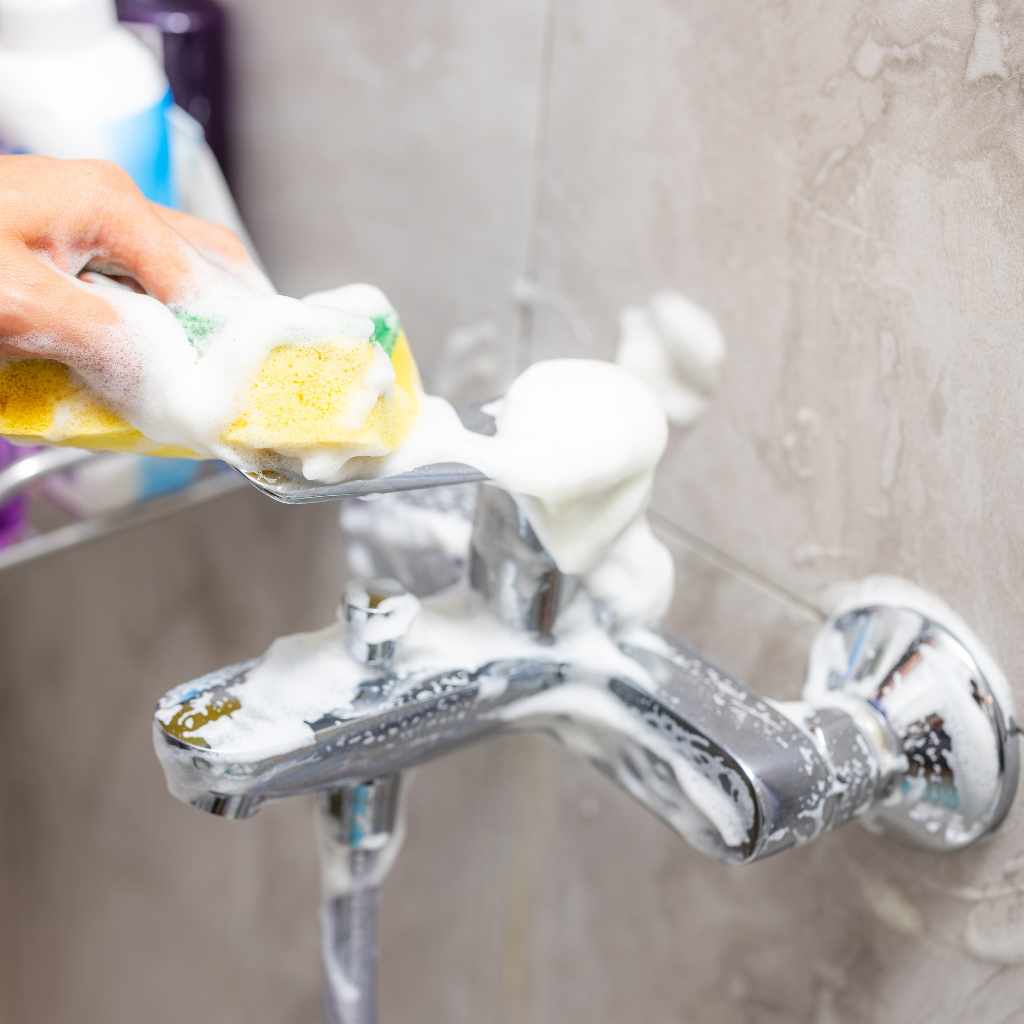
Wear gloves to protect your skin. Apply the cleaner with a soft cloth or sponge. Scrub gently to avoid scratching the surface.
Work in small sections for thorough cleaning. Rinse the aluminum well with water to remove residue. Dry with a clean towel to prevent water spots.
Removing Tough Stains
Removing tough stains from aluminum can be challenging. These stains often appear due to exposure to the environment or long use. Stains like oxidation and rust spots need special care. Using the right methods helps restore aluminum’s shine and prevents damage. Below are easy steps to handle these stubborn marks.
Dealing With Oxidation
Oxidation makes aluminum look dull and gray. It happens when aluminum reacts with air and moisture. To clean it, start by rinsing the surface with water. Use a soft cloth and mild soap to wipe the area gently. For heavier oxidation, apply a paste made of baking soda and water. Rub the paste on the stain using a soft brush. Rinse well and dry with a clean cloth. Repeat if needed. Avoid harsh scrubbing to protect the metal.
Handling Rust Spots
Rust spots on aluminum are rare but possible near iron or steel parts. Use white vinegar to treat rust. Soak a cloth in vinegar and place it on the rust spot. Let it sit for 10 to 15 minutes. Then, scrub lightly with a soft brush. Rinse the area with water and dry it completely. For stubborn rust, use a commercial rust remover made for aluminum. Always test any cleaner on a small area first to avoid damage.
Polishing For A Sparkling Finish
Polishing is the final step to make aluminum shine like new. It removes small scratches and brings out a bright, smooth surface. Polishing also protects aluminum from future stains and damage. This step gives your aluminum a fresh and clean look that lasts. Follow simple methods to get the best results and enjoy a sparkling finish.
Best Polishing Agents
Choose a polish made for aluminum or metals. Cream polishes work well to clean and shine. You can also use a paste polish for deeper cleaning. Avoid harsh chemicals that can damage the metal. Some natural options include a mix of vinegar and water. Test any polish on a small area first. This helps avoid unwanted marks or damage.
Proper Polishing Techniques
Use a soft cloth or a polishing pad for best results. Apply polish in small amounts on the cloth. Rub the aluminum gently in circular motions. Keep the pressure even and steady. Work on one small section at a time. After polishing, wipe off any leftover residue. Buff the surface with a clean, dry cloth to add shine.
Maintenance Tips
Keeping aluminum clean and stain-free takes regular care. Good maintenance stops stains from getting worse. It also helps your aluminum look new longer. Follow simple tips to protect your aluminum surfaces.
Regular Cleaning Schedule
Set a cleaning routine for your aluminum. Clean it every few weeks to stop dirt buildup. Use mild soap and water for best results. Avoid harsh chemicals that can damage the metal. Rinse well and dry with a soft cloth. This keeps stains from settling deeply.
Protective Coatings And Sealants
Apply a clear protective coating on aluminum surfaces. It forms a barrier against stains and moisture. Sealants reduce the chance of corrosion and discoloration. Reapply coatings as the product instructions say. This simple step extends the life of your aluminum. It also makes future cleaning easier and quicker.
Frequently Asked Questions
How Can I Remove Stains From Aluminum Surfaces?
To remove stains, use a mixture of vinegar and water. Apply with a soft cloth, scrub gently, and rinse thoroughly. Avoid harsh abrasives to prevent scratching the aluminum surface.
What Household Items Clean Stained Aluminum Effectively?
Common items like white vinegar, baking soda, and lemon juice work well. They break down stains and restore shine without damaging the aluminum.
Is It Safe To Use Bleach On Stained Aluminum?
No, bleach can corrode and discolor aluminum. Use mild cleaners like vinegar or baking soda instead to safely clean stains.
How Often Should I Clean Stained Aluminum?
Clean aluminum every few months or when stains appear. Regular maintenance prevents buildup and keeps aluminum looking bright and new.
Conclusion
Cleaning stained aluminum is simple with the right steps. Use mild cleaners and gentle scrubbing to avoid damage. Regular care keeps aluminum looking bright and fresh. Small stains don’t need harsh chemicals or tools. Stay patient and clean carefully for best results.
Your aluminum will shine without extra effort. A little attention goes a long way. Try these tips to keep your aluminum stain-free. Easy and safe methods work well every time.