Orbital Sander With a Polishing Pad: Yes, With One Catch
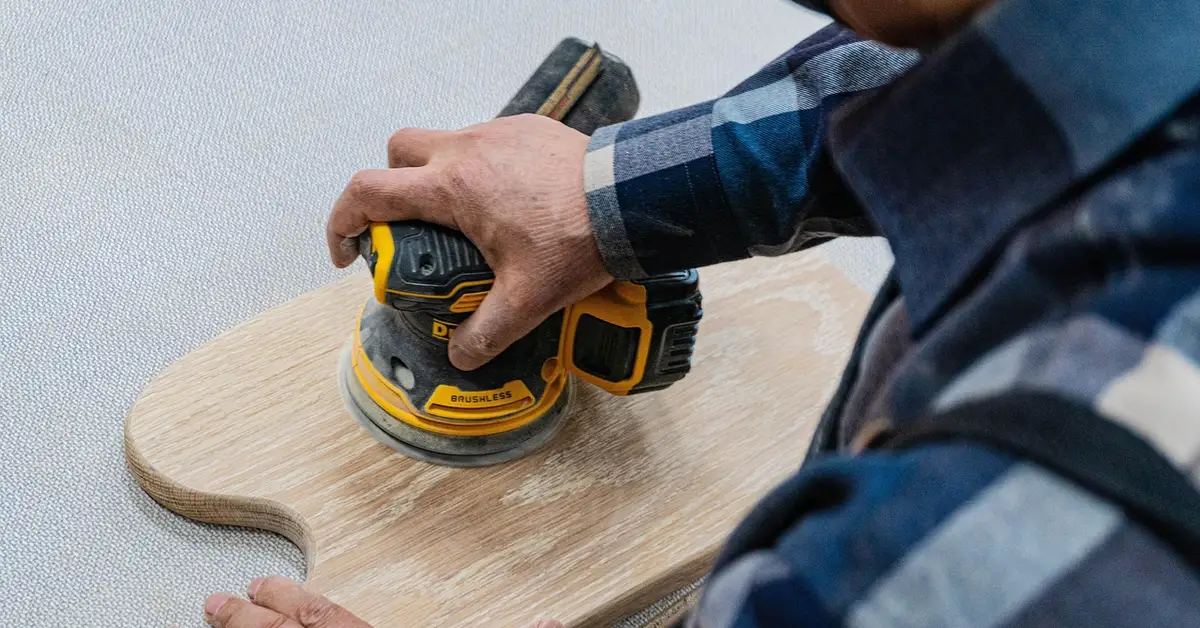
Yes — a random orbital sander becomes a polisher the moment you swap sandpaper for a soft foam or wool pad sized to its 5- or 6-inch hook-and-loop backer. Use the wrong pad, or run the sander at full sanding speed, and you will swirl-mark a clear coat or wood finish instead of shining it. This guide covers pad types, sander compatibility, speed settings, and the mistakes that ruin a finish.

Credit: axatool.com
Orbital Sander Basics
Best Orbital Sander Polishing Pad Pick
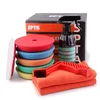
SPTA 10-Piece Detailing Pad Kit – $24.10
Covers the full pad range this guide talks about — a heavy-cut foam pad for deeper marks down to an ultra-fine microfiber finishing pad — plus a conditioning brush and cleaner so pads do not clog between passes.
- Best for: One kit that handles both cutting and finishing passes
- Why we picked it: Matches the foam/wool/microfiber pad breakdown this guide walks through, in five cut grades instead of one
- Main drawback: Sized for 5-inch backing plates — check your sander’s pad size before buying
Compare more orbital sander polishing pad options
 Option 1 Mkobon Foam Interface Pad (4-Pack) – $7.99
|
 Option 2 SACKORANGE Wood Oil & Wax Pad (10-Pack) – $9.79
|
 Option 3 Buffing Hero Foam Buffer Pad Set (3-Pack) – $17.99
|
As an Amazon Associate we earn from qualifying purchases.
Orbital sanders are handy tools for smoothing surfaces. They move in small circles. These circles are called orbits. The sandpaper is attached to the sander’s base. When the sander is turned on, the base spins. This spinning action removes material from the surface. The orbital motion helps to avoid scratches. It makes the surface smooth.
There are two main types of orbital sanders. Random orbital sanders and sheet sanders. Random orbital sanders have a round pad. They move in random orbits. This helps to reduce marks. Sheet sanders have a square pad. They use regular sandpaper sheets. Each type has its own uses. Choose based on the job you need to do. For a full rundown of which sander suits which task, see our guide to the best sander for wood, or compare a DA sander vs orbital sander if you are choosing between the two for detail work.

Credit: www.drbeasleys.com
Polishing Pads Overview
Polishing pads come in different materials. Common ones are foam, wool, and microfiber. Each material has its own use. Foam pads are soft. They are great for gentle polishing. Wool pads are rougher. They remove deeper scratches. Microfiber pads are flexible. They are used for final touches.
Choosing the right pad is important. Look at the surfaceyou are working on. Foam pads work well on smooth surfaces. Wool pads are best for rough surfaces. Microfiber is good for shiny surfaces. Also, check the sizeof the pad. It should fit the sander. A good fit gives better results. If you want a traditional finishing option instead of a machine pad, rottenstone can also polish wood by hand.
Compatibility Considerations
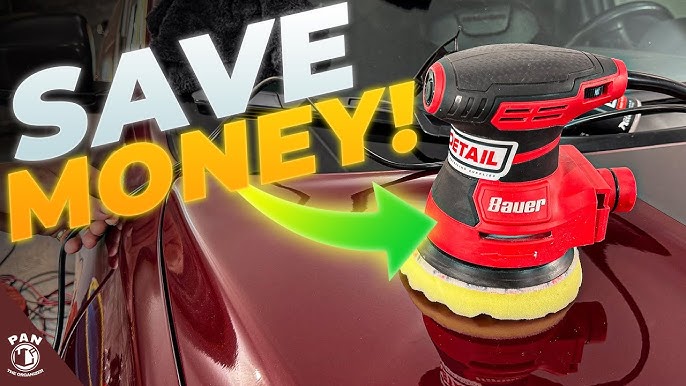
Some orbital sanders can use polishing pads. Check the sander’s manual for compatibility. Pads come in different sizes. Make sure they fit your sander. The pad type matters too. Foam pads are often used for polishing. Velcro backing helps pads stick securely.
Safety is important when using orbital sanders. Wear safety glasses to protect your eyes. Use earplugs to shield your ears from noise. Keep fingers away from the pad. Check the power cord for damages. Work in a well-lit area. Avoid using near water. Unplug when changing pads. Read the sander’s manual carefully.
Credit: www.youtube.com
Benefits Of Using Orbital Sanders For Polishing
Orbital sanders work fast and save time. They spin in circles to smooth surfaces. This makes polishing quicker than doing it by hand. The machine does not tire. It keeps going at the same speed. This is great for big tasks. You can finish faster. It also uses less energy from you. You can do more work with less effort.
The orbital sander makes surfaces very smooth. It helps remove rough spots. The polishing pad adds shine to the surface. This is good for car bodies and wooden tables. An even finish makes things look nice. It feels good to touch. The tool is easy to control. You can make sure you don’t miss any spots. This helps get the perfect finish.
Expert Tips For Optimal Results
Use an orbital sanderwith a polishing padfor smooth surfaces. Keep the sander moving to avoid marks. Apply light pressure on the surface. Too much pressure can harm the finish. A gentle touch works best.
Use the right polishing pad for your task. Pads come in different types. Some are for cutting, others for finishing. Choose the correct pad for the result you want.
Clean the polishing pad after use. Remove any dirt or debris. This keeps the pad in good condition. Regular cleaning makes your pad last longer.
Store your sander and pads in a dry place. Moisture can damage them. Always check for wear and tear. Replace pads that are worn out. A well-maintained sander works better.
Common Mistakes To Avoid
Choosing the wrong pad can cause problems. Always check the pad type. Make sure it fits the task. A polishing pad is different from a sanding pad. Mixing them up can damage the surface. It can also waste time and effort. Always read the instructions. Know which pad to use for each job. This helps in getting better results.
Overloading the sander is a common mistake. It can make the tool hard to control. This might lead to poor results or damage. Never apply too much pressure. Let the sander do the work. Too many layers can also overload it. Keep the work simple for better outcomes. Always use the right amount of pressure and layers.
Frequently Asked Questions
Can An Orbital Sander Be Used As An Orbital Polisher?
Yes, an orbital sander can be used as an orbital polisher with proper attachments. Choose a soft polishing pad suitable for the tool. Ensure the sander’s speed setting is appropriate for polishing. Adjust technique to avoid surface damage while achieving a smooth finish.
Can You Use An Orbital Sander To Polish Wood?
Yes, an orbital sander can polish wood effectively. Use fine-grit sandpaper and apply light pressure. Ensure consistent movement to avoid swirl marks. For a smooth finish, follow up with a polishing compound. Always clean the surface before starting to achieve the best results.
What Can You Not Do With An Orbital Sander?
An orbital sander can’t remove heavy material or deep scratches effectively. It struggles with sanding corners or intricate details. It isn’t suitable for polishing or sanding metal surfaces. Using it on wet surfaces can cause damage. It won’t provide a perfectly smooth finish on uneven surfaces.
What Are The 5 Most Common Mistakes People Make With A Random Orbital Sander?
1. Users often apply too much pressure, causing uneven sanding results. 2. Skipping the use of proper grit progression leads to poor surface finish. 3. Avoiding regular cleaning of sanding pads reduces efficiency. 4. Ignoring safety gear risks health and safety.
5. Incorrectly holding the sander causes surface damage.
Conclusion
Polishing pads on orbital sanders work well for smooth finishes. Easy to attach, they transform sanding into polishing. Ideal for wood and metal surfaces. Ensure proper pad attachment for best results. Avoid excessive pressure to prevent damage. Choose the right pad for your project needs.
Experiment with speed settings for optimal shine. Orbital sanders provide versatile polishing solutions. Transform your projects with a polished touch. Enjoy the satisfaction of a gleaming surface. Perfect for DIY enthusiasts and professionals alike. Keep experimenting and discover what works best for you.
Happy polishing!
Sponsored / affiliate links. As an Amazon Associate I earn from qualifying purchases. I may earn additional commission from eligible campaigns.
 5 Inch Random Orbital Sander Replacement Pad, Replacement Compatible with DeWalt DWE6423/6423K, DWE6421/6421K, DCW210B with 8 Hole Hook Loop Foam & Sanding Backing Pads Sanding Discs
 2 Pack Orbital Sander Replacement Pad – 5 Inch 8 Hole Hook and Loop for Dust Collection, for DeWalt DW421/K Type 1 ROS by GRABOTE