How to Remove Chalk Paint From Wood: 4 Methods That Work
Chalk paint comes off wood with just soap and water when it’s unsealed — but once wax or polyurethane sits on top, water won’t work and you need a citrus stripper or 150-220 grit sandpaper instead. Using the wrong method wastes hours and can gouge wood or gum up sandpaper on wax that hasn’t cured. This guide covers a 30-second test to identify which situation you’re in, plus the water, vinegar, stripper, and sanding methods for each.
Quick Steps Overview
Best Chalk Paint Stripper Pick
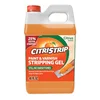
Citristrip Stripping Gel, Citrus Paint Remover, 40 oz
A citrus-based gel stripper for chalk paint that’s been waxed, sealed, or built up in multiple layers.
- Best for: Sealed, waxed, or multi-layer chalk paint that water and vinegar won’t budge
- Why we picked it: Stays wet and active for up to 24 hours, so it keeps working on vertical drawer fronts instead of drying out before it lifts the paint
- Main drawback: Needs gloves, ventilation, and a full rinse afterward — not as instant as the water method
Compare more chalk paint removal options
 Option 1 Bates Plastic Putty Knife Set, 6 Pack
|
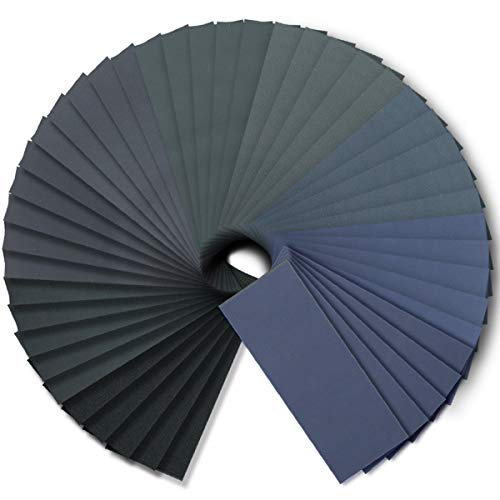
 Option 2 3M Aluminum Oxide Sandpaper, Assorted Grit
|
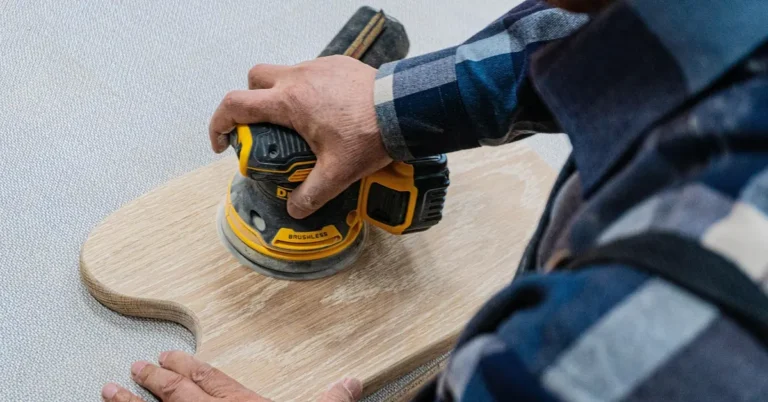
 Option 3 DEWALT 5″ Random Orbit Sander (DWE6423)
|
As an Amazon Associate we earn from qualifying purchases.
- Test the paint: Wipe a hidden spot with a wet finger or damp rag — if color transfers onto the rag, the paint is unsealed.
- Try soap and water first: Scrub unsealed paint with warm water and a few drops of dish soap using a soft scrub pad.
- Add a vinegar solution for stubborn spots: Spray a 1:1 mix of white vinegar and water, let it sit 15 to 20 minutes, then wipe.
- Apply a citrus stripper on sealed or waxed paint: Coat the surface with a citrus-based stripper and let it dwell 1 to 24 hours per the label.
- Scrape and sand what’s left: Lift softened paint with a plastic scraper, then sand from 150 grit up to 220 grit.
- Clean and refinish: Wipe away all residue, let the wood dry fully, and apply your new stain or finish.
Tools and Materials You’ll Need
You won’t need every item below for every piece — which ones you reach for depends on whether the chalk paint on your project is sealed or raw, which the test in the next section will tell you.
- Dish soap and warm water (for unsealed paint)
- White vinegar (for stubborn unsealed spots)
- Citrus-based paint and varnish stripper (for waxed or sealed paint)
- Plastic putty knife or scraper
- Sandpaper in 150 and 220 grit
- Nitrile gloves and safety goggles
- Soft scrub pad or old toothbrush for carved details
- Tack cloth for final dust removal
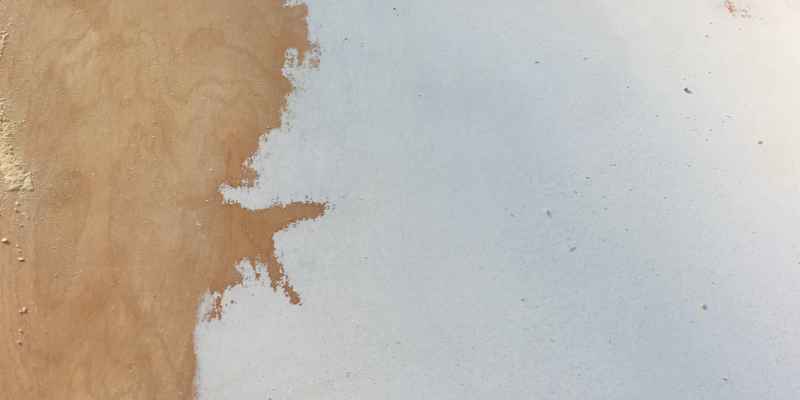
Test Whether Your Chalk Paint Is Sealed or Raw
This 30-second check decides everything else in this guide. Skipping it is the single biggest reason people reach for a chemical stripper they didn’t actually need.
- Pick a hidden spot — the inside of a drawer or the underside of a shelf.
- Wet a cloth or your finger with warm water and rub firmly for a few seconds.
- Check the cloth: if chalk-colored pigment transfers onto it, the paint is unsealed and bare.
- If nothing transfers and the surface feels slightly slick or waxy, the piece has a topcoat — wax, polyurethane, or a sealer — and water alone won’t remove it.
“Chalk paint’s flat, water-based finish makes it the easiest paint there is to strip off wood — the moment pigment comes off on a wet rag, you know you can skip the chemical stripper entirely and save yourself a trip to the store.”
Remove Unsealed Chalk Paint With Soap and Water
Unsealed chalk paint washes off with warm water and a little dish soap because it’s water-based — no stripper needed. This is the fastest method on this list when the test above confirms the paint is raw.
- Fill a bucket with warm water and add a few drops of mild dish soap.
- Dip a soft scrub pad or sponge and work the painted surface in small sections.
- Rinse and repeat, applying a bit more pressure on stubborn patches.
- Wipe the wood dry immediately — don’t let bare wood sit wet, especially veneer or plywood, which can swell or delaminate.
If the paint has been on the piece for several years, expect to work harder than you would on a fresh coat — older chalk paint bonds more tightly to the wood fibers even without a topcoat.
Try a Vinegar Solution for Stubborn Spots
A 1:1 mix of white vinegar and water breaks down chalk paint’s binder faster than plain water on spots that resist scrubbing. It still only works on unsealed paint.
- Mix equal parts white vinegar and water in a spray bottle.
- Spray the stubborn area and let it sit for 15 to 20 minutes.
- Wipe with a damp cloth — the softened paint should lift away in strips or a paste.
- Rinse the area with plain water afterward to clear any lingering vinegar smell.
Strip Sealed or Waxed Chalk Paint With a Citrus Stripper
If your test showed a topcoat, water and vinegar won’t touch it. Many chalk-painted pieces are finished with a wax topcoat for durability — if you know the piece was sealed with wax after painting, go straight to this method instead of testing further.
Protective Measures
- Wear nitrile gloves, safety goggles, and a long-sleeved shirt.
- Work in a ventilated area — open windows or work outdoors even with a low-VOC citrus stripper.
- Cover surrounding surfaces with a drop cloth to catch drips.
Applying the Stripper
- Read the product label — dwell times vary by brand, typically 1 to 24 hours.
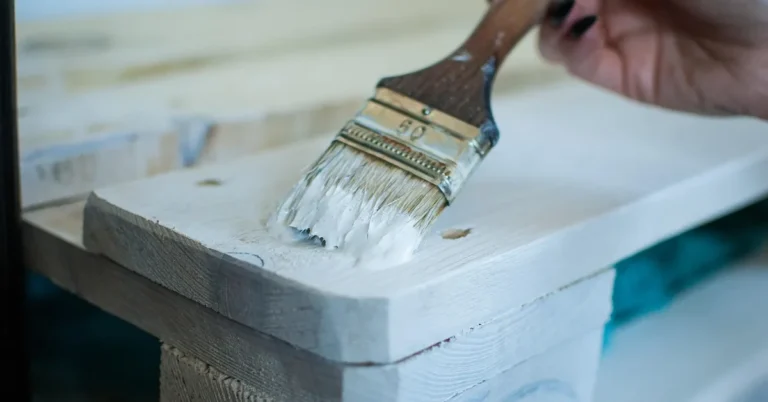
- Brush on a thick, even coat with a natural-bristle or foam brush, covering the full painted area.
- Let it sit for the full recommended time. You’ll see the paint start to bubble and lift as the stripper works.
- For multiple layers or old, hardened wax, apply a second coat rather than scraping too soon.
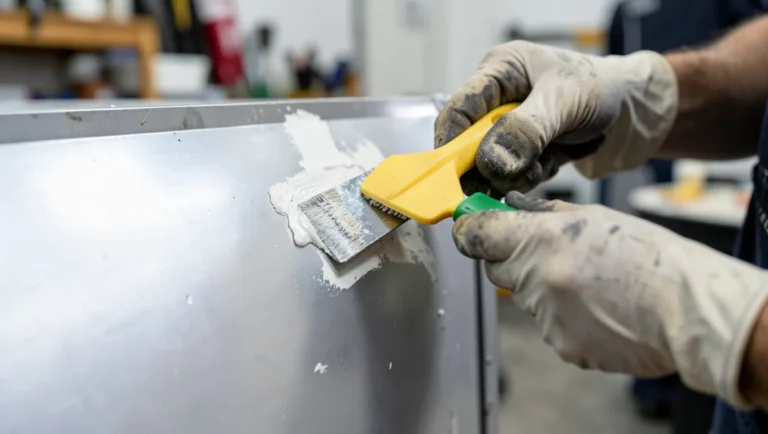
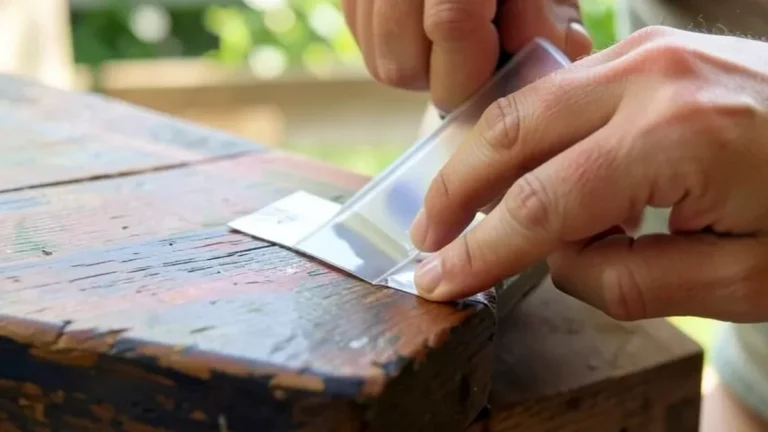
- Once the paint has visibly softened, scrape it off with a plastic putty knife in small sections, working with the wood grain.
- Wipe the surface with a damp cloth to remove stripper residue, then let the wood dry completely before sanding or refinishing.
Sand Off What’s Left
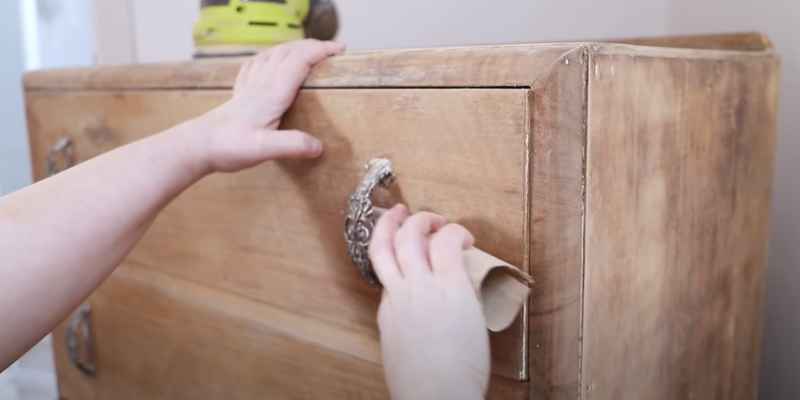
Sanding finishes what scraping can’t reach — corners, carved details, and thin residue left after stripping or washing.
- Start with 150-grit sandpaper on a sanding block or orbital sander to remove the last of the paint and any leftover residue.
- Sand in the direction of the wood grain — sanding across the grain leaves visible scratches under a new stain.
- Switch to 220-grit sandpaper once the paint is gone, to smooth the surface for a new finish.
- Wipe the wood down with a tack cloth to remove all dust before applying stain or finish.
Which Method Should You Use?
Here’s how the four methods actually compare once you know whether the paint is sealed.
| Method | Time Needed | Best For | Wood-Damage Risk |
|---|---|---|---|
| Soap and water | 5–10 minutes | Fresh, unsealed chalk paint | Low |
| Vinegar solution | 20–30 minutes | Stubborn unsealed spots water alone won’t lift | Low |
| Citrus chemical stripper | 1–24 hours dwell, plus scraping | Waxed, sealed, or multi-layer chalk paint | Medium — ventilate and wear gloves |
| Sanding | 30–60+ minutes per piece | Final smoothing after any method above | Medium–high — can gouge soft wood or veneer |
Common Mistakes to Avoid
- Sanding wax before it’s cured. Chalk paint wax typically needs 2 to 4 weeks to fully harden. Sanding sooner gums the sandpaper into a gray paste that’s harder to remove than the paint itself.
- Using a metal scraper on veneer or soft pine. A plastic scraper resists gouging; a metal one can slice through veneer in a single pass.
- Skipping the sealed-vs-unsealed test. Reaching straight for a chemical stripper on paint that would’ve come off with water wastes time, money, and fumes you didn’t need to deal with.
- Sanding across the grain. Always sand with the grain to avoid scratches that show up under a new stain.
- Applying stain over stripper residue. Even a thin leftover film blocks stain absorption and causes blotchy patches — rinse and dry fully first.
- Working without ventilation. Citrus strippers are low-VOC compared to older strippers, but they still release fumes — open windows or work outdoors.
📊 Citrus-based strippers stay wet and active for up to 24 hours, letting one application soften multiple layers of paint instead of drying out before the job is done — Source: Citristrip product specifications.
What to Do After the Chalk Paint Is Off
Once the wood is bare, sanded smooth, and free of dust, it’s ready for whatever comes next. Wood stain shows off the grain if you’re after a natural look, while clear polyurethane adds a protective, glossy layer over bare or stained wood. If you’d rather repaint the piece instead of staining it, bare wood takes a fresh coat of paint more evenly than a piece that still has old finish patches. For stripping other finishes besides chalk paint, see our guide to stripping finish from wood.
Frequently Asked Questions
Does chalk paint wash off wood with just water?
Yes, if the paint is unsealed. Chalk paint is water-based, so warm water and a little dish soap will soften and lift it off bare wood. Once wax, polyurethane, or another topcoat has been applied over it, water alone won’t cut through the seal — you’ll need a citrus stripper or sandpaper instead.
Do you have to remove chalk paint before painting over it?
No. Chalk paint is one of the few finishes that accepts new paint directly, since its flat, absorbent surface gives new coats something to grip. You only need to strip it first if the surface is peeling, waxed, or you want to return to bare wood for staining instead of painting.
How soon can you apply a new finish after stripping chalk paint?
Wait until the wood is completely dry and free of stripper residue, usually a few hours after the final water rinse. If you sanded instead of stripping, wipe away all dust with a tack cloth first. Applying stain or polyurethane over damp wood or leftover stripper film causes blotching and adhesion problems.
Does vinegar remove chalk paint?
Yes, on unsealed chalk paint. A 1:1 mix of white vinegar and water, left to sit for 15 to 20 minutes, breaks down the paint’s binder so it wipes away more easily than water alone. It won’t cut through a waxed or polyurethaned topcoat — use a citrus stripper for that.
Can I switch methods if one isn’t working?
Yes, and it’s common to need more than one. Many pieces have unsealed chalk paint in some spots and a waxed or sealed topcoat in others, especially on hand-painted furniture. Start with soap and water, move to vinegar for stubborn spots, and save the citrus stripper for whatever still resists.
Conclusion
The right method for removing chalk paint from wood comes down to one test: does the paint transfer onto a wet rag? Unsealed paint comes off with soap, water, or a vinegar rinse in minutes. Sealed or waxed paint needs a citrus stripper and some patience, followed by a light sanding to finish the job. Skip straight to the method that matches your piece and you’ll save yourself the time and fumes of a stripper you never needed.
For more paint and finishing projects, browse our paint guides.
Sponsored / affiliate links. As an Amazon Associate I earn from qualifying purchases. I may earn additional commission from eligible campaigns.