How to Dry Out MDF: Expert Tips for Quick Results
Have you ever found yourself dealing with a swollen or damp piece of MDF, wondering how to bring it back to its original state? You’re not alone.
MDF, or Medium Density Fiberboard, is a popular material for furniture and home projects, yet it can be quite sensitive to moisture. This vulnerability might leave you feeling frustrated, especially if you’ve invested time and energy into a project. But fear not, because the solution is simpler than you might think.
In this guide, you’ll discover effective methods to dry out MDF, preserving its integrity and ensuring your hard work doesn’t go to waste. Stay with us, and you’ll learn the secrets to salvaging your MDF, saving both time and money in the process.
Understanding MDF Material
MDF stands for Medium-Density Fiberboard. It’s made from wood fibers. These fibers are mixed with wax and resin. The mix is then pressed into sheets. MDF is smooth and dense. It’s easy to cut and shape. The surface is great for painting. MDF is heavier than plywood. It’s also less expensive. But, it can swell if wet. Care is needed to keep it dry.
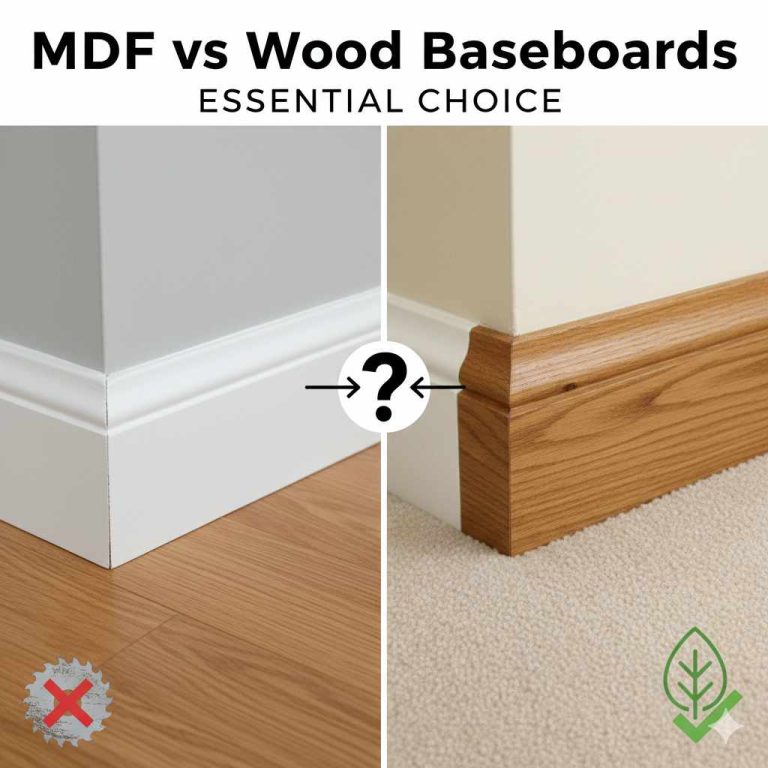
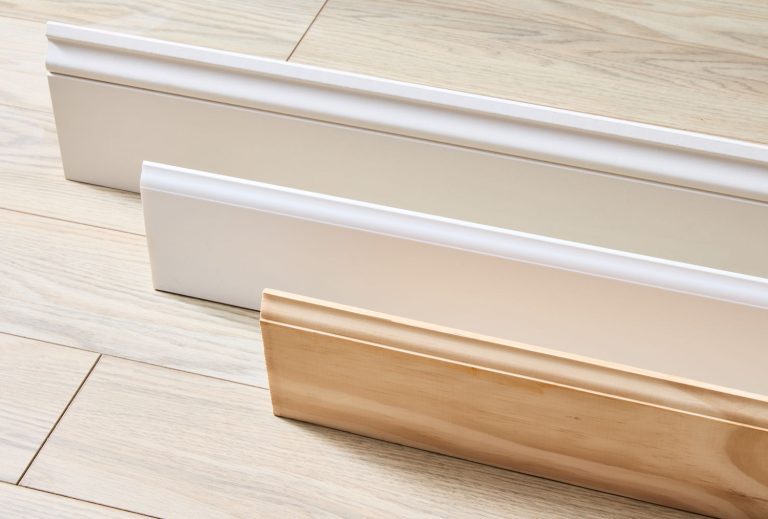
MDF is popular in construction. It’s used for furniture like cabinets and shelves. Also, great for moldings and trims. MDF is easy to work with. It’s used in doors and panels too. Many builders choose MDF for its smooth finish. It’s important to seal it well. This protects it from moisture. MDF adds beauty and function to homes.
Causes Of MDF Moisture
MDF absorbs moisture from the air. Humid weather makes this worse. High humidity causes MDF to swell. It loses its shape and strength. Temperature changes also affect MDF. Cold air makes it shrink. Warm air makes it expand. Both cause damage. Proper ventilation helps control this. Windows and fans are helpful. Keeping rooms dry is important. Dehumidifiers can help too. They remove extra moisture from the air. MDF stays dry and strong.
Water spills are harmful to MDF. Direct water contact weakens it. MDF absorbs water quickly. This leads to swelling. Leaking pipes can cause problems. Rainwater can also be a threat. Protect MDF from water sources. Use waterproof covers if needed. Quick cleanup is crucial. Dry spills immediately. Fans and towels are helpful for drying. Preventing water leaks is vital. Inspect pipes regularly. Fix any leaks right away.
Signs Of Moisture In MDF
Swollen edges and warping often indicate moisture in MDF. Drying requires ventilation and keeping the area warm. Sanding can help remove surface moisture.
Visual Indicators
MDF can show signs of moisture through its surface. Discoloration is a common indicator. Sometimes, the surface appears swollen or bumpy. Warping is another sign. It means the wood may have absorbed water. Look for cracks. These can form when MDF dries unevenly. Soft spots can be felt when you touch. These spots are a sign of damage. Mold or mildew might appear on wet MDF. Look for black or green spots. They can mean serious moisture issues.
Physical Changes
MDF becomes heavier if it absorbs water. Swelling can change its shape. Edges might feel rough or crumbly. Bending can happen if the MDF is wet. It might flex more than it should. Softness in the board is a major sign. Press it with a finger. If it feels spongy, it’s wet. Surface texture may change. It can become uneven or wavy. Structural strength gets weaker over time. Moist MDF may break easily.

Credit: www.amazon.com
Preparation For Drying
Always wear gloves and a mask. This keeps you safe from dust. Make sure the area is well-ventilated. This helps to avoid breathing in harmful fumes. Check the tools for damage before use. Keep a first aid kit nearby in case of accidents. Do not work alone. Having a buddy is always safer.
- Protective Gear: Gloves and mask
- Moisture Meter: Checks the moisture level
- Fans: Speeds up drying
- Dehumidifier: Removes moisture from the air
- Sandpaper: Smooths the MDF surface
Effective Drying Techniques
MDF can dry using air methods. Place it in a well-ventilated area. Ensure constant airflow around the material. This helps remove moisture. Elevate the MDF from the ground. Use supports or stands. This prevents dampness from below. Check it regularly for signs of dryness. Rotate or reposition if needed.
Heat aids MDF drying. Use a hairdryer or heat gun. Keep the tool moving. Avoid focusing on one spot. This prevents warping. Set the heat to medium. Avoid high temperatures. Too much heat damages MDF. Monitor the process carefully. Ensure even drying.
Dehumidifiers reduce air moisture. Place one near the MDF. This speeds up drying. Keep the room sealed. This prevents new moisture from entering. Check the MDF often. Adjust the dehumidifier settings if needed. Watch for signs of dryness.

Credit: www.wwscenics.com
Preventive Measures
MDF can soak up water fast. Sealing is the first step. Use a primer to close the surface. After that, apply a waterproof coat. This stops the wood from getting wet. It keeps the MDF strong and long-lasting. Remember, proper sealing helps a lot. It protects the MDF from damage. Always choose a good quality sealant. It makes a big difference.
Store MDF in a dry place. Keep it away from water and moisture. Use a plastic cover to protect it. This helps in keeping the MDF safe. Arrange the sheets on a flat, raised surface. This stops them from bending or warping. Keep the MDF in a ventilated area. This ensures airflow and reduces moisture buildup. Proper storage is crucial for MDF’s durability.
Maintenance Tips
Checking MDF for signs of water damage is key. Look for swollen areas or discoloration. These can mean water is present. Use a flashlight to see dark spots. These spots may hide moisture. Touch the MDF surface. Feel for softness. Soft areas are not good. They may need fixing.
Keep MDF away from water sources. Use dehumidifiers in damp rooms. They help remove extra moisture. Seal edges of MDF with paint. This stops water from getting in. Use coasters under drinks. This stops spills from soaking MDF. Wipe up any spills quickly. The faster, the better. This keeps MDF dry and safe.
When To Seek Professional Help
Severe water damage can harm MDF boards. These boards may swell or crack. Professional help is often needed in such cases. Experts know how to fix these issues. They use special tools and techniques. This ensures the MDF is safe and sturdy again.
Persistent moisture issues are another reason to call a pro. Moisture can weaken MDF over time. It can lead to mold and rot. Professionals can identify the source of moisture. They will provide lasting solutions to prevent future damage.
Frequently Asked Questions
Is MDF Ruined If It Gets Wet?
MDF can swell and lose its shape when wet. It may weaken and become prone to mold. Protect it with a sealant for longevity. Replace if damage is severe to maintain quality and appearance. Keep MDF dry to ensure durability and performance.
How Do You Remove Moisture From MDF?
Remove moisture from MDF by placing it in a dry, ventilated area. Use a dehumidifier to accelerate drying. Ensure the MDF is raised off the ground to prevent further moisture absorption. Avoid direct sunlight as it may cause warping. Regularly check for signs of mold or damage during drying.
How To Seal MDF Against Moisture?
Seal MDF using a quality wood primer to prevent moisture damage. Apply a waterproof paint or sealant after priming. Sand the surface lightly between coats for smoothness. Ensure all edges and cuts are sealed properly. Let each layer dry thoroughly for maximum protection against moisture.
How To Keep MDF From Swelling?
Seal MDF with waterproof sealant to prevent swelling. Avoid direct water exposure and ensure proper ventilation. Use moisture-resistant paint for added protection. Store in a dry, controlled environment to minimize humidity effects. Regularly check for signs of moisture and address promptly to maintain integrity.
Conclusion
Drying MDF correctly ensures its longevity and quality. Start by removing excess moisture immediately. Use fans or dehumidifiers for faster drying. Keep MDF in a dry, well-ventilated space. Check regularly to prevent warping or mold. Proper handling will save time and money.
Be patient, as rushing can cause damage. Understanding these steps makes MDF projects successful. Always prioritize safety and quality over speed. Practice these tips for optimal results. This way, your MDF stays strong and durable for future use.