Is MDF Bad for Your Health? Formaldehyde Facts and Safe Use
MDF isn’t inherently dangerous to have in a home, but it does off-gas small amounts of formaldehyde from the urea-formaldehyde resin that binds its wood fibers together, and cutting or sanding it creates fine dust that’s genuinely bad to breathe in quantity. Both risks are manageable and well below any household emergency, but they’re real enough that “just don’t worry about it” isn’t quite honest advice either. Here’s what MDF actually emits, what U.S. regulations actually require (despite the common myth that MDF is banned), and how to work with it (or live with furniture made from it) without the health concerns some sources exaggerate and others dismiss entirely.
What MDF Actually Releases, and Why
Best Respirator for Cutting MDF
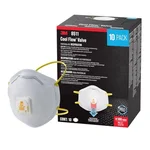 |
3M 8511 N95 Cool Flow Valved Respirator (10-Pack) – $19.25 Fine MDF dust penetrates deeper into the lungs than typical sawdust, so a real N95 rating matters more here than for general wood cutting.
|
MDF is made by breaking wood down into fine fibers, mixing them with a resin (almost always urea-formaldehyde, sometimes a lower-emission alternative), and hot-pressing the mixture into dense, uniform sheets. That resin is where the formaldehyde comes from – it’s a component of the adhesive itself, not a contaminant, and small amounts continue to off-gas from the finished board for a period after manufacturing, especially from cut or unsealed edges. Formaldehyde exposure at the low levels typical of a well-ventilated room with MDF furniture generally causes, at most, mild eye, nose, or throat irritation in sensitive individuals – it is not the same exposure level associated with more serious long-term health studies, which involved much higher concentrations than typical home off-gassing produces.
U.S. Formaldehyde Regulations Already Limit This
MDF sold in the United States is regulated under the EPA’s TSCA Title VI formaldehyde emission standards (closely aligned with California’s earlier CARB Phase 2 rule), which caps how much formaldehyde composite wood products like MDF, particleboard, and hardwood plywood are allowed to emit. Compliant products carry a certification stamp, usually on the board’s edge or accompanying label, reading something like “TSCA Title VI compliant” or “CARB2.” This is also why the common “is MDF banned in America” question has a simple answer: no, it isn’t banned, but it is federally regulated specifically because of this exact formaldehyde concern, which is a meaningfully different (and more reassuring) situation than an unregulated material.
Low-Emission MDF Options
- NAF (No Added Formaldehyde) MDF uses a resin system, often soy- or MDI-based, with no urea-formaldehyde at all – the lowest-emission option, typically at a price premium.
- ULEF (Ultra-Low Emitting Formaldehyde) MDF still uses a formaldehyde-based resin but is manufactured to emit well below the standard regulatory cap.
- Standard CARB2/TSCA Title VI compliant MDF is what most big-box lumber and hardware stores stock by default in the U.S. – already regulated, but not as low-emission as the two options above.
If you’re building something for a nursery, bedroom, or another space where you want the lowest possible off-gassing, ask specifically for NAF or ULEF MDF by name – standard compliant MDF is genuinely fine for most uses, but it isn’t the same product.
Working With MDF Safely
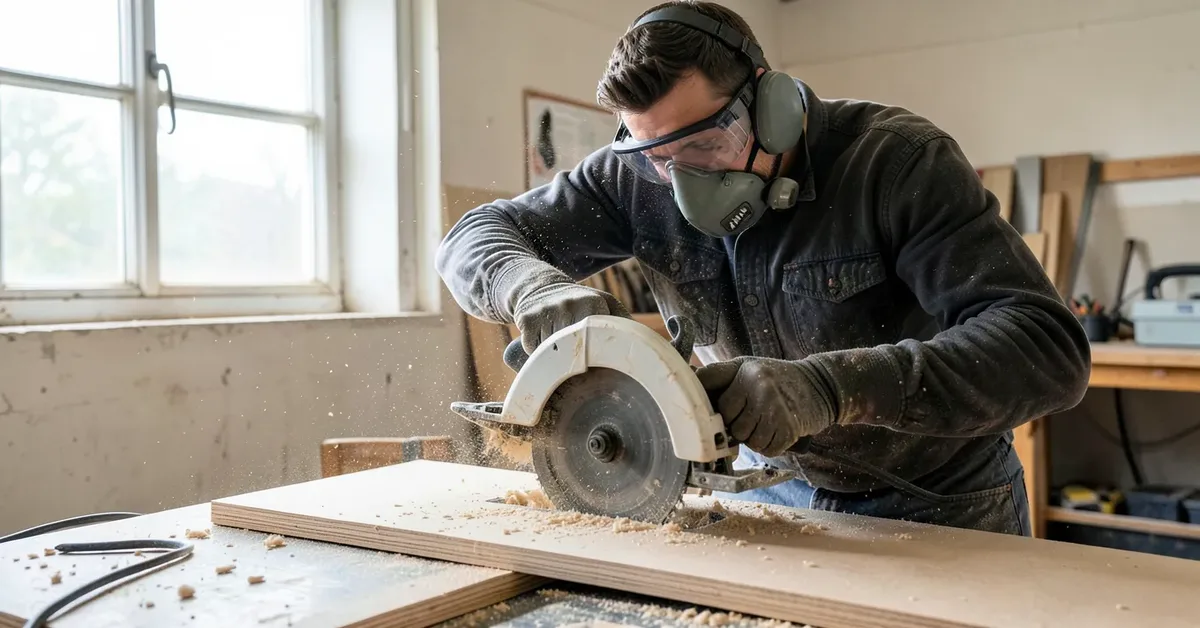
- Wear an N95 or better respirator when cutting, routing, or sanding MDF – the dust is extremely fine (finer than most solid-wood sawdust) and penetrates deeper into the lungs than coarser wood dust.
- Cut outdoors or with strong dust collection whenever practical; a shop vac or dust collector attached directly at the cutting point makes a real difference versus relying on a room fan.
- Seal all cut edges with paint, edge banding, or a sealer once a project is assembled. Raw, unsealed MDF edges off-gas and absorb moisture faster than the factory-sealed faces.
- Ventilate the room for the first few weeks after installing new MDF furniture or cabinetry, when off-gassing is at its highest – it declines significantly over time as the resin continues to cure.
When to Choose an Alternative
Solid wood and plywood both contain far less added resin per unit volume than MDF, so they’re reasonable alternatives for anyone specifically trying to minimize formaldehyde exposure, though plywood still typically uses some resin in its layers. MDF is also not water-resistant – it swells and can fail structurally if it stays wet, so it’s a poor choice for bathrooms, exterior use, or anywhere it might see standing moisture regardless of the health question. For most interior furniture, cabinetry, and trim applications, though, a compliant (or better, NAF/ULEF) MDF product with sealed edges and reasonable ventilation during and after a project poses minimal health risk to a typical household.
Frequently Asked Questions
What are the dangers of MDF?
The main risks are formaldehyde off-gassing from the resin (mild eye/throat irritation possible at high exposure) and fine dust from cutting or sanding, which can irritate the lungs if inhaled without a respirator. Both are manageable with ventilation, sealed edges, and proper PPE while cutting.
Is MDF banned in America?
No. MDF is legal and widely sold in the U.S., but it’s regulated under the EPA’s TSCA Title VI formaldehyde emission standard, which caps how much formaldehyde composite wood products are allowed to release.
Should you avoid MDF entirely?
Not necessarily. Compliant MDF with sealed edges and normal household ventilation is low-risk for most people. Those who are especially sensitive to formaldehyde, or building something for a nursery or bedroom, may prefer NAF or ULEF low-emission MDF, or solid wood.
Is MDF safe to have in a home?
Yes, for the vast majority of households. Off-gassing is highest when the product is new and declines over time, and it’s regulated to stay under a federal emissions cap. Good ventilation, especially in the first few weeks after installation, further reduces any exposure. Off-gassing concerns aside, it’s also worth knowing how long MDF furniture actually lasts before deciding whether it fits a given project.
Environmental Impact of MDF
Manufacturing MDF is energy-intensive: wood fibers are broken down, mixed with resin and wax, then heat-pressed into sheets, and that process consumes significant energy while factories can release airborne pollutants and affect nearby water sources. MDF also doesn’t break down easily at the end of its life – the resins that bind the wood fibers together resist decomposition, so discarded MDF tends to sit in landfills rather than degrade naturally. Burning MDF is not a safe disposal option: the resins release toxic fumes when combusted, so it should never be used as firewood or burned in an open fire or stove. Recycling MDF is possible in some areas – reclaimed board can be reprocessed into new panels or repurposed as fuel or compost feedstock – but recycling infrastructure for MDF is far more limited than for solid wood, so check with your local waste facility before assuming it will be accepted curbside.
Bottom Line
MDF is a regulated, generally low-risk material for typical household use, not the unregulated health hazard some sources imply, but it’s also not risk-free the way “MDF is totally safe” claims suggest. Choose CARB2/TSCA-compliant board at minimum (NAF or ULEF for extra caution), wear a respirator when cutting it, seal the edges, and ventilate the room for the first few weeks after a new install. For a different kind of material-safety question, see our is poplar food safe guide on solid-wood food contact instead of composite panels.
Sponsored / affiliate links. As an Amazon Associate I earn from qualifying purchases. I may earn additional commission from eligible campaigns.
 Virginia Boys Kitchens Coconut Cutting Board Oil - NO Mineral Oil - Food Safe Wood Seasoning for Kitchen Countertops, Cutting Boards, and Butcher Blocks - Made in USA
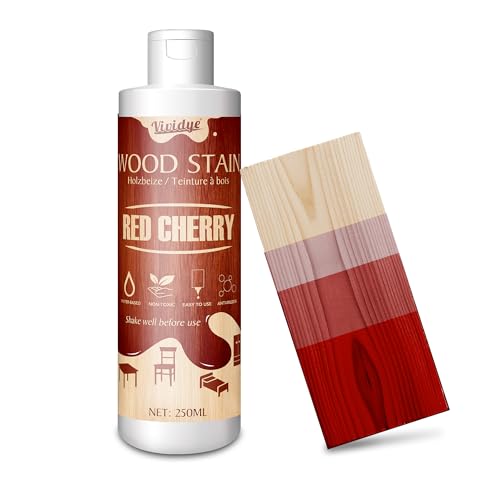 Wood Stain, 8.5oz/250ml Water Based Wood Stain for Indoor and Outdoor Furniture, Cabinet, Door, Trim and More - Fast Drying, Low Odor&Non-Toxic, Easy to Apply, Multiple Finishes (Red Cherry)