Can You Use MDF for Trim?: Expert Insights & Tips
Yes, MDF (medium-density fiberboard) is a solid choice for interior trim – it’s cheaper than solid wood, cuts and paints to a glass-smooth finish with no grain or knots to fill, and stays flat without warping. Its real limitation is moisture: MDF swells and loses its shape when wet, so it’s a poor fit for bathrooms, exterior trim, or anywhere it will see standing water or high humidity without careful sealing. The rest of this guide covers exactly where that line falls in practice, and how to work around it when MDF is still the right call for a project.
What MDF Actually Is
Seal Every Cut Edge
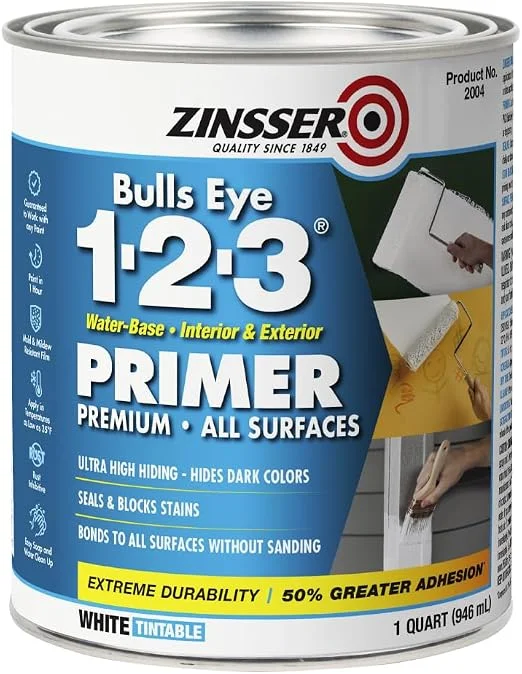 |
Zinsser Bulls Eye 1-2-3 Water-Base Primer & Sealer Cut edges are the most absorbent, moisture-vulnerable part of any MDF trim piece – this seals them before paint goes on.
|
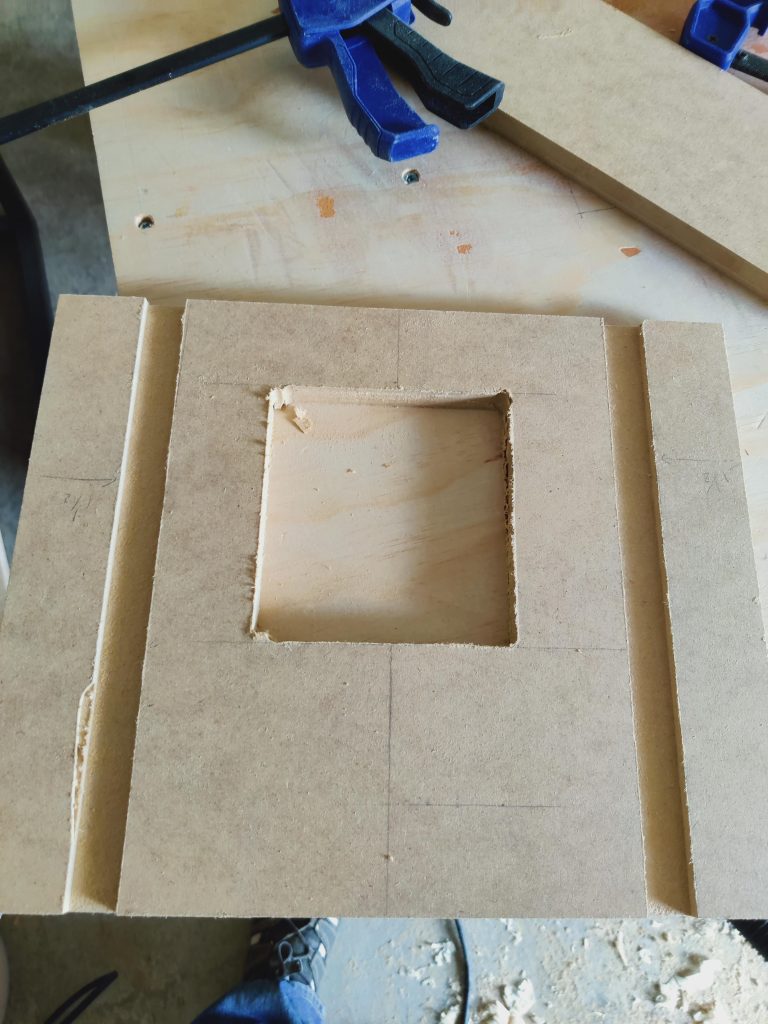
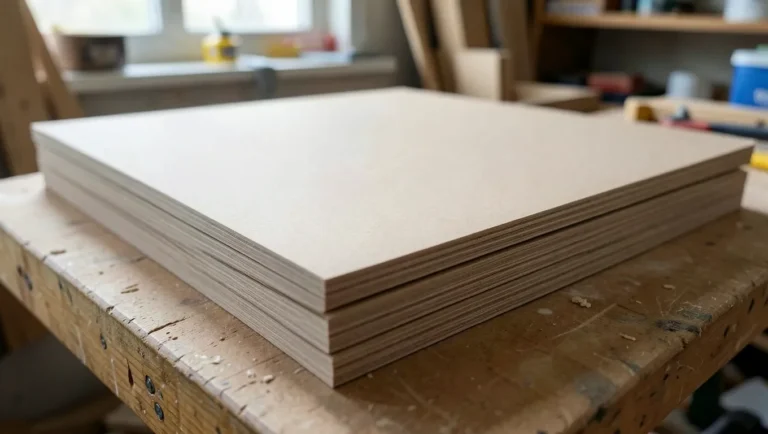
MDF is manufactured by breaking wood down into fine fibers, then combining them with wax and resin binders under heat and pressure into dense, uniform sheets. That manufacturing process is exactly why it behaves so differently from solid wood in the shop and after installation: there’s no grain direction, no knots, and no natural variation piece to piece, which is what gives MDF its signature glass-smooth, paint-ready surface. The tradeoff is that the same fine fiber structure soaks up water readily at any cut or exposed edge, which is the source of nearly every real problem MDF trim runs into.
Where MDF Trim Genuinely Works Well
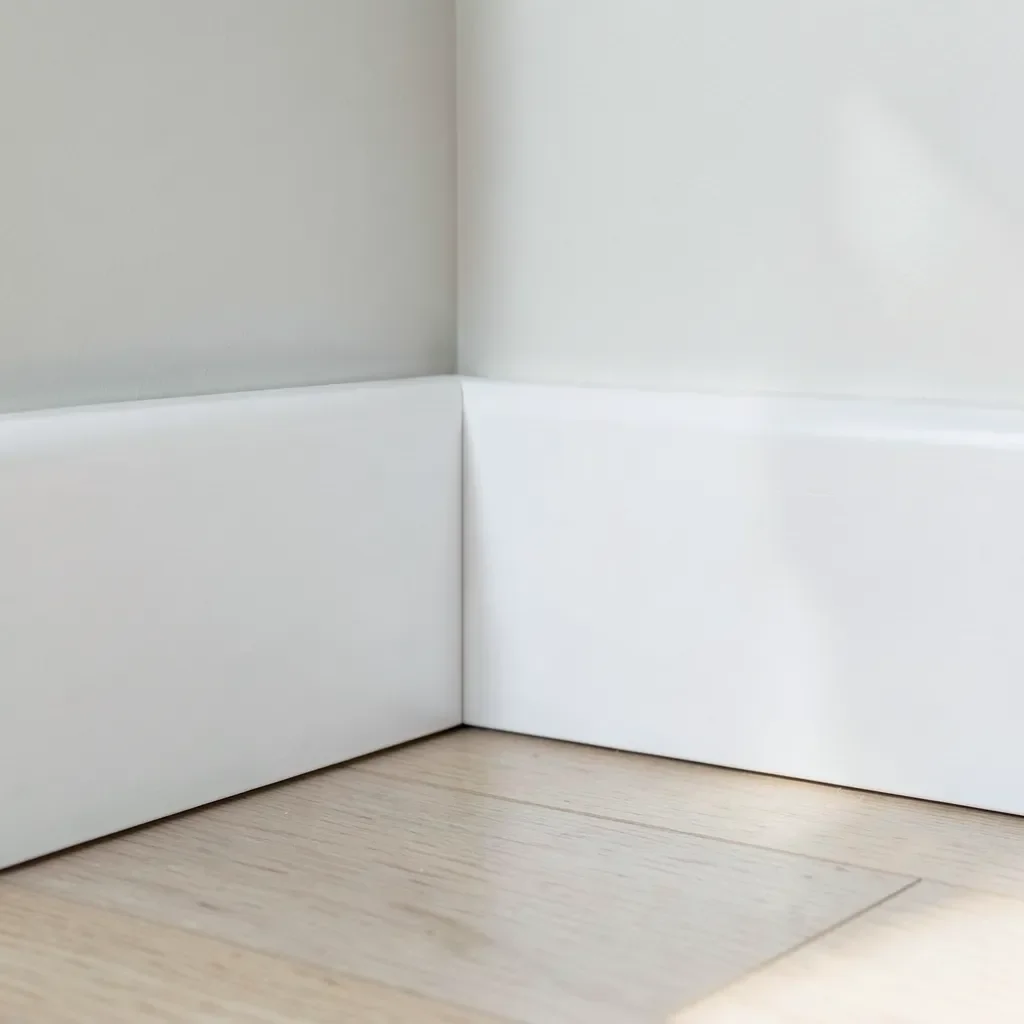
- Baseboards and door casing in living rooms, bedrooms, and hallways – low moisture exposure, high visibility for the smooth painted look MDF does best.
- Crown molding, where MDF’s dimensional stability (it won’t shrink or expand across seasons the way solid wood can) keeps long runs from developing visible gaps at joints.
- Any painted trim on a budget, since MDF costs meaningfully less than solid wood per linear foot while looking identical once primed and painted.
Where MDF Trim Is a Poor Choice
- Bathrooms, laundry rooms, and other high-humidity areas – MDF swells and loses its shape with sustained moisture exposure.
- Exterior trim – standard interior MDF isn’t rated for outdoor weather at all; if MDF-style trim is wanted outdoors, it needs to be a specific exterior-rated product, not standard interior MDF.
- Anywhere it will take heavy impacts, like a mudroom or a stairway with foot traffic against the baseboard – MDF is softer and chips more easily than solid wood under repeated impact.
MDF vs. Plywood vs. Solid Wood for Trim
| Material | Surface for Painting | Moisture Resistance | Relative Cost |
|---|---|---|---|
| MDF | Excellent – no grain to fill | Poor – swells when wet | Lowest |
| Plywood | Fair – grain and voids can telegraph through paint | Better than MDF, still not waterproof | Medium |
| Solid wood | Good, but grain and knots need filling for a flawless finish | Best of the three untreated | Highest |
MDF wins decisively on paint-ready smoothness and price; solid wood wins on impact resistance and moisture tolerance; plywood sits in between on most measures but holds screws better than MDF thanks to its layered structure. None of the three is strictly “better” – the right choice depends on the room, the budget, and how the trim will actually be used day to day.
Installing MDF Trim Correctly
- Wear a dust mask when cutting – MDF dust is extremely fine and the wax/resin binder content makes it worth avoiding inhaling, more so than typical wood dust.
- Cut with a sharp carbide-tipped blade; a dull blade tears the fiber surface instead of cutting it cleanly, leaving a rough edge that’s hard to paint smoothly.
- Pre-drill before nailing near an edge or corner – MDF splits more readily than solid wood if a nail is driven too close to an unsupported edge, and a split piece usually means starting over rather than an easy repair.
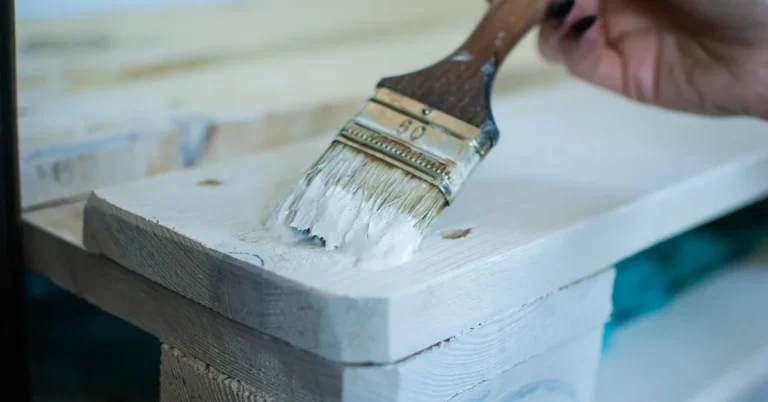
- Seal every cut edge with a primer/sealer before installation, not just the visible face – the raw cut edge is the most absorbent part of the piece and the most common place moisture damage starts.
- Caulk all seams, joints, and the gap where trim meets the wall or floor – this is a bigger deal on MDF than solid wood, since caulk is doing real moisture-blocking work, not just cosmetic gap-filling.
- Prime the entire piece, then apply at least two coats of a quality paint for a durable, even finish that hides seams well.
MDF-Specific Fasteners and Adhesives
MDF holds screws less securely than solid wood or plywood, since there’s no continuous wood fiber running through the material for threads to bite into – the fine, uniform fiber structure that makes MDF paint so smoothly is the same structure that gives fasteners less to grip. Pre-drilling isn’t optional the way it sometimes is with solid wood; skipping it is one of the most common causes of a split MDF trim piece. For anywhere extra hold matters, a construction adhesive rated for MDF, applied to the back of the piece before nailing, significantly outperforms nails or screws alone and is standard practice among trim installers who work with MDF regularly.
Standard wood glue works fine for MDF-to-MDF joints (mitered corners, scarf joints on long runs), but it needs a longer clamp time than on solid wood since MDF’s edges absorb the glue’s moisture unevenly compared to end-grain wood. A slower-setting glue, or simply extending clamp time by 50% over what’s typical for solid wood, gives a noticeably stronger joint that resists opening back up under seasonal movement in the wall behind it.
A Real Health Consideration: Formaldehyde
Older MDF used urea-formaldehyde resin as a binder, which could off-gas formaldehyde into indoor air for a period after installation – a legitimate concern, not just internet folklore. Since 2018, the EPA’s TSCA Title VI rule (aligned with California’s earlier CARB Phase 2 standard) has required composite wood products sold in the US, including MDF, to meet significantly lower formaldehyde emission limits. Reputable retailers list this compliance directly on the product page or spec sheet, so it is worth checking before buying rather than assuming – look for a TSCA Title VI or CARB Phase 2 compliance label on the product packaging or spec sheet – MDF meeting these standards emits far less formaldehyde than older pre-regulation product, and sealing all surfaces with primer further reduces off-gassing during and after installation.
MDF vs. “MDF Trim” Products (Pre-Primed Boards)
Home centers typically sell two versions of MDF trim: raw sheet MDF cut to trim profiles, and pre-primed MDF trim boards manufactured specifically for this use, often with a moisture-resistant coating already baked onto the surface and sometimes the edges. The pre-primed product costs more per linear foot but arrives ready for a finish coat of paint without the separate priming step, and its factory coating typically extends further into the material than a job-site-applied primer can reach. For a small project, raw MDF cut and primed on-site is more economical; for a large whole-house trim package, the pre-primed product’s consistency and reduced labor often make up the price difference.
Maintaining MDF Trim
Dust regularly with a soft, dry cloth and wipe up any spills immediately – standing liquid on MDF trim, even briefly, is where swelling starts. Avoid harsh or abrasive cleaners, which can dull or damage the painted finish. Touch up small chips or dings with wood filler and matching paint promptly, since an exposed, unsealed chip is a moisture entry point the same way a cut edge is. Around any trim near a kitchen sink, entry door, or window that occasionally sees condensation, a periodic check for soft spots or bubbling paint catches moisture damage early, while it is still a small touch-up rather than a full piece replacement.
Frequently Asked Questions
Can you use MDF as trim?
Yes. It’s affordable, cuts and paints to a smooth finish, and holds its shape well. It’s suited to interior applications and not recommended for high-moisture areas.
Where should you not use MDF trim?
Avoid bathrooms, exterior applications, and other high-moisture or high-impact areas, since MDF swells when wet and chips more easily than solid wood under repeated impact.
Is MDF safe for baseboards?
Yes, MDF is a common and cost-effective baseboard material for typical living spaces. Seal every cut edge and prime and paint the full piece for the best durability.
What are the disadvantages of MDF trim?
Lower moisture resistance and impact durability than solid wood, and older MDF’s formaldehyde off-gassing concern (largely addressed by post-2018 TSCA Title VI/CARB Phase 2 compliant product).
Conclusion
MDF is a genuinely good trim material for painted interior work where budget and a flawless smooth finish matter more than maximum durability. Match it to the right room (dry, moderate traffic), seal every cut edge before installation, and it will hold up well for years.
Sponsored / affiliate links. As an Amazon Associate I earn from qualifying purchases. I may earn additional commission from eligible campaigns.