
Electrifying Wood With a Battery Charger: Why This Isn’t Real Lichtenberg Burning (and the Real Risk)
No — a car battery or battery charger cannot produce real Lichtenberg (fractal) wood burning patterns, and trying to “scale up” a low-voltage setup to get one is exactly how people get hurt. Real Lichtenberg burning requires 1,000-15,000 volts, not the 12-24V a battery charger delivers.
⚠️ Serious Safety Warning
Fractal/Lichtenberg wood burning uses lethal voltages (typically 1,000–15,000V from a microwave, neon-sign, or oil-burner transformer). At least 33 people died attempting this at home between 2017 and 2022, most from accidental contact with electrodes, the electrolyte solution, or a live wire. Never touch the wood, electrodes, or solution while the power source is energized — fully disconnect and wait before adjusting anything. Work on a dry, non-conductive floor, never work alone, and keep others away from a live setup. The American Association of Woodturners bans promoting or demonstrating this technique at its events. Commercial “kits” use the same lethal-voltage principle and carry the same risk if misused.
Source: peer-reviewed case reports on fractal wood burning injuries and fatalities (PMC/NCBI, National Library of Medicine)
Why This Isn’t Real Lichtenberg Fractal Wood Burning
Best Safe Alternative Pick
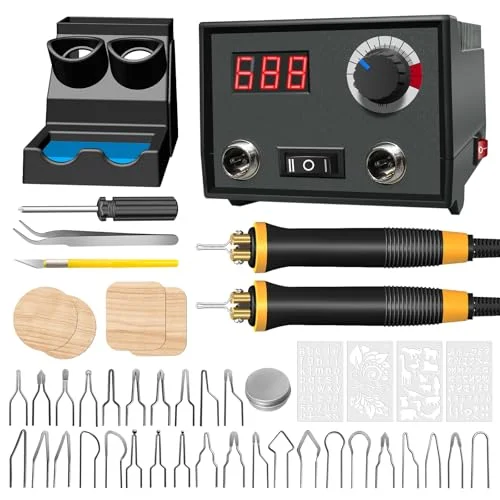
Digital-Temperature Pyrography Wood Burning Pen Kit
Freehand branching, Lichtenberg-style patterns by hand with a heated tip — no current ever passes through the wood or through you.
- Best for: hand-drawn branching or fractal-look burn patterns
- Why we picked it: mains-safe low-voltage heating element, not a high-voltage arc device
- Main drawback: slower and more manual than a real electrical discharge pattern — you’re drawing it, not growing it
Compare more safe alternatives
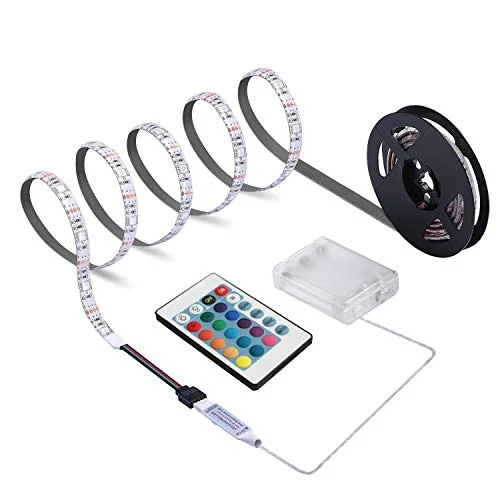 Option 1 Battery-Powered LED Strip Lighting
|
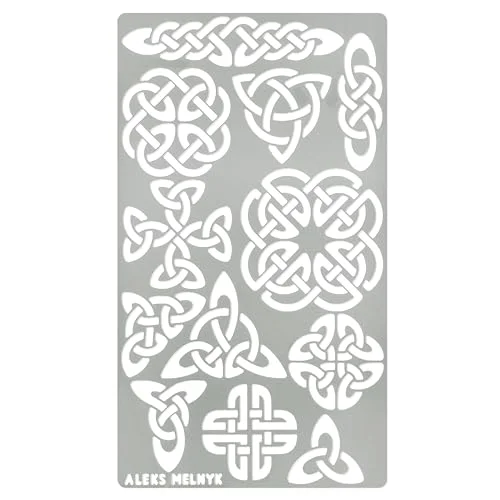 Option 2 Metal Pyrography Stencil Set
|
Option 3 Digital Pyrography Pen Kit (same as hero)
|
As an Amazon Associate we earn from qualifying purchases.
A 12-24V car battery or battery charger cannot produce true Lichtenberg (fractal) burn patterns — that dielectric-breakdown effect needs roughly 1,000-15,000V, typically from a microwave or neon-sign transformer. Trying to “scale up” a low-voltage setup like this one to get a visible fractal pattern is exactly how people get hurt; at least 33 people have died attempting fractal wood burning at home since 2017.
Why This Myth Persists
Part of the confusion comes from two very different things getting lumped together online under the same “electrified wood” label: genuine Lichtenberg burning (a high-voltage electrical arc physically scorching a branching pattern into the wood) and low-voltage LED or lighting projects that make wood look electrified without any current passing through the wood at all. Viral videos and thumbnail images often blur this distinction, showing a finished fractal-burn piece next to a caption suggesting “simple” battery power was involved. It wasn’t — those results still trace back to a mains-voltage transformer, just off-camera.
The Real Risk, Even At “Low” Voltage
A 12-24V battery charger alone is much less dangerous than a mains-voltage transformer, but it is not risk-free: alligator clips can spark and cause burns, a shorted or damaged charger can deliver far more current than its rating suggests, and the setup teaches exactly the wrong instinct — that “if a little voltage does something, more voltage will do it better.” That instinct is the documented path people take from a harmless car-battery experiment to a homemade high-voltage rig, which is where the real deaths happen. There is no safe way to scale this technique up at home.

What A Battery Charger Is Actually Useful For In A Wood Shop
None of this means a battery charger has no place near woodworking — it just isn’t a wood-burning tool. Legitimate, safe shop uses for a battery charger include:
- Maintaining cordless tool battery packs: A proper smart charger (matched to the battery chemistry — never a generic charger on a lithium-ion tool pack) keeps drill, saw, and sander batteries topped off between projects.
- Jump-starting job-site power: A charger or jump box can revive a dead battery on a generator or work truck used to run shop tools at a remote job site.
- Powering genuinely low-voltage rechargeable tools: Cordless rotary tools and some battery-powered pyrography pens use a charger to refill their internal battery — a completely different, enclosed, manufacturer-designed circuit, not an open electrode setup touching the workpiece.
The common thread: in every safe use, the charger’s current stays inside a sealed, manufacturer-engineered circuit — battery to tool — rather than being run through an open electrode setup across a workpiece and, potentially, a person.
Safe Ways To Get An “Electrified Wood” Look
If what you actually want is the branching, glowing look of electrified wood art, two tools do this without any of the shock risk above:
Frequently Asked Questions
Can I Use A Battery Charger To Create Lichtenberg Patterns?
No. A 12-24V battery charger cannot produce the dielectric breakdown that creates true Lichtenberg (fractal) burn patterns — that requires roughly 1,000-15,000V, typically from a microwave or neon-sign transformer. Attempting to scale a battery-charger setup up to reach that voltage range is how most fractal-wood-burning deaths and injuries happen.
Is A Car Battery Powerful Enough For Wood Burning Patterns?
No. A car battery’s 12V output is nowhere near the voltage needed to burn a visible pattern into wood, and pushing more current through a car battery than it’s rated for risks damaging the battery or causing it to vent or rupture.
What Voltage Does Real Lichtenberg Wood Burning Use?
Genuine Lichtenberg/fractal wood burning uses roughly 1,000-15,000V, typically from a modified microwave, neon-sign, or oil-burner transformer. This is a lethal voltage range — at least 33 documented deaths have occurred attempting this at home since 2017, and the American Association of Woodturners bans promoting or demonstrating the technique at its events.
Is There A Safe Way To Get The Same Look?
Yes. A temperature-controlled pyrography pen lets you freehand branching burn patterns by hand with no electrical current passing through the wood or the user. For a glowing rather than a burned effect, battery-powered LED strip lighting achieves a similar visual impact at a few volts, with no current passing through the wood at all.
I Already Have A Battery-Charger Setup Wired Up — What Should I Do?
Unplug and fully disconnect it, and do not test or energize it “just to see.” Dispose of any exposed wiring or electrode setup rather than storing it assembled, since a partially-built rig left sitting is exactly the kind of project people later try to “improve” by adding more voltage. Switch to a pyrography pen if the goal was a branching pattern — it gets a comparable visual result with none of the risk.
Conclusion
A battery charger and alligator clips will not create real Lichtenberg wood art, and attempting to reach the voltage that does creates genuine electrocution risk that has killed at least 33 people since 2017. If you want the branching, electric-looking pattern, use a pyrography pen; if you want the glow, use battery-powered LED lighting. Neither carries any of the risk described above.
Sponsored / affiliate links. As an Amazon Associate I earn from qualifying purchases. I may earn additional commission from eligible campaigns.