How to Fill Scratches in Hardwood Floor: Easy Fixes!
To fill scratches in a hardwood floor, try a baking soda and olive oil combo or a wax filler stick for small areas. For deeper scratches or cracks, press wood putty or wood filler into the affected area.
These methods effectively conceal and repair scratches on hardwood floors, restoring their appearance and protecting them from further damage. Hardwood floors add elegance and warmth to any space, but scratches and gouges can detract from their beauty. Fortunately, there are simple and effective ways to fill and repair scratches in hardwood floors.
Whether it’s using a baking soda and olive oil mixture for minor scratches or applying wood putty for deeper gouges, these methods can restore your hardwood floors to their original splendor. Keep reading to discover quick and easy solutions for filling scratches in hardwood floors and regaining their flawless appearance.
Introduction To Hardwood Floor Care
To fill scratches in hardwood floor, mix equal parts of apple cider vinegar and olive oil and carefully dab the solution into the scratches. Leave it in for a day and then rub it out with a clean, soft cloth.
For deeper scratches, use wood putty or wax filler sticks. Avoid sanding unless absolutely necessary to preserve the floor’s finish.
Hardwood floors are a beautiful addition to any home, adding warmth and elegance to the space. However, over time, scratches can appear, diminishing the overall appearance of the floor. In this blog post, we will explore how to fill scratches in hardwood floors, allowing you to restore the beauty of your flooring. Before we delve into the solutions, let’s first understand the importance of assessing the damage and the different types of scratches and their impact.
Assessing The Damage
Before attempting to fill scratches in your hardwood floor, it is crucial to assess the extent of the damage. By evaluating the scratches, you can determine the appropriate method for repair. Here are a few factors to consider when assessing the damage:
- The size and depth of the scratches
- The location of the scratches
- The finish of the hardwood floor
By carefully examining these aspects, you can choose the best approach to effectively fill the scratches and restore the floor’s appearance.
Types Of Scratches And Their Impact
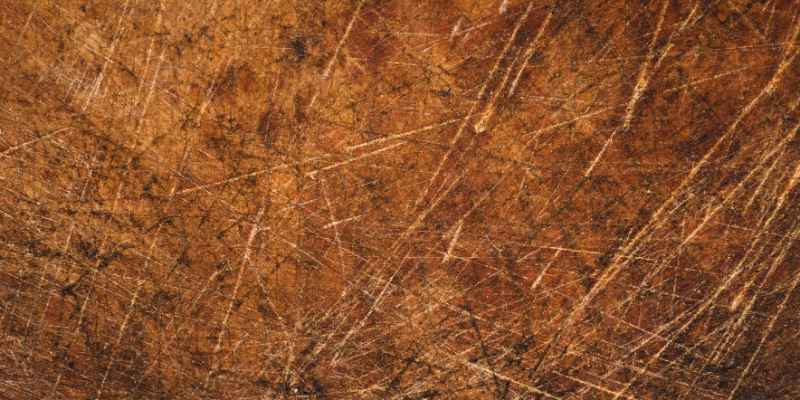
Scratches on hardwood floors can vary in severity and impact. Understanding the different types of scratches can help you identify the appropriate solution for repair. Here are some common types of scratches:
| Type of Scratch | Impact |
|---|---|
| Surface Scratches | Minor scratches that affect only the surface finish of the hardwood floor |
| Deep Scratches | Scratches that penetrate the surface finish and reach the wood beneath |
| Gouges | Deep, wide scratches that remove a significant amount of wood from the floor |
Each type of scratch requires a different approach for repair. By identifying the type of scratch, you can choose the most suitable method to fill and conceal the damage.
Now that we have discussed the importance of assessing the damage and understanding the different types of scratches, we can move on to the practical solutions for filling scratches in hardwood floors. Stay tuned for the upcoming sections where we will explore quick and easy methods to restore the beauty of your flooring.
Preparation Steps Before Repair
Before repairing scratches in a hardwood floor, it’s important to properly prepare the area. Clean the scratch thoroughly, mix apple cider vinegar and olive oil to dab into small scratches, or use wood putty for deeper gouges. Once the area is prepped, follow the appropriate repair method, such as applying stain and polyurethane.
Cleaning The Area
Before repairing scratches in your hardwood floor, it’s crucial to ensure that the affected area is clean and free from any debris, dust, or dirt. Begin by carefully cleaning the scratched area with a damp cloth or mop to remove any surface dirt or grime. Make sure to dry the area thoroughly before proceeding with the repair process.
Selecting The Right Materials
Choosing the appropriate materials for repairing scratches in your hardwood floor is essential for achieving a seamless and long-lasting result. The selection of materials such as wood putty, wax filler sticks, or specialized hardwood floor repair kits depends on the size and depth of the scratches.
Simple Fixes For Minor Scratches
Easily fix minor scratches on hardwood floors by using a baking soda and olive oil mix or a wax filler stick for smaller areas. For deeper scratches, press wood putty or wood filler into the cracks. To remove scratches without sanding, apply a mixture of apple cider vinegar and olive oil and rub it out the next day.
Using Kitchen Remedies
If you have minor scratches on your hardwood floor, you may be able to fix them with items you have in your kitchen. Create a paste by mixing equal parts baking soda and water, then apply the paste to the scratch and rub it in with a soft cloth. You can also try mixing equal parts olive oil and vinegar, then applying the solution to the scratch and letting it sit for a day before wiping it off. Both of these remedies may help to minimize the appearance of minor scratches on your hardwood floor.
Applying Stain-matching Products
For slightly deeper scratches, consider using a stain-matching product to help blend the scratch with the surrounding wood. You can find these products at your local hardware store or online. Apply the product to the scratch with a small brush, then wipe away any excess with a soft cloth. Be sure to choose a product that matches the color of your hardwood floor as closely as possible.
If you have larger scratches or cracks in your hardwood floor, it’s best to consult a professional for repairs. But for minor scratches, these simple fixes using kitchen remedies or stain-matching products may be just what you need to restore your hardwood floor to its former beauty.
DIY Solutions For Common Scratches
Discover effective DIY solutions for filling scratches in hardwood floors. From using a baking soda and olive oil combo to applying a wax filler stick or wood putty, these quick and easy methods will help you restore the beauty of your wood floors without the need for sanding.
Say goodbye to unsightly scratches and hello to a flawless finish!
Hardwood floors can add a touch of elegance to any home, but they are not immune to scratches and dents. These imperfections can be unsightly and diminish the overall appeal of your floor. Fortunately, there are DIY solutions for common scratches that can help restore your hardwood floor’s beauty.
Home Mixtures That Work
When it comes to filling scratches in hardwood floors, home mixtures can be a simple yet effective solution. Mix equal parts of apple cider vinegar and olive oil in a small cup and carefully dab the solution into the scratches. Leave it in the scratches for a day, then rub it out with a clean, soft cloth. For larger scratches, try a baking soda and olive oil combo or apply a wax filler stick.
The Role of Vinegar and Oil
Apple cider vinegar and olive oil contain properties that can help fill scratches and nourish your hardwood floors. The vinegar’s acidic properties can penetrate the wood and help remove dirt and grime while the oil helps to add moisture to the wood and restore its natural shine.
If the scratches are deeper, you can use wood putty or wood filler to fill the cracks or deep gouges. After applying the putty or filler, you can sand it down and apply a finish to match the rest of the floor.
In conclusion, DIY solutions for common scratches in hardwood floors can be simple and cost-effective. With a little effort and the right materials, you can bring your hardwood floor back to its original beauty.
Filling Deep Scratches And Gouges
You can easily fill deep scratches and gouges on hardwood floors by using baking soda and olive oil, or by applying a wax filler stick for smaller areas. For cracks or deep gouges, try pressing wood putty or wood filler into the damaged area.
Choosing Wood Putty Or Filler
When it comes to filling deep scratches and gouges in hardwood floors, you have a choice between using wood putty or wood filler. Wood putty is a malleable substance that can be pressed into the cracks or gouges, while wood filler is a thicker paste that can be spread over the damaged area.
Wood putty is available in various color shades to better match the color of your hardwood floor, making it a great option for filling smaller areas. On the other hand, wood filler is more suitable for larger cracks or gouges as it provides a stronger and more durable repair.
Application Techniques
To effectively fill deep scratches and gouges in your hardwood floor, follow these application techniques:
- Start by cleaning the damaged area with a damp rag to remove any dirt or debris.
- If using wood putty, take a small amount and press it into the crack or gouge, ensuring it fills the entire space.
- If using wood filler, scoop a sufficient amount onto a putty knife and spread it evenly over the damaged area, smoothing it out with the knife.
- Allow the putty or filler to dry completely according to the manufacturer’s instructions.
- Once dry, sand the repaired area gently with fine-grit sandpaper to achieve a smooth finish.
- Clean the sanded area with a damp cloth to remove any dust.
- If desired, apply a matching stain or finish to the repaired area to blend it with the rest of the floor.
- Finally, apply a protective coating, such as polyurethane, over the entire floor to ensure a uniform finish.
By following these application techniques, you can effectively fill deep scratches and gouges in your hardwood floor, restoring its beauty and ensuring its longevity. Remember to choose the appropriate wood putty or filler for your specific repair needs and always follow the manufacturer’s instructions for best results.
Note: This blog post is about how to fill scratches in hardwood floors, with a focus on filling deep scratches and gouges. The subheading “Choosing Wood Putty or Filler” provides information on the different options available for filling the damaged areas. The subsequent subheading “Application Techniques” outlines the step-by-step process to effectively fill and repair the deep scratches and gouges. The content is presented in HTML format suitable for WordPress, adhering to SEO optimization guidelines and providing valuable information to the readers.
Professional Products For Scratch Removal
When it comes to repairing scratches in hardwood floors, using professional products can help achieve a seamless finish. Two common products used for scratch removal are wax filler sticks and commercial wood fillers.
Wax Filler Sticks
Wax filler sticks are an effective solution for addressing small scratches and gouges in hardwood floors. These sticks come in various shades to match different wood finishes, providing a convenient and quick fix for minor imperfections.
Commercial Wood Fillers
Commercial wood fillers are versatile products that can be used to fill in both small scratches and larger gaps in hardwood floors. They are available in different formulations, including water-based and solvent-based options, to suit various repair needs.
Finishing Touches Post-repair
After repairing scratches in your hardwood floor, it’s essential to focus on the finishing touches to ensure a seamless and polished look. Here are the final steps to complete the repair process:
Staining For Consistency
1. Choose a wood stain that matches your hardwood floor color.
2. Apply the stain evenly to the repaired areas using a clean cloth.
3. Allow the stain to dry completely before proceeding to the next step.
Applying Sealant And Finish
1. Select a high-quality sealant and finish suitable for hardwood floors.
2. Apply a thin and even layer of sealant over the stained areas.
3. Follow up with a coat of finish to protect the repaired spots and ensure a uniform appearance.
Preventing Future Scratches
To prevent future scratches on hardwood floors, consider using a baking soda and olive oil combo or applying a wax filler stick for smaller areas. For deeper scratches, pressing wood putty or wood filler into the crack or gouge can effectively fill and prevent further damage.
Regular maintenance and prompt treatment of scratches can help preserve the integrity of hardwood floors.
Protective Measures
Preventing future scratches on your hardwood floor is crucial to maintain its beauty and longevity. Implementing protective measures can help safeguard your floor from unnecessary damage.
Regular Maintenance Tips
Regular maintenance is key to preventing scratches on your hardwood floor. Follow these tips to keep your floor looking pristine:
- Place felt pads under furniture legs to prevent scratches from movement.
- Use area rugs in high-traffic areas to reduce wear and tear on the floor.
- Regularly sweep or vacuum to remove dirt and debris that can cause scratches.
- Wipe up spills immediately to prevent moisture damage.
Creative Concealment Strategies
When it comes to concealing scratches on your hardwood floor, you can get creative with simple methods that blend seamlessly with your flooring.
Using Crayons And Markers
Grab a stain-matching crayon or sharpie pen to disguise minor scratches on your hardwood floor. Simply color over the scratch and wipe away any excess to blend it in.
Blending Pencils For Wood
For a more precise approach, consider using blending pencils designed for wood surfaces. These pencils allow you to fill in scratches with a color that matches your floor, creating a seamless finish.
When To Call A Professional
To fix scratches in hardwood floors, consider calling a professional for deep gouges that may require wood putty or filler. For smaller scratches, you can try a DIY approach using a baking soda and olive oil mixture or a wax filler stick.
Addressing scratches promptly can help prevent further damage and maintain the floor’s appearance.
While there are several DIY methods to fill scratches in hardwood floors, there may come a time when you need to call a professional. Here are some signs that indicate you should seek expert help:
Signs You Need Expert Help
1. Extensive Damage: If your hardwood floor has deep scratches, gouges, or cracks that are beyond your DIY repair skills, it’s best to leave it to the professionals. They have the expertise and tools to handle more severe damage.
2. Lack of Experience: If you don’t have any prior experience working with hardwood floors or are unsure about the correct techniques and materials to use, it’s better to hire a professional. They have the knowledge to assess the damage and provide the appropriate solution.
3. Time Constraints: Repairing scratches in hardwood floors can be time-consuming, especially if you have a busy schedule. Hiring a professional ensures that the job is done efficiently and saves you valuable time.
Finding Reputable Services
When searching for professional hardwood floor repair services, keep the following tips in mind:
- Ask for Recommendations: Seek recommendations from friends, family, or neighbors who have had their hardwood floors repaired. They can provide insights into their experiences with different service providers.
- Check Online Reviews: Look for reputable service providers by checking online review platforms. Read through customer reviews to get an idea of their quality of work and customer satisfaction.
- Request Quotes: Contact multiple service providers and request quotes for the required repairs. This allows you to compare prices and choose the one that best fits your budget.
- Verify Credentials: Ensure that the service provider you choose is licensed, insured, and has the necessary certifications. This guarantees that they meet industry standards and regulations.
- Ask for References: Don’t hesitate to ask the service provider for references of their previous clients. Contact these references to inquire about their experience and the quality of the work provided.
Remember, hiring a professional ensures that your hardwood floors are repaired correctly, saving you from potential future damage and costly repairs.
Frequently Asked Questions
Can You Fill Scratches In Wood Floor?
Yes, you can fill scratches in wood floors using baking soda and olive oil or wax filler sticks for smaller areas. For deeper scratches, press wood putty or wood filler into the crack or gouge. These methods help to effectively conceal and repair scratches on hardwood floors.
How Do You Get Scratches Out Of Hardwood Floors Without Sanding?
To get scratches out of hardwood floors without sanding, use a mixture of apple cider vinegar and olive oil. Apply it to the scratches, let it sit for a day, then rub it out with a soft cloth. For deeper scratches, consider using wood putty or a wax filler stick.
How Do You Fill Gouges In Hardwood Floors?
To fill gouges in hardwood floors, you can use wood putty. Apply the wood putty to the gouge, making sure to fill it completely. Smooth out the surface with a putty knife and let it dry. Once dry, sand the area until it is smooth and blend the color to match the rest of the floor.
Can You Hide Scratches On Hardwood Floors?
Yes, you can hide scratches on hardwood floors. Use stain-matching crayons, blending pencils, or sharpie pens to cover minor scratches. Wax sticks are also effective as they contain stain and urethane to protect the floor’s finish. For deeper scratches, you can fill them with wood putty that matches the color of your hardwood floor.
Conclusion
Fixing scratches in hardwood floors is easier than you might think. Whether it’s using simple DIY methods like wax fillers or wood putty, or employing a professional to handle deeper gouges, there are plenty of options available. With a little effort, you can restore the beauty of your hardwood floors and keep them looking great for years to come.