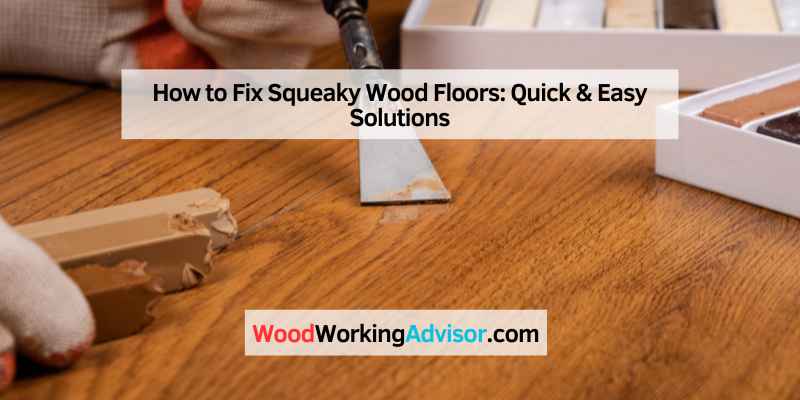
How to Fix Squeaky Wood Floors: Quick & Easy Solutions
To fix squeaky wood floors, sprinkle baby powder, baking soda, or powdered graphite over the squeaky floorboard and work it into the seams. This will lubricate the wood and prevent the floorboards from rubbing together and squeaking.
Squeaky floors are often caused by loosened hardware, such as nails or screws, allowing the boards to rub together and produce noise. The design of your home will determine the best approach to address the squeak. Are squeaky wood floors causing a disturbance in your home?
Squeaky floors are not only annoying but can also be a sign of loose hardware or wood rubbing together. In this guide, we will explore effective methods to fix squeaky wood floors, from using lubricants to addressing loose hardware. By the end of this article, you will have the knowledge to resolve squeaky floors and enjoy a quieter, more peaceful living space. Let’s dive into the solutions to silence those pesky squeaks and restore tranquility to your home.
Identifying The Squeak Source
When it comes to fixing squeaky wood floors, the first step is to identify the source of the squeak. Narrowing down the problem area and using auditory and visual clues are essential in this process.
Narrowing Down The Problem Area
Start by walking around the room and pinpointing the exact location of the squeak. Listen carefully and pay attention to the areas where the sound is most prominent. You can also have someone else walk on the floor while you stand in different areas to help locate the source of the noise.
Using Auditory And Visual Clues
Visual inspection can also be helpful in identifying the squeak source. Look for any visible gaps between the floorboards or any signs of damage. Additionally, pay attention to any noticeable movements or vibrations in the floor when pressure is applied in certain areas.
Quick Fixes For Minor Squeaks
Stop annoying squeaks in your wood floors with these quick fixes. Try sprinkling baby powder, baking soda, or powdered graphite over the squeaky floorboard and work it into the seams. Alternatively, identify the squeaky boards and apply a generous amount of powdered soapstone, talcum powder, or powdered graphite between them to lubricate and reduce friction.
Squeaky wood floors are a common problem for homeowners. They can be caused by a number of factors, including loose nails, worn-out subfloors, and seasonal changes in humidity. While major squeaks may require professional attention, minor squeaks can be fixed with some quick and easy solutions.
Powder Solutions
Powdered graphite, baby powder, and talcum powder are great lubricants that can help reduce friction and silence squeaky wood floors. To apply the powder, locate the squeaky joint and sprinkle a generous amount of powder into the crack. Then, use a soft brush to work the powder into the seam. This lubrication will help the wood glide smoothly and prevent the boards from rubbing together and making noise.
Lubrication Techniques
In addition to powder solutions, lubrication techniques can also be used to fix minor squeaks. One method is to apply wax or petroleum jelly to the seams between the boards. Simply melt the wax and apply it to the squeaky area, then buff it with a cloth to create a smooth surface. Alternatively, you can use a lubricating spray such as WD-40 or silicone spray to reduce friction and eliminate squeaks.
These quick fixes are simple and effective ways to silence minor squeaks in your wood floors. By using powder solutions and lubrication techniques, you can enjoy a quieter, more peaceful home without the need for professional help.
From Below: Accessing The Subfloor
If you’re dealing with squeaky wood floors, accessing the subfloor from below can be an effective solution. This method allows you to secure the loose subfloor and eliminate the annoying squeaks. Whether you’re working in basements or crawlspaces, here are the steps to follow:
Working In Basements Or Crawlspaces
To access the subfloor, you’ll need to work in either a basement or crawlspace. These areas provide you with direct access to the underside of the floorboards, making it easier to locate and fix the source of the squeaks. Here’s what you need to do:
- Ensure you have proper lighting and ventilation in the area.
- Wear protective clothing, gloves, and a mask to avoid any potential hazards.
- Crawl or navigate through the basement or crawlspace to reach the affected area.
Securing Loose Subfloor
Once you have accessed the subfloor, it’s time to secure any loose sections that may be causing the squeaks. Here’s how you can do it:
- Identify the loose subfloor by looking for gaps or movement between the floor joists.
- Using a drill, insert screws through the subfloor and into the floor joists to tighten and secure the subfloor.
- Make sure to space the screws evenly along the loose section to ensure proper stability.
- Repeat this process for any other loose subfloor sections you may find.
By securing the loose subfloor, you can effectively eliminate the squeaks and restore the stability of your wood floors.
Remember, accessing the subfloor from below requires caution and proper safety measures. If you’re not comfortable working in basements or crawlspaces, it’s always best to consult a professional to ensure the job is done correctly.
Above Board: Solutions Without Floor Removal
Discover a hassle-free solution to fix squeaky wood floors with Above Board: Solutions Without Floor Removal. Avoid the common headache of removing the entire floor by using powdered graphite, baby powder, or talcum powder to lubricate the squeaky joints and eliminate those irritating noises.
Keep your floors quiet and enjoy a peaceful environment in your home.
Using Squeak-relief Products
If you’re tired of hearing those annoying squeaks every time you walk on your wood floors, don’t worry – there are solutions that can help without having to remove the entire floor. One effective method is using squeak-relief products. These products are specifically designed to eliminate squeaks by providing a cushioning barrier between the floorboards. They can be easily installed without the need for any major renovations or floor removal.
To use squeak-relief products, follow these simple steps:
- Clean the area where the squeak is coming from to ensure proper adhesion.
- Apply the adhesive provided with the squeak-relief product to the underside of the floorboard.
- Press the squeak-relief bracket firmly against the floorboard, making sure it is securely attached.
- Repeat the process for all the squeaky areas.
- Once the adhesive has dried, walk on the floor to test for any remaining squeaks. If necessary, repeat the process or adjust the brackets as needed.
Using squeak-relief products is a simple and effective way to fix squeaky wood floors without the need for floor removal. It provides a long-lasting solution that will help you enjoy quiet and peaceful footsteps in your home.
Shim Solutions For Gaps
Another common issue with wood floors is the presence of gaps between the floorboards. These gaps not only affect the aesthetics of your floor but can also contribute to squeaks. Fortunately, there are shim solutions that can help fill these gaps and reduce or eliminate the squeaks.
To use shim solutions for gaps, follow these steps:
- Identify the areas where there are gaps between the floorboards.
- Measure the width and length of the gaps.
- Using a shim material such as wood or plastic, cut shims to fit the dimensions of the gaps.
- Apply a small amount of wood glue or adhesive to the shim.
- Insert the shim into the gap, ensuring it is snugly fit.
- Repeat the process for all the gaps.
- Allow the adhesive to dry completely before walking on the floor.
Shim solutions are a cost-effective and efficient way to fix gaps and reduce squeaks in wood floors. They provide stability and fill in the spaces between the floorboards, resulting in a more solid and quiet floor.
In conclusion, when it comes to fixing squeaky wood floors, there are solutions available that don’t require floor removal. Using squeak-relief products and shim solutions for gaps can effectively eliminate squeaks and improve the overall quality of your wood floors. So don’t let those annoying squeaks ruin the tranquility of your home – take action and enjoy a squeak-free floor today!
Floor Joist Issues
To fix squeaky wood floors, sprinkle baby powder, baking soda, or powdered graphite over the squeaky floorboards and work it into the seams to lubricate the wood and prevent rubbing. Loose nails or screws can also contribute to the problem, so make sure the hardware is tightly secured.
Another option is to apply powdered soapstone, talcum powder, or powdered graphite between the boards to reduce friction and eliminate squeaks.
When it comes to fixing squeaky wood floors, one of the most common causes is floor joist issues. The floor joists are the horizontal beams that support the flooring and can become weakened or damaged over time, causing the floorboards to rub together and create that annoying squeaking sound. In this section, we will discuss how to identify joist problems and strengthen joist connections to fix squeaky wood floors.
Identifying Joist Problems
Before you can fix squeaky wood floors caused by joist problems, you need to identify the issue. Here are some signs that your joists may be causing the squeaking:
- Uneven or sagging floors
- Creaking or popping sounds when walking on the floor
- Gaps between the floorboards
- Visible cracks or splits in the joists
If you notice any of these signs, it’s time to inspect your floor joists to determine the extent of the damage.
Strengthening Joist Connections
Once you have identified the joist problem, the next step is to strengthen the connections to fix the squeaky wood floors. Here are some methods you can use:
- Tighten loose connections: Check the connections between the joists and the subfloor or the joists and the beams. If you find any loose connections, use wood screws or nails to tighten them up.
- Install blocking: If you have access to the joists from below, install blocking between the joists to prevent them from twisting or bending.
- Reinforce with additional wood: If the joists are weak or damaged, you can reinforce them by adding additional wood to the sides or bottoms of the joists.
- Use construction adhesive: Apply construction adhesive to the connections between the joists and the subfloor or the joists and the beams to strengthen the connection and reduce movement.
By following these steps, you can strengthen the joist connections and fix squeaky wood floors caused by joist problems.
In conclusion, fixing squeaky wood floors caused by floor joist issues is not an easy task, but with proper identification and strengthening of the connections, you can reduce or eliminate those annoying squeaks.
Professional Solutions For Persistent Squeaks
Say goodbye to persistent squeaks with our professional solutions for fixing squeaky wood floors. From lubricating the joints with powdered graphite to identifying and tightening loose hardware, our tips will keep your floors silent and sturdy.
When To Call In A Pro
If DIY fixes fail, consider professional help.
Seek a pro for structural issues or extensive repairs.
What To Expect From A Professional Repair
Professionals locate and fix squeaks efficiently.
They use specialized tools for a long-lasting solution.
Expect a smoother, quieter wood floor after repair.
Preventative Measures And Maintenance
To fix squeaky wood floors, apply powdered graphite, baby powder, or talcum powder over the squeaky floorboard to reduce friction and lubricate the wood, preventing the floorboards from rubbing together and causing noise. Identifying and addressing loose hardware holding the floor in place is also crucial to resolving squeaky floor problems.
Regular Floor Care
Regularly clean your wood floors to prevent dirt and debris buildup.
Use a damp mop with a mild cleaner suitable for wood surfaces.
Avoid excessive water as it can damage the wood and lead to squeaks.
Preventing Future Squeaks
Monitor humidity levels in your home to prevent wood from expanding and contracting.
Check for loose nails or screws and tighten them to prevent boards from rubbing together.
Apply lubricants like powdered graphite between squeaky floorboards to reduce friction.
Choosing The Right Tools And Materials
When it comes to fixing squeaky wood floors, choosing the right tools and materials is crucial. By selecting the best products and using the essential tools for DIY fixes, you can effectively address those annoying squeaks.
Essential Tools For DIY Fixes
- Hammer
- Drill
- Screws
- Wood shims
- Stud finder
Selecting The Best Products
To silence squeaky floors, opt for lubricants like powdered soapstone, talcum powder, or powdered graphite. Apply these between the squeaky boards to reduce friction and eliminate the noise.
Step-by-step Guide For Repair
When it comes to fixing squeaky wood floors, a step-by-step guide for repair can make the process much easier. Follow these detailed instructions to silence those annoying squeaks and enjoy a quieter home.
Preparation Steps
- Identify the squeaky areas by walking around the room.
- Clear the floor of any rugs, furniture, or obstacles.
- Gather the necessary tools such as screws, drill, and lubricant.
Executing The Fix
- Locate the floor joists underneath the squeaky boards.
- Drive screws through the subfloor into the joists to secure the boards.
- Apply a lubricant like powdered graphite to reduce friction between boards.
- Test the floor by walking over the previously squeaky areas.
Frequently Asked Questions
How Do You Stop A Wood Floor From Squeaking?
To stop a wood floor from squeaking, sprinkle baby powder, baking soda, or powdered graphite over the squeaky area. Work it into the seams to lubricate the wood and prevent the floorboards from rubbing together and causing squeaks. Regular maintenance can help prevent future squeaking.
Why Do My Hardwood Floors Squeak When I Walk On Them?
Hardwood floors squeak when you walk on them due to loosening of the hardware holding the floor in place. When nails or screws become loose, the floorboards rub together, causing the squeaking noise. To fix the issue, you can apply powdered graphite, baby powder, or talcum powder between the floorboards to lubricate them and reduce friction.
How Do You Fix A Squeaky Floor Without Removing Flooring?
To fix a squeaky floor without removing flooring, sprinkle powdered graphite, baby powder, or talcum powder over the squeaky area. Work the powder into the seams to lubricate the wood and prevent the floorboards from rubbing together and causing squeaks.
What Is The Best Product For Squeaky Wood Floors?
The best product for squeaky wood floors is powdered soapstone, talcum powder, or powdered graphite. Apply a generous amount between the squeaky floor boards to reduce friction and eliminate the squeaking noise. Regular application can help keep the floorboards lubricated and prevent them from rubbing together.
Conclusion
Fixing squeaky wood floors is a simple and effective process. By using lubricants such as baby powder, baking soda, or powdered graphite, you can eliminate the friction between the floorboards and prevent them from rubbing together and squeaking. Additionally, addressing loose nails or screws and applying a generous amount of powdered soapstone, talcum powder, or powdered graphite between the boards can also help eliminate squeaks.
With these methods, you can enjoy a quiet and peaceful environment in your home with squeak-free wood floors.