Furniture Feet Protectors for Wood Floors: 4 Types Compared
Felt pads suit light chairs moved often, but heavy sofas and beds need rubber or silicone cups instead, since felt compresses flat under sustained weight within months. Using the wrong type is the top reason protectors fail: a $9 pack of felt pads will not stop a 200-lb dresser from denting oak flooring the way a rubber cup does. This guide compares felt, silicone, rubber, and slider protectors by grip, noise, and cost, then names four in-stock picks.
Introduction To Floor Protection
Best Furniture Feet Protector Pick
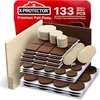
X-Protector Felt Furniture Pads (133 PCS) – $9.99
The felt pad this guide’s comparison table recommends for light, frequently-moved furniture — 4mm felt cushions dining chairs and side tables without scratching, and 133 pieces cover a full room.
- Best for: Dining chairs, side tables, and other furniture moved often
- Why we picked it: #1 Best Seller in Furniture Pads with 100K+ ratings, and the 4mm felt thickness matches the cushioning row in this guide’s table
- Main drawback: Compresses flat under sustained heavy weight within 6–12 months — not for sofas or beds left in place
Compare more furniture feet protector options
 Option 1 VIUME Silicone Chair Leg Protectors (24 Pcs) – $14.99
|
 Option 2 Yelanon Non-Slip Furniture Pads (8 Pcs, 4″) – $8.99
|
 Option 3 Slipstick GorillaSliders (16-Piece Kit) – $15.99
|
As an Amazon Associate we earn from qualifying purchases.
Moving furniture without protection is the single most common way wood floors get scratched and dented — a chair dragged across oak just once can leave a mark that no amount of polishing removes. Furniture feet protectors solve this by adding a cushioning or gliding layer between the furniture leg and the floor.
Why Protect Your Wood Floors?
Your wood floors are an investment that adds value and elegance to your home. By protecting them, you not only maintain their appearance but also extend their lifespan. Here are a few reasons why it’s important to protect your wood floors:
- Prevent scratches and dents caused by moving furniture or heavy objects
- Minimize wear and tear from foot traffic
- Reduce the risk of moisture damage, especially in areas prone to spills
- Preserve the natural beauty and luster of your wood floors
Types Of Furniture Feet Protectors
There are four common types of furniture feet protectors, each suited to a different job:
- Felt Pads: These adhesive pads, made of soft felt material, provide a cushioning effect and protect against scratches and scuffs.
- Rubber or Silicone Cups: Designed to fit over furniture legs, these cups provide a non-slip grip and prevent scratches and dents.
- Furniture Sliders: These glides or sliders allow you to easily move heavy furniture across the floor without causing damage.
- Nail-On Glides: These glides have nails or screws that can be attached to the bottom of furniture legs, offering a secure and durable protective solution.
By choosing the right furniture feet protectors for your wood floors, you can ensure that your flooring remains in top-notch condition while enjoying the convenience of moving furniture without any worries.
Material Matters
The material of the feet protector determines how it performs, not just how long it lasts. Choosing the right material can make a big difference in preserving the beauty and longevity of your hardwood floors.
Comparing Silicone Vs. Felt Protectors
Silicone and felt are two popular materials used in furniture feet protectors. Silicone protectors are known for their flexibility and water resistance, making them suitable for a variety of furniture types. On the other hand, felt protectors provide a soft cushioning effect and are gentle on wood floors. They are ideal for preventing scratches and reducing noise when moving furniture.
The Durability Of Rubber Options
Rubber feet protectors offer exceptional durability and strength, making them suitable for heavy furniture pieces. They provide excellent traction and stability, minimizing the risk of furniture sliding and causing damage to wood floors. However, it’s important to choose rubber options specifically designed for wood floors to avoid any potential marking or discoloration.
Shape And Size Considerations
Getting the shape and size right matters as much as the material — a protector that doesn’t fit the leg can pop off, tip the furniture slightly, or fail to cover the full contact point with the floor.
Finding The Right Fit For Various Furniture Legs
One of the key considerations when selecting furniture feet protectors is finding the right fit for various furniture legs. Whether you have chairs, tables, sofas, or other types of furniture, it’s important to choose protectors that are specifically designed to fit the shape and size of each leg.
Before making a purchase, measure the dimensions of your furniture legs to ensure a snug and secure fit. Look for protectors that come in different sizes or are adjustable to accommodate various leg sizes, providing a tailored solution for each piece of furniture.
Round Vs. Square Protectors
Furniture feet protectors come shaped for either round or square legs, and matching the shape to the leg matters for optimal protection and stability.
If you have furniture with round legs, consider opting for round protectors that are specifically shaped to match the curvature of the legs. Similarly, if your furniture has square legs, square protectors will provide a better fit and prevent sliding or wobbling.
By selecting the appropriate shape for your furniture legs, you can ensure that the protectors provide effective coverage and support, ultimately safeguarding your wood floors from damage.
Installation Ease
Installation ease is a practical factor: a protector you install wrong — or skip because it’s a hassle — protects nothing.
Self-adhesive Versus Screw-on Protectors
Self-adhesive furniture feet protectors offer a quick and straightforward installation process. Simply peel off the backing and firmly press the protector onto the furniture feet. On the other hand, screw-on protectors may require drilling pilot holes and using screws for a more secure attachment. This method provides a more permanent solution for heavy furniture.
DIY Tips For Secure Application
When installing self-adhesive protectors, ensure that the furniture feet are clean and dry before applying the protectors. Press firmly to secure the adhesion. For screw-on protectors, use a drill with the appropriate bit size to create pilot holes, and then attach the protectors using the provided screws. Always follow the manufacturer’s instructions for a secure and effective application. For a step-by-step guide covering surface prep, sizing, and cure time, see our hardwood floor protection for furniture application guide.
Which Protector Type Actually Fits Your Floor?
Match the protector to the furniture’s weight and how often it moves: felt for light, frequently-moved chairs; rubber or silicone for stationary heavy pieces; sliders only for the move itself. The table below compares all four by grip, noise, and typical cost.
| Protector Type | Best For | Floor Grip | Noise Reduction | Typical Cost | Replace Every |
|---|---|---|---|---|---|
| Felt Pads | Light chairs, moved often | Low (glides on purpose) | High | $0.05–$0.10/pad | 6–12 months |
| Silicone/Rubber Caps | Dining & bar stools | Medium | Medium | $0.30–$0.65/cap | 1–2 years |
| Rubber Furniture Cups | Heavy sofas, beds, dressers | High (anti-slip) | Low | $1–$2/cup | 2–3+ years |
| Furniture Sliders | Moving heavy pieces (temporary) | High while moving only | Low during the move | $1–$2/slider | Reusable |
Felt’s high glide is a feature for chairs you scoot in and out, but that same low grip becomes a liability under a couch that shouldn’t move at all — pair heavy, stationary furniture with rubber or silicone instead. If furniture sliding around is the actual problem you’re trying to solve, rather than surface scratches, see our guide on how to stop furniture from sliding on wood floors for grip-focused and anchor-based solutions.
Top Rated Picks
Looking for top-rated picks for furniture feet protectors for wood floors? Based on the four categories in the comparison table above, here is one verified, in-stock pick per protector type.
Specialized Protectors
Specialized Protectors offers furniture feet protectors specifically designed for wood floors. These protectors are made of high-quality materials that prevent scratches and damage to your wood floors, ensuring their longevity and beauty. Say goodbye to unsightly marks and hello to a well-preserved floor with Specialized Protectors.
Options For Unusual Furniture Leg Designs
If you have furniture with unusual leg designs, you might find it challenging to find suitable furniture feet protectors. However, specialized protectors are available in various shapes and sizes to fit any furniture leg design. For instance, you can find protectors for angled legs, square legs, and even tapered legs. Some protectors come with adhesive backing, while others require nailing or screwing onto the furniture.
Heavy-duty Protectors For Large Pieces
If you have large and heavy furniture, such as sofas, beds, or dining tables, you need heavy-duty protectors that can withstand the weight and pressure. Heavy-duty protectors for wood floors come in various materials, including rubber, plastic, and felt. They provide a stable base for your furniture and prevent scratching, denting, or sliding on the floor. Some heavy-duty protectors come with a non-slip grip, which ensures that your furniture stays in place, even on slippery surfaces.
Maintaining Your Protectors
Proper maintenance of your furniture feet protectors is essential to ensure they continue to effectively safeguard your wood floors. This section will guide you through the necessary steps to keep your protectors in top condition.
Cleaning And Replacement Schedules
Regularly clean your furniture feet protectors to prevent the accumulation of dirt and debris. Use a damp cloth to wipe the protectors and the floor underneath. Inspect the protectors for any signs of wear and tear, and replace them if they are damaged or no longer provide adequate protection — see the Replace Every column in the comparison table above for a type-by-type schedule.
Troubleshooting Common Issues
- If the protectors become loose or fall off frequently, ensure that they are securely attached to the furniture legs. You may need to use adhesive or consider replacing them with a more secure option.
- In case of persistent scratching or marking on the wood floors, inspect the protectors for any rough edges or damage. Replace them with new, smooth protectors to prevent further damage to the floors.
- If the protectors leave residue on the floors, clean both the protectors and the floor thoroughly. Consider using different types of protectors that are less likely to leave residue.
Final Thoughts
Furniture feet protectors are a must-have for any wood floor. These innovative accessories prevent scratches and damage caused by furniture movement, ensuring the longevity of your beautiful wood flooring. Match the type to the furniture using the comparison table above, and you can find the right protector for your style and needs.
Balancing Aesthetics And Functionality
When choosing furniture feet protectors for wood floors, it’s essential to strike a balance between aesthetics and functionality. The protectors should seamlessly blend with the furniture while effectively safeguarding the wood floor from scratches and damage. Opt for protectors that offer a discreet design without compromising on their protective capabilities.
Long-term Floor Care Strategies
Implementing long-term floor care strategies is crucial for maintaining the pristine condition of wood floors. Investing in high-quality furniture feet protectors is a proactive approach to prevent scratches and dents caused by furniture movement. Additionally, regular cleaning and maintenance routines will contribute to the longevity of wood floors, preserving their natural beauty for years to come.
Frequently Asked Questions
What Can I Put Under My Couch To Protect My Hardwood Floors?
To protect your hardwood floors from your couch, you can use furniture feet protectors. These are available in various materials such as silicone cups, felt pads, glides, and grippers. You can easily find them online on websites like Amazon, Walmart, and Home Depot.
They are affordable and easy to install. By using these protectors, you can prevent scratches and damage to your floors.
How To Keep Chair Legs From Scratching Hardwood Floors?
To keep chair legs from scratching hardwood floors, use furniture feet protectors. These can be purchased online or at home improvement stores. They are available in various sizes and materials, such as silicone or felt, and are designed to fit securely on the chair legs.
By using these protectors, you can prevent scratches and damage to your hardwood floors.
Do You Need Furniture Pads For Hardwood Floors?
Yes, furniture pads are necessary for hardwood floors. They provide protection against scratches, dents, and damage caused by furniture movement. Using furniture pads helps to preserve the beauty and integrity of hardwood floors.
What Can I Put On My Hardwood Floors To Protect Them?
To protect your hardwood floors, you can use furniture feet protectors. These are available in various materials, including silicone cups and felt pads, and can be easily attached to the legs of your furniture. Make sure to choose the right size and type of protector for your furniture and floor.
You can find these protectors at home improvement stores or online retailers like Amazon, Walmart, and Home Depot.
Do Felt Pads Actually Work On Hardwood Floors?
Yes, for furniture that moves often, like dining chairs. Felt pads cushion and let the leg glide instead of scratch. But felt compresses flat under sustained heavy weight, so a sofa or bed left on felt pads for 6–12 months will start pressing through to the floor underneath — switch to rubber or silicone cups for anything that stays in one place.
How Often Should You Replace Felt Furniture Pads?
Replace felt pads every 6 to 12 months, or sooner if grit gets embedded in the felt, since embedded dirt acts like sandpaper against the floor. A pad that has compressed flat and no longer springs back has stopped cushioning the leg and should be swapped immediately.
Conclusion
Protecting your wood floors is essential for maintaining their beauty and longevity. Furniture feet protectors are a simple yet effective solution for preventing scratches and scuffs on your floors. By choosing the right type of protector, such as those made of felt or silicone, you can ensure that your furniture stays in place while also keeping your floors safe from damage.
With so many options available on the market, it’s easy to find the perfect furniture feet protectors to suit your needs and budget. Invest in these protectors today to keep your floors looking like new for years to come.
Sponsored / affiliate links. As an Amazon Associate I earn from qualifying purchases. I may earn additional commission from eligible campaigns.