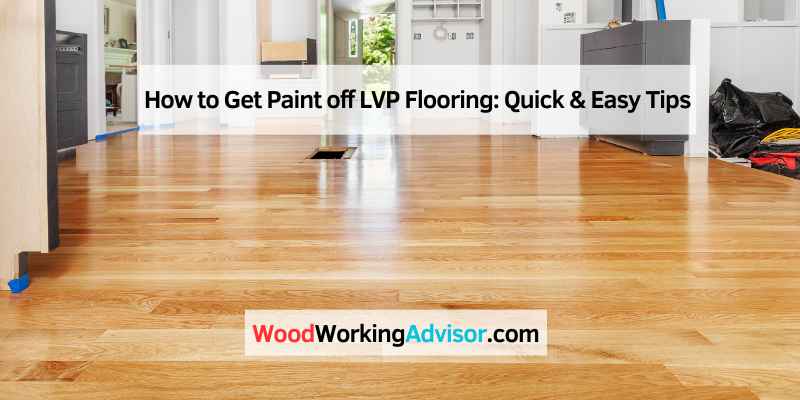
How to Get Paint off LVP Flooring: Quick & Easy Tips
To get paint off LVP flooring, use a wet rag to remove wet paint and hand sanitizer, ammonia, or acetone for dried paint. Avoid using steel wool or razor blades.
Dealing with paint spills on luxury vinyl plank (LVP) flooring can be a frustrating experience. Whether it’s a small splatter or a dried-up spill, knowing the right techniques to remove the paint without damaging the flooring is essential. Fortunately, with the right tools and methods, you can effectively tackle this issue and restore the pristine look of your LVP flooring.
In this guide, we’ll explore the most effective ways to remove both wet and dried paint from LVP flooring, ensuring that you can keep your floors looking their best.
Introduction To LVP Flooring And Paint Removal
Luxury Vinyl Plank (LVP) flooring has gained immense popularity due to its durability, water resistance, and low maintenance. However, paint spills on LVP flooring can be a common occurrence, posing a challenge for many homeowners. In this guide, we will explore the characteristics of LVP flooring and effective methods to remove different types of paint spills from it.
Characteristics Of LVP Flooring
LVP flooring is known for its resilience, making it suitable for high-traffic areas. It is available in a wide range of designs, mimicking the appearance of natural materials such as wood and stone. Additionally, LVP is relatively easy to install, making it a popular choice for DIY enthusiasts.
Common Types Of Paint Spills
When dealing with paint spills on LVP flooring, it’s important to consider the type of paint involved. Water-based paints, latex paints, and oil-based paints each require specific removal techniques to prevent damage to the flooring. Understanding the nature of the paint spill is crucial in determining the most effective removal method.
Preparation Steps Before Removing Paint
Before removing paint from LVP flooring, there are a few preparation steps to follow. First, lightly spray water on the dried paint and let it sit. Then, gently scrub off the overspray with a coarse rag or soft-bristled brush. Avoid using steel wool or a razor blade.
Another option is to mix equal parts white vinegar and warm water, and use a cloth to wipe away the paint. Avoid using abrasive cleaners or solvents that can damage the flooring.
Gathering Necessary Supplies
Before you start removing paint from your luxury vinyl flooring, it is essential to gather all the necessary supplies. These supplies include a wet rag, hand sanitizer, ammonia, acetone, a coarse rag or soft bristled brush, and a spray bottle. Make sure to have all the supplies within reach to avoid any inconvenience during the cleaning process.
Assessing The Type Of Paint Spill
It is essential to assess the type of paint spill on your luxury vinyl flooring before attempting to remove it. Latex paint spills are easier to remove than oil-based paint spills. You can remove latex paint spills with warm water and a mild soap solution. However, oil-based paint spills require a more robust approach. You may need to use acetone or ammonia to remove oil-based paint spills.
Protecting Your Flooring
It is crucial to protect your luxury vinyl flooring before attempting to remove paint spills. Avoid using harsh chemicals such as mineral spirits, turpentine, or paint thinners as they may damage your flooring. Additionally, avoid covering the floors with construction paper or plastic for extended periods of time, as this can cause discoloration.
Testing The Cleaning Solution
Before using any cleaning solution on your luxury vinyl flooring, it is essential to test it on an inconspicuous area. This will help you determine if the cleaning solution is safe to use on your flooring and prevent any discoloration or damage. Apply the cleaning solution on a small area and let it sit for a few minutes before wiping it away with a damp cloth.
Wearing Protective Gear
When removing paint from your luxury vinyl flooring, it is crucial to wear protective gear such as gloves and goggles. This will protect your skin and eyes from any harmful chemicals and prevent any accidents during the cleaning process.
In conclusion, preparing adequately before removing paint spills from your luxury vinyl flooring is essential to prevent any damage or discoloration. Gather all the necessary supplies, assess the type of paint spill, protect your flooring, test the cleaning solution, and wear protective gear before attempting to remove paint spills.
Safe Methods For Wet Paint Removal
To safely remove wet paint from LVP flooring, there are a few effective methods you can try. Using a wet rag, hand sanitizer, ammonia, or acetone can help remove the paint without damaging the floor. Additionally, you can mix equal parts white vinegar and warm water to create a vinegar solution to wipe away the paint.
Avoid using abrasive cleaners, steel wool, or strong solvents as they may cause damage to the flooring.
When it comes to getting paint off LVP flooring, it’s important to use safe methods that won’t damage the surface. In this section, we will explore two effective techniques for removing wet paint from your luxury vinyl plank (LVP) flooring. These methods are easy to implement and require simple household items.
Using A Wet Rag For Immediate Spills
If you have just spilled paint on your LVP flooring, immediate action is crucial to prevent it from drying and becoming harder to remove. Start by grabbing a clean, absorbent rag or cloth and dampening it with water. Gently blot the wet paint spill, being careful not to spread it around. Repeat this process until no more paint transfers onto the cloth.
If the paint has already dried, you can try loosening it by moistening the area with warm water and then using the wet rag to gently scrub the surface. This method is suitable for small paint spills or areas with thin layers of wet paint.
Applying Soapy Water
If the wet paint spill is larger or has had time to dry, using soapy water can be an effective solution. Here’s how you can do it:
- Mix equal parts of water, rubbing alcohol, and vinegar in a bucket or spray bottle.
- Add a few drops of dish soap to the solution and mix until soap suds begin to form.
- Dampen a clean cloth or sponge with the soapy water mixture.
- Gently scrub the affected area in circular motions, applying light pressure.
- Rinse the area with clean water and dry it thoroughly.
This mixture of water, rubbing alcohol, vinegar, and dish soap helps to dissolve the paint and lift it off the LVP flooring. It is safe to use on most types of LVP flooring, but it’s always a good idea to test the solution on a small, inconspicuous area first to ensure it doesn’t cause any discoloration or damage.
Remember, it’s important to act quickly when dealing with wet paint spills on your LVP flooring. The longer the paint sits, the harder it becomes to remove. By using a wet rag for immediate spills or applying soapy water for larger or dried paint spills, you can effectively and safely remove paint from your LVP flooring without causing any harm.
Techniques For Dried Paint Removal
Removing dried paint from your LVP flooring can be a challenging task, but with the right techniques, it can be done effectively. In this section, we will explore two effective methods for removing dried paint from your LVP flooring: Softening Paint with a Water Spray and Gentle Scrubbing with the Right Tools.
Softening Paint With A Water Spray
If you have dried paint on your LVP flooring, one of the easiest and safest ways to remove it is by softening it with a water spray. Here’s how you can do it:
- Fill a spray bottle with warm water.
- Spray the dried paint generously with the warm water.
- Allow the water to sit on the paint for a few minutes to soften it.
- Gently scrub the softened paint with a coarse rag or a soft-bristled brush.
- Continue spraying and scrubbing until the paint is completely removed.
Remember to avoid using steel wool or a razor blade, as these can damage your LVP flooring.
Gentle Scrubbing With The Right Tools
If the dried paint on your LVP flooring is stubborn and doesn’t come off easily with a water spray, you can try gentle scrubbing with the right tools. Here’s how you can do it:
- Mix equal portions of water, rubbing alcohol, and vinegar in a bowl.
- Add a few drops of dish soap to the solution and mix until soap suds begin to form.
- Apply the soapy solution to the dried paint using a soft cloth or sponge.
- Gently scrub the paint in a circular motion until it starts to loosen.
- Continue scrubbing until the paint is completely removed.
It’s important to note that harsh cleaners or chemicals such as mineral spirits, turpentine, or paint thinner should not be used on LVP flooring, as they can damage the finish. Additionally, avoid using abrasive cleaners, steel wool, or wax, as these can scratch and damage the protective wear layer of the flooring. Always opt for gentle cleaning methods to preserve the beauty and longevity of your LVP flooring.
By following these techniques for dried paint removal, you can effectively restore the pristine look of your LVP flooring without causing any damage or discoloration.
Natural Solutions For Paint Cleanup
Removing paint from luxury vinyl plank (LVP) flooring can be a daunting task, but there are natural solutions that can help. One effective method is to lightly spray water on the dried paint, let it sit for a few minutes, and then gently scrub it off with a coarse rag or soft-bristled brush.
Another option is to mix equal parts white vinegar and warm water, dip a cloth in the mixture, and use it to wipe away the paint until it’s completely gone. Avoid using harsh chemicals or abrasive cleaners that can damage your LVP flooring.
Paint spills are inevitable when you’re doing home renovation projects or DIY crafts. But don’t panic if you accidentally spill some paint on your luxury vinyl plank (LVP) flooring. There are natural solutions that you can use to clean up the mess without damaging your flooring. In this article, we will discuss some effective ways to remove paint from LVP flooring using natural ingredients.
Creating a Vinegar and Water Mixture
One of the easiest ways to remove paint from LVP flooring is by using a vinegar and water mixture. This solution is safe for your flooring and won’t cause any damage. Here’s how to do it:
1. Mix equal parts of white vinegar and warm water in a spray bottle.
2. Spray the solution onto the paint spill and let it sit for a few minutes.
3. Use a soft-bristled brush or a clean cloth to gently scrub the paint off the flooring.
4. Wipe the area with a damp cloth to remove any residue.
Rubbing Alcohol and Vinegar Technique
If the vinegar and water mixture doesn’t work, you can try the rubbing alcohol and vinegar technique. This solution is effective for removing dried paint from your LVP flooring. Here’s how to do it:
1. Mix equal parts of rubbing alcohol and white vinegar in a spray bottle.
2. Spray the solution onto the dried paint spill and let it sit for a few minutes.
3. Use a plastic scraper or a putty knife to gently scrape the paint off the flooring.
4. Wipe the area with a damp cloth to remove any residue.
Note: Avoid using steel wool or a razor blade as they can scratch and damage your LVP flooring.
Conclusion
Removing paint from LVP flooring can be a daunting task, but with these natural solutions, you can make the cleanup process easier and safer. Remember to test any cleaning solution on a small, inconspicuous area before using it on a larger area. If you’re unsure about the best approach for your specific flooring, consult with a professional.
Commercial Cleaners And LVP Floors
When it comes to maintaining the beauty of your luxury vinyl plank (LVP) flooring, using the right cleaners is essential. Commercial cleaners formulated specifically for LVP floors can help you effectively remove paint stains without causing damage.
Recommended Cleaners
- Look for pH-neutral cleaners designed for vinyl floors
- Choose cleaners specifically labeled safe for LVP flooring
- Consider mild soap and water solutions for gentle cleaning
Products To Avoid
- Avoid abrasive cleaners that can scratch the protective wear layer
- Steer clear of steel wool and wax that may damage the surface
- Avoid using acetone or strong solvents as they can stain vinyl floors
When cleaning paint off LVP flooring, always test a small, inconspicuous area first to ensure the cleaner is safe and effective. Remember to follow the manufacturer’s guidelines for cleaning and maintenance to prolong the life of your beautiful LVP floors.
Special Considerations For Stubborn Stains
When dealing with stubborn stains on LVP flooring, there are special considerations to keep in mind. Different methods can be employed to effectively remove tough paint stains from your luxury vinyl planks.
Using Hand Sanitizer
- Apply hand sanitizer on the stubborn paint stain.
- Gently rub the area with a soft cloth or sponge.
- Repeat the process until the paint starts to lift off.
Acetone: Pros And Cons
- Pros:
- Effective in removing tough paint stains.
- Fast-acting and can dissolve paint quickly.
- Cons:
- Can be harsh on LVP flooring if not used carefully.
- May cause discoloration or damage if left on for too long.
Always test the acetone on a small, inconspicuous area first to ensure it does not cause any damage to your LVP flooring. Use acetone sparingly and in a well-ventilated area to prevent any adverse effects.
Protecting Your LVP Flooring Post-cleanup
After cleaning paint off LVP flooring, it’s crucial to protect it from future damage. Use rugs or mats in high-traffic areas to prevent scratches and scuffs. Avoid using harsh chemicals like paint thinner or acetone, as they can damage the flooring.
Regular maintenance and gentle cleaning will help keep your LVP flooring looking great for years to come.
After-care Best Practices
After cleaning paint off your LVP flooring, it’s crucial to follow these best practices:
- Regularly sweep or vacuum to remove dirt and debris.
- Wipe up spills immediately to prevent stains.
- Use doormats at entrances to reduce tracking in dirt.
Preventing Future Paint Spills
To avoid future paint spills on your LVP flooring, consider these preventive measures:
- Use drop cloths or protective sheets when painting.
- Keep paint cans securely closed when not in use.
- Avoid placing open paint containers near the flooring.
Troubleshooting Common Issues
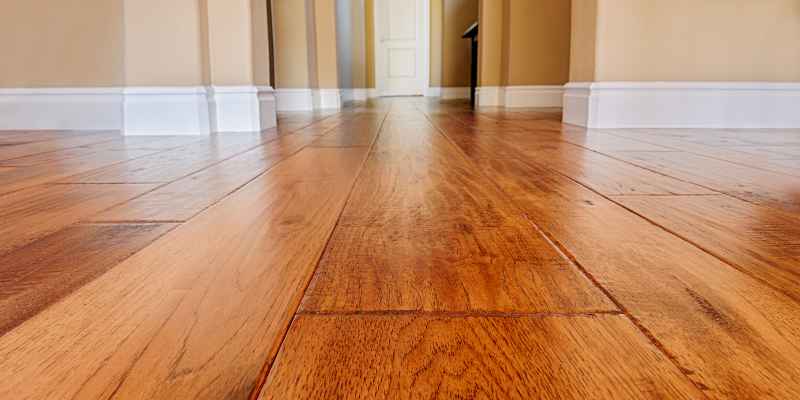
To remove paint from LVP flooring, use a wet rag to remove wet paint and hand sanitizer or ammonia for dried paint. Acetone can also be effective, but be cautious as it may damage the floor. Avoid using harsh chemicals like paint thinner or abrasive cleaners, as they can harm the flooring.
Dealing With Discoloration
If you encounter discoloration on your LVP flooring, try using a mixture of equal parts water, rubbing alcohol, and vinegar. Add a few drops of dish soap to create suds and gently scrub the affected area.
Scratch Repair Tips
To repair scratches on your LVP flooring, use a repair kit specifically designed for vinyl flooring. Follow the manufacturer’s instructions carefully to achieve the best results.
Remember, avoid using harsh chemicals or abrasive cleaners that can damage the finish of your LVP flooring. Regular maintenance and gentle cleaning methods can help preserve the beauty of your floors for years to come.
Conclusion: Maintaining Pristine LVP Flooring
To effectively remove paint from LVP flooring, try lightly spraying water on the dried paint and letting it sit before gently scrubbing it off with a coarse rag or soft-bristled brush. Avoid using steel wool or razor blades, as they may damage the flooring.
Another option is to mix equal parts white vinegar and warm water, dip a cloth in the mixture, and use it to wipe away the paint until it’s completely gone.
Maintaining LVP flooring can be a tedious task, especially when it comes to removing paint stains. However, with the right tools and techniques, you can keep your LVP flooring looking as good as new. From using a wet rag to remove wet paint to using acetone to remove dried paint, there are various methods to try. It is important to note that you should never use harsh chemicals or cleaners on your LVP flooring, as they can damage the protective wear layer.
Key Takeaways
- Use a wet rag to remove wet paint stains
- Apply hand sanitizer or rubbing alcohol to remove dried paint stains
- Do not use harsh chemicals or cleaners on LVP flooring
- Avoid abrasive cleaners, steel wool, and wax
Additional Resources
- Wichita Habitat: How to Get Paint off LVP Flooring
- The Nashonals: How to Get Paint off Vinyl Floor
- Off Grid Rising: How to Clean Paint off a Vinyl Floor
- Paint Talk: How to Remove Paint Spatter from Vinyl Floor
- Matt the Painter: The Safest Way to Remove Paint from Laminate Flooring
- AmbientTM Luxury Vinyl Plank Flooring Maintenance Instructions
- AP News: How to Clean Vinyl Plank Flooring like a True Professional
Frequently Asked Questions
How To Remove Dried Paint From LVP Floor?
To remove dried paint from LVP floor, apply hand sanitizer or ammonia, or use acetone. Gently scrub with a wet rag or use a scrubby for best results. Avoid using steel wool or razor blades to prevent damage. Avoid harsh chemicals like paint thinner or acetone to prevent staining or damage.
How Do You Get Dried Paint Off Laminate Flooring?
To remove dried paint off laminate flooring, use a wet rag or hand sanitizer to soften the paint. Then gently scrub with a coarse rag or soft-bristled brush. For tougher paint, mix water, rubbing alcohol, vinegar, and dish soap to create a solution that can lift the paint.
Avoid using harsh chemicals or abrasive cleaners.
Will Paint Thinner Ruin LVP Flooring?
Paint thinner should not be used on LVP flooring as it can damage the finish. Avoid using harsh chemicals or cleaners, such as mineral spirits or turpentine, as they may cause harm. Instead, use gentle methods like water, vinegar solutions, or mild commercial cleaners to clean LVP flooring.
Does Acetone Damage LVP?
Acetone can damage LVP flooring, so it’s best to avoid using it for paint removal.
Conclusion
Removing paint from LVP flooring requires careful attention and the right tools. Whether it’s wet or dried paint, there are various methods to tackle the issue, from using hand sanitizer to acetone. Always test a small area first and avoid harsh chemicals that could damage the flooring.
By following these tips, you can effectively restore the beauty of your LVP flooring.