What You Can (and Can’t) Use to Clean Hardwood Floors
Short version: skip both dish soap and full-strength Pine-Sol for regular hardwood mopping. Dish soap is alkaline and leaves a sticky, slippery residue on polyurethane finish; original Pine-Sol is also too strong and alkaline for finished wood unless heavily diluted, and it’s outright unsafe on wax, shellac, or unfinished floors. A pH-neutral hardwood cleaner (Bona is the most common brand) is the manufacturer-recommended default for both.
Quick Answer
Neither dish soap nor original Pine-Sol is the manufacturer-recommended way to clean hardwood floors. Dish soap’s alkaline pH breaks down polyurethane finish over repeated use and leaves a residue that turns slippery once damp. Pine-Sol is also alkaline and, on shellac, wax, or unfinished wood, can cause discoloration or damage — even on sealed polyurethane it should be heavily diluted and used sparingly. A pH-neutral hardwood cleaner (Bona is the most common) is the safer default for routine mopping; diluted white vinegar is a reasonable natural alternative.
Why Dish Soap Isn’t Recommended for Hardwood
- pH mismatch: dish soap is alkaline; most hardwood finishes pair better with a neutral or slightly acidic cleaner. Repeated alkaline exposure gradually breaks down the finish, leaving it dull or hazy.
- Residue buildup: dish soap is formulated to cut grease and doesn’t rinse away cleanly from a floor the way it does from a plate. Leftover residue feels tacky underfoot and gets slippery again once it picks up any moisture — a real fall risk.
- Warranty risk: most hardwood flooring warranties specify approved cleaning products. Using an unapproved cleaner like dish soap can technically void a floor’s warranty if damage is later traced back to it.
📊 The safe dilution ratio for an occasional dish soap mop is about 1 teaspoon per gallon of water — Source: Kitchen Surfing floor cleaning guide
Can You Use Pine-Sol on Hardwood Floors?
Only with caution, and not as a daily cleaner. Original Pine-Sol is a solvent-and-surfactant cleaner formulated for sealed, hard surfaces like tile and finished hardwood — but it’s still alkaline and considerably stronger than a purpose-made wood floor cleaner. Whether it’s safe on your floor depends almost entirely on the finish:
| Floor Finish | Pine-Sol Compatibility | Why |
|---|---|---|
| Polyurethane (most common) | Diluted only, occasional use | Durable and chemical-resistant, but repeated alkaline exposure can still dull it over time |
| Varnish | Not recommended | More sensitive to strong cleaners than polyurethane; can yellow or degrade faster |
| Shellac or wax finish | Avoid entirely | Shellac is water/alcohol-sensitive; Pine-Sol’s solvents can strip or cloud it |
| Unfinished or oiled wood | Avoid entirely | Bare wood absorbs the liquid directly, risking swelling, staining, and warping |
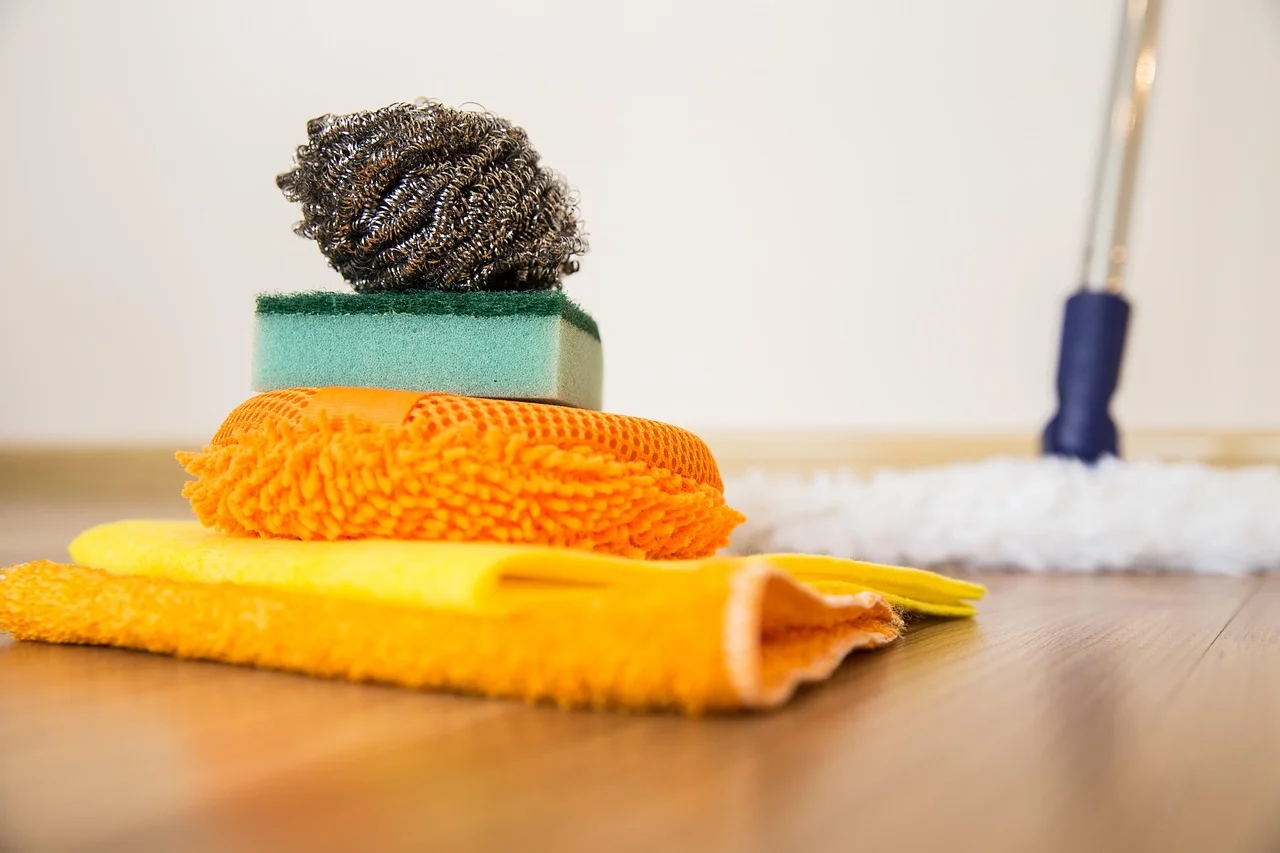
If you decide to use it on a sealed polyurethane floor: dilute well below full strength (follow the bottle’s ratio, then err lighter), spot-test in a hidden area like a closet corner, mop with a well-wrung microfiber mop rather than a soaking one, and never let it sit or pool. Never mix Pine-Sol with bleach or other cleaners — the combination produces dangerous fumes. If you see dulling, discoloration, or a hazy film after cleaning, stop using it immediately; that’s a sign the finish is reacting badly.
What to Use Instead
| Cleaner | Why It Works | Notes |
|---|---|---|
| pH-neutral hardwood cleaner (e.g. Bona) | Formulated specifically to pair with polyurethane and other wood finishes — no rinse needed, no residue | The manufacturer-recommended default for most engineered and solid hardwood |
| White vinegar + water (1:3 ratio) | Mildly acidic, cuts grime without the alkaline residue problem of dish soap or Pine-Sol | Use sparingly — frequent vinegar use can dull some finishes over years of repeated exposure |
| Murphy’s Oil Soap | Widely used, gentler formulation than dish soap or Pine-Sol | Still follow manufacturer dilution — overuse can leave its own light residue |
| Dish soap or diluted Pine-Sol (occasional only) | Both work in a pinch for a one-off deep-clean on a sealed floor | Not for regular use — rinse with a clean water mop pass afterward |
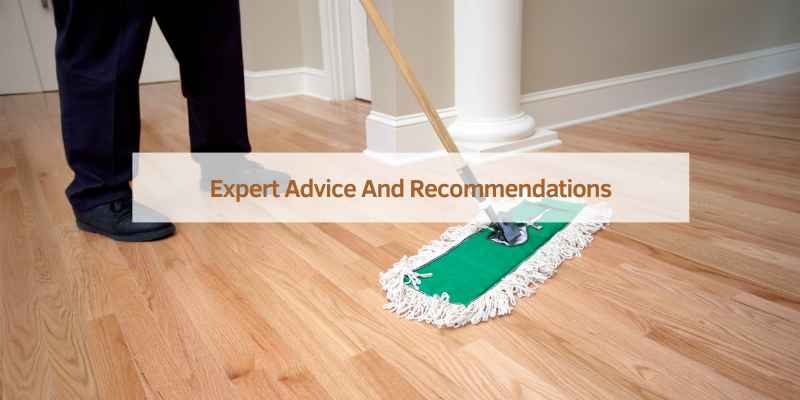
If You Must Use Dish Soap or Pine-Sol Once
- Sweep or vacuum first: clear loose dirt and grit so it doesn’t get ground into the finish while mopping.
- Dilute well: about 1 teaspoon of dish soap per gallon of warm water, or Pine-Sol diluted per the bottle’s ratio (then lighter if unsure) — the goal is barely-there suds, not visible bubbles.
- Spot-test first if using Pine-Sol: apply diluted solution to a hidden area, wait a few hours, and check for dulling or discoloration before doing the whole floor.
- Wring the mop until just damp: standing water is the bigger risk to the wood itself than the soap.
- Follow with a clean-water rinse pass: a second mop pass with plain water removes residue before it dries.
- Dry immediately: go over the floor with a dry microfiber cloth or mop right after — don’t let it air-dry.
Routine Care That Actually Protects Hardwood
Most day-to-day hardwood damage comes from grit and moisture, not the choice of soap. Sweep or vacuum regularly to keep grit from scratching the finish, wipe up spills immediately, and reserve wet mopping — with whichever cleaner — for occasional deeper cleans rather than a daily routine.
Frequently Asked Questions
Can you mop wood floors with Dawn dish soap?
Not as a regular routine — Dawn and other dish soaps are alkaline and can dull the finish and leave a slippery residue over time. If used, dilute heavily (about 1 teaspoon per gallon), keep the mop just damp, and follow with a clean-water rinse pass.
Is Pine-Sol safe to clean hardwood floors?
It depends on the finish. Sealed polyurethane floors can usually tolerate a well-diluted, occasional Pine-Sol mop after a spot test, but shellac, wax, and unfinished wood should never be cleaned with it. It’s not a manufacturer-recommended daily cleaner for any hardwood finish.
What is the best thing to mop hardwood with?
A pH-neutral hardwood floor cleaner (Bona is the most common) is the manufacturer-recommended standard — it needs no rinsing and leaves no residue. A diluted white vinegar solution (1 part vinegar to 3 parts water) is a reasonable natural alternative for occasional use.
What is the best homemade floor cleaning solution?
White vinegar diluted 1 part to 3 parts water is the most reliable homemade option — it’s mildly acidic rather than alkaline, so it doesn’t carry the same residue and finish-breakdown risk as dish soap or Pine-Sol.
Can I clean hardwood with just water?
Yes, for light dust and dirt — a barely damp mop with plain water is safe. It won’t cut grease or grime as effectively as a proper cleaner, and standing water should always be avoided regardless of what’s in it.
Conclusion
Neither dish soap nor original Pine-Sol is the right regular cleaner for hardwood floors — both are alkaline enough to work against most finishes over time, and Pine-Sol carries added risk on shellac, wax, or unfinished wood. Switch to a pH-neutral hardwood cleaner or diluted white vinegar for routine mopping, and save either product for a rare, heavily diluted, spot-tested deep clean followed by a clean-water rinse.
Sponsored / affiliate links. As an Amazon Associate I earn from qualifying purchases. I may earn additional commission from eligible campaigns.