How to Get Ring Marks Out of Wood: White, Black & Oily Rings
A ring mark on wood can be fixed without refinishing only if it is still in the finish. White, hazy rings are trapped moisture and often buff out with a mild abrasive or a light alcohol wipe, but black rings mean water reached bare wood and need oxalic acid. Rings from silicone polish, grease or vinegar need their own treatment. This guide gives you a 30-second diagnosis and the right fix for each one.
Which Ring Do You Have? Diagnose Before You Rub
Best Ring Mark Restorer Pick
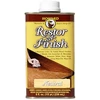 |
Howard Neutral Restor-A-Finish (8 oz), $16.48 A wipe-on restorer made for the white heat and water rings this guide treats first, once you have confirmed the ring sits in the finish and not in the wood.
|
As an Amazon Associate we earn from qualifying purchases.
Most failed ring repairs come from using the right fix on the wrong ring. Baking soda, toothpaste and mayonnaise only work on damage that lives in the finish. A dark ring has already gone past it. Look at the color first, then match it to the table.
| What you see | Likely cause | Where the damage is | Try first |
|---|---|---|---|
| White or cloudy ring, no change in wood color | Hot or wet cup, trapped moisture | Inside the finish | Wait 24 hours, then a mild abrasive or alcohol wipe (shellac only) |
| Dull ring that wipes partly clean with solvent | Silicone polish or wax buildup | On top of the finish | Mineral spirits or naphtha on a cloth |
| Dull, slightly rough ring where something acidic sat | Vinegar, citrus or other acid etching the finish | Surface of the finish | Treat like a white ring, then re-wax |
| Dark, oily-looking ring | Grease or oil soaking in | Finish and wood surface | Degrease, then restorer or touch-up |
| Black or dark gray ring that stays dark when wet | Water or iron reaching bare wood | In the wood fibers | Oxalic acid, then refinish the spot |
Water is the usual culprit, and our guide to removing water rings from wood goes deeper on that one cause. This page covers the full range of ring types so you can tell which one you are dealing with.
The 30-second finish test
Your fix depends on the finish as much as the ring. Dab a little denatured alcohol on a cotton swab and touch a hidden spot, such as the underside of the table. If the finish turns tacky within a few seconds, it is shellac, which is the most sensitive to both water and alcohol. If nothing happens, it is more likely a varnish or polyurethane, which resist alcohol and take longer to damage but are harder to blend when they do.
Shellac softens in a few seconds under denatured alcohol, which is why it is the easiest finish to repair and the easiest to ruin. Source: Sawmill Creek finishing discussion
How to Remove White Ring Marks From Wood
White rings are the good news. The moisture is trapped inside the finish film, so you are repairing a coating, not the wood. Work from the gentlest method upward and stop as soon as the ring fades.
- Wait first. Leave the ring alone for a day or two in a dry room. Many faint rings fade as the trapped moisture escapes.
- Wipe and dry. Clean the spot with a barely damp cloth, then dry it, so you are not rubbing grit into the finish.
- Rub with a mild abrasive. Mix plain white, non-gel toothpaste with a pinch of baking soda. Rub with a soft cloth along the grain for about 30 seconds, wipe clean, and check. Do not keep scrubbing, because the abrasive also dulls the sheen.
- Try the alcohol wipe on shellac only. Dampen, not soak, a soft cloth with denatured alcohol and pad the ring lightly. It re-melts the top of the shellac so the film re-levels as it dries. Skip this on varnish or polyurethane.
- Use a restorer. Apply a neutral finish restorer with a soft cloth or 0000 steel wool, following the label, then buff and finish with paste wax to even out the sheen.

What about mayonnaise, petroleum jelly and a hair dryer?
These are the classic home fixes, and they sometimes work, but they are less reliable than they sound. Mayonnaise and petroleum jelly are mostly oil. Left on overnight, they can fill the haze and make it less visible, but they do not repair the finish, and they leave a residue you must clean off. A hair dryer on low gives warm air that can help trapped moisture escape, but it should stay several inches away and keep moving. Heat softens shellac and lacquer and can blister any finish, so treat it as a last resort, and never use an iron or steam on veneer.
How to Remove Black Ring Marks From Wood
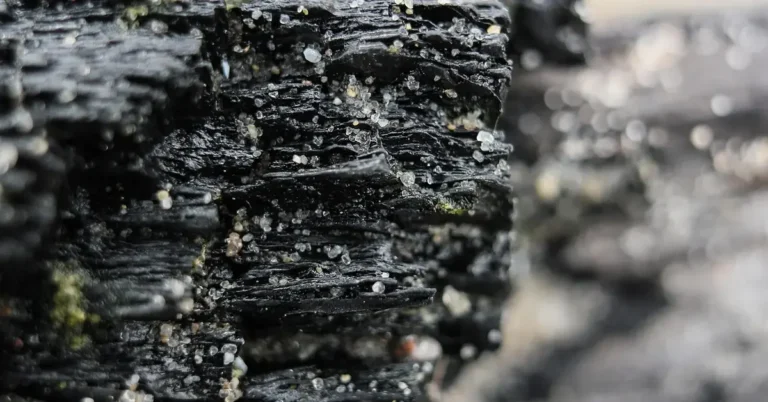
A ring that is dark, black or gray and stays dark when you wipe it is not a finish problem. Water got through the finish and reacted with the wood. On tannin-rich woods like oak, contact with iron makes the stain turn black. Baking soda and toothpaste will not touch it, and trying them just wears through the finish around the ring.
Oxalic acid targets iron stains while having very little effect on wood color. Source: WoodWeb knowledge base, Removing Black Stains from Oak
- Remove the finish over the ring. Use a finish stripper or sand just the spot down to bare wood, working with the grain.
- Bleach the stain with oxalic acid. Mix the crystals with warm water to the strength on the package, brush it on, and let it dry fully. Repeat if the ring is only partly lighter.
- Neutralize it. Wipe the area with a cloth dampened with a mild baking soda and water solution, then with clean water, and let the wood dry completely.
- Sand smooth. Finish with 180 to 220 grit so the bleached spot blends with the surrounding wood.
- Refinish the spot. Match the original finish, apply thin coats, and blend the edges.
Safety: oxalic acid is toxic. Wear chemical-resistant gloves, goggles and a respirator rated for dust or fumes, work with fresh air moving, and keep it away from kids and pets. Rinse and follow the product label and local rules for disposal.
If the dark ring is on a table you care about, test the method on the underside first. A very deep ring can leave a slightly lighter patch after bleaching, which is easier to hide with a toner or gel stain than to explain later.
Rings That Are Not Water Marks
Some of the questions we get about ring marks are not about water at all, and the wrong fix makes them worse.
Rings left by silicone polish or wax buildup
If you used a spray polish and a ring or smear showed up afterward, the problem is buildup sitting on the finish, not damage in it. Wipe with a cloth dampened with mineral spirits or naphtha, following the can safety directions, to lift the wax and silicone. Test a hidden spot first. Silicone also causes fisheye defects if you refinish later, so clean it off completely before touching up. For a better long-term product, see our picks for the best wood polish.
Vinegar, citrus and other acid rings
Acids etch the finish, leaving a dull, slightly rough ring. If the finish is intact underneath, treat it like a white ring with a mild abrasive, then wax. If it feels rough or sticky, the finish has been eaten through and needs a spot recoat.
Grease and oil rings
Oil soaks into the finish and darkens it. Blot first, then clean with a mild degreaser or mineral spirits on a cloth. If a faint shadow remains after it dries, a restorer or a light wax coat usually evens it out.
When to Stop and Refinish the Surface
- The ring is black and survived a full oxalic acid treatment.
- The finish around the ring is cracked, crazed or peeling, so a spot repair would not hold.
- Veneer is lifting or bubbling.
- You have already rubbed the same ring three or four times with no change.
- Several rings overlap across a tabletop, and blending a patch would look worse than redoing the top.
Past that point, repeated rubbing only thins the finish. A full refinish, or a call to a furniture refinisher for an antique, is the better move. Our guide to repairing a furniture finish covers scratches and haze that often come with rings.
How to Stop Ring Marks Coming Back
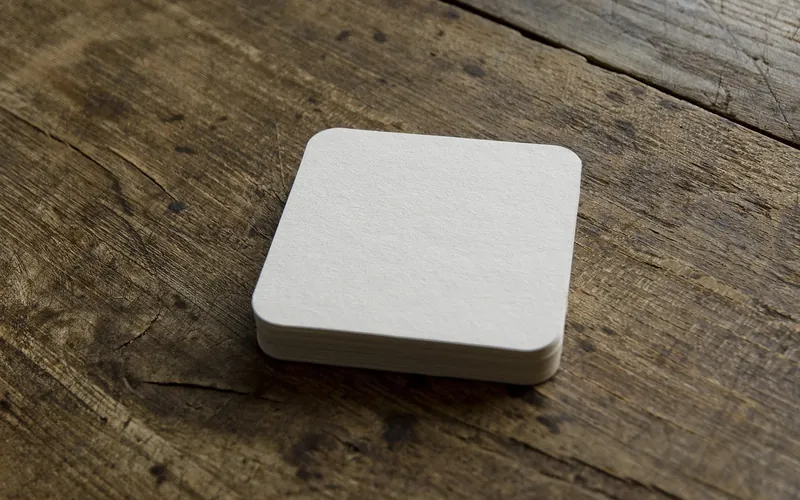
- Coasters and trivets everywhere: keep them where people actually set drinks, not in a drawer.
- Wipe condensation fast: a glass sweating on a table for hours is a slow water ring.
- Use a pad under hot dishes: a trivet or heat-resistant pad protects shellac and lacquer especially.
- Re-wax high-use tables: a coat of paste wax a couple of times a year gives spills a barrier and makes the next ring easier to buff out.
- Choose wax-free, silicone-free polish: it avoids the buildup rings covered above.
For routine care that keeps the finish healthy in the first place, see our guide to caring for wood furniture and the wider wood care and protection guide.
Frequently Asked Questions About Ring Marks on Wood
Do white rings on wood go away on their own?
Sometimes. A faint white ring is moisture trapped in the finish, and it can fade over a few days as that moisture escapes, especially in a dry room. Give it a day or two before you rub anything. A ring that has not changed after that wait needs one of the gentle fixes above.
Does toothpaste really get ring marks out of wood?
It can, but only on white rings inside the finish. Plain white, non-gel toothpaste is a mild abrasive, so it polishes away surface haze. It also dulls the sheen if you rub too long, and it does nothing for a black ring, because the stain sits below the finish in the wood.
How do you remove black ring marks from a wood table?
A black ring means water or iron contact reached bare wood. Remove the finish over the ring, brush on oxalic acid wood bleach, let it dry, neutralize it with a baking soda and water rinse, then sand lightly and refinish the spot. Wear gloves, goggles and a respirator while you work.
What removes rings left by silicone furniture polish?
Wipe the surface with a cloth dampened with mineral spirits or naphtha. Those solvents dissolve built-up wax and silicone that water and household cleaners leave behind. Test a hidden spot first, and stop if the finish softens. Switch to a wax-free, silicone-free polish afterward.
Can you get a ring mark out of veneer?
Often yes, but be gentler. Veneer is a thin layer glued over a core, so heat and extra moisture can lift it. Start with the dry, low-risk fixes, avoid irons and steam, and call a refinisher if the veneer bubbles or the ring has gone dark.
Conclusion
Match the fix to the ring: wait and gently buff white rings, clean off buildup before you blame water, and treat black rings as bare-wood stains that need oxalic acid and a spot refinish. Test every method on a hidden spot first, and stop as soon as the ring fades. Rubbing longer than the ring needs is how a small mark becomes a dull patch.
Sponsored / affiliate links. As an Amazon Associate I earn from qualifying purchases. I may earn additional commission from eligible campaigns.