Is Murphy Oil Soap Safe for Pets? Only Diluted
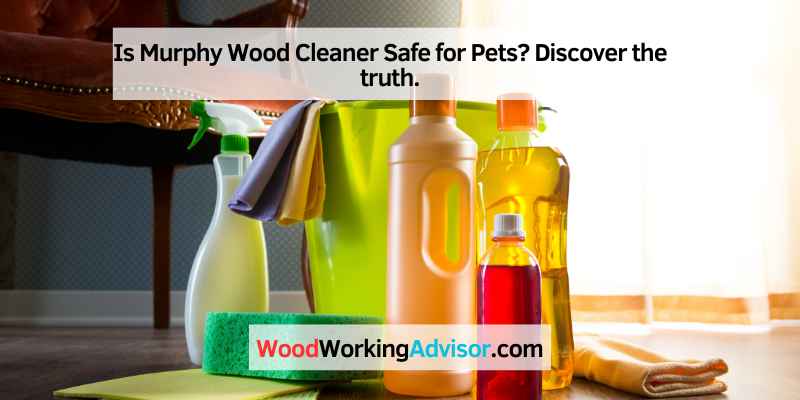
Murphy’s Oil Soap is generally low-risk for pets if licked in small amounts — it’s an anionic surfactant (sodium tallate soap), the mildest category, typically causing brief drooling or minor stomach upset rather than serious harm. The real hazard is the undiluted concentrate: it contains 1-5% sodium hydroxide (lye) per the manufacturer’s safety data sheet, which can genuinely irritate skin, eyes, and the mouth on direct contact. This guide covers what’s actually in the bottle, what to realistically expect if a pet licks a cleaned floor or the concentrate itself, and when to call poison control.
Quick Answer
Diluted Murphy’s Oil Soap on a dry, rinsed floor is low-risk for pets. Keep pets off wet floors, keep the concentrated bottle out of reach, and if a pet licks the undiluted product or a large amount, call ASPCA Animal Poison Control at (888) 426-4435 or Pet Poison Helpline at (855) 764-7661.
What’s Actually In Murphy’s Oil Soap
Per the manufacturer’s current safety data sheet, Murphy’s Oil Soap Wood Cleaner is mostly water (70-90%) with sodium tallate (10-20%, the soap itself, made from vegetable/animal fats), sodium hydroxide (1-5%, used to make the soap and left in trace amounts), and a small amount of citronella oil for scent. It does not contain harsh solvents or bleach.
📊 Sodium hydroxide is present at 1-5% concentration in the current formula — enough to cause real skin/eye irritation from the undiluted concentrate, but this is diluted to a small fraction of that once mixed with water for floor cleaning per label directions. Source: Murphy Oil Soap manufacturer SDS.
What Happens If A Pet Licks Or Ingests It
According to ASPCA veterinary toxicology guidance, household surfactants fall into two very different risk categories. Murphy’s Oil Soap is an anionic surfactant (soap-based) — this category typically causes only mild, self-limiting gastrointestinal upset if licked or ingested: some drooling, occasional vomiting, mild stomach discomfort. This is a different, much lower risk tier than cationic surfactants (found in some disinfectant cleaners), which can cause real burns to the mouth, throat, and stomach and are far more dangerous, especially to cats.
That said, licking the undiluted concentrate straight from the bottle is a different situation than licking a floor cleaned and dried with the diluted solution — the sodium hydroxide content makes the concentrate itself capable of causing real irritation to the mouth and throat. If your pet gets into the bottle directly, don’t induce vomiting; offer a small amount of water or milk to dilute it, and call ASPCA Animal Poison Control at (888) 426-4435 or Pet Poison Helpline at (855) 764-7661 for guidance specific to your pet’s size and how much was ingested.
- Wet floor, small lick: Low risk — watch for brief drooling or mild stomach upset.
- Undiluted concentrate from the bottle: Higher risk of mouth/throat irritation — call poison control.
- Any sign of repeated vomiting, difficulty breathing, or drooling that doesn’t stop: Contact your vet or poison control immediately regardless of how much was involved.

How To Use It Safely Around Pets
- Keep pets out of the room while cleaning and while the floor is wet.
- Dilute exactly as the label directs — don’t apply the concentrate straight to the floor.
- Let the floor air-dry completely before letting pets back in; residue on a still-damp floor is the main realistic exposure path.
- Store the bottle out of reach — on a shelf or in a cabinet with a latch, not on the floor or a low counter.
- If in doubt, rinse: a plain water pass after cleaning removes any leftover residue, especially useful for households with pets prone to licking floors.
Pet-Safe Alternatives If You’d Rather Not Risk It
If you want one less thing to think about with pets in the house, a purpose-made hardwood floor cleaner skips the dilution step and the sodium hydroxide entirely. Bona Hardwood Floor Cleaner is a common pick — it’s pH-neutral, used ready-to-spray (no dilution math), and doesn’t need rinsing.
Pet-Household Floor Cleaner Pick
Bona Hardwood Floor Cleaner Refill
Ready-to-use, no dilution required, and doesn’t need rinsing before pets are let back on the floor.
- Best for: Households wanting one less safety step to manage around pets
- Why we picked it: pH-neutral, no lye, used at full strength as directed
- Main drawback: Costs more per use than a diluted Murphy’s Oil Soap solution
As an Amazon Associate we earn from qualifying purchases.
Frequently Asked Questions
Is Murphy’s Oil Soap Safe For Pets?
Diluted and used on a floor that’s been allowed to fully dry, yes — it’s low risk. The undiluted concentrate is more concerning due to its sodium hydroxide content, so keep the bottle itself out of reach and don’t let pets on wet floors.
Is Murphy’s Oil Soap Non-Toxic?
It’s not labeled non-toxic — the current formula contains 1-5% sodium hydroxide per its safety data sheet, which can irritate skin and eyes at full strength. Diluted for floor cleaning and fully dried, real-world exposure risk to pets is low, but the product isn’t marketed or formulated as a pet-safe product.
What Should I Do If My Dog Or Cat Licks Murphy’s Oil Soap?
For a small lick off a dried, cleaned floor: watch for brief drooling or mild stomach upset, which typically resolves on its own. For the undiluted concentrate straight from the bottle: don’t induce vomiting, offer a small amount of water, and call ASPCA Animal Poison Control at (888) 426-4435 or Pet Poison Helpline at (855) 764-7661.
When Should You Not Use Murphy’s Oil Soap?
Avoid it on water-based polyurethane finishes, where it can leave a dulling residue. Around pets, avoid applying it undiluted, and keep pets off the floor until it’s completely dry.
Conclusion
Murphy’s Oil Soap is a mild, anionic-surfactant soap — low risk for pets in its diluted, dried form, with the real caution being the undiluted concentrate’s sodium hydroxide content. Store the bottle out of reach, keep pets off wet floors, and know the poison control numbers above if your pet ever gets into the bottle directly.
Sponsored / affiliate links. As an Amazon Associate I earn from qualifying purchases. I may earn additional commission from eligible campaigns.