How to Install Hydronic Radiant Floor Heating: Expert Guide
Imagine stepping onto your hardwood floors and feeling a gentle warmth beneath your feet, creating a cozy atmosphere throughout your home. Installing hydronic radiant floor heating under hardwood can transform your living space into a haven of comfort and efficiency.
You might be wondering how to make this dream a reality without breaking a sweat. Don’t worry; we’re here to guide you through the process with simple steps and expert tips. Have you ever thought about how much time you spend trying to keep your home warm during the cold months?
What if there was a way to maintain an even, comfortable temperature without bulky radiators or noisy forced-air systems? Hydronic radiant floor heating offers a solution that not only enhances your home’s aesthetic appeal but also boosts energy efficiency. You’ll discover how to install hydronic radiant floor heating under hardwood with ease and confidence. We will break down each step, ensuring you have all the knowledge you need to make informed decisions. By the end, you’ll be equipped to enjoy a warm, inviting space that feels luxurious every time you step inside. Get ready to change the way you experience comfort at home.
Credit: www.youtube.com
Benefits Of Hydronic Radiant Floor Heating
Hydronic radiant floor heating is quiet and efficient. It uses hot water to warm floors. This system is hidden under the floor. It provides even warmth in every room. Cold spots are reduced, making it cozy. No need for air ducts or vents. This keeps the air clean and fresh. It is perfect for people with allergies. The system uses less energy than traditional heating. This helps save on energy bills. Hardwood floors stay warm and comfortable. It’s a great choice for winter months.
Installation might take time, but it is worth it. Enjoy warm floors and lower bills. Hydronic heating is a smart choice for homes. It adds value and comfort. Families will love the warm, cozy feeling.
Essential Tools And Materials
Installing hydronic radiant heating needs special tools. A drill is essential for making holes. A saw is needed to cut the wood. A measuring tape helps in accurate placement. Pipes and manifolds are used for water flow. A pipe cutter trims pipes to size. Screws and nails are used to secure the setup. Thermostats control the temperature. Insulation boards keep the heat from escaping. Always have safety goggles to protect your eyes. Gloves keep your hands safe. A level ensures everything is even. Keep these tools ready before starting.
Planning The Layout
Check if your floor is compatiblewith radiant heating. Hardwood floors must be stable. Look for any weak spots. The structure must be strong. This prevents damage. Measure the floor area. This helps with planning.
Know how much heatyou need. Consider room size. Big rooms need more heat. Think about insulation. Poor insulation means more heat is needed. Use a heat calculator. This tool helps you plan better.
Plan how tubes will go under the floor. Create a clear pattern. Even spacing is key. It ensures even heat. Avoid tight bends. This keeps water flowing well. Draw your pattern on paper. It helps to avoid mistakes later.
Preparing The Installation Area
Preparing the installation area ensures efficient hydronic radiant floor heating under hardwood. Clear the space and remove debris for a smooth setup. Ensure the surface is level and dry for optimal performance and longevity.
Insulating The Subfloor
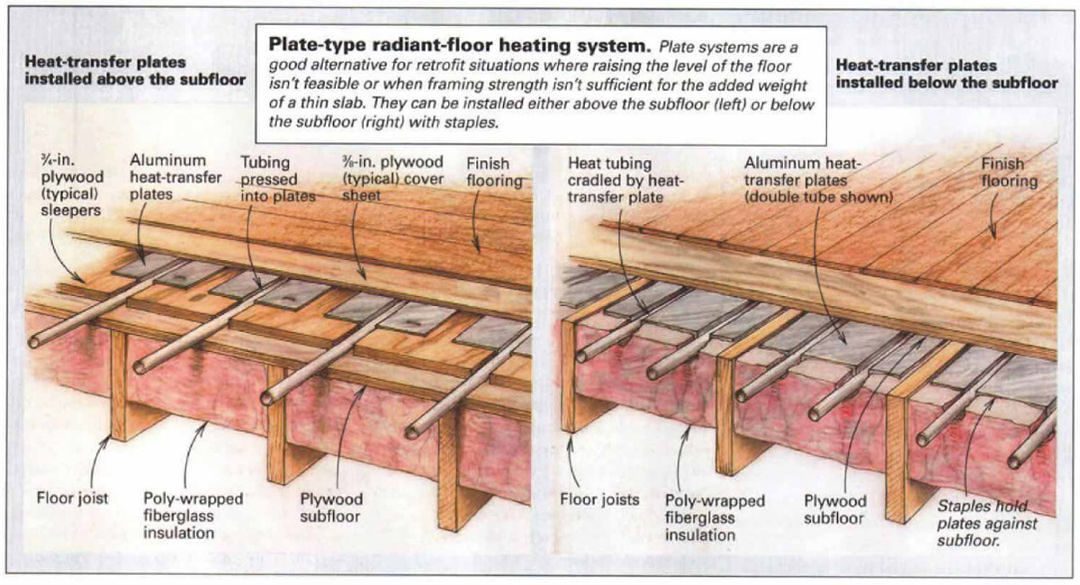
Insulation keeps heat where it should be. It goes under the subfloor. It stops heat from escaping downward. Choose materials that resist heat loss. Foam boards work well. They are easy to cut and fit. Make sure they cover the entire area. No gaps should be left. Gaps let heat escape. Use tape to seal seams if needed. This ensures a tight fit. Insulation saves energy and money. It makes heating efficient.
Installing Vapor Barriers
Vapor barriers protect floors from moisture. Water can damage wood. Lay a plastic sheet over the insulation. It blocks moisture from below. Cut the sheet to fit the area. Overlap edges by a few inches. Tape the seams tightly. This keeps moisture out. A vapor barrier is crucial for wood floors. It prevents mold and rot. Keep the floor dry and safe. This ensures a long-lasting floor.
Installing The Tubing System
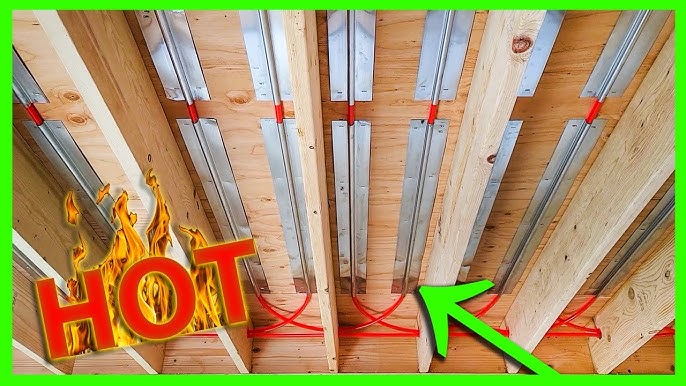
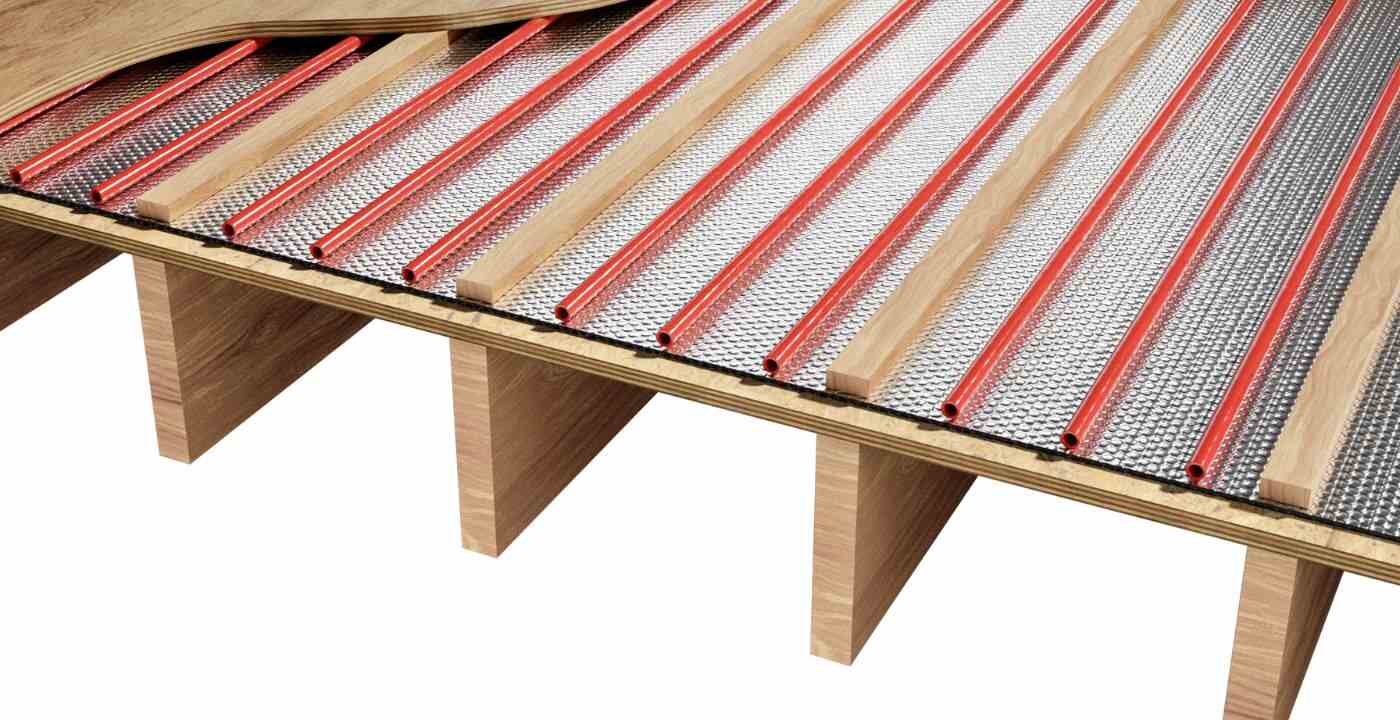
First, lay the tubing on the subfloor. Make sure it’s in the right pattern. Keep the tubes spaced evenly. Use staples or clips to hold them. This keeps the tubing from moving. Be gentle to avoid damaging the tubes. Check each tube is secure before moving to the next step. It’s important for the heating to work well.
Attach each tube to the manifold carefully. Match the tubes to the right ports. Tighten the connections well. This stops leaks. Once all tubes are connected, check for leaks. Use a pressure test if needed. Proper connection ensures even heating. Check everything is secure before starting the system.
Credit: www.greenwavedist.com
Setting Up The Heat Source
Picking the right boileris important for heating. Boilers come in different types. Electric, gas, and oil are common. Each has its own benefits. Electric is clean and easy to use. Gas is efficient and fast. Oil boilers are reliable and strong. Think about your home sizeand needs. Check costs and energy use. This helps in making a smart choice.
Begin with placing the boilerin a safe spot. Ensure it is away from children. Connect the boiler to the main water line. Use pipes that can handle hot water. Install the pumpnext. It pushes hot water through the pipes. Make sure the pump is strong enough. Check for any leaks in the system. Tighten connections if needed. Test everything before using.
Testing And Adjusting The System
Pressure Testing the Tubingensures the system is safe. Fill the tubes with water. Check for leaks. Look at the pressure gauge. Make sure it stays steady. If you see drops, find the leak. Fix it before moving on.
Adjusting Temperature Controlsis the next step. Start by setting the thermostat. Choose a comfortable heat level. Check the floor temperature. Make adjustments for even warmth. Watch how the system responds. Keep testing until you’re happy.

Credit: geminifloors.com
Maintenance Tips
Keep a regular inspection schedule for your heating system. Check for leaks in the pipes. Ensure the thermostat works properly. Clean the system filters to prevent blockages. Look for any unusual noises or vibrations. These signs could mean a problem. Regular checks help avoid bigger issues.
Notice cold spots on the floor? This could be a circulation issue. Check if the pump is working. Sometimes, the valves need adjustment. Leaks can cause water stains on the floor. Inspect the pipes for any damage. If the system won’t start, check the power supply. Ensure all connections are tight.
Frequently Asked Questions
How Does Hydronic Radiant Floor Heating Work?
Hydronic radiant floor heating uses hot water to heat your floors. Water flows through tubes beneath the hardwood, distributing warmth evenly. This system is efficient and provides consistent heat. It’s a popular choice for those seeking energy-efficient home heating solutions.
Can You Install Radiant Heating Under Hardwood?
Yes, you can install radiant heating under hardwood floors. It’s important to choose suitable wood and follow proper installation guidelines. Consider wood types like engineered hardwood. They are more stable and less prone to warping from heat and moisture.
What Are The Benefits Of Radiant Floor Heating?
Radiant floor heating offers even warmth, reduces allergens, and is energy-efficient. It eliminates the need for radiators or vents, providing more space. This system is silent and requires less maintenance compared to traditional heating systems.
Is Hydronic Heating Energy-efficient?
Yes, hydronic heating is highly energy-efficient. It distributes heat evenly and reduces energy waste. Its efficiency can lower your utility bills. Using a programmable thermostat can enhance its energy-saving capabilities, making it an eco-friendly choice for heating.
Conclusion
Installing hydronic radiant floor heating under hardwood is rewarding. It offers comfort and energy efficiency. Follow the steps carefully for a successful installation. Start by planning your layout. Gather all necessary tools and materials. Ensure proper spacing for the pipes.
Test the system before laying the hardwood. This prevents any future issues. Always follow safety guidelines during installation. Proper insulation is key for efficiency. With these tips, you can enjoy a cozy home. A warm, inviting space for years to come.