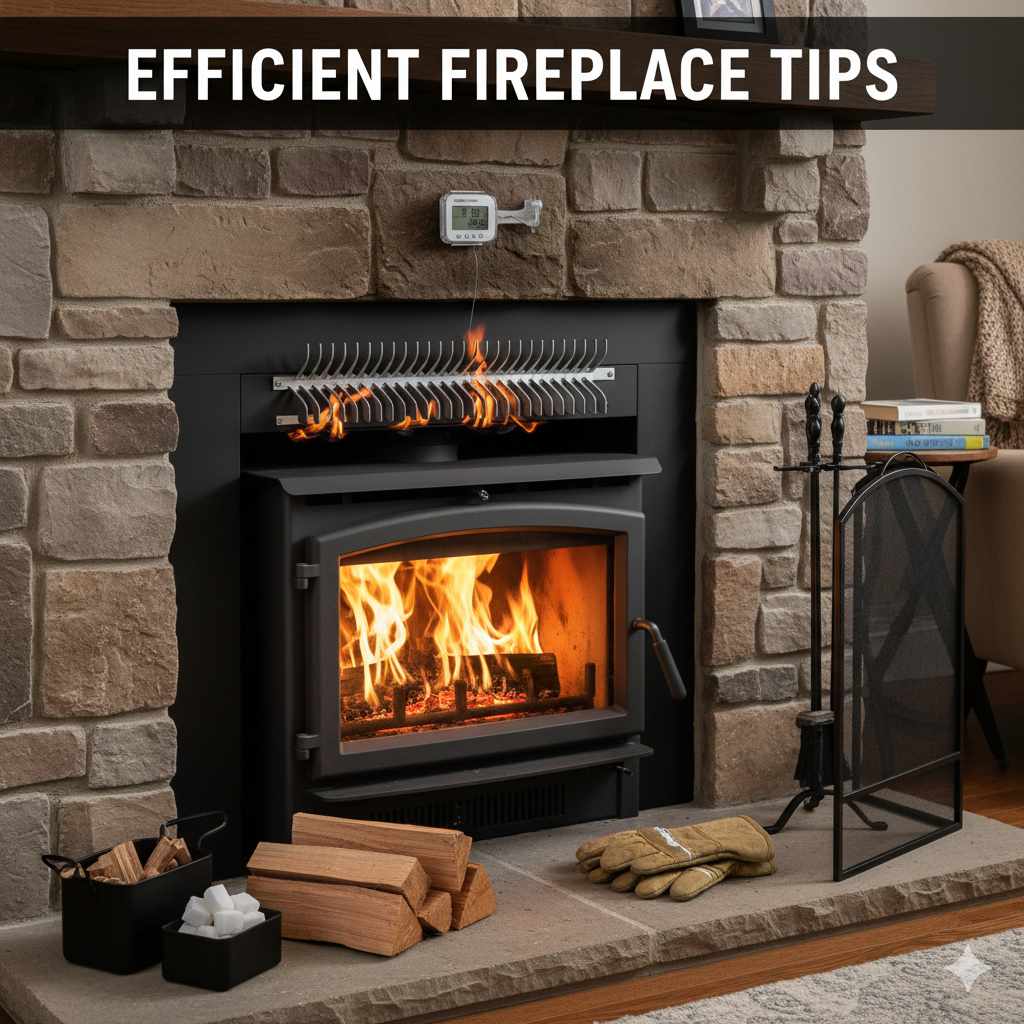
How to Make a Wood Burning Fireplace More Efficient: Tips
Imagine sitting by your wood burning fireplace, wrapped in a warm blanket, with the comforting crackle of logs in the background. It’s one of the simplest pleasures of winter.
Yet, are you aware that your beloved fireplace might not be as efficient as it could be? Many homeowners are surprised to learn that their fireplaces can actually waste more heat than they provide. But don’t worry—you can turn your fireplace into a more effective heat source with just a few simple changes.
You’ll discover practical tips to maximize the efficiency of your wood burning fireplace. These strategies will not only keep your home warmer but also help you save on heating bills. Plus, you’ll be doing your part for the environment by reducing smoke emissions. Keep reading to uncover how a few tweaks can transform your cozy spot into an energy-efficient haven. Whether you’re a fireplace novice or a seasoned pro, these insights will enhance your fireside experience.
Choosing The Right Wood
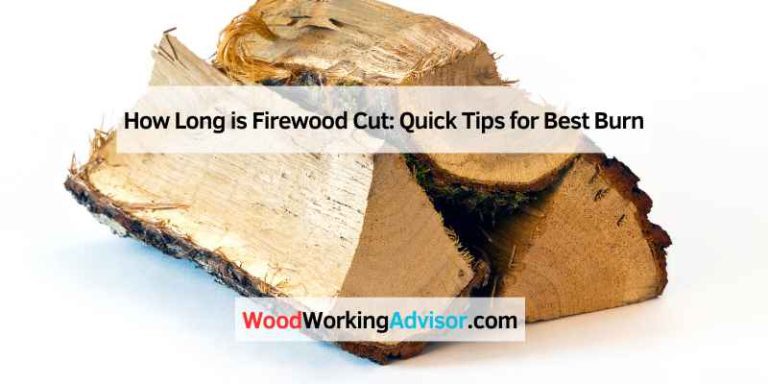
Hardwood burns longer than softwood. It gives more heat. Oak, maple, and birch are good hardwoods. Softwood burns fast. It produces more smoke. Pine and spruce are common softwoods. Hardwood is better for fireplaces. It keeps your home warm longer. Softwood is good for kindling. It starts a fire quickly. Choose wisely for your needs.
Seasoned wood is dry wood. It burns better than wet wood. Wet wood makes more smoke. It also makes less heat. Seasoned wood is lighter and cracks easily. It is usually gray in color. It burns clean and keeps your chimney safe. Using seasoned wood helps the environment. It also saves money on cleaning. Always store wood in a dry place.
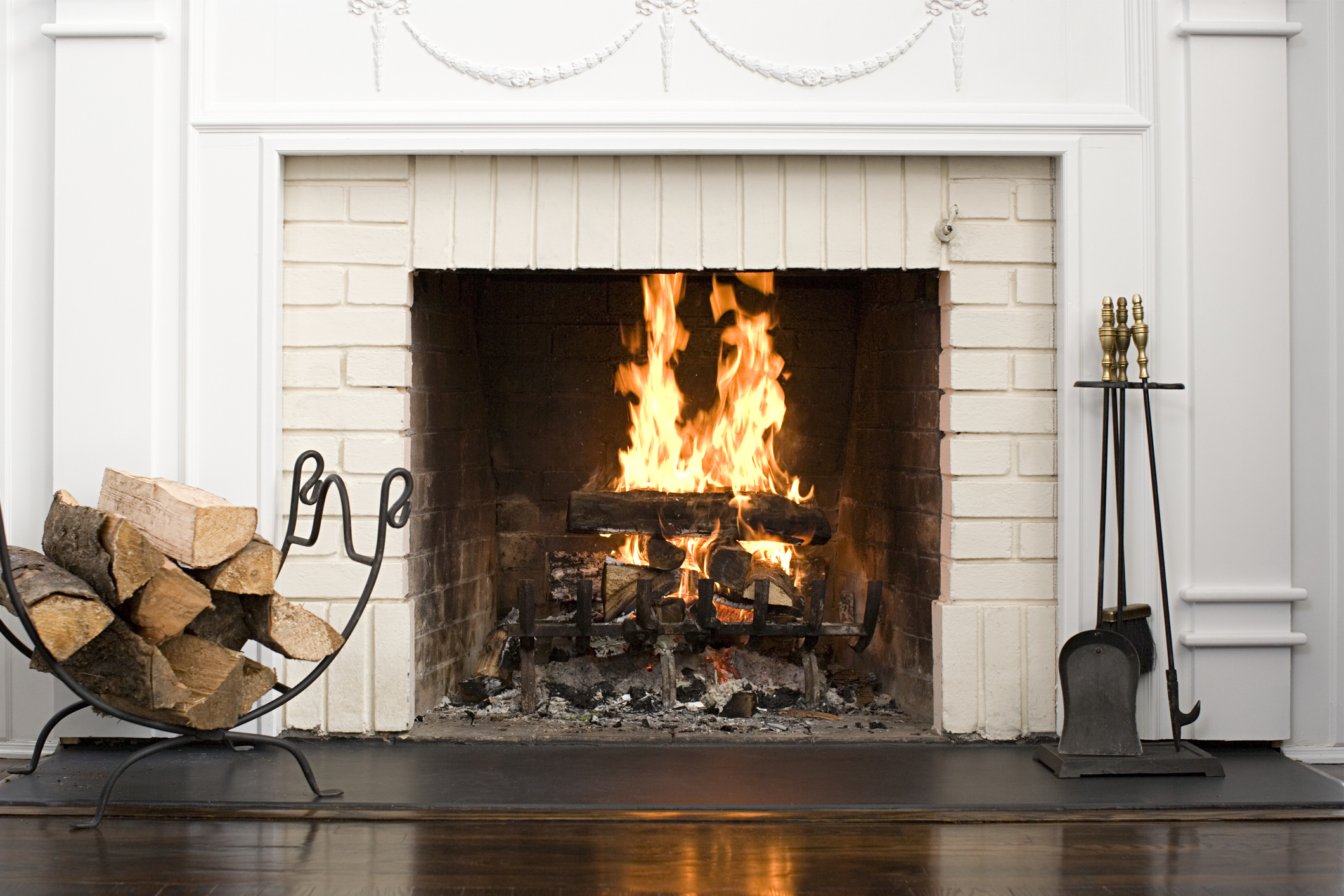
Credit: sense.com
Improving Airflow
Fresh air helps fire burn better. Open a window near the fireplace. This allows air to flow in. Clear the chimney often. Blockages can stop airflow. Use a draft stopper. It reduces heat loss. Check the damper. It should be open when using the fire. Close it when not in use. Proper ventilation makes the fire more efficient.
Fireplace fans push warm air into the room. They distribute heat evenly. Place the fan near the fireplace. It should blow air outwards. Fans save energy. They help keep rooms warm. Choose a fan that fits your fireplace. Many fans are quiet. Some are powered by heat. This means no electricity needed. Fans make the fireplace more useful.
Maintaining The Fireplace
Clean the fireplace often. Remove ash and debris. Use a broom or vacuum. Scrub the walls. Check the chimney. Ensure it is clear. Blockage can reduce efficiency. Inspect the grate. Replace if needed. Clean the glass doors. Soot can build up. Wipe them down. Better visibility helps with heat. Use a mask. Ash can be messy. Safety is important.
Inspect the fireplace regularly. Look for cracks. Cracks can cause problems. Check the chimney. Ensure it is straight. A bent chimney can be dangerous. Examine the damper. It should open and close easily. Check the seals. Good seals are crucial. Prevent heat loss. Hire a professional. They can help find issues. Repair quickly. Keep the fireplace safe and warm.
Enhancing Heat Retention
Glass doors help keep the heat inside. They stop warm air from escaping. This makes the room warmer. They also protect from sparks and ashes. Cleaning them is easy. Use a glass cleaner for the best shine. Choose doors that fit your fireplace well. A good fit traps more heat. You will feel the difference quickly.
Heat reflectors are shiny panels. They go at the back of the fireplace. They bounce heat back into the room. This makes the fireplace more efficient. Reflectors are easy to install. They also protect the fireplace wall. Choose metal reflectors for better results. They are strong and last long. This helps you save wood and keep warm.
Optimizing Fuel Usage
Choose dry, seasoned wood for burning. Wet wood makes more smoke and less heat. It wastes energy. Cut wood into smaller pieces. Small pieces burn better and hotter. Stack wood loosely in the fireplace. This allows air to flow. Air helps the wood burn well.
Place larger logs at the back. Put smaller logs in the front. This helps the fire burn evenly. Leave space between logs. Space lets air move through the fire. Air is important for a strong fire. Use kindling to start the fire. Kindling catches fire quickly.
Safety Measures
Smoke detectorsare important for home safety. They alert you to fire. Install them near the fireplace. Test them every month. Change batteries twice a year. This keeps them working well. Carbon monoxide detectorsare crucial too. They sense harmful gas. Place them in bedrooms and hallways. Carbon monoxide is invisible. It can be deadly. Regular checks are vital. They protect your family.
Fireplace screenskeep sparks from flying. Sparks can start fires. Screens protect your home. They also keep children safe. Kids might touch hot logs. Screens prevent this. Use screens every time. Choose a sturdy screen. It should cover the fireplace fully. Check it for damage often. Replace if broken. Safety is always the first step.

Credit: www.youtube.com
Frequently Asked Questions
How To Increase The Efficiency Of A Wood-burning Fireplace?
Install a fireplace insert to boost heat output. Use seasoned firewood for better combustion. Clean the chimney regularly to prevent blockages. Seal any gaps around the fireplace to reduce drafts. Utilize a fireplace fan to circulate warm air efficiently.
How To Get The Most Heat Out Of Your Wood-burning Fireplace?
Use seasoned hardwood for optimal burning. Ensure the fireplace is clean and well-maintained. Use a fireplace insert to increase efficiency. Control airflow with dampers to manage heat output. Close the chimney damper when not in use to retain heat.
Is It Cheaper To Turn Heat Up Or Use A Gas Fireplace?
Using a gas fireplace is often cheaper for short-term heating. It heats specific areas efficiently. Central heating is more cost-effective for larger spaces over extended periods. Always compare fuel costs and efficiency ratings to determine the best option for your needs.
Why Does My Firewood Burn So Fast In The Fireplace?
Firewood burns quickly due to high moisture content or improper seasoning. Dry wood burns slower and more efficiently. Ensure logs are adequately seasoned and stored in a dry place to minimize rapid burning. Proper airflow in the fireplace can also regulate burn rate.
Conclusion
Making your wood burning fireplace efficient saves energy and money. Small changes create big benefits. Clean your chimney regularly. Use seasoned wood for better burning. Consider installing a fireplace insert. They improve heat output. Check for drafts around your fireplace.
Seal them to keep warm air inside. Invest in a heat-proof glass door. It keeps the warmth in. Pay attention to firewood storage. Keep it dry and ready to use. These steps enhance your fireplace’s efficiency. Enjoy a cozy home with these simple tips.
Warmth and comfort, all winter long.