How to Make Lye from Wood Ash: A Step-by-Step Guide
Have you ever wondered about the magic behind homemade soap or traditional cleaning methods? If you’ve ever been curious about creating your own lye from wood ash, you’re in the right place.
This simple and age-old process can open the door to crafting your own soap, and even help with tasks around the house. Imagine the satisfaction of using something you’ve made with your own hands! By learning how to make lye from wood ash, you’re not only embracing sustainability but also tapping into a skill that connects you with nature and history.
Ready to dive into this fascinating process? Your journey to mastering the art of lye-making starts here. Discover how easy it can be to turn ordinary wood ash into a powerful, natural product. Let’s get started!
Credit: grimworkshop.com
What Is Lye?
Lye is a strong substance used in making soap. It comes from wood ash and water. People have made it for many years. It helps clean things well.
Wood ash is burned wood. Water is mixed with ash to get lye. This mix is called lye water. Be careful with lye. It can hurt your skin. Use gloves and goggles when handling it.
Many people use lye at home. It is natural and cost-effective. You can make it yourself. It is easy and fun.
Materials Needed
To make lye from wood ash, gather clean wood ash. Hardwood ash works best. Use a metal container for mixing. You will need water and a stirring stick. Gloves are important for safety. Mesh or cloth helps filter ash. A large pot is useful for boiling. Plastic or glass jars can store the lye. Safety goggles protect eyes. Ensure you have a safe space for working. Keep children and pets away. Have a strainer ready for filtering.
Collecting tools is easy. Start with basic items. Use things you have at home. Wood ash is the key ingredient. Safety gear is a must. Protect yourself well. Boiling needs care. Make sure to wear gloves. Follow steps carefully for safe results.
Preparing The Wood Ash
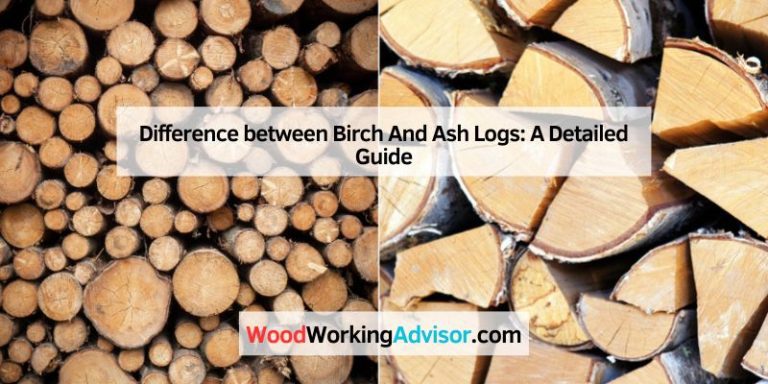
Hardwood trees give the best ash for making lye. Oak, maple, and birch are good choices. Softwoods like pine are not suitable. They contain resin which affects the lye quality. Hardwood ash is rich in potassium. This is important for strong lye. Use dry wood for better ash. Wet wood produces poor ash. Choose clean wood without paint or chemicals. These substances can ruin the ash.
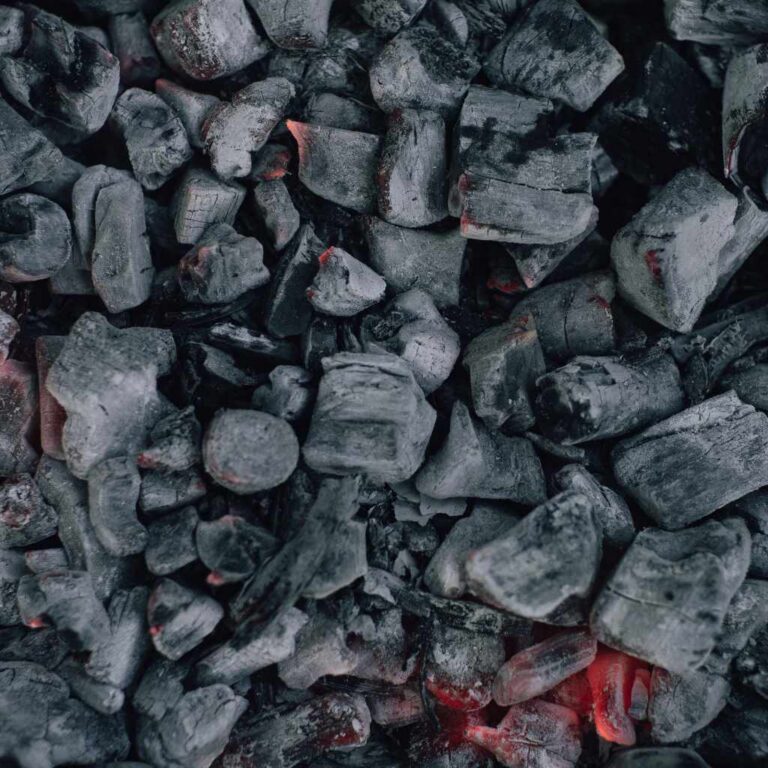
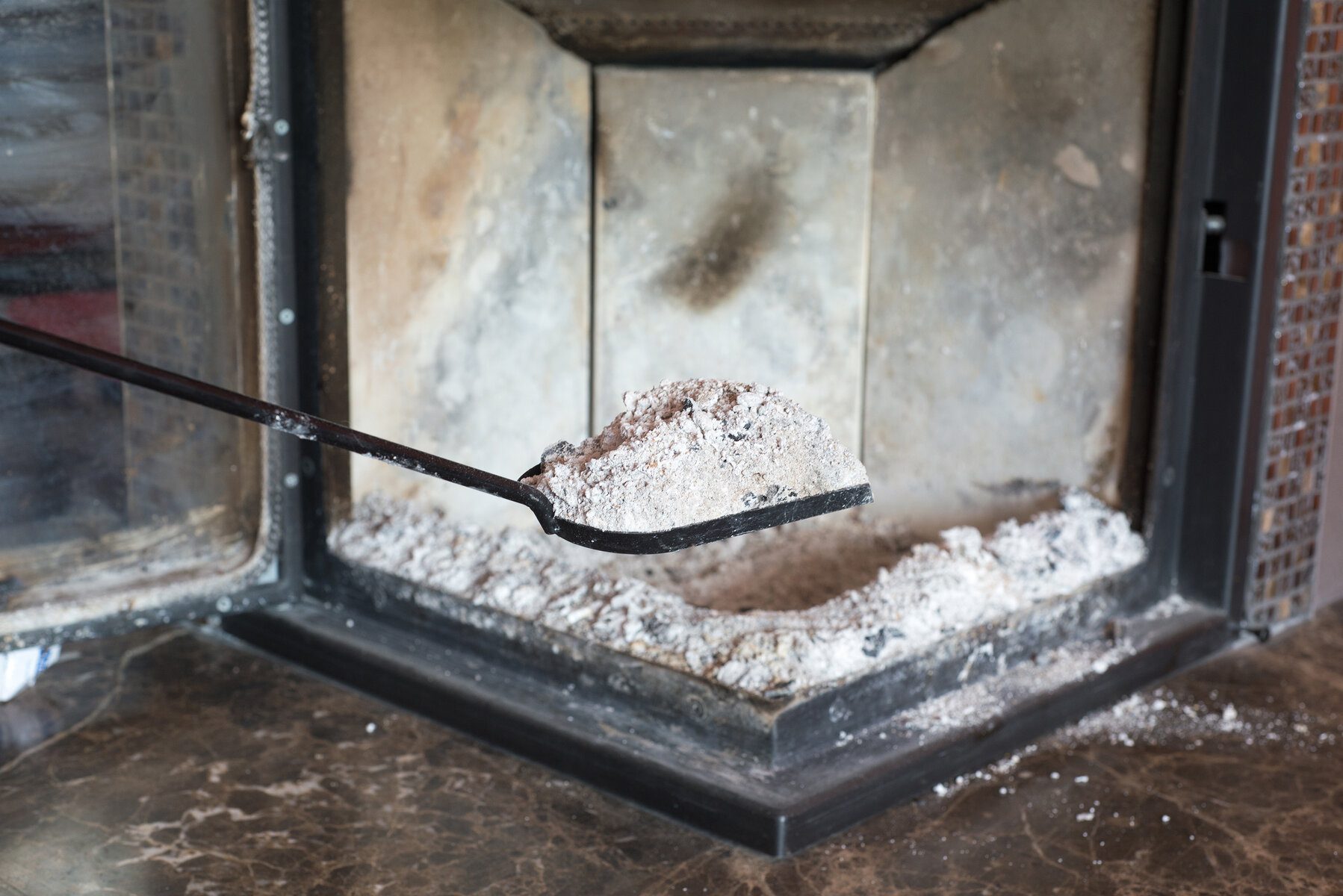
Collect ash after burning the wood. Let the fire cool down. Gather ash from the fireplace or stove. Use a metal container for storage. Plastic can melt if ash is hot. Keep ash dry to preserve its quality. Wet ash loses its lye-making properties. Store in a cool, dry place. Cover the container to avoid moisture. Label the container for easy identification. This helps prevent mix-ups.
Setting Up The Leaching Barrel
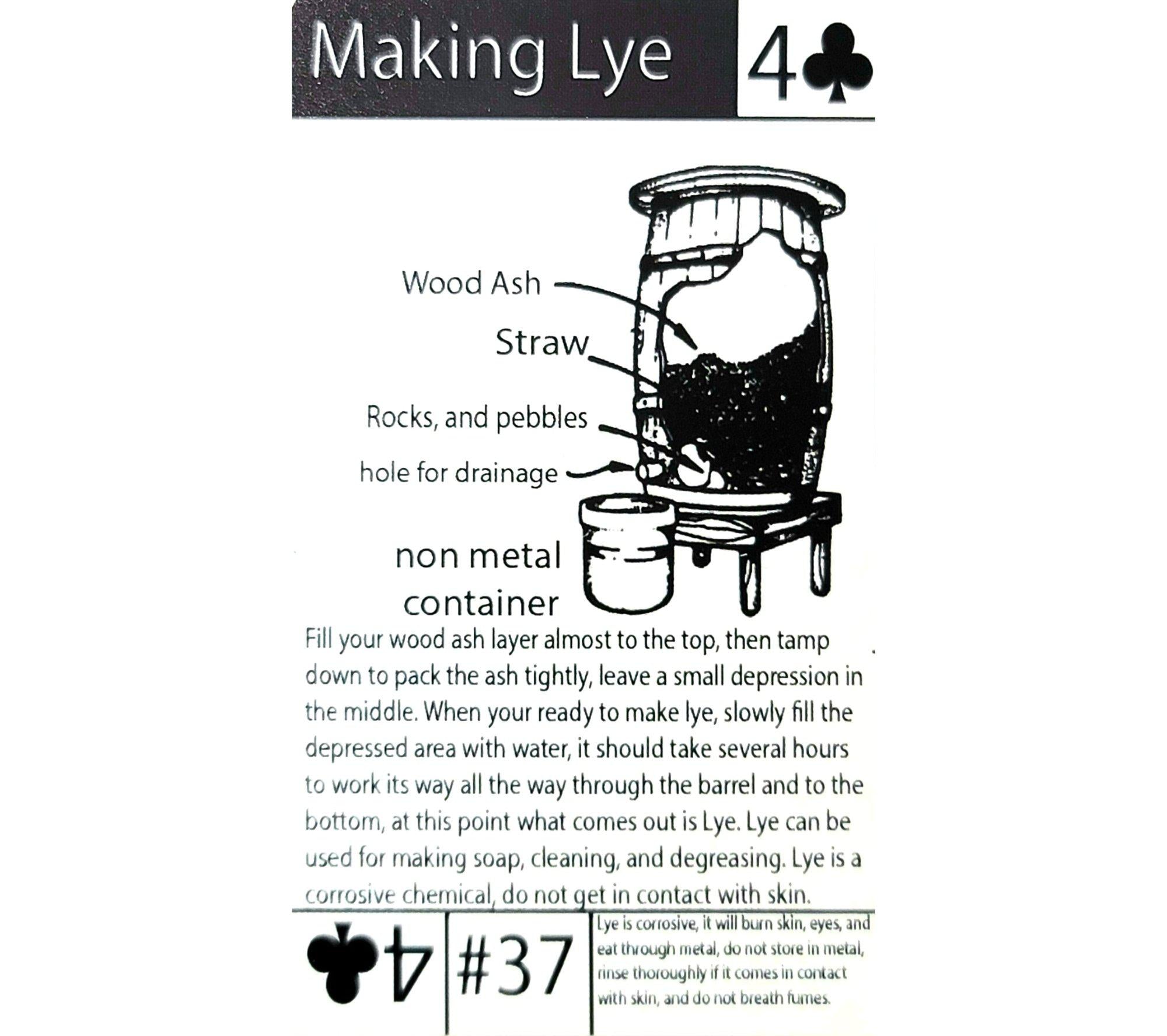
Creating lye from wood ash requires setting up a leaching barrel effectively. Begin by placing a layer of straw at the bottom to aid drainage. Next, fill the barrel with ash and pour water over it, allowing the mixture to seep through slowly and collect the liquid below.
Selecting A Suitable Container
A strong container is needed for making lye. Plastic barrels work well. They are cheap and easy to find. Metal barrels are not good. They can rust and spoil the lye. Look for a barrel that holds about 20 gallons. This size is easy to manage. Be sure the container is clean. No dirt or chemicals should be inside.
Creating A Filter System
A filter keeps the lye clear. Straw and small stones are good for filtering. Place them at the bottom of the barrel. Add a layer of sand on top. This helps catch ash bits. Make sure the filter is even. Water must pass through it smoothly. Check the filter now and then. Replace if it gets clogged.
Leaching Process
Start with dry wood ash. Place it in a large container. Add water slowly to the ash. Mix the ash and water well. Ensure the water covers the ash fully. Stir the mix with a stick or spoon. Wood ash
Use a funnel or sieve to drain the lye. Collect the liquidSeparate the ash

Credit: www.youtube.com
Testing Lye Concentration
Testing lye is simple with a potato or an egg. Gently place a potato or egg into the lye solution. Watch if it floats or sinks. If it floats halfway, the lye is strong enough. If it sinks, the lye is too weak. This test is easy and quick. It helps you know the lye’s strength.
Add more water to the lye to make it weaker. To make it stronger, add more wood ash. Stir well and test again. This way, you get the right strength. Always test before use. It keeps your recipes safe and effective.
Storing And Using Lye
Crafting lye from wood ash involves leaching ashes with water. Store lye in a cool, dry place to preserve potency. Use it carefully, as lye is a strong alkali essential in soap making.
Safe Storage Tips
Lye can be very dangerous. Store it in a dry and cool place. Use a sealed container to keep it safe. Label the container clearly. This helps to avoid mistakes. Keep the lye away from children and pets. Always wear gloves when handling lye. It can burn your skin. Never mix lye with water directly. It can cause a strong reaction. Always add lye to water slowly.
Common Uses For Lye
Lye is used in making soap. It helps the soap become solid. People use lye to clean drains. It dissolves dirt and grime. Lye is also used in food. It makes some foods taste better. For example, pretzels have a special taste because of lye. Lye can be used for making paper. It helps in breaking down wood fibers. This makes the paper smooth.
Safety Precautions
Lye is a strong chemical. It can hurt your skin and eyes. Always handle it with care. Keep lye away from children and pets. Never touch lye with your bare hands. If you spill lye, clean it right away. Use water to wash off any lye on your skin. Never mix lye with other chemicals. This can be dangerous.
Wear gloves to protect your hands. Use goggles to keep your eyes safe. An apron can protect your clothes. A mask can help you avoid breathing in lye dust. Always work in a place with fresh air. This keeps you safe from fumes. Remember, safety gear is important. It helps keep you safe.
Troubleshooting Tips
Many people make mistakes while making lye from wood ash. Using wet ash is a common error. Wet ash makes weak lye. Another mistake is not using enough ash. Use plenty of ash for strong lye. Also, mixing quickly is not good. Take time to stir slowly.
Weak lye can be fixed. Boil the weak lye to make it stronger. This helps water to evaporate. Add more ash to the mix. Stir and let it sit longer. Testing the lye is important. Use a feather to test. If the feather dissolves, the lye is strong. If not, repeat the steps.
Credit: www.youtube.com
Frequently Asked Questions
How Do You Extract Lye From Wood Ash?
To extract lye, first collect hardwood ash. Boil it with water, then let it settle. Drain the liquid, which contains lye. Handle it carefully, using protective gear. This liquid can be used for soap-making. Ensure proper ventilation during the process to avoid harmful fumes.
How To Make Diy Lye?
To make DIY lye, collect hardwood ashes in a container. Add water and stir well. Let it sit for several hours. Strain the liquid through a fine cloth. This liquid is your homemade lye. Always handle lye with caution, as it is caustic.
How Did They Make Lye In The Old Days?
People made lye by pouring water over wood ashes. The liquid drained through the ashes, creating lye. This mixture was then collected and used for soap-making and cleaning. They often used hardwood ashes for the best results. The process was simple but required careful handling due to its caustic nature.
What Is The Best Ash For Making Lye?
Hardwood ash is ideal for making lye. It contains higher potassium levels than softwood ash. Choose ashes from oak, maple, or beech for best results. Ensure ashes are completely dry before using. Use a fine mesh to sift out impurities, enhancing purity and effectiveness.
Conclusion
Learning to make lye from wood ash is straightforward. It’s a useful skill for crafting homemade soap and cleaning products. Remember to wear gloves and goggles for safety. Wood ash and water are the basic ingredients. Let the mixture sit for a few days.
Then, strain it carefully. The clear liquid is your lye. Use it with caution. Always test its strength with an egg or potato. This ensures your lye is right for soap making. Practice makes perfect. The more you make, the better you’ll get.
Enjoy experimenting with your homemade lye.