How to Remove Rust Stains from a Fiberglass Tub (Safely)
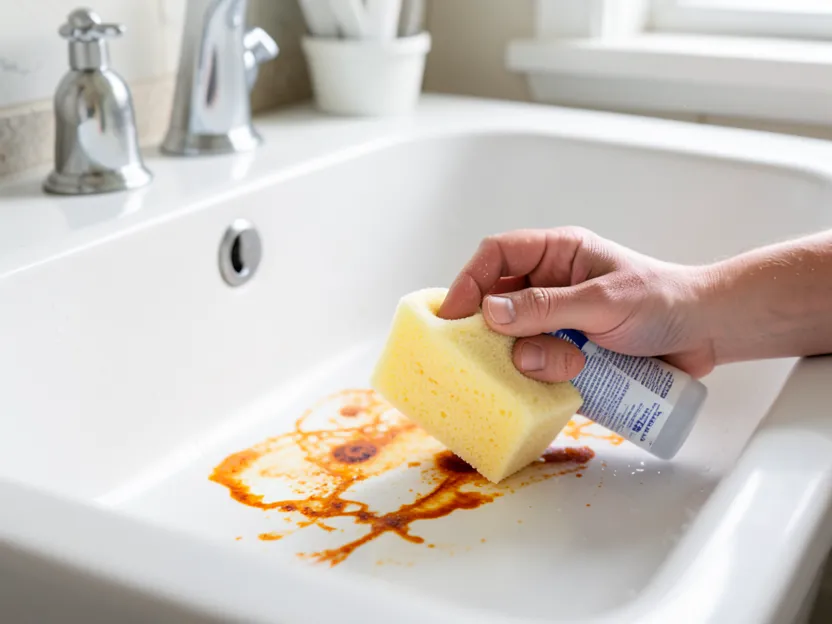
Rust stains on a fiberglass tub almost always come from iron in the water supply or a rusting metal object left sitting on the surface, not from the fiberglass itself — and a vinegar-and-baking-soda paste clears most of them without scratching the gelcoat. For stains that won’t budge, a dedicated rust remover like Iron OUT closes the gap without resorting to an abrasive that dulls the tub’s finish.
Here’s what actually causes the staining, the safest ways to remove it, and how to stop it from coming back.
Why Fiberglass Tubs Get Rust Stains
Best Pick For Stubborn Rust Stains
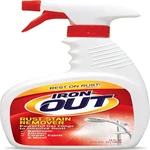 |
Iron OUT Rust Stain Remover Spray with Cling – $6.88 A clinging gel formula that dissolves rust on contact without scrubbing, safe for fiberglass, porcelain, and tile when used as directed.
|
The rust itself isn’t coming from the fiberglass — it’s iron oxide from somewhere else settling on the surface. The most common sources are old galvanized or iron supply pipes leaching iron into your water, a metal can or tool left sitting on the tub edge long enough to rust and leave a ring, or a leaking faucet dripping mineral-heavy water onto the same spot repeatedly. Low water flow and standing water both give iron more time to oxidize and settle before it drains, which is why stains often show up right at the drain or in a spot that doesn’t dry quickly.
Removing Rust With a Dedicated Remover
Spray directly on the stain, let it sit for the time listed on the label (usually a few minutes, not longer), then wipe and rinse thoroughly with water. Don’t let it dwell longer than instructed or mix it with other cleaning chemicals, especially bleach — combining rust removers with bleach-based products can produce harmful fumes.
Natural Methods Worth Trying First
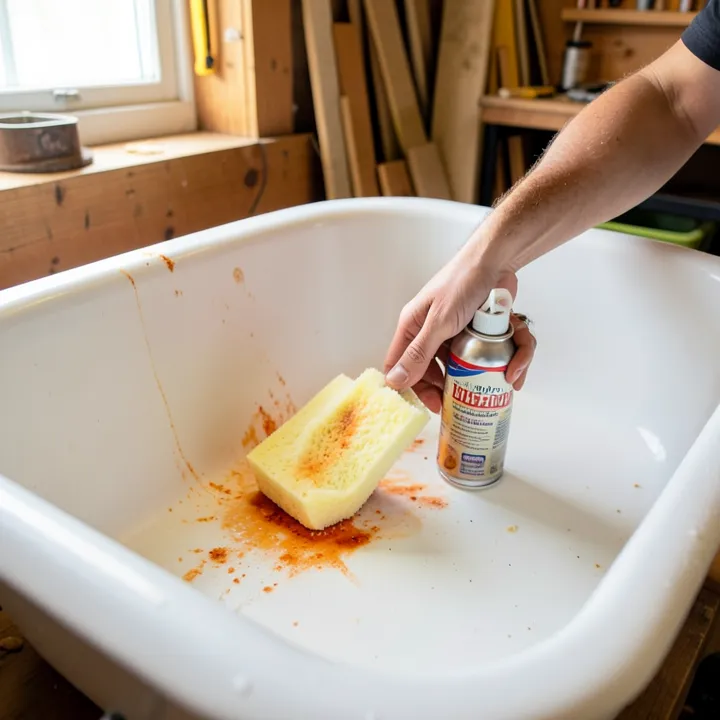
Baking soda and white vinegar handle most light-to-moderate rust stains without any harsh chemicals. Make a thick paste of baking soda and a little water, spread it over the stain, then pour vinegar directly on top and let it fizz. The acetic acid in the vinegar breaks down the iron oxide while the baking soda provides gentle abrasion without scratching. Scrub with a soft sponge, not a brush, and rinse thoroughly.
Lemon juice and salt work on the same principle — citric acid dissolving the rust, with the salt adding light abrasive action. Sprinkle salt over the stain, squeeze lemon juice on top, let it sit for 15-30 minutes, then scrub gently and rinse. Both methods are genuinely safe for fiberglass’s gelcoat finish, which is more scratch-prone than porcelain or acrylic.
What Never to Use on Fiberglass
- Steel wool or abrasive scouring pads: they scratch the gelcoat surface, and scratches trap dirt and rust particles, making future stains worse and harder to remove.
- Undiluted bleach on a regular basis: occasional light use is generally fine on fiberglass, but frequent bleach exposure can dull the gelcoat’s shine over time.
- Mixing rust remover with other cleaning chemicals: always rinse the tub and let it dry between using different products, and never combine acidic rust removers with bleach-based cleaners.
Preventing Rust Stains From Coming Back
If the staining traces back to your water supply rather than a specific metal object, a whole-house iron filter or water softener addresses the actual source instead of just repeatedly treating the symptom — worth considering if you’re cleaning the same spot every few weeks. Otherwise, keep metal cans, tools, and razors off the tub surface, dry the tub after use rather than letting water sit, and fix any dripping faucet promptly, since a steady drip onto the same spot is one of the most common repeat-stain causes.
Frequently Asked Questions
How do you clean rust stains off fiberglass?
A paste of baking soda and vinegar handles most stains: apply the paste, pour vinegar over it, let it fizz, then scrub gently with a soft sponge and rinse. For stains that don’t fully lift, a dedicated rust remover formulated for fiberglass finishes the job without needing an abrasive pad.
Will CLR damage a fiberglass shower?
CLR is generally safe on fiberglass when used exactly as directed and rinsed thoroughly afterward. Avoid letting it sit longer than the label recommends, and test on a small hidden area first, since fiberglass finishes vary between manufacturers.
How do you get rust stains out of a fiberglass bathtub?
Start with baking soda and vinegar for light-to-moderate stains. For tougher stains, a hydrogen-peroxide-and-baking-soda paste or a dedicated no-scrub rust remover spray both work well. Avoid abrasive cleaners or scouring pads, which scratch fiberglass’s gelcoat surface.
Does a Magic Eraser remove rust from a bathtub?
It can help with light surface rust, but melamine foam is mildly abrasive, so use light pressure on fiberglass to avoid dulling the finish. For deeper or set-in stains, a dedicated rust remover or the vinegar-and-baking-soda method will do more without risking scratches.
Conclusion
Most rust stains on a fiberglass tub come from iron in the water or a rusting metal object, not the tub material itself, and a vinegar-and-baking-soda paste clears the majority of them safely. Reach for a dedicated rust remover on anything that won’t budge, skip anything abrasive, and address the water source or habit causing the stain so it doesn’t just come back.
Sponsored / affiliate links. As an Amazon Associate I earn from qualifying purchases. I may earn additional commission from eligible campaigns.