How Much Does a Cord of Ash Wood Cost?
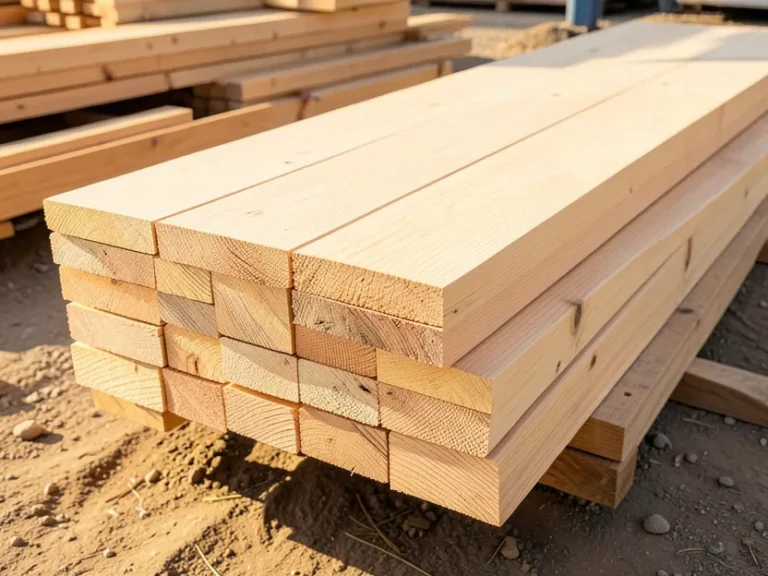
A full cord of seasoned ash firewood typically runs $150 to $400 in the U.S., with most regions landing in the $200-$300 range. Ash sits in the upper-middle tier of firewood pricing – cheaper than premium oak or hickory, but pricier than soft woods like pine or poplar, because it splits easily, seasons fast (6-12 months versus 1-2 years for oak), and burns hot with little smoke.
What Drives the Price
Seasoning stage is the biggest factor: green (freshly cut) ash costs 20-40% less than fully seasoned wood, but it won’t burn efficiently for 6+ months and produces more creosote in a chimney if burned too soon. Delivery and stacking typically add $20-$50 over a self-pickup price. Region matters too – ash is abundant and cheap in parts of the Midwest and Northeast where emerald ash borer die-off has flooded local supply, while it costs more in areas where it has to be trucked in.
Ash vs. Other Common Firewoods
Ash burns comparably to oak in heat output (both around 24-27 million BTUs per cord) but seasons in roughly half the time, which is why many firewood sellers price it close to oak despite the faster turnaround. It beats softer woods like pine (about 15 million BTUs per cord) on heat value, which is the main reason it commands a higher price than softwoods even though it’s not considered a premium hardwood like hickory or sugar maple.
A Note on the Emerald Ash Borer
The emerald ash borer has killed tens of millions of ash trees across North America since the early 2000s, and in heavily affected regions that has actually pushed local ash firewood prices down due to oversupply from removed dead trees. Many areas have quarantine rules restricting ash firewood from being transported across county or state lines specifically to slow the beetle’s spread – check local regulations before hauling ash wood any distance, even for firewood.
How to Judge If a Price Is Fair
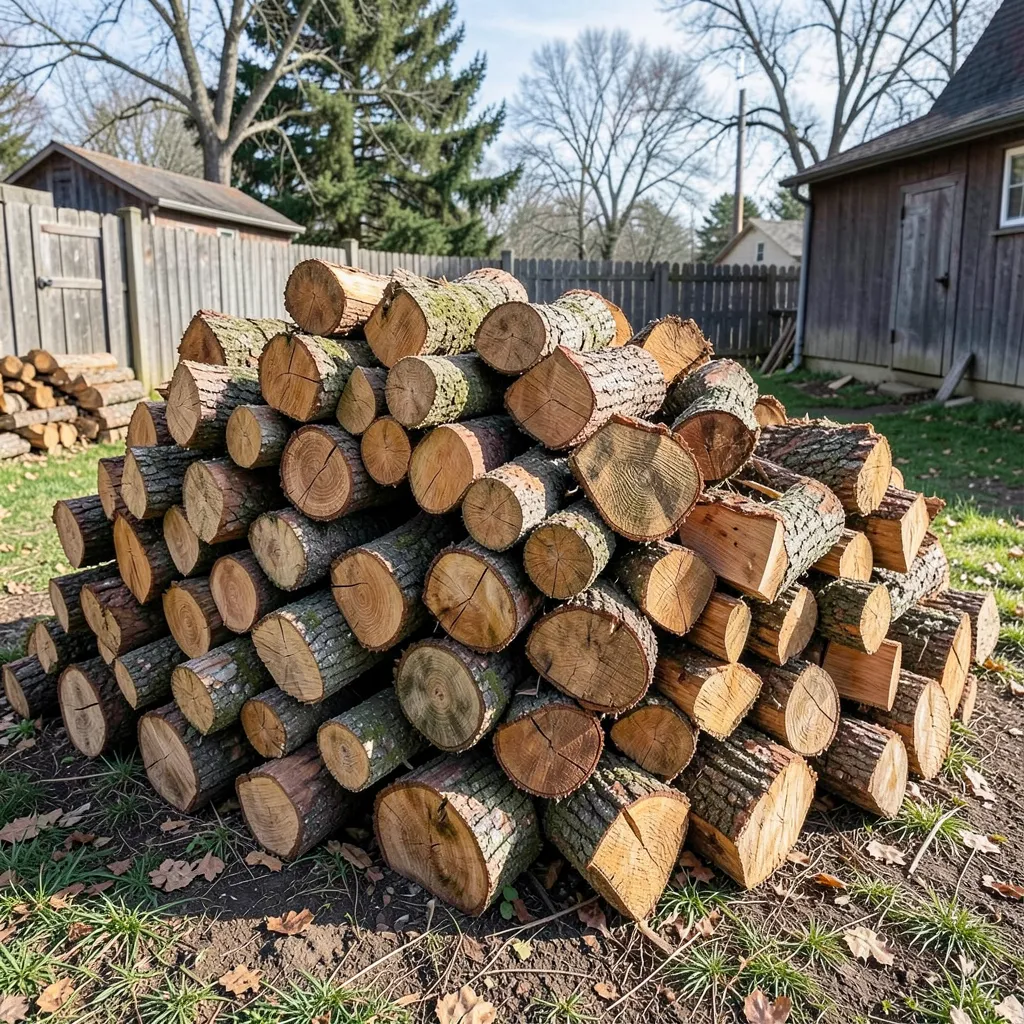
Ask exactly what “a cord” means before paying – a true full cord is a stack 4 feet high by 4 feet deep by 8 feet long (128 cubic feet), and some sellers advertise a “face cord” (a third of that volume, since it’s only 16-18 inches deep) at a price that sounds like a bargain until you realize you’re getting a third of the wood. Confirm the dimensions in person or ask for them explicitly before comparing prices between sellers.
Buying Green vs. Already-Seasoned
Buying green ash a full season ahead and seasoning it yourself is the cheapest route if you have covered storage space and can wait 6-12 months – the price gap between green and seasoned wood typically covers the seller’s own storage and drying time, which you can do yourself for free if you have the space and patience. If you need wood for this winter, seasoned is worth the premium since green ash, while better than most species when burned early, still won’t produce full heat output or burn as cleanly as fully dried wood.
Buying by the Truckload vs. Bundled
Buying a full cord loose in a truck bed and stacking it yourself is typically 15-25% cheaper than paying for a seller to stack it neatly, since labor is a real cost built into the “stacked and delivered” price. If you have the time and a place to stack it, dumping and self-stacking is the better value; if convenience matters more, factor the stacking fee into your price comparison rather than treating it as a hidden markup.
Buying Ash Specifically vs. a Mixed Hardwood Load
Many firewood sellers sell “mixed hardwood” cords that blend ash with oak, maple, and whatever else was locally available, often at a lower price than a guaranteed all-ash load – if ash’s fast-seasoning, easy-splitting properties specifically matter to your situation (you need wood ready sooner than oak allows), confirm you’re getting a genuinely ash-heavy load rather than assuming “hardwood” means what you expect.
Splitting Ash Yourself to Cut Costs Further
Buying rounds (uncut logs) instead of pre-split firewood saves further, and ash is one of the easier hardwoods to split by hand thanks to its straight grain – a maul and a few hours of work can turn a truckload of rounds into stacked firewood at a fraction of the pre-split price, assuming you have the physical capacity and a place to season the result.
Seasonal Price Swings
Firewood prices, ash included, typically rise 20-30% from late fall through winter as demand peaks, and drop back down in spring and summer when few people are buying. Ordering a year ahead in spring for the following winter is the most reliable way to lock in the lower off-season price, at the cost of needing covered storage space for a full year rather than a few months.
Checking a Load for Actual Ash Before You Pay
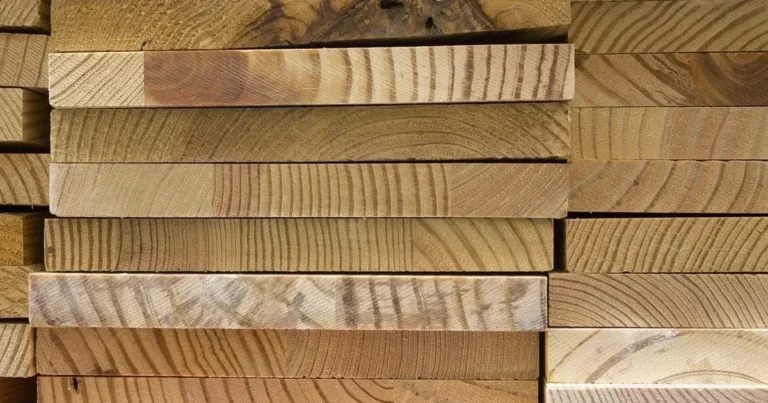
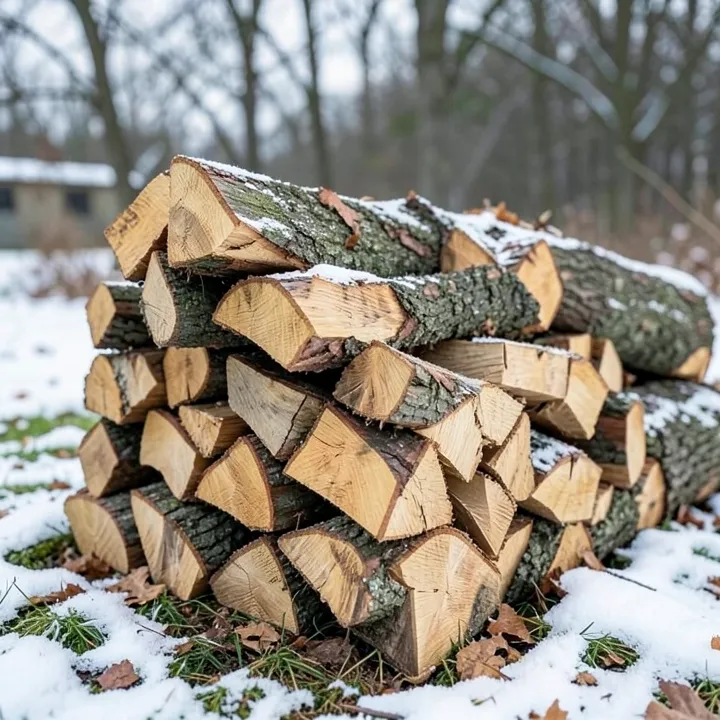
Ash bark has a distinctive diamond-shaped ridge pattern, and the wood itself is pale cream to light brown with a straight, visible grain – useful checks if a seller’s “ash” claim seems questionable, since substituting a cheaper species into a load sold as premium wood is a real, if not universal, risk in informal firewood sales. A few obviously mismatched logs (wrong bark texture, wrong color) in an otherwise-ash load is a reasonable thing to flag with the seller before paying in full.
Delivery Radius and Fuel Surcharges
Most firewood sellers price delivery within a set radius (often 10-20 miles) into the base cord price, then add a per-mile surcharge beyond that – worth asking upfront if you’re outside a seller’s usual service area, since a surcharge can add $20-50 or more to an otherwise competitive price. Comparing “delivered” prices apples-to-apples means confirming exactly what radius each seller’s advertised price already includes.
Kiln-Dried Ash: A Premium Option
Kiln-dried firewood, ash included, commands a real premium (often 30-50% over air-dried seasoned wood) since it guarantees a consistently low moisture content regardless of how it was stored – worth the extra cost for indoor wood-burning stoves or fireplaces where consistent, clean-burning fuel matters more than for an outdoor fire pit where moisture content is less critical.
Frequently Asked Questions
Is ash good firewood?
Yes. Ash is one of the few hardwoods that burns well even when not fully seasoned, and it splits easily by hand, which is why it’s a favorite among people who cut their own firewood.
How long does ash firewood need to season?
6 to 12 months under cover, compared to 1-2 years for denser hardwoods like oak. Its lower initial moisture content is what makes it season faster.
Why is ash firewood sometimes cheaper than expected?
In regions hit hard by the emerald ash borer, large volumes of dead ash trees have been cut and sold as firewood, temporarily increasing local supply and lowering prices.
Sponsored / affiliate links. As an Amazon Associate I earn from qualifying purchases. I may earn additional commission from eligible campaigns.