How to Make Your Own Wooden Dollhouse
A wooden dollhouse is one of the most satisfying scratch-built projects you can take on – it’s small enough to finish over a few weekends, forgiving enough for a first-time builder, and it ends as something a kid actually plays with for years instead of a shelf decoration. This guide walks through one complete build from framing to finishing, plus how to pick the right wood, the right scale, and what to buy instead if building from scratch isn’t what you’re after.
What Kind of Wood Should You Use?
Skip The Cutting, Keep The Building
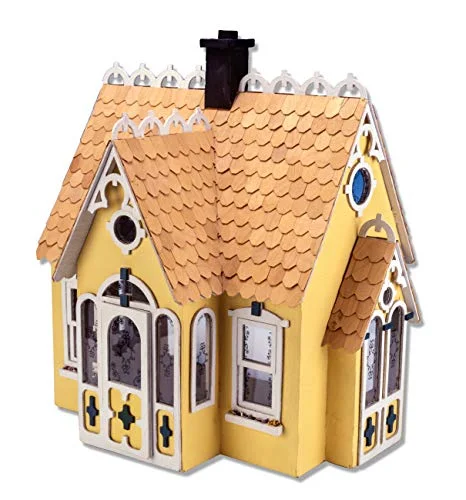 |
Greenleaf Buttercup Dollhouse Kit – 1 Inch Scale Pre-cut, tab-and-slot unfinished wood panels in true 1:12 scale – you still paint, wallpaper, and trim it yourself, just without cutting every panel from a sheet of plywood.
|
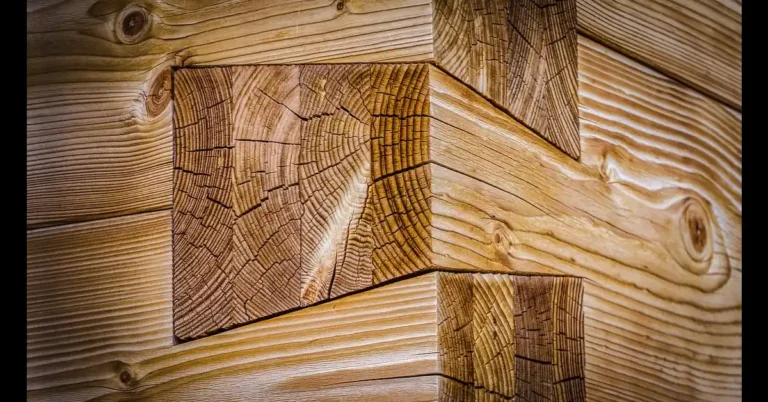
Plywood or MDF (medium-density fiberboard) is the standard choice for the main walls, floors, and roof panels – both come in flat, stable sheets that hold their shape and take paint or wallpaper well, and neither warps the way solid pine boards can over time. Pick sheets without visible knots or voids, since those telegraph through thin paint and wallpaper later. Solid wood still has its place: pine or poplar boards work well for framing, window and door trim, and any exposed edge where you want a real wood-grain look instead of a painted panel edge.
For trim, molding, and any detail you want to shape with hand tools, harder woods like oak or cherry hold crisp edges better than pine, though they take more effort to cut and sand. If the dollhouse is going to be played with by kids rather than displayed, lean toward pine or basswood for anything handled often – softer woods dent instead of splinter, which matters more for a toy than a display piece.
Balsa wood is worth a special mention: it’s light enough to cut with a hobby knife instead of a saw, which makes it useful for interior detail work like shutters or shelving, but it’s too soft and fragile to trust for structural walls or a roof that has to support its own weight. Save it for the small decorative touches, not the frame.
Tools and Materials You’ll Need
- Plywood or MDF sheets for walls, floors, and roof panels
- Pine or poplar boards for framing and trim
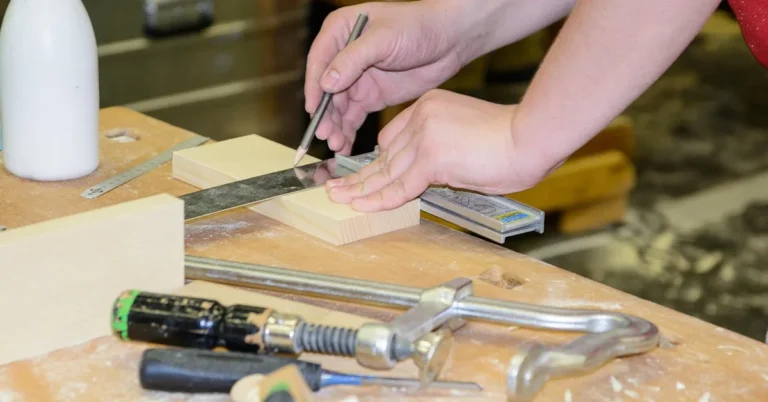
- Tape measure, pencil, and a straight edge or ruler
- A saw for cutting panels – a miter saw gives cleaner, more precise cuts than a hand saw
- Wood glue and a hot glue gun for trim and detail work
- Small finishing nails or brad nails
- Sandpaper in a couple of grits
- Paint, wallpaper, or stain for the finished interior and exterior
Choosing a Scale
Almost all dollhouses on the market and in plans use 1:12 scale, meaning one inch of dollhouse equals one foot of real-world space – a standard 8-foot ceiling becomes an 8-inch ceiling inside the dollhouse. This is the scale most dollhouse furniture and accessories are made for, which matters a lot if you plan to buy furniture rather than build every piece yourself.
Smaller scales exist for specific reasons: 1:24 scale (half-inch) suits a more compact build with less material and floor space, while 1:48 and smaller are typically reserved for dedicated miniature collectors rather than a first dollhouse project. If dolls of a specific size need to fit through the doors, measure the doll first and work backward to a scale that fits, rather than assuming 1:12 will automatically work.
Step-by-Step: Building the Frame and Walls
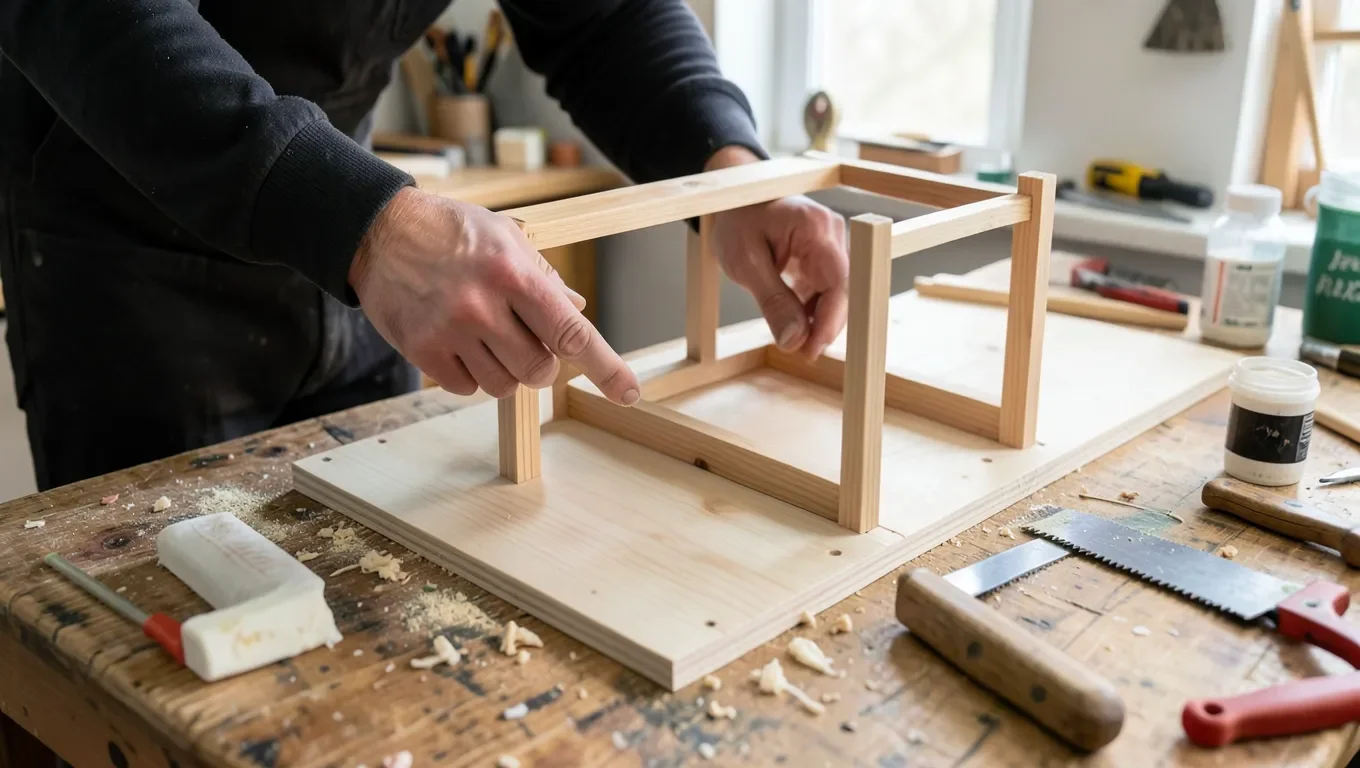
Start by deciding your overall footprint and floor count, then draw the layout on paper before cutting anything – changing a measurement on paper costs nothing, changing it after a panel is cut costs a new sheet of plywood. Measure and mark every wall, floor, and roof panel on your plywood or MDF, then cut your wood to those dimensions – a miter saw gives you cleaner, squarer cuts than a hand saw if you have access to one.
Glue and nail (or screw) the floor panels to the side walls first, checking that every joint is square before the glue sets – a frame that’s slightly out of square at this stage gets more crooked with every panel added on top of it. Add the back and any interior dividing walls next, then let the whole frame sit and dry fully before moving to the roof; rushing this step is the most common reason a dollhouse ends up visibly leaning.
Step-by-Step: Adding the Roof
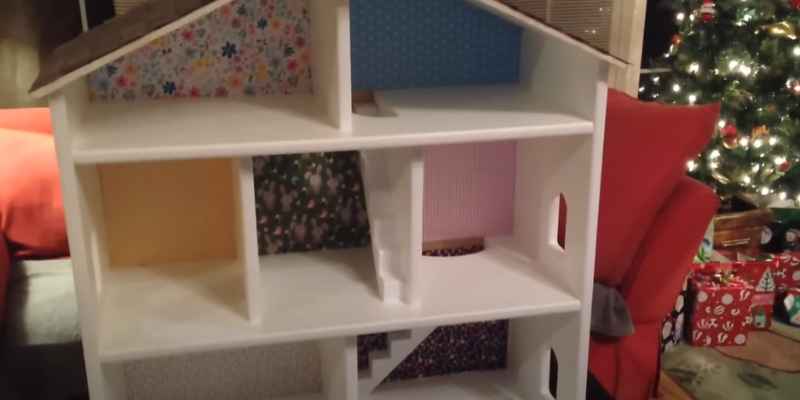
Measure and cut the roof panels once the walls are fully dry and square – a simple gable roof needs two matching panels, while a hipped roof needs four smaller angled ones. Dry-fit the panels against the top of the walls before gluing anything, since a roof panel cut a fraction too small or large is much easier to fix before glue is involved.
Glue the roof panels along the top edges of the walls, making sure the seams meet cleanly at the ridge, then reinforce the seam with a support beam glued and nailed across the joint from the inside. Let the roof dry fully before handling the house again – a roof that’s still curing is one of the easier things to knock loose while you’re working on other details.
Finishing: Paint, Wallpaper, and Trim
Sand every surface smooth before finishing – plywood edges especially tend to have small splinters and rough spots straight off the saw. Paint the exterior first, since it’s easier to mask off painted siding while wallpapering the interior than the other way around. Dollhouse wallpaper and flooring sheets are sold specifically for 1:12 scale rooms and go on with regular wallpaper paste or a glue stick for smaller sections.
Add trim, molding, doors, and window frames last, once paint and wallpaper are fully dry. A hot glue gun works well for attaching lightweight trim pieces without waiting on wood glue’s longer set time, and it’s forgiving enough to reposition a piece in the first few seconds if it’s not quite straight. This is also the stage to add any working doors, hinges, or working windows if your design calls for them.
Building From a Kit Instead of Scratch
If cutting every panel yourself isn’t what you’re after, a real dollhouse kit gives you pre-cut, tab-and-slot panels that assemble without a saw – you’re still building and finishing the house yourself, just skipping the layout and cutting stage. Kits like this come unfinished, so you still choose the paint, wallpaper, and trim, which keeps the project genuinely yours rather than something that arrives already decorated.
A kit is also the more forgiving starting point if this is your first dollhouse build, since the panels are already cut to fit each other correctly – you can focus on getting comfortable with gluing, sanding, and finishing before tackling a fully from-scratch design on a second build.
Frequently Asked Questions
What kind of wood should I use to make a dollhouse?
Plywood or MDF works best for the main walls, floors, and roof panels because the sheets are flat and stable and take paint or wallpaper evenly. Solid pine or poplar boards are better for framing and trim, and harder woods like oak or cherry hold up best for detailed molding you want to shape with hand tools.
What do I need to build a dollhouse?
You’ll need plywood or MDF for the main panels, pine or poplar for framing and trim, a saw for cutting, wood glue and a hot glue gun, finishing nails, sandpaper, and paint, wallpaper, or stain for the finish. A tape measure and straight edge for accurate cuts matter as much as any tool on this list.
Are most dollhouses 1/12 scale?
Yes. In 1:12 scale, one inch of dollhouse equals one foot of real-world space, so a standard 8-foot ceiling becomes an 8-inch ceiling inside the dollhouse. It’s the most common scale by far, and most dollhouse furniture and accessories sold anywhere are made to fit it.
What’s the difference between 1:12 and smaller scales like 1:24?
1:24 scale (half-inch) makes a more compact house that uses less material and floor space, which suits a smaller build or a first project. Scales smaller than that, like 1:48, are mostly used by dedicated miniature collectors rather than for a typical first dollhouse build.
Conclusion
Building a wooden dollhouse from scratch comes down to a square, well-dried frame, a roof that fits cleanly, and finishing work done in the right order – paint before wallpaper, wallpaper before trim. If a full from-scratch build feels like too much for a first project, a pre-cut kit gets you to the same finishing stage without the layout and cutting work, and it’s still a genuinely handmade result once you’ve painted, papered, and trimmed it yourself.
Sponsored / affiliate links. As an Amazon Associate I earn from qualifying purchases. I may earn additional commission from eligible campaigns.