How to Open Screws Without a Screwdriver: Real Household Fixes
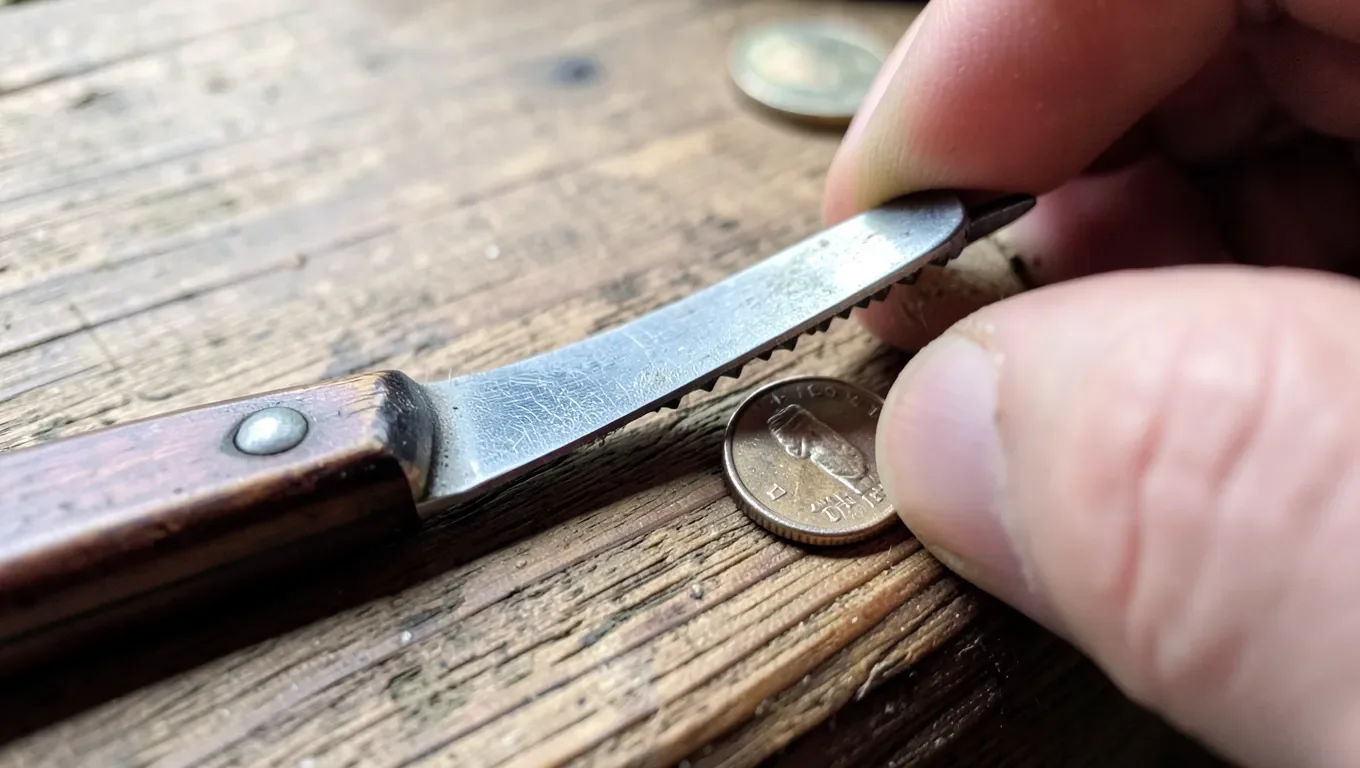
A flathead screw can usually be turned with a butter knife, a coin, or a flat piece of metal wedged into the slot; a Phillips or cross-head screw is harder without the right tool but can often be gripped and turned with pliers or a small pair of vice grips instead. Which household substitute works depends entirely on the screw head type — a technique that works great on a flathead often does nothing useful on a Phillips screw.
Household Items That Actually Work
For Screws That Are Actually Stuck Or Stripped
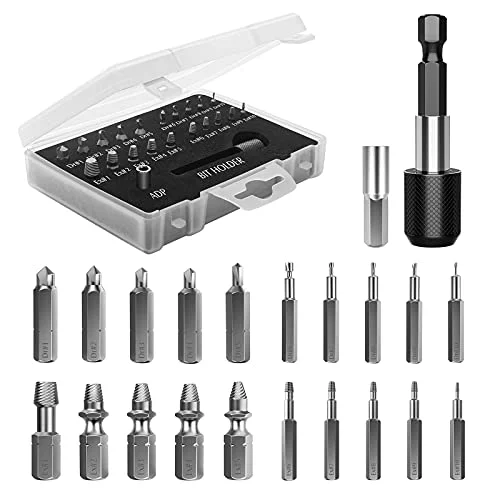 |
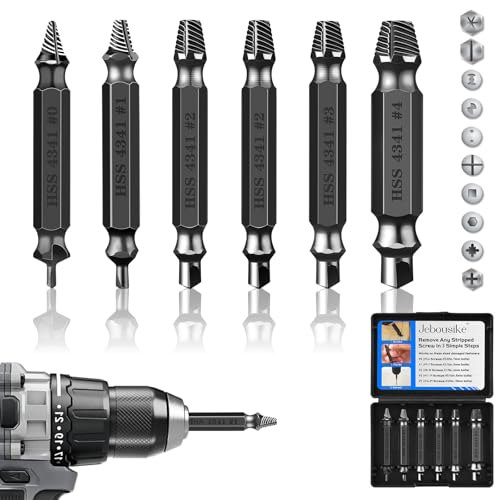
Nuovoware Damaged Screw Extractor Set, 22-Piece – $15.99 A real screw extractor works differently from a makeshift screwdriver — it drills into the screw and backs it out reverse-threaded, which household-item hacks can’t replicate.
|
- Butter knife or steak knife: works well on flathead screws — wedge the blade into the slot and turn. Doesn’t work on Phillips or other cross-pattern heads.
- Coin: a quarter or similar-thickness coin fits many flathead slots and gives enough leverage for light to moderate turning force.
- Credit card (for very loose screws only): can back out an already-loose flathead screw a turn or two, but lacks the rigidity for anything actually tight.
- Metal nail file: a decent flathead substitute for small screws, similar leverage to a butter knife.
- Tweezers or needle-nose pliers: useful for very small screws (eyeglasses, electronics) where a full-size tool won’t fit — see our guide to tiny screws specifically for more precision techniques.
When The Screw Head Is Accessible: Pliers Or Vice Grips
If the screw head sits slightly proud of the surface (not sunk flush), needle-nose pliers or vice grips can clamp directly onto the head and turn it like a nut — this works on Phillips, flathead, or damaged heads alike, since you’re gripping the outside of the head rather than engaging the drive pattern. Vice grips in particular give enough clamping force for a stuck screw that pliers alone might slip on. This technique fails if the screw head is sunk flush or below the surface, since there’s nothing to grip.
Using A Drill Instead
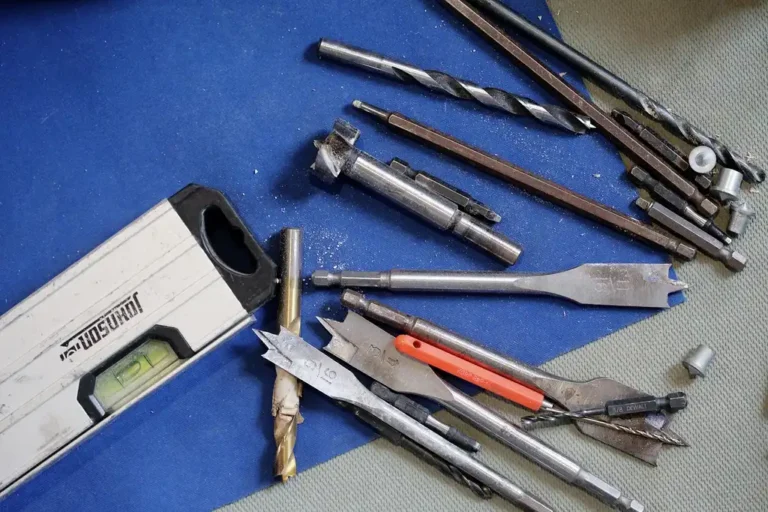
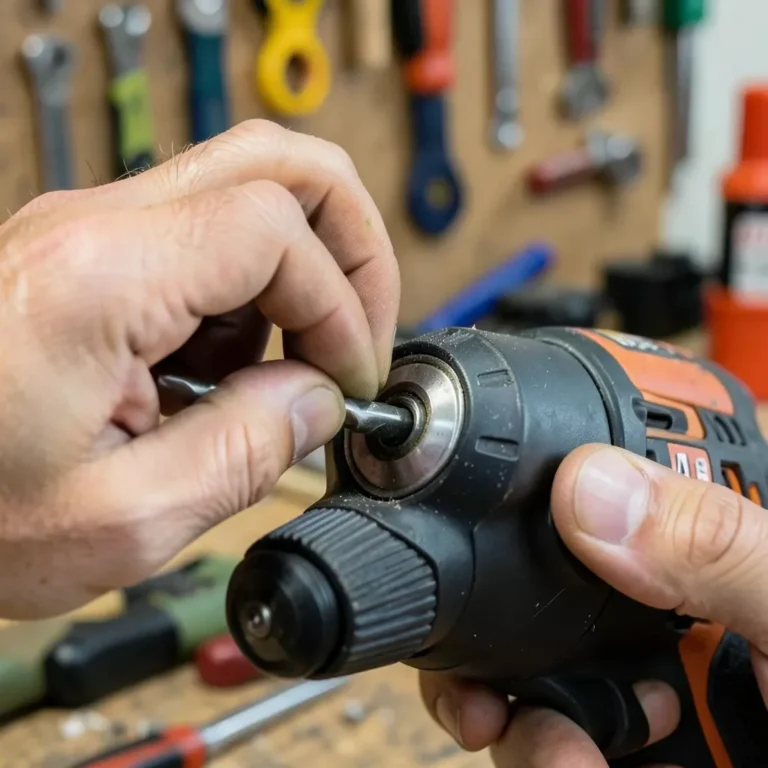
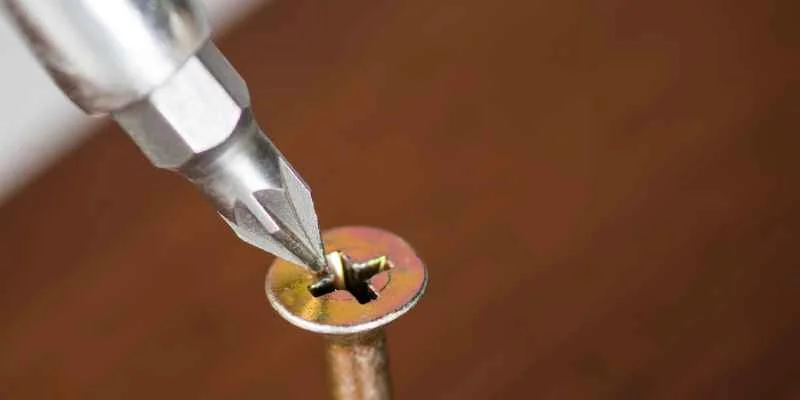
If you have a drill but not the specific screwdriver you need, a driver bit chucked into the drill works as a direct substitute for a manual screwdriver — match the bit to the screw head type and size, set the drill to a low speed/torque setting, and drive it like you would with a manual driver. This is genuinely the most reliable household alternative when it’s available, since it’s using the actual correct drive pattern rather than an improvised workaround.
For Truly Stuck Or Stripped Screws: Real Screw Extraction
A genuine screw extractor works differently from any of the above tricks — it’s not a screwdriver substitute, it’s a dedicated tool for a screw that’s already stripped, rusted stuck, or broken off. The real technique: drill a small pilot hole into the screw’s center using a bit sized slightly smaller than the screw, then insert the reverse-threaded extractor bit into that hole and turn counterclockwise with a drill or wrench — the extractor bites into the hole as it turns and backs the screw out. This only works correctly with the extractor sized to match the pilot hole; using an extractor that’s too large or too small for the drilled hole is a common reason this technique fails on a first attempt.
Removing A Stripped Screw Without An Extractor Kit
A rubber band pressed between the driver tip (or a coin/knife) and a stripped screw head genuinely adds enough friction in many cases to get a grip the bare metal-on-metal contact couldn’t achieve — a real, well-known trick, not a myth. Fine steel wool packed into a stripped slot works similarly. If the screw head is raised enough, pliers or vice grips (covered above) remain the most reliable non-extractor option for a stripped screw.
Frequently Asked Questions
What can I use if I don’t have a screwdriver?
A butter knife or coin for flathead screws, pliers or vice grips for screws with an accessible raised head, or a drill with the matching bit if one’s available. The right substitute depends on the screw head type.
How do you remove a stripped screw?
A rubber band or steel wool between the driver and the screw adds grip friction for a light strip. For a badly stripped, rusted, or broken screw, a real screw extractor (drilled pilot hole plus a reverse-threaded extractor bit) is the reliable fix.
Can you use a coin as a screwdriver?
Yes, for flathead screws only — a coin’s edge fits into a flat slot and provides enough leverage for light to moderate turning force. It won’t work on a Phillips or other cross-pattern screw head.
Conclusion
Most screws without a screwdriver come down to matching the right household substitute to the screw head type — a knife or coin for flathead, pliers for an accessible raised head, a drill when you have one. For a screw that’s actually stripped or stuck rather than just missing a tool, a real extractor kit is the technique that reliably works when the DIY tricks don’t.
Sponsored / affiliate links. As an Amazon Associate I earn from qualifying purchases. I may earn additional commission from eligible campaigns.